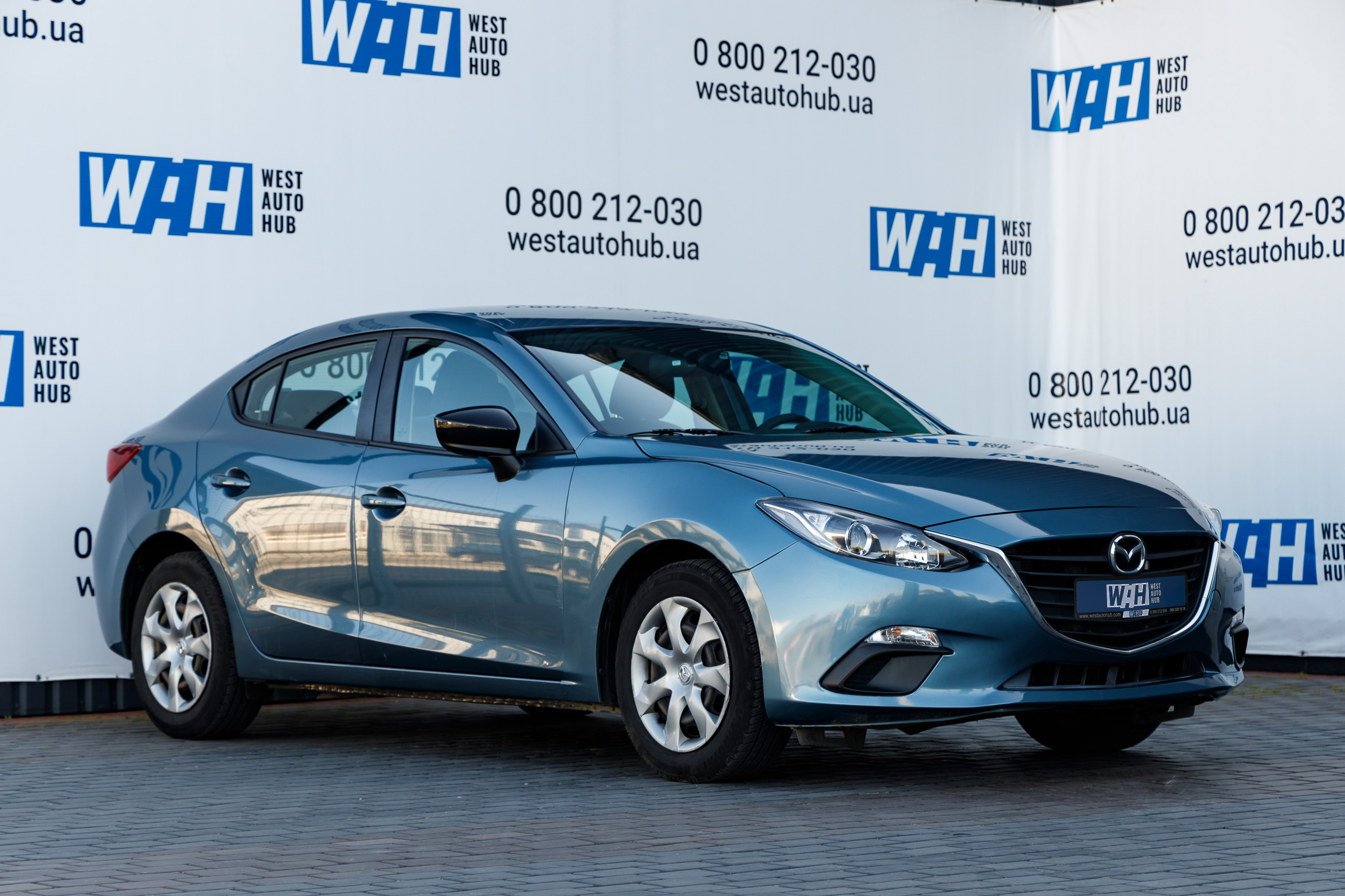
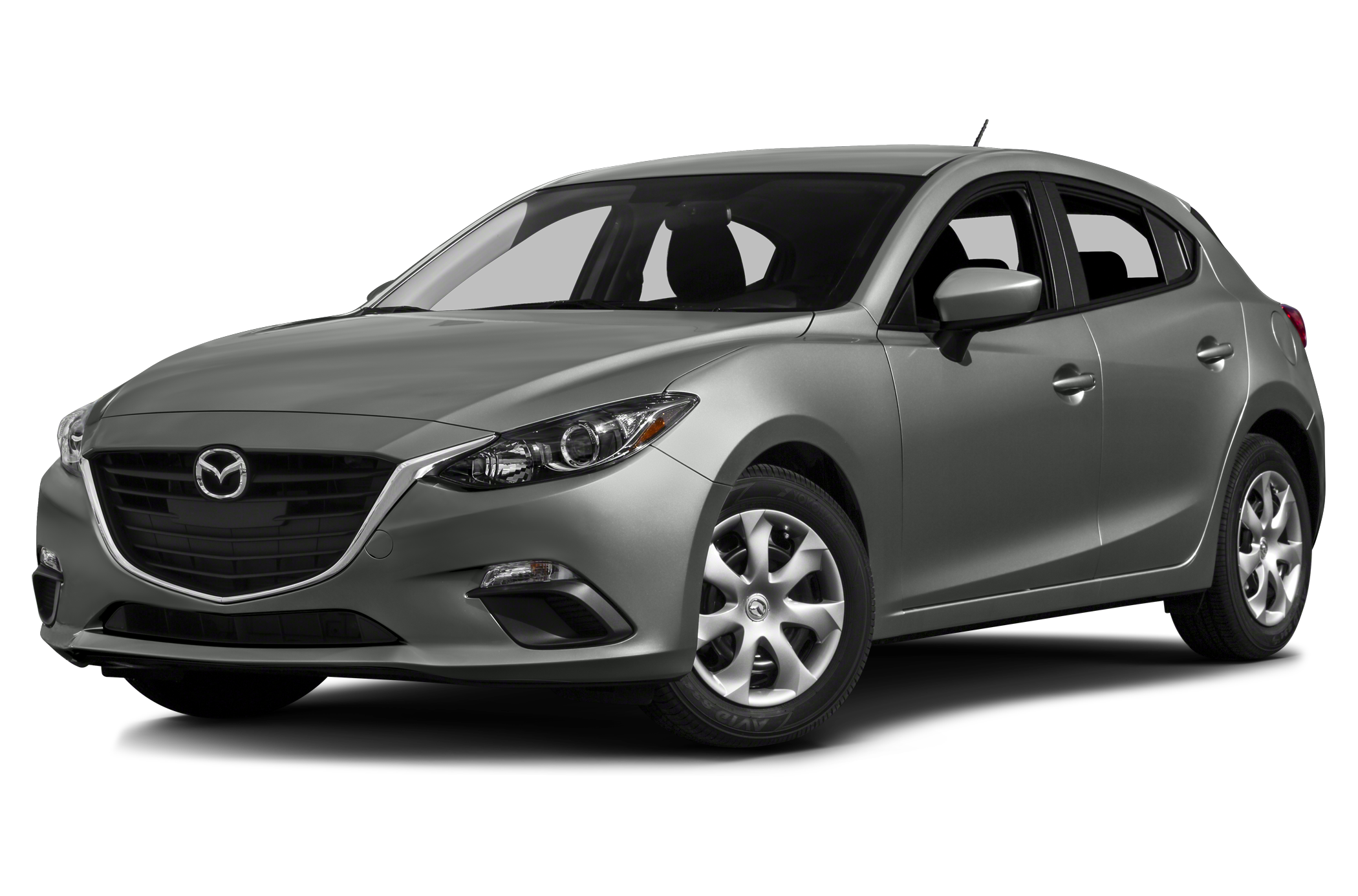
The 2014 Mazda 3 SV serves as the entry-level trim for the third-generation Mazda 3, featuring a 2.0-liter SKYACTIV-G four-cylinder engine, a standard six-speed manual transmission, and foundational driving dynamics that established a new standard for compact car handling and efficiency.
When Mazda introduced the third-generation Mazda 3 for the 2014 model year, it marked a significant pivot in the compact car segment. Built around the lightweight and rigid Skyactiv chassis, the lineup abandoned its previous Ford-derived platforms in favor of proprietary engineering designed to maximize structural integrity, fuel economy, and driving engagement. Among the hierarchy of trim levels, the SV (Standard Value) designation occupied the baseline position. It was engineered specifically to appeal to fleet buyers, budget-conscious commuters, and driving purists who preferred to bypass modern infotainment screens and complex driver-assistance systems in favor of raw mechanical honesty, low maintenance costs, and exceptional highway efficiency. Understanding the exact specifications, mechanical highlights, and intentional omissions of the 2014 Mazda 3 SV provides critical context for buyers, automotive historians, and pre-owned vehicle shoppers evaluating its contemporary value.
Mechanical Engineering and Powertrain Architecture
The foundation of the 2014 Mazda 3 SV rests entirely on its powertrain and suspension architecture, which it shared with higher trim levels like the Sport and Touring, despite its stripped-down interior presentation. At the heart of the vehicle is the 2.0-liter direct-injected SKYACTIV-G four-cylinder engine. This powerplant utilizes a remarkably high compression ratio—typically 13:0:1 in North American specifications—which optimizes thermodynamic efficiency to extract more energy from every drop of regular unleaded gasoline.
Output is rated at 155 horsepower at 6,000 RPM and 150 lb-ft of torque at 4,000 RPM. While these figures were competitive for the compact sedan class, the delivery method set the SV apart. In its standard configuration, the SV was paired exclusively with a crisp, short-throw six-speed manual transmission. For buyers who required an automatic, the six-speed SKYACTIV-Drive automatic transmission was available as an option. This transmission combined the smooth takeoff of a traditional torque converter with the direct, snappy shift response of a dual-clutch transmission, minimizing parasitic energy loss and contributing directly to the vehicle's impressive EPA fuel economy ratings of roughly 29 mpg city and 41 mpg highway with the manual gearbox.
Suspension tuning further distinguished the SV from contemporary rivals like the Toyota Corolla and Hyundai Elantra. Mazda equipped the base model with an independent MacPherson strut front suspension and a multi-link rear suspension system. This layout provided a balanced ride quality that absorbed harsh urban potholes while maintaining a flat, predictable posture through sweeping highway interchanges and tight corners.
Exterior Design and Aerodynamic Profile
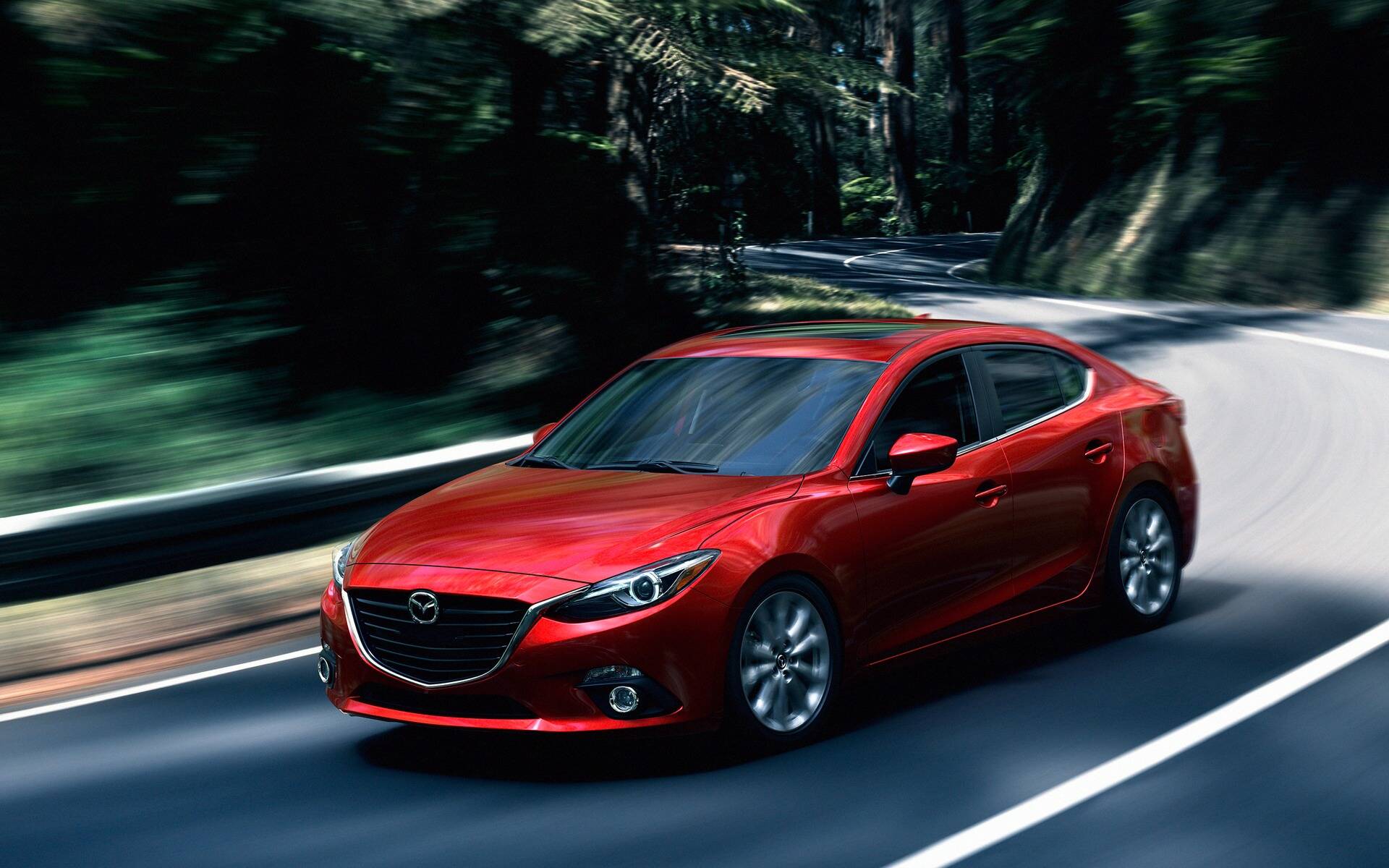
The 2014 model year introduced Mazda’s "Kodo: Soul of Motion" design language to the compact segment. Even in its base SV trim, the car benefited from the sweeping body lines, aggressive front fascia, and cab-rearward silhouette that made the vehicle look more expensive than its sticker price suggested.
However, because the SV was built to hit a strict entry-level price point, several exterior compromises were made compared to upper trims:
- Wheels: The SV rolled on 16-inch steel wheels covered by full plastic wheel covers, rather than the alloy wheels found on the i Sport or s Grand Touring trims.
- Lighting: Halogen headlights came standard, omitting the projector beams, LED signature lighting, and fog lamps reserved for higher-tier variants.
- Trim Accents: The exterior featured a matte-black grille insert and standard door handles molded to match body colors, but lacked chrome beltline moldings.
- Mirrors: Power-adjustable side mirrors were standard, though they lacked integrated turn signals or power-folding capabilities.
Despite these cost-saving measures, the fundamental aerodynamics remained intact. The sleek hood profile, raked windshield, and tapered rear decklid contributed to a low drag coefficient, which directly improved high-speed fuel efficiency and reduced wind noise inside the cabin.
Interior Cabin, Features, and Ergonomics
Stepping inside the 2014 Mazda 3 SV reveals a minimalist environment designed around the driver. The dashboard layout is clean, organized, and driver-centric, steering clear of the cluttered button arrays common in compact cars of that era.
| Feature Category | 2014 Mazda 3 SV Specification | Upper Trims (e.g., i Touring / Grand Touring) |
|---|---|---|
| Infotainment | AM/FM radio, auxiliary input, USB port, 4 speakers | Mazda Connect infotainment with 7-inch touchscreen, Bluetooth, Commander control knob |
| Seating Material | Premium cloth upholstery | Upgraded cloth or perforated leather-trimmed seating |
| Climate Control | Manual air conditioning | Dual-zone automatic climate control |
| Steering Wheel | Urethane steering wheel with tilt/telescope | Leather-wrapped steering wheel with audio and cruise controls |
| Convenience | Power windows, power door locks, remote keyless entry | Push-button start, rearview camera, moonroof, heated front seats |
The absence of the Mazda Connect infotainment screen in the SV is its most defining interior characteristic. Instead of a protruding center-dash display, the SV features a basic radio head unit flanked by physical control buttons and a small amber multi-information display. While this lack of modern connectivity (such as Apple CarPlay or Android Auto, which were not yet standard in vehicles of this vintage) feels dated by modern standards, it appeals to buyers seeking a distraction-free driving experience free from software glitches or delaminating touchscreen digitizers.
Storage options within the cabin include door pockets with integrated bottle holders, a deep center console bin, a glove compartment, and dual front cupholders. Seating comfort is notable; the front bucket seats offer adequate lateral bolstering and long-distance support, while the rear bench accommodates two adults comfortably or three in a pinch, though rear legroom is average for the compact segment.
Safety Equipment and Crash Test Performance
Despite its status as a base-level trim, the 2014 Mazda 3 SV did not compromise on structural safety. Built on Mazda’s proprietary SKYACTIV-BODY architecture, the vehicle utilizes a high percentage of ultra-high-strength steel in critical load-bearing paths to redirect crash energy away from the passenger cell.
Standard safety equipment across all 2014 models included:
- Advanced front airbags, front seat-mounted side-impact airbags, and full-length side-curtain airbags.
- Anti-lock Brake System (ABS) with Electronic Brakeforce Distribution (EBD) and Brake Assist.
- Dynamic Stability Control (DSC) and a Traction Control System (TCS).
- Tire Pressure Monitoring System (TPMS).
- Whiplash-reducing front seat structures.
In independent testing conducted by the Insurance Institute for Highway Safety (IIHS), the 2014 Mazda 3 earned the organization's highest designation, TOP SAFETY PICK+, performing well in moderate overlap front, side, roof strength, and head restraint tests. This strong safety baseline means that even budget-conscious buyers opting for the stripped-down SV trim retained the same crash protection as owners of fully loaded models.
Ownership Experience, Reliability, and Common Issues
Evaluating the 2014 Mazda 3 SV from a long-term ownership perspective reveals a vehicle characterized by robust mechanical durability, provided basic maintenance protocols are followed. The SKYACTIV-G engine chain-driven timing setup avoids the costly belt replacements required by older designs, and the direct-injection system has proven generally reliable when fed quality fuel and given regular oil changes using genuine synthetic lubricants.
However, prospective buyers and current owners should be aware of a few documented tendencies associated with the 2014 model year:
- Brake Wear: The factory brake pads and rotors on early third-generation Mazda 3 models can experience premature wear, particularly in stop-and-go urban driving environments. Upgrading to aftermarket ceramic pads during routine service often resolves this.
- Infotainment / Electrical: While the SV lacks the complex touchscreen system prone to ghost-touch issues, the basic radio head unit can occasionally experience display glitching or bluetooth pairing failures if equipped with dealer-added accessories.
- Interior Trim Durability: The plastic surfaces on the center console and door panels can scratch relatively easily if subjected to heavy use or abrasive cleaning agents.
- Rust Resistance: While vastly improved compared to first- and second-generation Mazda 3 models due to better factory galvanization and paint application, checking the undercarriage and wheel arches for road-salt corrosion is still recommended for vehicles originating from northern climates.
Target Audience and Contemporary Market Value
The 2014 Mazda 3 SV was manufactured for a specific demographic: fleet operators, rental agencies, and individual buyers prioritizing low acquisition costs, high fuel economy, and engaging driving dynamics over luxury amenities.
In the pre-owned market, the SV appeals to budget-focused drivers, first-time car buyers, and delivery drivers who need a reliable, fuel-efficient commuter that is inexpensive to insure and maintain. Because it lacks complex luxury electronics, there are fewer high-dollar electronic components prone to failure as the vehicle ages. When assessing pricing, the SV commands a lower valuation than the i Sport or Touring trims due to the absence of alloy wheels, cruise control, and advanced infotainment. Buyers inspecting an SV should verify whether the original purchaser added air conditioning or the automatic transmission, as these factory options heavily influence individual vehicle valuation.
Frequently Asked Questions
Does the 2014 Mazda 3 SV have cruise control?
No, cruise control was typically omitted from the baseline SV trim level. It was included as standard equipment starting with the step-up i Sport trim. Owners seeking cruise control in an SV must look into aftermarket steering wheel and module kits, which require professional installation and ECU programming.
Is the 2014 Mazda 3 SV available with an automatic transmission?
Yes, while a six-speed manual transmission came standard, buyers could spec the car with the optional six-speed SKYACTIV-Drive automatic transmission. This automatic unit delivers quick shifts and helps the car achieve highway fuel economy ratings exceeding 40 mpg.
What is the difference between the 2014 Mazda 3 SV and the i Sport?
The primary differences lie in comfort and convenience features. The i Sport adds alloy wheels, cruise control, a leather-wrapped steering wheel, Bluetooth connectivity, a rearview camera, and the Mazda Connect infotainment system with a touchscreen display, all of which are omitted from the stripped-down SV.
Can you upgrade the radio in a 2014 Mazda 3 SV to include Bluetooth and backup cameras?
Yes. Because the SV features a basic radio unit integrated into the dashboard, aftermarket audio specialists offer complete dash kits and head unit replacements that allow owners to install modern double-DIN stereos featuring Apple CarPlay, Android Auto, and backup camera integration.
Is the 2014 Mazda 3 SV engine reliable for high mileage?
The 2.0-liter SKYACTIV-G engine is widely regarded as durable and capable of surpassing 200,000 miles when maintained with regular synthetic oil changes, clean air filters, and routine spark plug replacements. Its timing chain design eliminates the need for periodic timing belt replacements.
Practical Recommendations for Prospective Buyers
For anyone shopping for a used 2014 Mazda 3 SV, the vehicle represents a compelling choice for reliable, low-cost transportation, provided expectations regarding creature comforts are kept realistic. Prioritize vehicles with comprehensive service records verifying consistent oil changes. Inspect the clutch operation thoroughly on manual transmission models, as aggressive driving can wear down the clutch disc prematurely. If modern connectivity features like Bluetooth streaming and backup cameras are non-negotiable requirements, budget for an aftermarket head unit upgrade or consider stepping up to the i Sport trim instead. For those who simply want an engaging, highly efficient commuter car that punches above its weight class mechanically, the SV delivers exceptional foundational value.