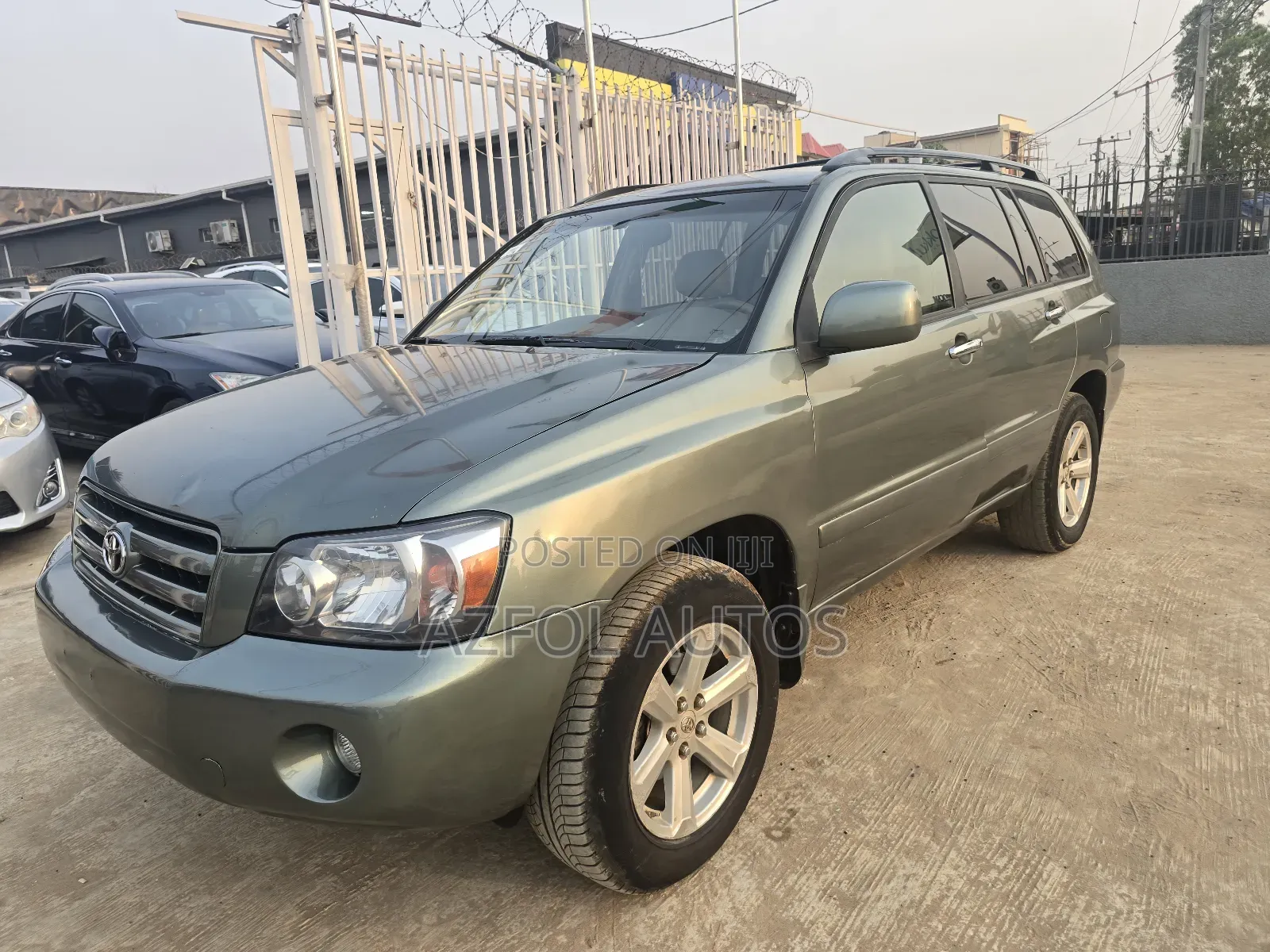
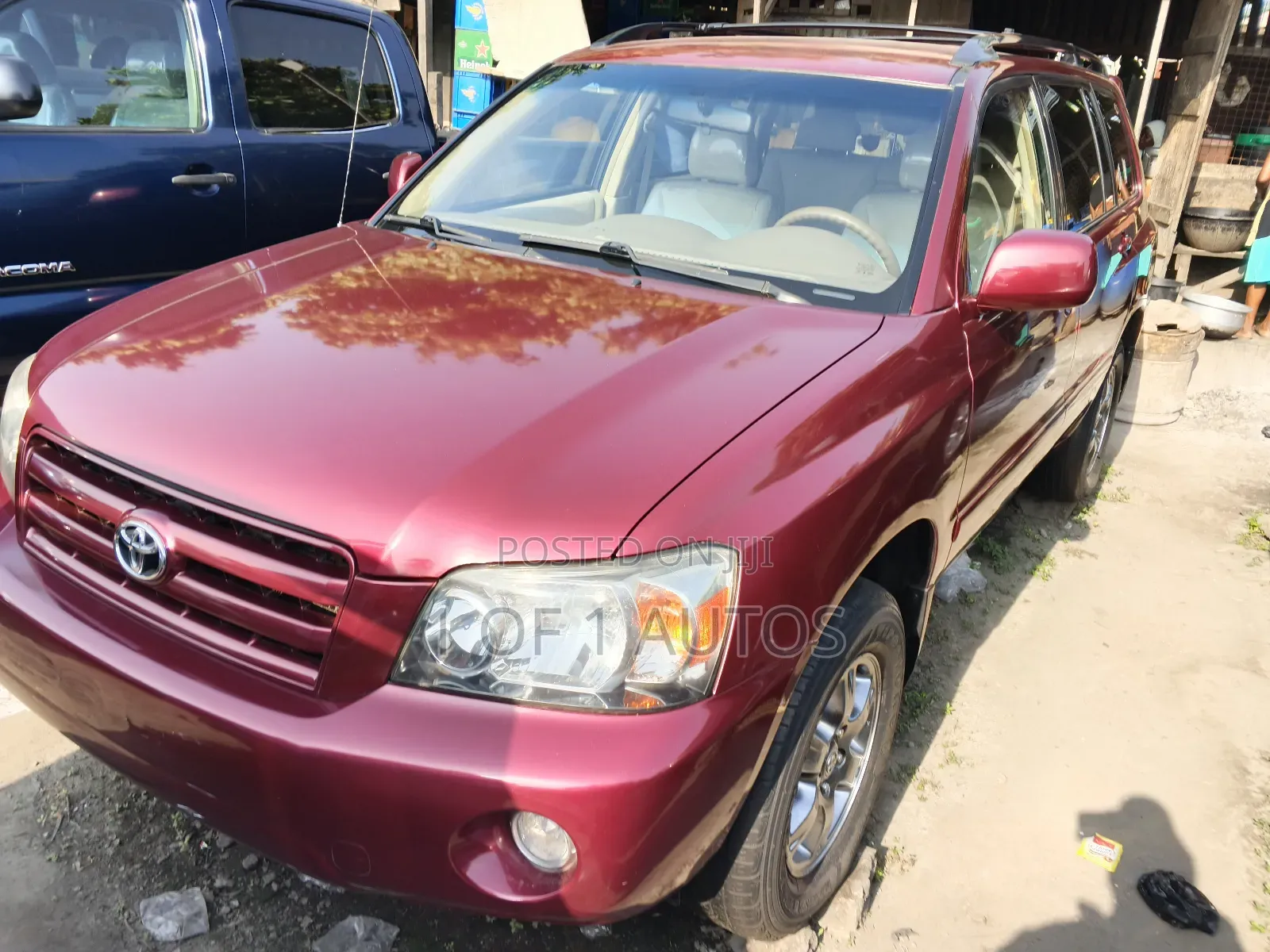
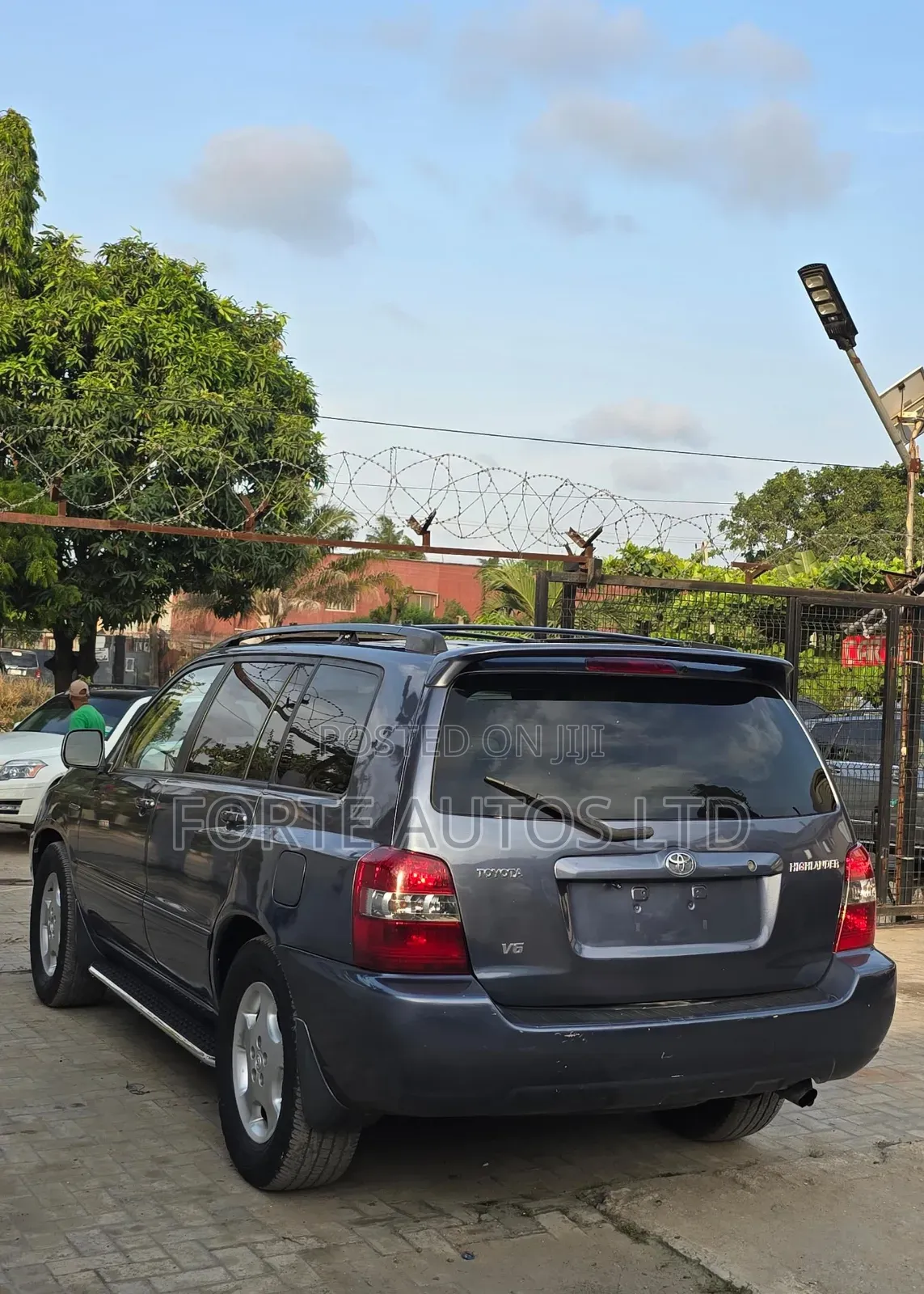
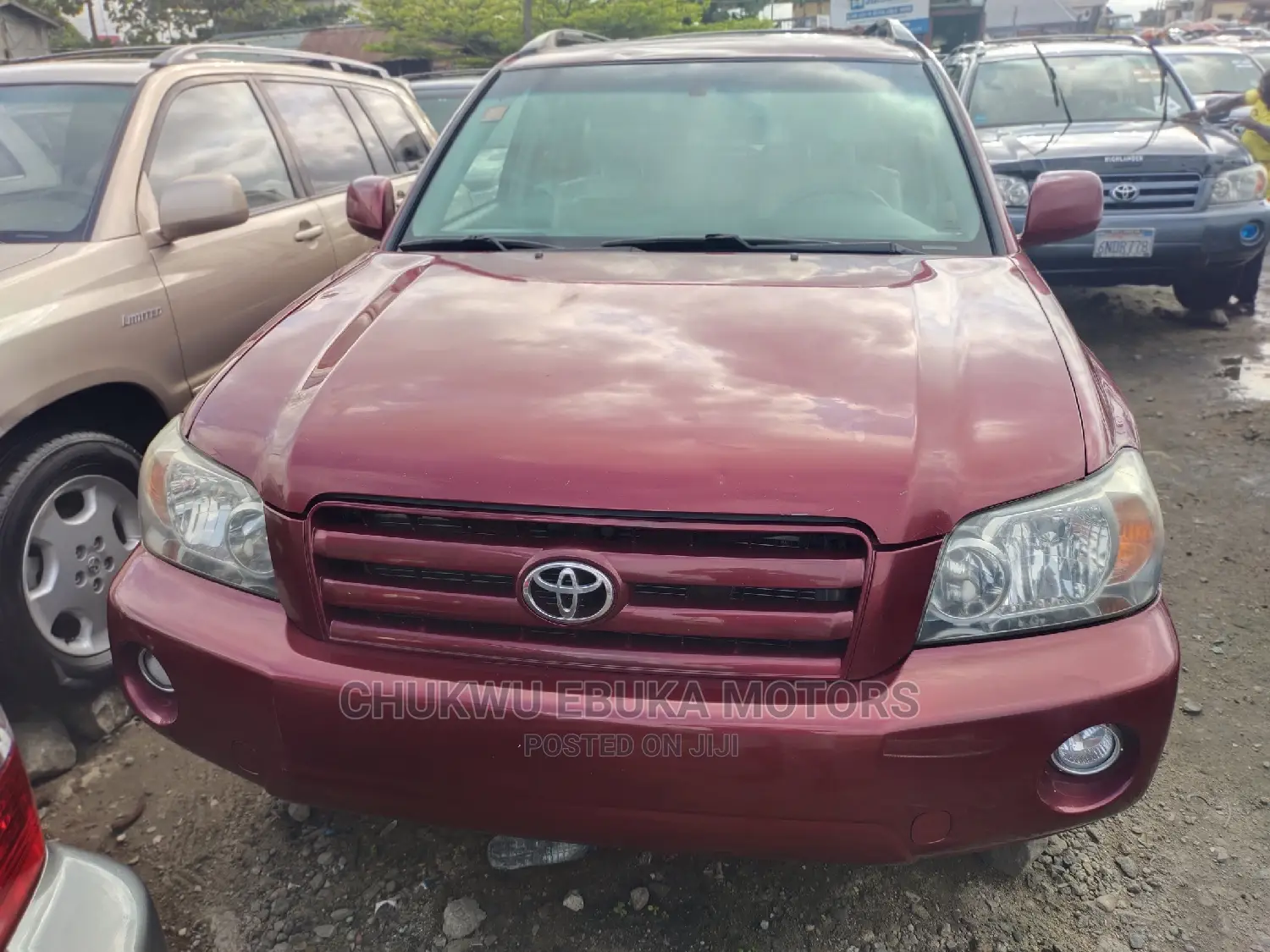
The 2005 Toyota Highlander Limited V6 represents the pinnacle of the first-generation midsize SUV, blending the mechanical reliability of the Toyota Camry platform with the added utility of optional all-wheel drive. For buyers in 2026, this vehicle remains a sought-after choice for those prioritizing long-term durability, interior space, and a refined driving experience over modern connectivity or advanced driver-assistance features.
Understanding the 2005 Toyota Highlander Limited V6 Identity
When evaluating a 2005 Toyota Highlander Limited V6, it is essential to distinguish it from the entry-level four-cylinder models and the later hybrid variants. The "Limited" designation signifies the top-tier trim level for the 2005 model year, providing an upscale experience that contrasts sharply with the utilitarian base models of the same era.
The heart of this specific configuration is the 3.3-liter 3MZ-FE V6 engine. This powerplant was a significant upgrade over the earlier 3.0-liter units, offering a more robust 230 horsepower and 242 lb-ft of torque. When paired with the standard five-speed automatic transmission, the vehicle provides smooth power delivery suited for highway cruising and light towing duties.
Unlike the more rigid body-on-frame SUVs of its time, the 2005 Highlander utilizes a unibody construction. This choice was deliberate, aimed at delivering a ride quality that felt more like a sedan than a truck. For the consumer in 2026, this distinction is critical: if you are looking for an off-road rock crawler, this is not the correct vehicle. If you are looking for a comfortable, reliable family hauler that handles inclement weather with competence, the Limited V6 remains a masterclass in pragmatic engineering.
Technical Specifications and Performance
The performance of the 2005 Limited V6 is defined by its balance. While modern SUVs have become significantly heavier and more complex, the Highlander of this era maintains a relatively manageable curb weight, which aids in its longevity and mechanical predictability.
Powertrain and Drivetrain Capabilities
The 3.3-liter V6 engine is widely regarded by mechanics for its longevity, provided that the timing belt maintenance schedule is strictly observed. Unlike timing chains, which can sometimes be "ignored" for the life of a vehicle, this engine’s belt is a critical failure point. It is recommended that this service be performed every 90,000 miles.
- Engine: 3.3L 3MZ-FE V6
- Horsepower: 230 hp @ 5,600 rpm
- Torque: 242 lb-ft @ 3,600 rpm
- Transmission: 5-speed automatic (Electronically Controlled)
- Drivetrain: Front-wheel drive (standard) or Full-time All-Wheel Drive (optional)
The full-time all-wheel-drive system in this model uses a center differential with a viscous coupling, which splits power 50/50 front-to-rear. It is an "always-on" system, meaning there are no buttons to press to engage it. This provides a consistent, predictable feel on wet or icy roads, though it does result in a slight fuel economy penalty compared to the FWD version.
Key Features of the Limited Trim
The Limited trim was designed to compete with entry-level luxury vehicles of the mid-2000s. While these features are common today, they were considered premium amenities in 2005.
- Interior Comfort: Leather-trimmed seats were standard on the Limited, often accompanied by power-adjustable front seating and heated front seats.
- Climate Control: Automatic climate control allows for set-and-forget cabin temperatures, a significant upgrade over the manual dials found in the base trims.
- Audio System: The Limited often included an upgraded JBL audio system with an in-dash CD changer, which provided superior sound fidelity for the period.
- Exterior Aesthetics: The Limited is visually distinguished by its 17-inch alloy wheels, integrated fog lights, and refined exterior chrome accents.
Practical Considerations for 2026 Buyers
Purchasing a vehicle that is now over two decades old requires a shift in mindset. You are no longer buying a "used car" in the traditional sense; you are inheriting a machine that requires a maintenance-focused ownership experience.
Maintenance and Reliability
The primary concern for any 2005 Toyota Highlander in 2026 is rubber degradation. Components such as coolant hoses, vacuum lines, and suspension bushings have likely surpassed their intended service lifespan. When inspecting a potential purchase, prioritize the following:
- Cooling System: Inspect the radiator for signs of browning or cracks in the plastic end tanks. Overheating is the fastest way to ruin a 3MZ-FE engine.
- Suspension: Listen for clunking noises over bumps. The struts and sway bar links are common wear items that, when replaced, transform the vehicle’s handling from "tired" to "factory fresh."
- Transmission Fluid: Ensure the fluid is clean and free of a burnt smell. While these transmissions are durable, they do not respond well to neglect. A drain-and-fill procedure—not a high-pressure flush—is the standard recommendation for high-mileage units.
Comparison of Trim and Engine Variants
| Feature | 4-Cylinder (Base) | V6 (Standard) | Limited V6 |
|---|---|---|---|
| Engine | 2.4L I4 | 3.3L V6 | 3.3L V6 |
| Power | 155 hp | 230 hp | 230 hp |
| Wheels | 16-inch Steel | 16-inch Alloy | 17-inch Alloy |
| Leather | No | Option | Standard |
| Climate Control | Manual | Manual | Automatic |
Troubleshooting Common Issues
Despite the Highlander’s reputation for reliability, there are specific areas where owners frequently encounter issues. Knowing these ahead of time can save significant costs.
The Exhaust Manifold "Tick"
A common issue with the 3MZ-FE V6 engine is the cracking of the exhaust manifolds. This typically presents as a ticking noise that is loudest during a cold start and tends to quiet down as the metal expands with heat. While not catastrophic, it can lead to engine codes related to the oxygen sensors or secondary air injection system if left unaddressed. Replacement with high-quality aftermarket manifolds is usually the most cost-effective long-term solution.
Steering Rack Leaks
By 2026, many of these vehicles will exhibit minor seeping from the steering rack seals. Regularly check your power steering fluid reservoir. If you notice a drop in fluid level, inspect the inner tie rod boots; if they appear wet or swollen, the rack likely needs to be rebuilt or replaced.
Paint and Exterior Condition
The clear coat on Toyota vehicles from this period can be prone to peeling if they have spent their lives in harsh, sunny climates. While this does not affect the mechanical integrity of the vehicle, it is a significant factor in resale value and cosmetic appeal. Use a high-quality UV-protectant wax to preserve whatever clear coat remains.
Safety and Technology in a Modern Context
In 2026, the 2005 Highlander's safety features are considered baseline. It includes front-seat side-impact airbags and curtain shield airbags for both rows—a significant safety feature for the time. However, it lacks the advanced Electronic Stability Control found in newer vehicles, and the braking performance, while adequate, does not match the rapid response times of modern systems.
Because this vehicle lacks modern Bluetooth or smartphone integration, most owners choose to install an aftermarket head unit. This is a straightforward process, as the double-DIN radio opening is easily accessible. Upgrading to a unit with Apple CarPlay or Android Auto can modernize the interior experience without compromising the vehicle's legendary mechanical simplicity.
Expert Guidance: Making the Decision
When searching for a 2005 Toyota Highlander Limited V6, your search should focus on finding a well-documented example with a history of regular oil changes. A lower-mileage vehicle that has sat for several years is often a worse candidate than a higher-mileage vehicle that has been driven regularly. Oil needs to circulate, and seals need to remain lubricated to function correctly.
If you find a unit that has been garaged and maintained, you have found one of the most reliable transportation assets available. It is not an exciting vehicle, but in terms of cost-per-mile over the next five years, it is likely to outperform almost any modern vehicle costing ten times as much.
Recommended Next Action: If you have identified a potential candidate, request a pre-purchase inspection from a mechanic specializing in Toyota engines. Specifically, ask them to check the timing belt status and the condition of the rear subframe for oxidation, as these are the two factors that determine whether the vehicle is a long-term investment or a temporary solution.