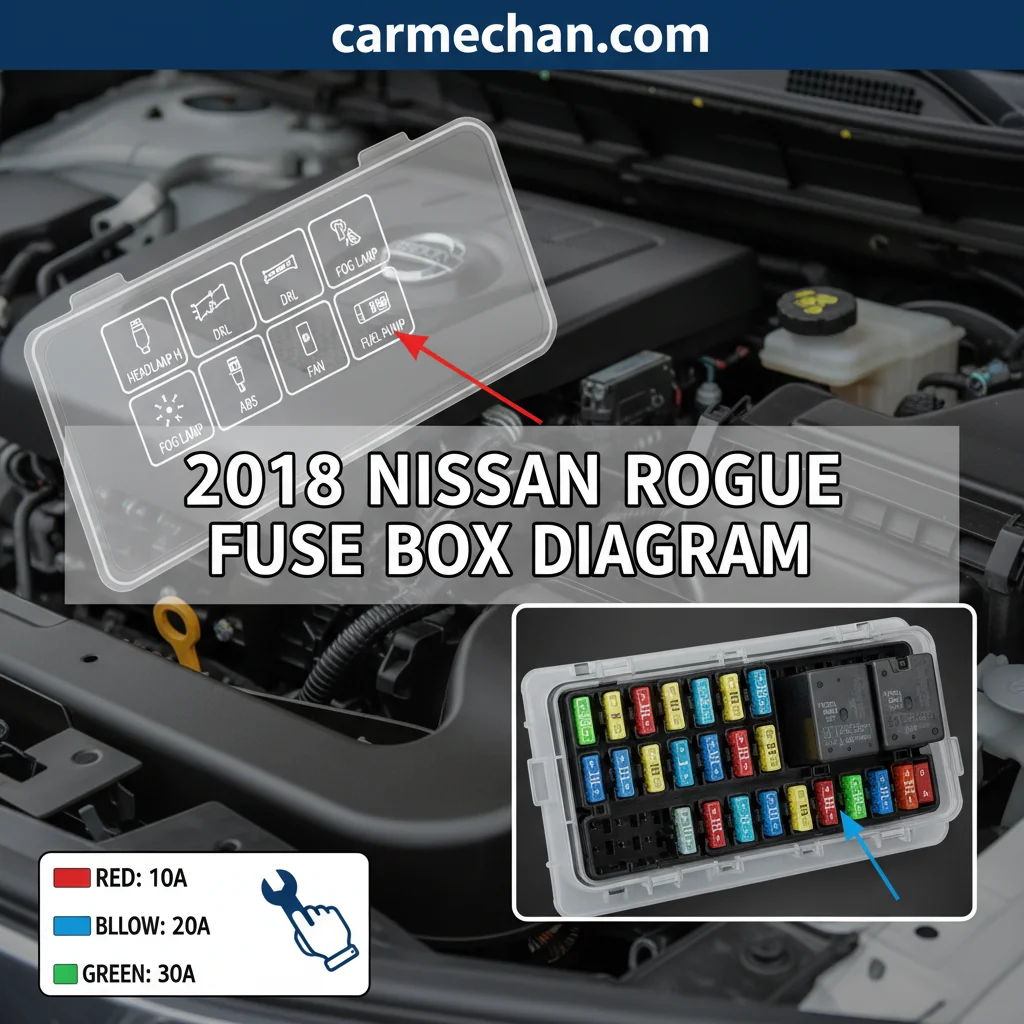
Finding the correct 2001 Nissan Xterra fuse box diagram in PDF format is essential for diagnosing electrical faults, identifying blown fuses, and preventing costly automotive repairs. The first-generation Nissan Xterra features two primary electrical distribution centers: one located under the driver-side dashboard near the steering column and another positioned inside the engine bay adjacent to the battery. Accessing accurate schematic data allows DIY mechanics and automotive technicians to verify amperage ratings, locate specific relay switches, and test circuits safely using a multimeter or test light without relying on guesswork.
Understanding the First-Generation Nissan Xterra Electrical Architecture
The 2001 Nissan Xterra relies on a classic automotive electrical architecture that segregates cabin accessories from high-draw engine components. Manufactured during an era when vehicle wiring was straightforward yet increasingly integrated with electronic engine controls, this SUV uses standard blade-type fuses (Mini and ATO/ATC) alongside specialized multi-pole relays. Understanding how this system is structured helps owners make sense of any PDF diagram they download or consult.
Electrical power originates at the 12-volt automotive battery and flows directly to the engine compartment power distribution center. From there, main fusible links protect the entire harness before current reaches the interior cabin fuse panel. When an accessory like the power windows, radio, blower motor, or cigarette lighter stops working, the fault usually traces back to a specific cavity within one of these two locations. Having a clear, readable diagram ensures that you pull and inspect the correct component rather than disabling critical safety or engine management systems.
Locating the Two Primary Fuse Panels in a 2001 Nissan Xterra
Before examining any schematic layout, you must physically locate the fuse panels in your vehicle. The 2001 Nissan Xterra houses its electrical protection devices in two distinct areas, each serving a separate set of vehicle systems.
- 2001 Nissan Xterra Electrical Layout
- Interior Cabin Panel
- Located under the dashboard
- Protects interior accessories
- Uses Mini and standard blades
- Engine Bay Distribution Box
- Located near the battery
- Protects high-draw systems
- Houses main fusible links
- Interior Cabin Panel
The Interior Cabin Fuse Panel
The interior fuse box is situated underneath the driver-side dashboard, near the lower steering column and hood release handle. To access it, you typically need to kneel outside the vehicle and look upward beneath the instrument panel, or remove a small plastic trim cover that protects the terminals from accidental kicks. This panel governs low-amperage cabin circuits, including interior illumination, instrument cluster gauges, the audio system, turn signals, power windows, and the HVAC blower control switch.
The Engine Bay Power Distribution Center
The second electrical center sits inside the engine compartment, positioned on the driver's side near the battery and the air intake duct. It is housed inside a black plastic box secured by plastic tabs or metal clips. Lifting the cover reveals a grid of high-amperage fuses, cartridge fuses, and electromechanical relays. This compartment manages heavy-load systems such as the fuel pump, cooling fans, headlamps, ignition coils, the anti-lock braking system (ABS) module, and the charging system.
Finding and Evaluating a Reliable 2001 Nissan Xterra Fuse Box Diagram in PDF
When searching for a 2001 Nissan Xterra fuse box diagram in PDF format, quality and accuracy are paramount. Poorly scanned manual pages or user-generated blog posts often feature illegible text, leading to dangerous wiring mistakes.
Official factory service documentation remains the gold standard. Nissan historically published comprehensive Factory Service Manuals (FSM) that include dedicated sections for power, grounding, and circuit diagrams (typically found in the "Power Supply, Ground & Circuit Elements" or "EL" electrical sections). These official PDF documents provide crystal-clear grid coordinates, exact amperage values, wire color codes, and relay pinout configurations.
Where to Look for Verified Documentation
- Nissan Enthusiast Forums: Specialized communities such as ClubXterra host verified PDF archives containing scanned factory service manuals and community-compiled quick-reference sheets.
- Digital Repair Libraries: Subscription-based automotive databases offer factory-authentic wiring schematics that can be saved or printed as PDFs.
- Public Domain Archives: Several digital preservation projects maintain open-access automotive manuals for older SUVs, allowing free downloads of specific electrical sections.
Common Electrical Issues and Troubleshooting Steps in a 2001 Xterra
Electrical troubleshooting requires a systematic approach. When an electrical component fails in a 2001 Nissan Xterra, consulting your PDF diagram is only the first step. Proper diagnostic procedure ensures you do not simply replace a blown fuse only to have it fail again immediately due to an underlying short circuit.
Step-by-Step Diagnostic Process
- Verify the Symptom: Identify all non-working accessories. Often, multiple non-functioning items share a single fuse, which immediately points you toward the exact circuit to investigate.
- Consult the Diagram: Open your PDF reference document and locate the grid coordinate corresponding to the malfunctioning system. Note the specified amperage rating and fuse type.
- Inspect the Physical Fuse: Locate the corresponding cavity in either the cabin or engine bay panel. Use a plastic fuse puller or needle-nose pliers to extract the fuse carefully. Examine the internal metal filament; if it is melted or broken, the fuse has blown.
- Test for Continuity: If the visual inspection is inconclusive, touch the probes of a digital multimeter set to continuity mode to the two metal test tabs on top of the fuse. A continuous beep or zero resistance indicates a healthy fuse.
- Check for Underlying Shorts: Never replace a blown fuse with one of a higher amperage rating. If a replacement fuse blows instantly, inspect the wiring harness for chafing, exposed copper, or moisture intrusion, particularly around the door jamb boots and engine bay grounds.
Comparative Overview of Fuse Types and Ratings
The electrical system of the 2001 Nissan Xterra utilizes various fuse sizes and types. Using the wrong physical size or incorrect amperage can lead to electrical fires or permanent component damage.
| Fuse Type / Amperage | Standard Color | Typical Vehicle Application in 2001 Xterra |
|---|---|---|
| Mini / 7.5A | Brown | Radio memory, small instrument cluster lights |
| Mini / 10A | Red | Turn signals, hazard flashers, SRS airbag module |
| Mini / 15A | Blue | Cigar lighter, power sockets, fuel pump control |
| Standard / 20A | Yellow | Horn, front fog lamps, power window motors |
| Standard / 30A | Green | Blower motor, rear window defogger, wiper motor |
| Cartridge / 40A+ | Pink / Green | Ignition switch main, alternator, ABS actuator |
Frequently Asked Questions
How do I know if a fuse is blown without pulling it out?
Many modern fuses feature exposed metal test points on their top surfaces. You can touch a digital multimeter or a 12V test light to these points while the ignition is on. If test light illumination or voltage is present on one side of the fuse but absent on the other, the internal filament is broken and the fuse is blown.
Can I use a higher amperage fuse if my blower motor keeps blowing fuses?
No. Never install a fuse with a higher amperage rating than specified by the manufacturer. The fuse rating is mathematically calculated to match the wire gauge thickness of that specific circuit. Increasing the amperage allows excessive current to pass through thinner wires, which can melt wire insulation and trigger an electrical fire.
Where is the fuel pump fuse located on a 2001 Nissan Xterra?
In the 2001 model, the fuel pump circuit is typically protected by a fuse located within the engine compartment power distribution box, supported by an electronically controlled fuel pump relay. Consult an authentic factory PDF schematic to verify the exact cavity number, as layout variations exist between early and late production runs.
Why do fuses keep blowing repeatedly in my Xterra?
Repeatedly blown fuses indicate an intermittent or permanent short circuit to ground. Common culprits in aging SUVs include pinched wires inside rubber door boots, corroded trailer hitch wiring harnesses, failing electric motors drawing excessive current, or aftermarket radio installations with exposed wire splices.
Are cabin and engine bay fuses interchangeable?
Generally, no. Interior cabin panels typically use smaller Mini blade fuses to save space, while engine bay distribution boxes utilize larger standard ATO/ATC blades and heavy-duty high-amperage cartridge fuses designed to handle harsh environmental conditions and higher electrical loads.
Final Recommendations for Safe Electrical Maintenance
When working on the electrical system of your 2001 Nissan Xterra, always disconnect the negative battery terminal before servicing high-amperage components or pulling main relays in the engine bay. Keep a digital or printed copy of the fuse box diagram stored securely on your mobile device or inside your glove compartment for roadside emergencies. Verify all replacement fuses match the exact manufacturer-specified color and amperage rating to ensure reliable, safe operation of your vehicle's electrical accessories.