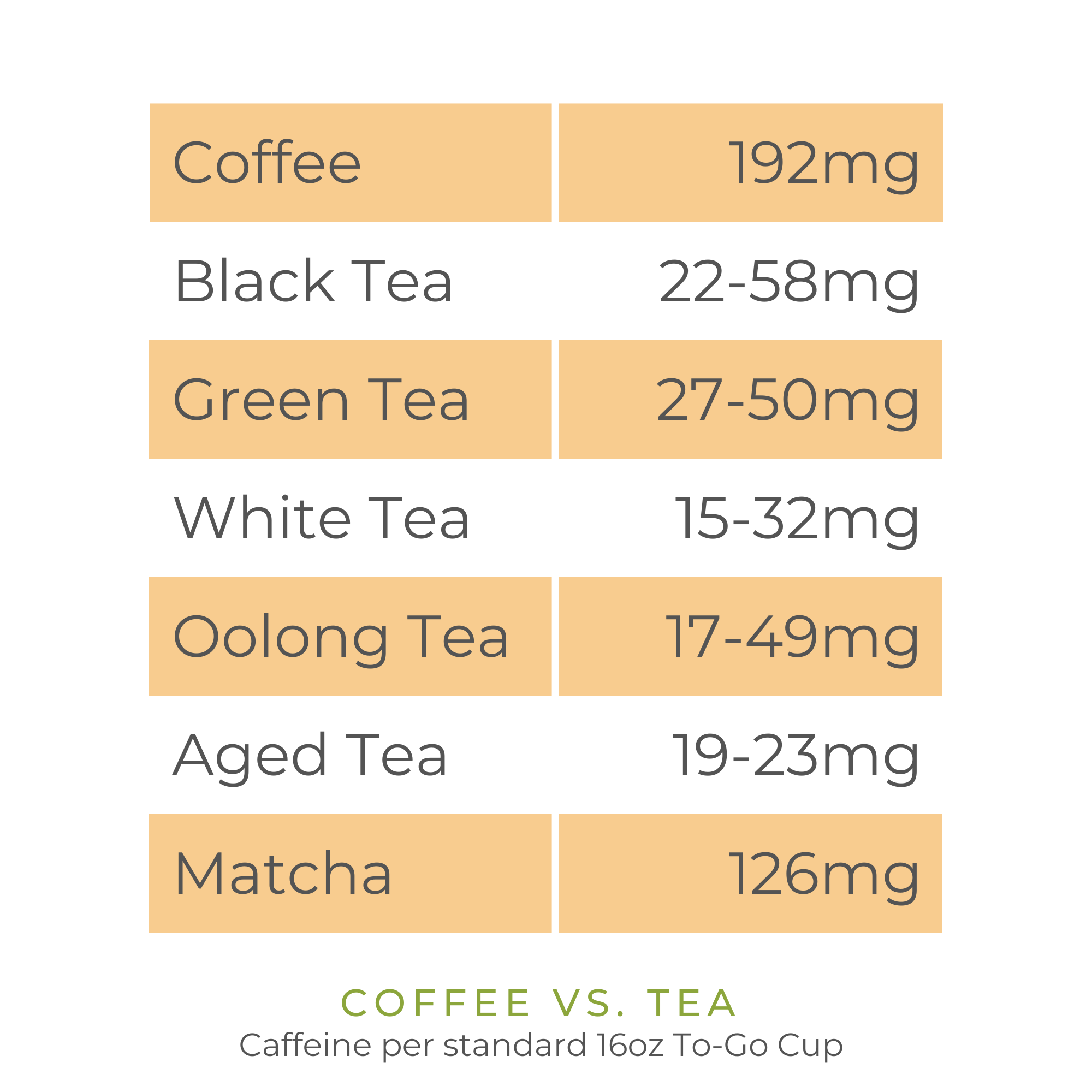
A standard 12 oz cup of black coffee typically contains between 90 and 140 milligrams of caffeine, though the exact amount varies depending on the bean variety, roast profile, and brewing method. This quantity falls well within safe daily consumption guidelines for most healthy adults, providing a reliable cognitive boost without exceeding standard physiological limits.
Understanding exactly how much caffeine resides in a standard 12 fluid ounce serving of black coffee requires looking past generalized estimates and examining the variables that dictate extraction rates. While casual coffee drinkers often treat all cups of coffee as chemically identical, a complex interplay of agriculture, thermodynamics, and chemistry determines the final stimulant load in your mug. Whether you are brewing at home using a pour-over cone, picking up a standard medium roast from a national coffee chain, or experimenting with coarse grounds in a French press, the concentration of methylxanthine alkaloids—commonly known as caffeine—shifts significantly.
Evaluating these metrics accurately helps you monitor daily intake, optimize your morning routine, and avoid unwanted side effects like jitteriness, elevated heart rates, or disrupted sleep patterns.
The Baseline Chemistry of Coffee Caffeine
Caffeine (1,3,7-trimethylxanthine) is a naturally occurring alkaloid synthesized by the Coffea plant as a chemical defense mechanism against herbivorous insects. When hot water passes through roasted and ground coffee beans, it acts as a solvent, extracting soluble compounds—including caffeine, lipids, acids, and Maillard reaction byproducts—into your cup.
In a standard 12 oz serving (which equates to roughly 355 milliliters), the baseline caffeine yield usually hovers around 100 to 120 milligrams for a typical medium roast brewed via standard drip methods. However, this is merely an average. The seed-to-cup journey involves multiple agricultural and industrial checkpoints that alter the final molecular concentration.
To understand why a 12 oz cup can vary so drastically from one café to the next, we must examine the primary biological and physical drivers of caffeine extraction.
Arabica Versus Robusta Beans
The species of coffee plant utilized plays a foundational role in determining caffeine content. The commercial coffee market relies almost exclusively on two species: Coffea arabica and Coffea canephora (commonly known as Robusta).
- Arabica Beans: Grown at higher altitudes with milder climates, Arabica beans produce a nuanced, complex flavor profile prized by specialty roasters. Genetically, Arabica plants contain roughly 1.2% to 1.5% caffeine by dry weight.
- Robusta Beans: Cultivated at lower elevations with higher resistance to pests and diseases, Robusta beans feature a harsher, more bitter taste profile. Their caffeine content is significantly higher, ranging from 2.2% to 2.7% by dry weight—nearly double that of Arabica.
If your 12 oz black coffee is brewed from a blend containing a high percentage of Robusta beans—often found in traditional espresso blends, instant coffees, and budget-friendly supermarket cans—the caffeine content will trend toward the higher end of the spectrum, frequently exceeding 160 milligrams. Conversely, 100% specialty-grade Arabica yields a smoother, lower caffeine concentration.
Roast Level Myths and Realities
A common misconception among consumers is that dark roast coffees contain more caffeine than light roasts because they taste bolder, more bitter, and more intense. In reality, the roasting process alters the physical structure and moisture content of the bean rather than drastically destroying caffeine molecules, which are chemically stable up to high temperatures.
As coffee beans absorb heat during roasting, they expand, lose moisture, and shed mass.
- Light Roasts: Retain more of their original density and mass. If you measure your coffee by volume (e.g., scoops), a light roast contains more individual beans per scoop than a dark roast, resulting in a slightly higher caffeine extraction for that 12 oz cup.
- Dark Roasts: Lose more moisture and swell in size, becoming lighter and more porous. A scoop of dark roast beans contains fewer actual coffee solids by weight than an equivalent scoop of light roast.
When measured strictly by mass (grams of coffee grounds used to brew 12 oz of water), the difference in caffeine between a light and dark roast is negligible. However, because most people brew by volume scoops rather than weight, light roasts often yield marginally higher caffeine levels in the final cup.
Brewing Methods and Extraction Dynamics
The method used to transform roasted beans and water into a 12 oz beverage dictates how efficiently caffeine is extracted. Caffeine is highly soluble in hot water, and extraction speed depends on water temperature, contact time, and grind size.
| Brewing Method | Typical 12 oz Caffeine | Primary Extraction Factor |
|---|---|---|
| Drip Filter Coffee | 90 mg - 140 mg | Gravity-fed prolonged contact |
| Pour-Over | 100 mg - 150 mg | Continuous fresh water flow |
| French Press | 120 mg - 160 mg | Total immersion, coarser grind |
| Cold Brew | 150 mg - 200+ mg | High coffee-to-water ratio |
| Instant Coffee | 60 mg - 90 mg | Pre-dissolved dehydrated solids |
Automatic Drip Machines
Standard automatic drip coffee makers remain the most common household brewing tool. Water is heated in a reservoir, pumped over a bed of medium-ground coffee held in a paper or metal filter, and allowed to drip into a carafe.
For a 12 oz serving of standard drip coffee, the extraction time usually ranges from 3 to 5 minutes at water temperatures between 195°F and 205°F (90°C to 96°C). This duration is optimal for extracting roughly 90% of the available caffeine from the grounds, yielding a reliable 110 mg average per 12 oz cup.
Pour-Over Systems
Pour-over devices (such as a V60, Kalita Wave, or Chemex) rely on manual water distribution. While chemically similar to drip machines, the barista controls the turbulence, water temperature stability, and pour intervals.
Because pour-over methods often utilize a slightly finer grind and fresh, near-boiling water poured in slow, continuous streams, the extraction efficiency can be marginally higher. A meticulously brewed 12 oz pour-over can pull up to 140 mg of caffeine.
French Press and Immersion Brewing
French press brewing uses a total immersion method. Coarsely ground coffee sits directly in hot water for 4 minutes before a metal mesh plunger separates the grounds from the liquid.
Because the coffee grounds remain in direct contact with the water for the entire duration without a paper filter absorbing oils or slowing drainage, French press coffee often extracts a dense profile of compounds. A 12 oz serving of French press coffee frequently ranges from 120 to 160 mg of caffeine, depending heavily on the coffee-to-water ratio used by the brewer.
Cold Brew Concentrate and Dilution
Cold brew is prepared by steeping coarse coffee grounds in cold or room-temperature water for 12 to 24 hours. Because cold water is a less efficient solvent than boiling water, cold brew recipes utilize an exceptionally high coffee-to-water ratio (often 1:4 or 1:5 for concentrates).
While the extraction rate is slower due to lower temperatures, the sheer density of coffee grounds used means that a finished, ready-to-drink 12 oz cold brew can pack anywhere from 150 to over 200 milligrams of caffeine. Consumers must exercise caution with commercial cold brews, as un-diluted formulations can deliver unexpected stimulant loads.
Commercial Standards: What Do Popular Chains Serve?
When purchasing a 12 oz black coffee (frequently designated as a "Small" or "Tall") from major commercial coffee chains, the caffeine content varies based on corporate bean sourcing, brewing parameters, and corporate standardization practices.
- Starbucks: A 12 oz (Tall) brewed hot Pike Place Roast coffee contains approximately 235 milligrams of caffeine. This is notably higher than the industry average due to Starbucks' specific bean sourcing (which incorporates higher-caffeine bean profiles) and standard extraction ratios designed to deliver a robust flavor profile.
- Dunkin': A 12 oz (Small) hot brewed original blend coffee contains roughly 150 to 210 milligrams of caffeine. Dunkin' utilizes a proprietary blend and standard commercial drip brewers calibrated for fast, high-volume service.
- McDonald's (McCafé): A 12 oz (Small) hot premium roast coffee contains about 109 milligrams of caffeine, aligning closely with traditional home-brewed drip coffee averages.
These commercial variations demonstrate why relying on a generic mental estimate can lead to underestimating or overestimating daily stimulant consumption. Checking brand-specific nutritional disclosures is the only way to verify precise intake when purchasing away from home.
Physiological Impacts and Safety Guidelines
Caffeine is a central nervous system stimulant. Upon ingestion, it is rapidly absorbed through the stomach and small intestine, entering the bloodstream within 15 to 45 minutes. Once distributed throughout tissues, caffeine acts primarily as a competitive antagonist of adenosine receptors in the brain.
Adenosine is a neuromodulator that promotes sleep and relaxation as it accumulates throughout the day. By blocking adenosine from binding to its receptors, caffeine prevents the onset of drowsiness and promotes the release of excitatory neurotransmitters such as dopamine, norepinephrine, and glutamate.
Recommended Daily Limits
According to the U.S. Food and Drug Administration (FDA) and the European Food Safety Authority (EFSA), a safe intake level for healthy adults is up to 400 milligrams of caffeine per day.
Consuming 400 mg daily is generally not associated with adverse health effects. Translated into standard 12 oz black coffees:
- At an average of 110 mg per cup, 400 mg represents roughly 3.5 cups of standard home-brewed black coffee.
- At commercial levels (such as 235 mg per 12 oz Starbucks Tall), 400 mg is reached in less than 2 cups.
Symptoms of Excess Consumption
Exceeding individual tolerance thresholds can trigger acute side effects, collectively known as caffeine intoxication or over-caffeination. Common symptoms include:
- Jitteriness, muscle tremors, and fine motor instability.
- Tachycardia (elevated heart rate) and transient increases in blood pressure.
- Gastrointestinal distress, acid reflux, and increased gastric acid secretion.
- Anxiety, restlessness, irritability, and difficulty concentrating.
- Insomnia and disrupted rapid eye movement (REM) sleep architecture, particularly when consumed within 6 hours of bedtime.
Individuals with underlying cardiovascular conditions, generalized anxiety disorders, or women who are pregnant or breastfeeding should consult healthcare professionals to establish lower, personalized caffeine limits. Note: This overview is for informational purposes and does not constitute medical advice.
Frequently Asked Questions
Does adding milk or creamer change the caffeine content of a 12 oz black coffee?
Adding dairy, plant-based milk, or liquid creamer to a 12 oz black coffee does not change the total amount of caffeine present in the cup. The caffeine molecules are already dissolved in the liquid coffee base. However, adding milk increases the total volume and caloric content, which can slow down the rate of gastric emptying and slightly alter the speed at which caffeine enters your bloodstream.
Why does my homemade coffee feel weaker than coffee from a coffee shop?
Commercial coffee shops often use higher coffee-to-water ratios, commercial-grade equipment capable of maintaining precise brewing temperatures, and bean blends that incorporate high-caffeine Robusta varieties. If you use a light roast Arabica bean at home with a conservative scoop-to-water ratio, your home-brewed 12 oz cup may contain half the caffeine of a commercial equivalent.
Is decaf coffee completely caffeine-free?
No, decaffeinated coffee is not 12% or 0% caffeine. The decaffeination process (using water, ethyl acetate, supercritical carbon dioxide, or solvent methods) removes approximately 97% of the caffeine content. A standard 12 oz cup of decaf coffee typically retains between 2 and 7 milligrams of caffeine. While negligible for most people, sensitive individuals should account for this trace amount.
How long does caffeine stay in the human body?
The half-life of caffeine in healthy adults ranges from 3 to 7 hours, depending on genetics, liver function, oral contraceptive use, and smoking status (smokers metabolize caffeine significantly faster). This means that if you consume a 12 oz black coffee containing 120 mg of caffeine at 2:00 PM, up to 60 mg of that stimulant will still be active in your system at 7:00 PM to 9:00 PM, which can interfere with sleep onset and quality.
Can brewing coffee for a longer time increase caffeine extraction?
Yes, but only up to a point. Unlike flavor compounds—which can become bitter and over-extracted if coffee grounds steep too long—nearly 90% to 100% of the water-soluble caffeine in grounds is extracted within the first 1 to 4 minutes of water contact, depending on the grind size. Leaving grounds in water indefinitely will not yield unlimited extra caffeine once the grounds are fully depleted.
Practical Next Steps for Managing Your Caffeine Intake
To maintain healthy consumption habits, audit your daily caffeine sources rather than guessing based on cup counts. If you prefer a 12 oz serving size, measure your coffee grounds using a digital kitchen scale (aiming for roughly 18 to 22 grams of coffee per 355 ml of water) to ensure consistency. Track your total intake against the 400 mg daily ceiling, and establish a personal cutoff time—typically 8 to 10 hours before your planned bedtime—to protect your sleep architecture from stimulant interference.