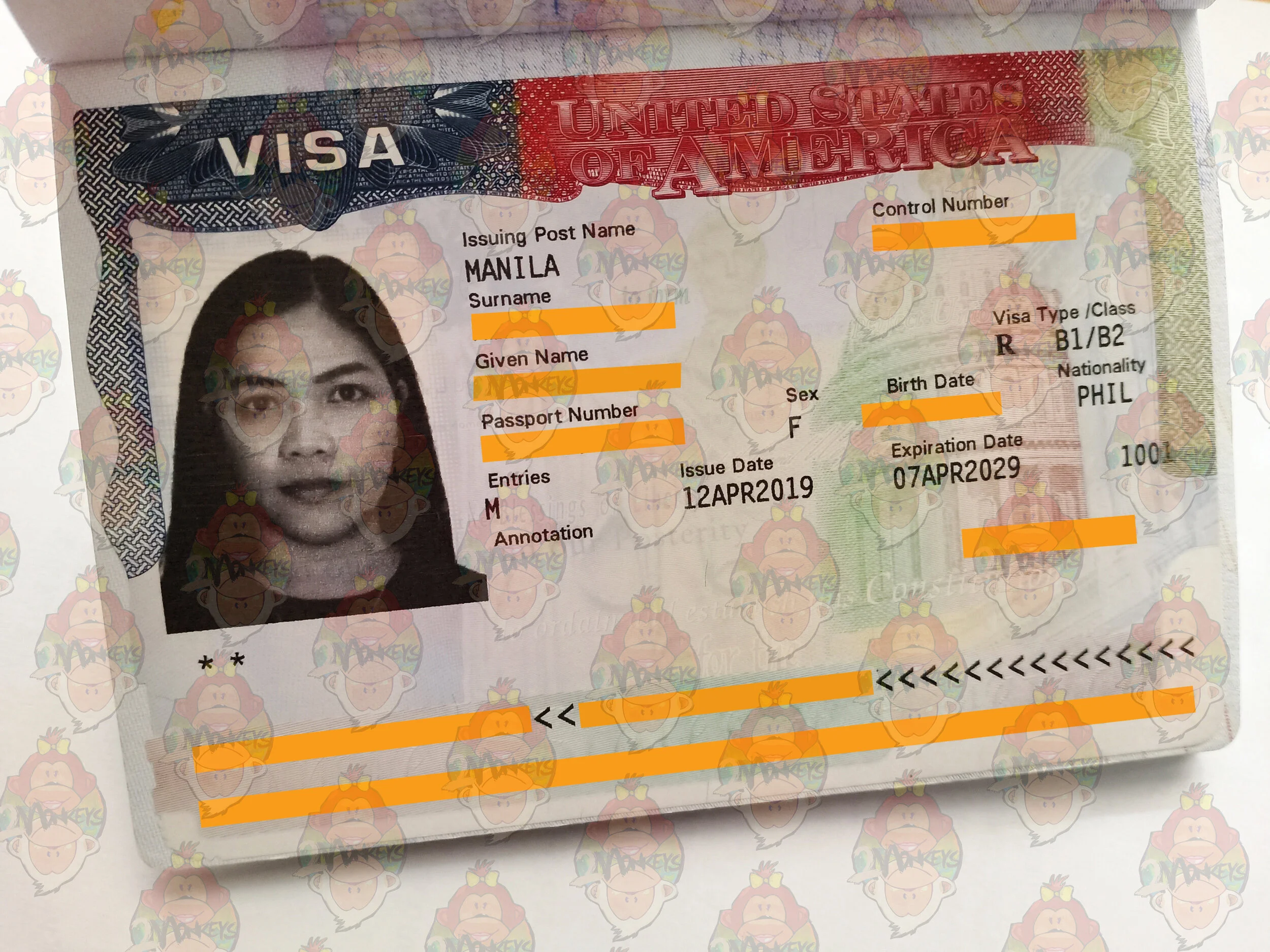
The B1/B2 visa number, often referred to as the visa foil number or visa counterfoil number, is the unique red-ink serial number located on the bottom right-hand side of your United States visa stamp. It is not the same as your passport number or your SEVIS ID; rather, it is a specific alphanumeric identifier used by the U.S. Department of State to track your individual entry document within their consular database.
Decoding the Visa Document
When you are issued a B1/B2 visa, the document placed inside your passport is officially known as a "foil." This foil contains a significant amount of biographical and administrative data. Understanding where to locate specific information on this document is crucial for filling out subsequent immigration forms, booking international travel, or verifying your status with government agencies.
The visa number is distinct from other identifiers on the page. While your passport number identifies the physical travel document issued by your country of citizenship, the visa number specifically identifies the entry authorization granted by the United States government. If you hold multiple visas in one passport, each will have a unique foil number. This number is typically eight digits long, though formatting can vary slightly based on the printing technology used at the specific U.S. Embassy or Consulate where the visa was issued.
Where to Find Your Visa Number
To locate your visa number, open your passport to the page where the U.S. visa is affixed. Look toward the bottom right corner of the foil. You will see a series of numbers printed in red ink. This is your visa foil number.
It is common for applicants to confuse the visa number with the control number or the SEVIS ID (for student visas). Note that the visa number is distinct because it is physically stamped onto the foil in a specific color, setting it apart from the black printed text that includes your name, date of birth, and visa class. When completing online forms like the DS-160 or checking your travel eligibility, ensure you are transcribing this specific red-ink number accurately, as an error here can cause delays in your application processing or issues at the Port of Entry.
The Role of the B1/B2 Classification
The B1/B2 category is a combined classification for non-immigrant visitors to the United States. It is important to understand what these two components represent and how they function under a single visa number:
- B1 Classification: Designed for business visitors. This includes individuals attending scientific, educational, professional, or business conventions, consulting with business associates, or settling an estate.
- B2 Classification: Designed for tourism and medical treatment. This covers vacations, visiting friends or relatives, medical treatment, and participation in social events.
Because most U.S. consulates issue a combined "B1/B2" visa, you generally do not need separate documents for business and tourism. Your single visa number grants you the flexibility to enter the U.S. for both purposes, provided that you adhere to the specific activities permitted under each sub-category. Always remember that the visa itself is a permit to travel to a U.S. port of entry and request admission; the final decision regarding your entry and the duration of your stay is made by Customs and Border Protection (CBP) officers at the border.
Comparison of Key Visa Identifiers
The following table outlines the differences between the various numbers you may encounter on your travel and identity documents.
| Identifier | Location | Purpose |
|---|---|---|
| Visa Number | Bottom right of the visa foil (Red Ink) | Identifies the specific visa record in the State Department system. |
| Passport Number | Typically top right or bottom of the ID page | Identifies your official travel document issued by your home country. |
| Control Number | Often found near the bottom or center of the foil | An internal administrative tracking number for embassy processing. |
| I-94 Number | Issued electronically by CBP upon entry | Records your actual arrival and departure dates and authorized stay duration. |
Importance of Accuracy in Official Forms
Maintaining accurate records of your visa number is essential for several administrative processes. If you apply for a global entry program, a transit visa, or a renewal of your current B1/B2 visa, you will be required to provide the foil number of your previous or current visa.
Using an incorrect number can result in a "mismatch" error in the U.S. government’s database. In 2026, many automated systems cross-reference visa foil numbers with entry/exit data. A discrepancy does not necessarily imply fraud, but it will almost certainly trigger a manual review, which can extend the processing time of your applications or cause unnecessary questioning during secondary inspection at an airport. Always keep a digital scan or a high-quality photocopy of your visa page for your records.
Troubleshooting Missing or Unclear Numbers
In some instances, the red-ink serial number may become faded, smeared, or partially obscured due to passport wear and tear. If you find yourself in this situation, follow these guidelines:
- Examine under light: Sometimes, light reflecting off the ink can make it difficult to read. Use a bright, indirect light source to confirm the digits.
- Use a magnifying glass: If the print is small or blurred, a standard magnifying glass can help distinguish between similar digits, such as 0 and O, or 1 and 7.
- Check your DS-160 confirmation: If you still have the PDF confirmation page of your original DS-160 application, check your records. While the visa number is assigned after the application, if you have ever renewed your visa online or updated your profile on the official U.S. travel document portal, that account often stores the history of your visa numbers.
- Contact the Issuing Embassy: If the number is truly illegible, do not guess. Contact the U.S. Embassy or Consulate that issued the visa. They keep records of all issued documents and can assist in verifying your foil number.
Frequently Asked Questions
Does the B1/B2 visa number change if I renew my passport? No. Your visa foil is physically attached to your passport. When your passport expires, your visa remains valid until its expiration date (provided you carry both the old passport containing the visa and your new, valid passport). You do not receive a new visa number simply by getting a new passport; the number is tied to the foil itself, not the passport document.
Is the visa number the same as my I-94? No. The I-94 is a record of your admission, which is separate from the visa document. The visa allows you to travel to the border, while the I-94 (which is now mostly electronic) tracks the details of your actual stay in the United States. You can view your I-94 history on the official CBP website using your passport information.
What should I do if my visa is lost or stolen? If your passport containing your B1/B2 visa is lost or stolen, you must report it immediately to the local police and the nearest U.S. Embassy or Consulate. Because the visa is a sensitive security document, you will likely need to apply for a replacement visa. You will not be able to simply "reprint" the visa number.
Can I use the visa number to check my visa status? While the visa number is used to verify the document's authenticity, you cannot use it alone to "track" your status. To check the status of a pending visa application, you typically need the application ID generated when you submitted your DS-160, along with the location where you had your interview.
Does a visa number guarantee entry into the United States? No. A visa provides the holder with permission to travel to a U.S. port of entry and request permission to enter. The final determination of admissibility is always made by an officer of the Customs and Border Protection agency at the time of your arrival.
Recommended Next Steps
If you are currently planning travel, take a moment to verify that your visa foil is clearly legible and that the red-ink number matches your records. If you are preparing for a trip, double-check your visa expiration date against your intended return date. While the U.S. does not strictly require six months of validity for the visa itself (as long as it is valid for the duration of your stay), your passport must generally be valid for at least six months beyond your intended period of stay.
Should you encounter any discrepancies regarding your visa documentation, visit the official website of the U.S. Department of State or the specific U.S. Embassy where you received your visa. Official government resources are the only authoritative source for correcting information or addressing concerns about your travel documents.