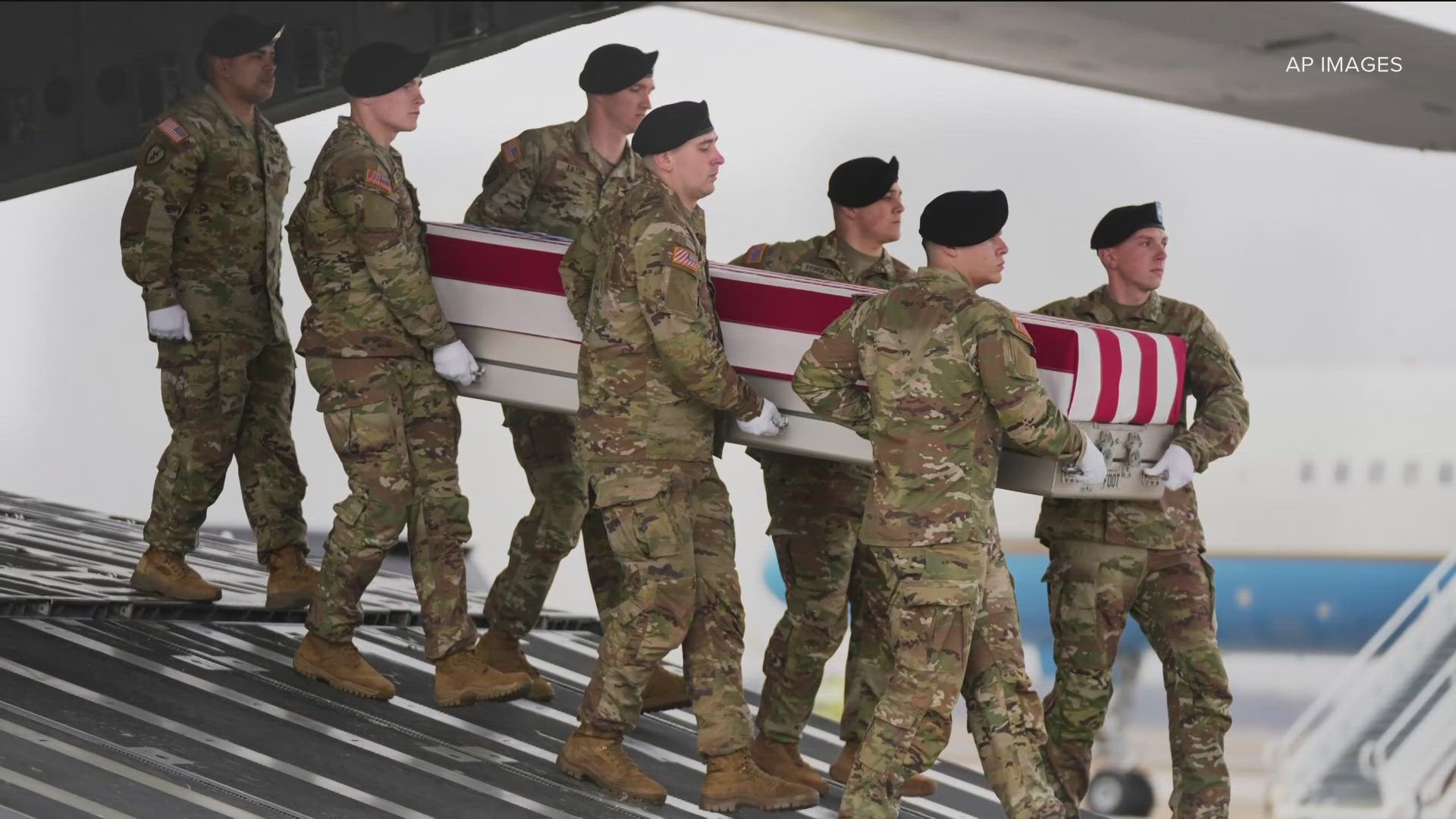
The rank of Sergeant First Class (SFC), or E-7, represents a critical level of senior non-commissioned officer leadership within the United States Army. Personnel holding this rank, such as a Sergeant First Class like Nicole M. Amor, are responsible for the direct supervision, mentorship, and professional development of junior enlisted soldiers, serving as the bridge between lower-ranking enlisted personnel and the commissioned officer corps.
The Significance of the Sergeant First Class Rank
In the hierarchy of the United States Army, the rank of Sergeant First Class (SFC) is the first of the senior non-commissioned officer (NCO) grades. It is a position that carries significant weight, requiring not only technical proficiency in a specific Military Occupational Specialty (MOS) but also high-level interpersonal and administrative leadership skills.
A Sergeant First Class is typically referred to as "Platoon Sergeant." In this capacity, they are the primary advisor to the platoon leader—a junior officer who often relies on the SFC’s years of experience to manage the platoon’s daily operations, training, and welfare. The effectiveness of an Army platoon is fundamentally tied to the relationship between the platoon leader and the Sergeant First Class; while the officer sets the intent and mission, the SFC ensures the execution is precise, safe, and disciplined.
Key Responsibilities and Duties
The duties of a Sergeant First Class are multifaceted and evolve based on the specific branch, unit type (infantry, armor, medical, support, etc.), and operational environment. However, several core pillars define the position:
Training and Readiness
One of the primary objectives of an SFC is ensuring that the soldiers under their command are prepared for any contingency. This involves overseeing physical fitness training, weapons qualification, and specialized technical drills. An SFC is responsible for maintaining the combat readiness of every soldier in their unit, tracking equipment maintenance, and ensuring that training exercises align with the commander’s broader objectives.
Professional Development and Mentorship
An SFC is tasked with the career progression of junior NCOs and enlisted soldiers. This includes conducting performance evaluations (such as the NCOER or NCO Evaluation Report), providing guidance on professional military education (PME), and teaching leadership philosophy. The mentorship provided at this level often determines whether a soldier chooses to continue their service or transition into civilian life.
Administrative Oversight
The administrative load for a Sergeant First Class is substantial. They must ensure that personnel records are accurate, leave requests are processed correctly, and medical or disciplinary issues are handled according to Army regulations. Their role serves as the first line of accountability for the soldiers within the unit.
The Path to Reaching E-7 Status
Reaching the rank of Sergeant First Class is a milestone that requires years of dedicated service, consistent performance, and continuous education. It is not an automatic promotion based on time-in-service; it is a merit-based selection process.
- Promotion Boards: Candidates must appear before a promotion board, where they are evaluated by senior NCOs on their military knowledge, appearance, and leadership potential.
- Professional Military Education (PME): Soldiers must complete the Advanced Leader Course (ALC) and eventually the Senior Leader Course (SLC) to remain competitive for promotion. These courses emphasize tactical, technical, and operational leadership.
- Performance Records: A soldier’s evaluation reports, physical fitness scores, and marksmanship ratings are scrutinized. A track record of excellence in previous roles, such as Team Leader or Squad Leader, is essential.
- Time in Grade/Service: There are strict regulatory requirements regarding how long a soldier must serve at lower ranks before being eligible for consideration for SFC.
Technical Proficiency and Military Specialization
The role of a Sergeant First Class is inherently linked to their specific job or MOS. Whether they are in a logistics, intelligence, communications, or combat arms role, they are expected to be the subject matter expert (SME).
The following table illustrates the typical progression and comparative responsibilities of NCO ranks:
| Rank | Title/Role | Core Focus |
|---|---|---|
| SGT (E-5) | Team Leader | Direct supervision of 3–5 soldiers |
| SSG (E-6) | Squad Leader | Squad-level training and operations |
| SFC (E-7) | Platoon Sergeant | Platoon-level logistics, training, and leadership |
| MSG (E-8) | First Sergeant | Company-level administration and NCO leadership |
Note: This table represents general infantry/combat arms structures; administrative roles may vary.
Leadership Challenges in a Modern Environment
As of 2026, the United States Army operates in an increasingly complex global landscape. For a Sergeant First Class, this means adapting to new technologies, decentralized command structures, and diverse operational theaters.
One of the greatest challenges for modern leaders at the SFC level is the integration of high-tech digital systems into tactical training. Soldiers must be proficient not only in traditional soldiering skills but also in managing cyber-security, data-driven logistics, and modern communication platforms. An SFC must effectively translate these technical requirements into actionable training for their subordinates.
Furthermore, the mental and physical well-being of soldiers remains a top priority. Sergeant First Classes are the frontline observers for signs of stress, fatigue, or operational burnout. They are trained to identify these issues early and provide access to the appropriate support resources, such as behavioral health services or family readiness programs.
Verification of Service and Public Records
Individuals searching for records related to specific service members, such as "1 sgt 1st class nicole m amor," often seek to verify military status, awards, or assignment history. It is important to understand the protocols regarding this information:
- FOIA Requests: Under the Freedom of Information Act (FOIA), the public may request certain military records from the National Personnel Records Center (NPRC). However, privacy laws (such as the Privacy Act of 1974) protect sensitive personal information.
- Public Recognition: Official Army press releases, award citations published in the Federal Register, or military newspaper articles (such as Army Times or unit-specific bulletins) are the standard sources for verifying notable achievements or specific career milestones.
- Verification Constraints: Personal service records are generally not available to the public. If you are conducting research for historical or genealogical purposes, focus on official public repositories rather than unauthorized third-party background check websites.
Frequently Asked Questions
What is the primary difference between a Sergeant First Class and a First Sergeant?
While both are senior NCOs, a Sergeant First Class (SFC) is typically the Platoon Sergeant who handles the daily operations of a platoon. A First Sergeant (1SG) is the senior NCO of a company, responsible for the well-being and discipline of a much larger group of soldiers and acting as the commander's primary advisor on all enlisted matters.
Does a Sergeant First Class have the authority to issue orders to junior officers?
A Sergeant First Class has the authority to issue orders to soldiers junior to them in rank. While they do not outrank commissioned officers, the Army culture dictates that a senior NCO’s experience is respected, and they exercise significant delegated authority from the unit commander. In many tactical situations, a platoon leader will defer to the SFC's technical and tactical expertise.
How does an SFC influence the culture of a unit?
The SFC is the primary "culture carrier" for a unit. Through their daily interactions, they set the standard for discipline, appearance, and morale. By modeling the "Be, Know, Do" leadership philosophy, they instill the Army Values—Loyalty, Duty, Respect, Selfless Service, Honor, Integrity, and Personal Courage—into the junior soldiers they mentor.
Can a Sergeant First Class be deployed in a non-combat role?
Yes. The Army utilizes SFCs in a wide variety of roles, including instructors at training centers, recruiters for the U.S. Army Recruiting Command, drill sergeants, and administrative support roles at the Pentagon or combatant command headquarters. The rank is found in almost every branch of the Army.
How is the performance of a Sergeant First Class evaluated?
Performance is evaluated through the NCO Evaluation Report (NCOER). This is a formal, periodic assessment where a rater and a senior rater document the NCO's performance, potential for promotion, and alignment with Army standards. High ratings on the NCOER are the most critical factor for advancement to Master Sergeant (E-8) and beyond.
Recommendations for Further Research
For those looking to understand the professional life and responsibilities of an Army Sergeant First Class, the best resources are the official publications of the United States Army. Start by reviewing the Department of the Army Pamphlet 600-25, which outlines the NCO Professional Development Program.
Additionally, for inquiries regarding a specific service member's history, always prioritize official government sources. If the goal is to honor a specific individual's service, local military installations or unit public affairs offices are often the best points of contact for guidance on official records or public recognition procedures. Whether you are researching for professional growth, historical interest, or personal verification, understanding the rigorous demands placed upon an SFC provides a clear window into the backbone of the American military.