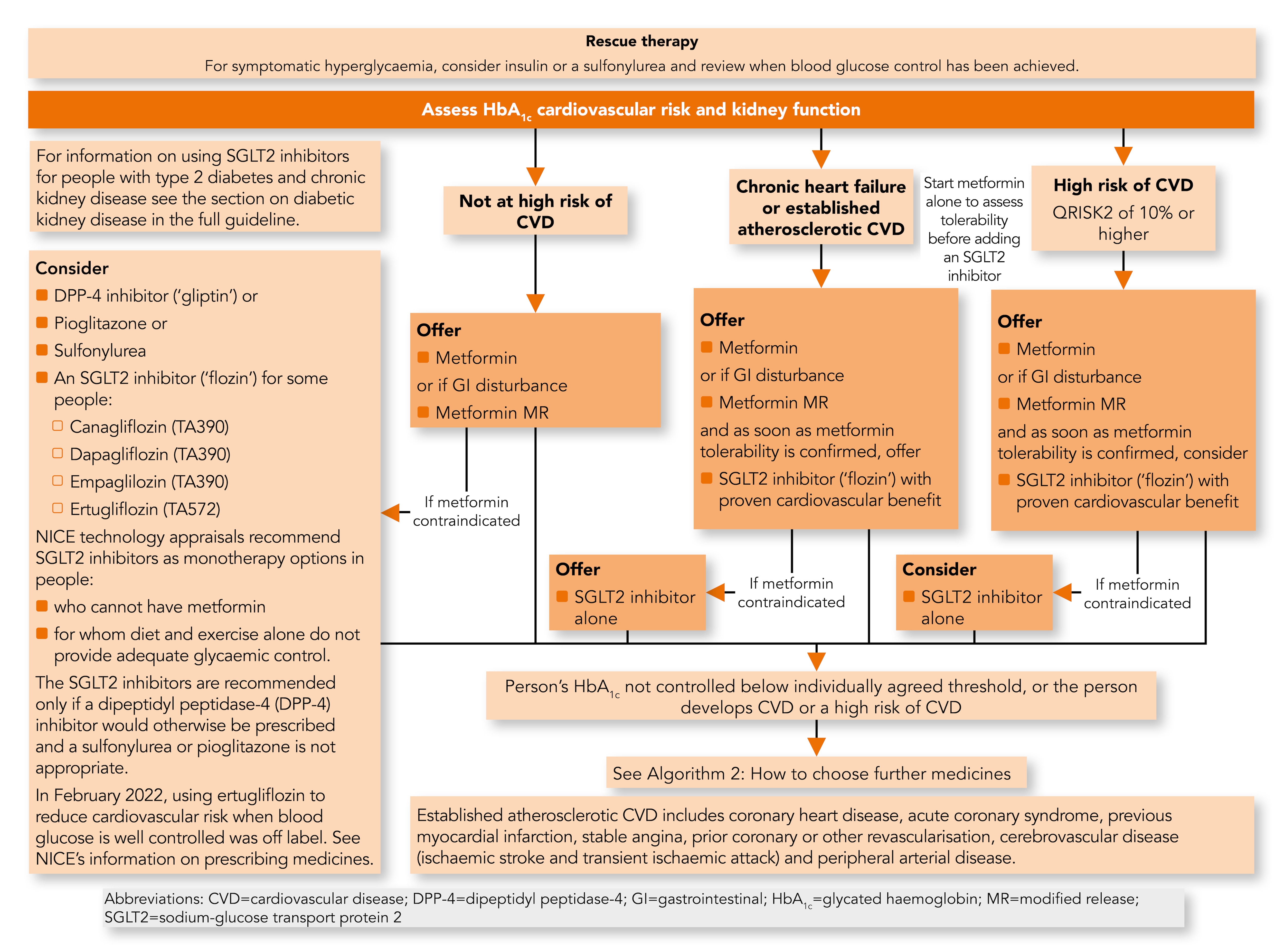
Managing type 2 diabetes frequently requires a combination of lifestyle modifications and targeted pharmacological interventions to maintain optimal glycemic control. As a progressive condition characterized by insulin resistance and relative insulin deficiency, foundational therapies like diet and exercise often need supplementation with oral or injectable medications over time. Healthcare providers select specific drug classes based on individual patient profiles, including glycemic targets, cardiovascular risk, renal function, weight management goals, and hypoglycemia risks. Understanding the diverse pharmacological options available enables patients to engage in informed discussions with their medical care teams, ensuring therapy aligns with both clinical requirements and personal lifestyle preferences.
Foundational Concepts in Type 2 Diabetes Pharmacotherapy
Type 2 diabetes mellitus is fundamentally a metabolic disorder involving two primary physiological defects: peripheral insulin resistance—where skeletal muscle, liver, and fat cells fail to respond effectively to insulin—and progressive secretory dysfunction of the pancreatic beta cells. Because the underlying pathology evolves, treatment strategies must be dynamic. Pharmacotherapy is designed to lower blood glucose levels, prevent microvascular and macrovascular complications, and minimize adverse effects such as hypoglycemia or undesired weight fluctuations.
Current clinical guidelines from organizations such as the American Diabetes Association (ADA) and the European Association for the Study of Diabetes (EASD) emphasize a patient-centered approach. Instead of a rigid, one-size-fits-all treatment escalation ladder, modern management strategies evaluate comorbid conditions. For instance, a patient with established atherosclerotic cardiovascular disease (ASCVD), heart failure, or chronic kidney disease (CKD) will often be prescribed specific medication classes proven to mitigate these risks, independent of their baseline hemoglobin A1c (HbA1c) level.
Major Oral Medication Classes
Oral medications remain the cornerstone of initial pharmacological treatment for type 2 diabetes once lifestyle interventions alone prove insufficient. Each class targets a distinct physiological pathway to lower blood glucose.
Metformin (Biguanides)
Metformin is universally recommended as the first-line pharmacological agent for type 2 diabetes unless contraindicated. It primarily functions by decreasing hepatic glucose production—primarily through the inhibition of gluconeogenesis—and improving peripheral insulin sensitivity by enhancing glucose uptake in muscle tissues.
- Benefits: Metformin is weight-neutral or modestly promotes weight loss, carries a very low risk of hypoglycemia when used as monotherapy, and is generally inexpensive. Extensive longitudinal data confirm its favorable safety profile.
- Limitations and Considerations: Common side effects are gastrointestinal, including diarrhea, nausea, and abdominal discomfort, which can often be mitigated by slow dose titration or utilizing extended-release formulations. Metformin is contraindicated in patients with severe renal impairment due to the rare risk of lactic acidosis; kidney function is monitored periodically via estimated glomerular filtration rate (eGFR).
Sulfonylureas
Sulfonylureas (e.g., glipizide, glimepiride, glyburide) are insulin secretagogues. They work by binding to ATP-sensitive potassium channels on pancreatic beta cells, closing the channels, depolarizing the cell membrane, and stimulating the release of insulin regardless of blood glucose concentrations.
- Benefits: They provide rapid and potent reductions in blood glucose and are cost-effective.
- Limitations and Considerations: Because they stimulate insulin release independently of blood glucose levels, sulfonylureas carry a significant risk of hypoglycemia (low blood sugar), particularly in older adults or individuals with irregular meal schedules. They are also associated with modest weight gain.
Meglitinides
Meglitinides (e.g., repaglinide, nateglinide) are another class of insulin secretagogues. They operate similarly to sulfonylureas by closing ATP-dependent potassium channels on beta cells, but they have a shorter half-life and a faster onset of action.
- Benefits: Taken immediately before meals, they help control postprandial (post-meal) blood glucose spikes while offering flexibility for individuals with erratic eating habits.
- Limitations and Considerations: Like sulfonylureas, they carry a risk of hypoglycemia and weight gain, though the frequency of prolonged hypoglycemia is generally lower due to their rapid clearance.
SGLT2 Inhibitors
Sodium-glucose cotransporter-2 (SGLT2) inhibitors (e.g., empagliflozin, dapagliflozin, canagliflozin) operate in the renal tubules. They block the reabsorption of filtered glucose in the kidneys, leading to urinary glucose excretion (glucosuria) and subsequent lowering of blood glucose levels.
- Benefits: SGLT2 inhibitors offer proven cardiorenal protection, significantly reducing the progression of chronic kidney disease and hospitalizations for heart failure. They also promote modest weight loss and lower blood pressure.
- Limitations and Considerations: Potential adverse effects include increased risk of mycotic genital infections, urinary tract infections, volume depletion (hypotension), and rare instances of euglycemic diabetic ketoacidosis. Renal function must be evaluated prior to initiation and monitored thereafter.
DPP-4 Inhibitors
Dipeptidyl peptidase-4 (DPP-4) inhibitors (e.g., sitagliptin, linagliptin, saxagliptin) prolong the activity of incretin hormones, such as glucagon-like peptide-1 (GLP-1) and glucose-dependent insulinotropic polypeptide (GIP). By inhibiting the enzyme DPP-4, these drugs increase insulin synthesis and release from pancreatic beta cells while suppressing glucagon secretion in a glucose-dependent manner.
- Benefits: They are weight-neutral and carry a very low risk of hypoglycemia when used as monotherapy because their action depends on blood glucose levels.
- Limitations and Considerations: They are generally well-tolerated oral agents, though post-marketing surveillance has noted rare associations with joint pain (arthralgia) and acute pancreatitis. Their overall glucose-lowering potency is often considered modest compared to SGLT2 inhibitors or GLP-1 receptor agonists.
Thiazolidinediones (TZDs)
Thiazolidinediones (e.g., pioglitazone, rosiglitazone) are peroxisome proliferator-activated receptor gamma (PPAR-$\gamma$) agonists. They primarily act on adipose tissue, skeletal muscle, and the liver to increase insulin sensitivity, altering the transcription of genes involved in glucose and lipid metabolism.
- Benefits: TZDs provide durable glycemic control and have positive effects on lipid profiles (specifically raising HDL cholesterol) and hepatic steatosis (non-alcoholic fatty liver disease).
- Limitations and Considerations: Side effects include fluid retention, peripheral edema, and weight gain. TZDs are associated with an increased risk of bone fractures and are contraindicated in patients with symptomatic heart failure (New York Heart Association Class III or IV) due to the risk of worsening fluid overload.
Injectable Medication Classes
When oral medications are insufficient to meet glycemic targets, or when specific organ protection is indicated, healthcare providers may incorporate injectable therapies into the treatment regimen.
GLP-1 Receptor Agonists
Glucagon-like peptide-1 receptor agonists (e.g., dulaglutide, semaglutide, liraglutide) mimic the physiological effects of endogenous incretin hormones. They stimulate glucose-dependent insulin secretion, inhibit glucagon secretion, slow gastric emptying, and promote central satiety in the brain.
- Benefits: GLP-1 receptor agonists provide robust reductions in HbA1c and substantial weight loss. Many agents in this class have demonstrated significant cardiovascular and renal risk reductions, making them preferred agents for patients with established atherosclerotic cardiovascular disease or high risk factors.
- Limitations and Considerations: Most GLP-1 receptor agonists are administered via subcutaneous injection (ranging from daily to weekly formulations), though an oral formulation of semaglutide is also available. Common side effects are gastrointestinal, including nausea, vomiting, diarrhea, and constipation, which are typically minimized by starting at a low dose and titrating slowly. Rare concerns include gallbladder disease and pancreatitis; they carry a boxed warning regarding thyroid c-cell tumors based on rodent studies.
Insulin Therapy
Insulin remains the most potent glucose-lowering therapy available and is essential for individuals with advanced beta-cell failure, type 1 diabetes, or specific acute clinical scenarios (such as severe hyperglycemia, hospitalization, or surgery). Insulin formulations are categorized by their onset, peak, and duration of action.
Basal Insulin: Long-acting or ultra-long-acting insulins (e.g., glargine, detemir, degludec) provide a steady, baseline level of insulin over 24 hours to control hepatic glucose production between meals and overnight.
Prandial Insulin: Rapid-acting or short-acting insulins (e.g., lispro, aspart, glulisine, regular) are administered before meals to blunt postprandial glucose excursions.
Premixed Insulins: Combinations of intermediate-acting and rapid- or short-acting insulins provide both basal and prandial coverage in a single injection, though they offer less dosing flexibility.
Benefits: Insulin can achieve glycemic targets regardless of residual beta-cell function.
Limitations and Considerations: The primary risks associated with insulin therapy are hypoglycemia and weight gain. Initiation and titration require patient education regarding self-monitoring of blood glucose, injection technique, and carbohydrate counting.
Comparison of Type 2 Diabetes Medication Classes
| Medication Class | Primary Mechanism | Average HbA1c Reduction | Effect on Weight | Hypoglycemia Risk | Key Organ/Clinical Benefits |
|---|---|---|---|---|---|
| Metformin | Decreases hepatic glucose output; improves insulin sensitivity | High (1.0% – 1.5%) | Neutral / Modest Loss | Very Low | Broad safety profile; inexpensive |
| Sulfonylureas | Stimulates pancreatic insulin secretion | High (1.0% – 1.5%) | Gain | Moderate to High | Inexpensive; rapid glucose lowering |
| SGLT2 Inhibitors | Increases urinary glucose excretion via kidneys | Moderate (0.5% – 0.9%) | Loss | Very Low | Cardiorenal protection (heart failure, CKD) |
| DPP-4 Inhibitors | Prolongs incretin activity to enhance insulin release | Modest (0.5% – 0.8%) | Neutral | Very Low | Weight neutral; well-tolerated |
| GLP-1 Receptor Agonists | Mimics incretins; slows gastric emptying; increases satiety | Very High (1.0% – 1.8%+) | Significant Loss | Very Low | Cardiovascular and renal risk reduction |
| Insulins | Replaces or supplements endogenous insulin | Highest (> 2.0%) | Gain | High | Universal glucose-lowering efficacy |
Patient-Centered Selection and Clinical Decision-Making
Choosing the appropriate medication regimen requires a collaborative decision-making process between the patient and their healthcare team. Clinical guidelines advise evaluating several distinct domains before finalizing a treatment plan:
- Glycemic Efficacy: The baseline HbA1c level and the magnitude of reduction required to reach the individualized target dictate whether monotherapy or combination therapy is necessary.
- Comorbidity Profile: The presence or absence of cardiorenal disease heavily influences drug selection. Patients with established heart failure or chronic kidney disease benefit significantly from SGLT2 inhibitors or GLP-1 receptor agonists, independent of baseline glucose levels.
- Hypoglycemia Risk: Occupations involving safety-sensitive tasks, advanced age, or a history of unacknowledged hypoglycemia (hypoglycemia unawareness) steer clinicians away from secretagogues and insulin toward weight-neutral, low-risk agents.
- Weight Management: Given the strong epidemiological link between obesity and type 2 diabetes, medications that promote weight loss (such as GLP-1 receptor agonists and SGLT2 inhibitors) are frequently prioritized over weight-neutral or weight-gaining alternatives.
- Cost and Access: Formulary coverage, insurance restrictions, out-of-pocket expenses, and patient financial constraints are practical realities that directly impact medication adherence and long-term therapeutic success.
Frequently Asked Questions
Can type 2 diabetes medications be stopped if blood sugar levels normalize?
Type 2 diabetes is generally a progressive condition. While intensive lifestyle modifications and initial pharmacotherapy can successfully normalize HbA1c levels, stopping medication entirely often leads to a gradual return of hyperglycemia. Any adjustment, reduction, or discontinuation of pharmacological therapy must be managed and monitored strictly under the guidance of a healthcare professional.
Why is metformin almost always prescribed first?
Metformin has decades of robust clinical safety data, effectively lowers blood glucose without causing hypoglycemia when used alone, is weight-neutral, and is highly cost-effective. Furthermore, it has a well-established history of reducing diabetes-related macrovascular complications, making it the internationally recognized standard of initial care.
Do all diabetes medications cause weight gain?
No. While older agents like sulfonylureas, TZDs, and insulin frequently cause weight gain, other classes are weight-neutral (such as DPP-4 inhibitors) or actively promote weight loss (such as GLP-1 receptor agonists and SGLT2 inhibitors). Weight effects are a critical consideration when tailoring regimens to individual metabolic health goals.
What is the difference between basal and prandial insulin?
Basal insulin is a long-acting formulation designed to manage baseline glucose levels and suppress hepatic glucose output over a 24-hour period, especially overnight and between meals. Prandial insulin consists of rapid- or short-acting formulations taken immediately before meals to control the acute rise in blood glucose resulting from carbohydrate digestion.
How do SGLT2 inhibitors protect the kidneys?
SGLT2 inhibitors reduce intraglomerular pressure—the hydraulic pressure inside the filtering units of the kidneys. By decreasing this hyperfiltration and lowering systemic blood pressure, they slow the structural damage and progressive decline associated with diabetic kidney disease over time.
Disclaimer: This article is for informational and educational purposes only and does not constitute medical advice, diagnosis, or treatment. Always consult a qualified healthcare provider regarding any questions or concerns about a medical condition or therapeutic regimen.