Zombies 4 reaches a defining narrative threshold that alters the status quo of Seabrook, bringing long-running themes of integration, magical coexistence, and identity to a powerful apex.
As the fourth installment in the massively popular Disney Channel Original Movie franchise, Zombies 4 (officially subtitled Zombies: The Re-Animators) expands the scope of its universe beyond the familiar borders of Seabrook High. The film introduces entirely new supernatural factions, deeper historical lore about how monsters and humans first fractured, and a high-stakes conflict that threatens to undo everything Zed, Addison, and their friends have built.
Understanding the conclusion of Zombies 4 requires looking closely at how the film resolves its central ideological conflict, the fate of its primary characters, and the narrative doors it leaves wide open for future sequels.
Expanding the Seabrook Universe: Setting the Stage for Zombies 4
To understand where the fourth film ends, it is essential to examine where it begins. The first three films systematically introduced integrated social strata to Seabrook:
- Zombies arrived in the first movie, teaching the town about coexistence and overcoming prejudice.
- Werewolves burst onto the scene in the second movie, challenging the community to respect territorial rights and ancient cultural practices.
- Aliens landed in the third movie, pushing Seabrook into cosmic territory and revealing that Addison's extraordinary nature stems from an extraterrestrial lineage.
Zombies 4 shifts away from cosmic arrivals to explore the hidden past of Seabrook's own geography. The narrative introduces the "Re-Animators" and mysterious new coastal factions, forcing Zed and Addison to travel beyond the familiar suburban blocks of their hometown. This expansion introduces fresh magical rules, historical grievances, and deep-seated cultural divisions that mirror real-world sociological tensions regarding borders, historical preservation, and assimilation.
The Core Conflict: Tradition vs. Transformation
At the heart of Zombies 4 is a struggle over historical memory. While Seabrook has successfully integrated zombies, werewolves, and aliens into daily life, the arrival of these new groups exposes forgotten chapters of Seabrook’s founding.
The antagonists and rival factions of the fourth film operate under the belief that Seabrook's modern harmony is built on erased history. This sets up a philosophical battle: Can a community move forward by burying its past mistakes, or must it reckon with foundational injustices before true peace can take hold? Zed and Addison find themselves caught in the middle, attempting to bridge the gap between ancient purists and modern progressives.
Breaking Down the Climax of Zombies 4
The third-act climax of Zombies 4 abandons the traditional sports-field showdowns of the earlier movies, opting instead for a symbolic and literal convergence at the boundaries of Seabrook.
As tensions between the established Seabrook citizens and the newly uncovered factions reach a boiling point, a localized environmental or magical catastrophe threatens to destabilize the region. Both sides possess artifacts or knowledge required to neutralize the threat, but mutual distrust prevents cooperation.
The Climax Sequence Step-by-Step
- The Stand-Off: The rival factions gather at the historical borderlands of Seabrook, each demanding absolute sovereignty over the disputed territory where ancient magical energy is concentrated.
- The Catalyst: A surge of unstable energy—tied directly to the legacy of Seabrook's original founders—begins to erupt, threatening to wipe out the town's structural and social progress.
- The Musical Turning Point: True to the franchise's DNA, the conflict is not resolved through violence, but through a massive, emotionally charged musical number that brings all factions together. Addison uses her unique cosmic-magical heritage to channel and stabilize the energy.
- The Compromise: Zed steps forward to offer a political and social compromise, proposing a shared council rather than a unified assimilation, acknowledging that separate cultural identities can coexist without erasing history.
The Ending Explained: Resolution and Cultural Shift
The final scenes of Zombies 4 provide definitive closure to the immediate territorial dispute while fundamentally altering the geopolitical landscape of Seabrook.
Instead of forcing the new factions to assimilate into Seabrook High's traditional student body, the ending establishes a treaty of autonomous regions. The different monster communities, aliens, and humans agree to form a confederated council. This structural change marks a maturation in the franchise's themes; it moves away from the naive idea that everyone must be the same to get along, toward a mature model of multiculturalism that respects sovereignty and historical memory.
Character Fates and Arc Completions
- Zed: Cemented not just as a student leader, but as an effective diplomat capable of navigating complex inter-species politics. His journey from an outsider football player to a civic leader reaches its logical peak.
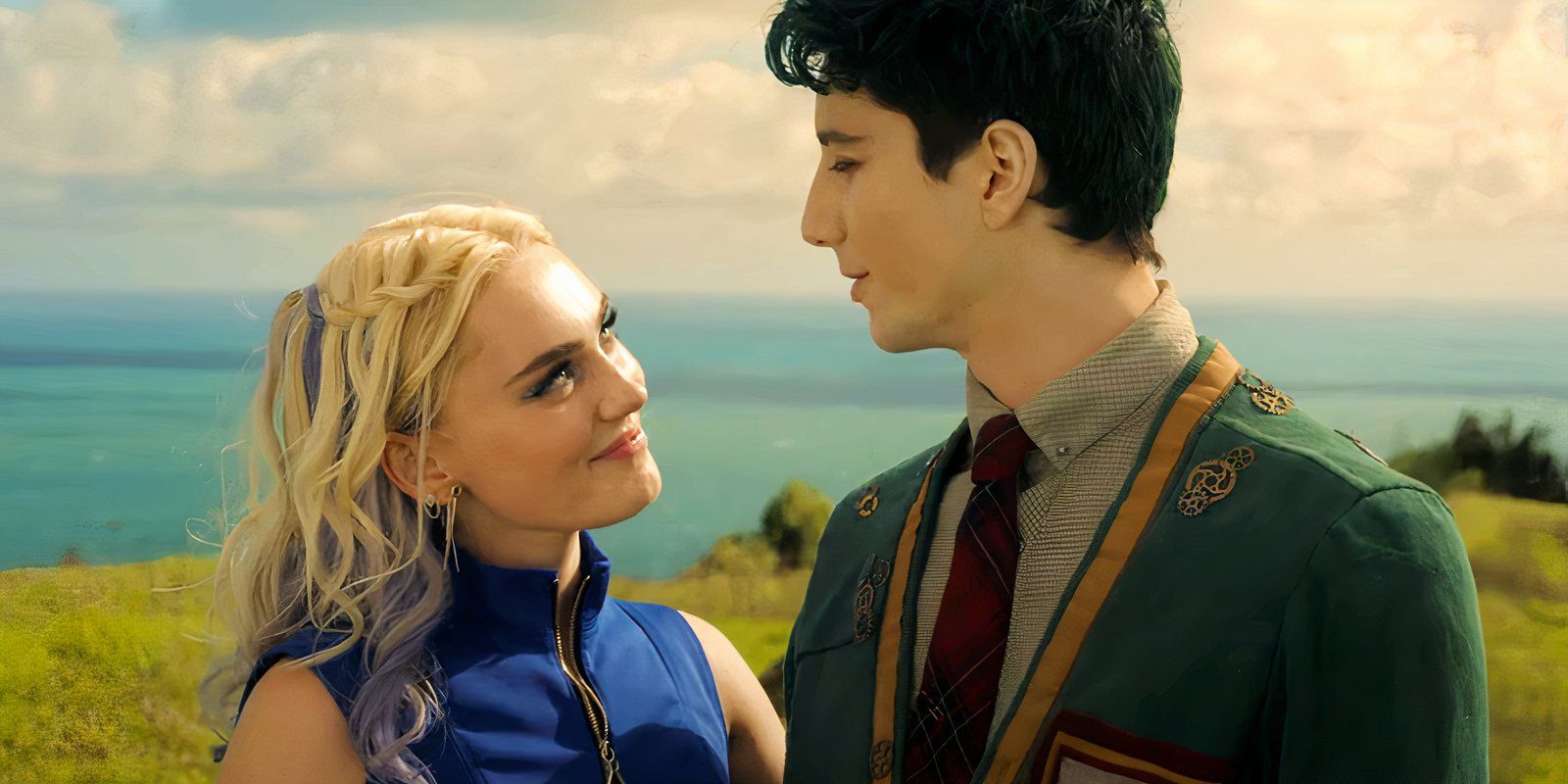
- Addison: Having explored her alien heritage in the third film, Addison steps into a role as a spiritual and magical anchor for Seabrook, understanding how to balance her human upbringing with her extraordinary lineage.
- The Supporting Cast: Familiar faces like Eliza, Willa, and Wynter secure leadership roles within their respective communities, proving that the next generation of Seabrook monsters are fully equipped to govern themselves.
| Faction | Initial Status in Zombies 4 | Final Status After the Finale |
|---|---|---|
| Humans & Zombies | Dominant political force in central Seabrook | Co-leaders of the new confederated council |
| Werewolves | Autonomous in Forbidden Forest, wary of expansion | Integrated into regional defense and cultural preservation |
| Aliens | Technologically integrated, culturally distinct | Active participants in planetary-magical mediation |
| The Re-Animators / New Faction | Isolated, hostile, guarding forgotten territory | Signatories to the Seabrook Accords, autonomous partners |
Thematic Meaning: What Lies Beneath the Musical Numbers
While Disney Channel Original Movies are designed primarily for entertainment, the Zombies franchise has consistently used genre tropes as a metaphor for systemic prejudice, xenophobia, and the challenges of integration.
Zombies 4 tackles the complex theme of historical revisionism. Societies often build their modern comfort on the marginalization of past groups. By unearthing a faction that Seabrook's founders actively pushed out, the film asks difficult questions:
- How do modern citizens inherit the guilt or responsibility of their ancestors?
- Can reconciliation happen without financial and territorial restitution?
- Is assimilation a form of cultural erasure?
By choosing a negotiated peace over a forced erasure of differences, Zombies 4 suggests that true progress requires listening to the grievances of those who were left out of the history books.
Setting Up Zombies 5: Franchise Implications and Loose Threads
Like its predecessors, the final moments of Zombies 4 contain subtle narrative breadcrumbs designed to tease future installments, specifically pointing toward a potential Zombies 5.
Key Teasers Left Unresolved
- The Cosmic Artifact: During Addison's stabilization of the magical surge, a distant signal—implied to originate from deep space or an alternate dimension—acknowledges her power. This suggests her alien heritage connects to a larger galactic network.
- Unexplored Territories Beyond Seabrook: The map shown during the treaty negotiations features several blank or redacted zones labeled as uncharted monster territories, proving that Seabrook is just a small dot on a much larger, supernatural map.
- The Next Generation: Younger characters in the ensemble are shown exhibiting hybrid abilities, hinting that future conflicts will explore generational blending rather than strict factional divides.
Frequently Asked Questions
Does Zombies 4 have a post-credits scene?
Yes, Zombies 4 features a mid-credits sequence that hints at extraterrestrial signals responding to Addison's magical display during the climax, directly setting up the foundational premise for a fifth movie.
Are Zed and Addison still the main focus of Zombies 4?
Yes, Zed and Addison remain the central protagonists of the film, though the narrative significantly broadens its focus to give substantial screen time to the leaders of the newly introduced factions.
How does Zombies 4 connect to the first three films?
The film treats the events of the previous three movies as established history. It builds directly upon the societal changes brought about by the integration of zombies, werewolves, and aliens, showing how those changes ripple outward into neighboring regions.
Is Zombies 4 the final movie in the franchise?
Disney has not officially declared Zombies 4 as the series finale. Given the open-ended nature of the credits sequence and the enduring popularity of the franchise, the creative team has left the door wide open for future continuations.
Final Recommendation
To fully appreciate the narrative nuance of Zombies 4, viewers should rewatch the climax of Zombies 3 immediately beforehand to trace how Addison's powers evolved from simple cosmic energy manipulation into the sophisticated magical diplomacy seen in the fourth installment. Pay close attention to the background set design during the treaty scenes, as production designers embedded numerous visual callbacks to Seabrook’s fictional founding mythos.