Replacing the battery in a 2014 Ford Escape is a straightforward maintenance task that can save you significant costs compared to professional service. Accessing the battery requires navigating the specialized placement beneath the cowl tray at the rear of the engine bay, necessitating the removal of the air filter housing and specific trim components to reach the terminals safely.
Understanding the 2014 Ford Escape Battery Configuration
The 2014 Ford Escape was engineered with a compact engine bay layout to accommodate various powertrain options, including the 1.6L, 2.0L, and 2.5L engines. Unlike traditional vehicle designs where the battery is easily accessible at the front or side of the engine compartment, the 2014 model tucks the battery deep toward the rear, near the windshield cowl. This design choice complicates the replacement process, as it mandates the removal of the air cleaner assembly to provide the necessary clearance for lifting the battery out of its tray.
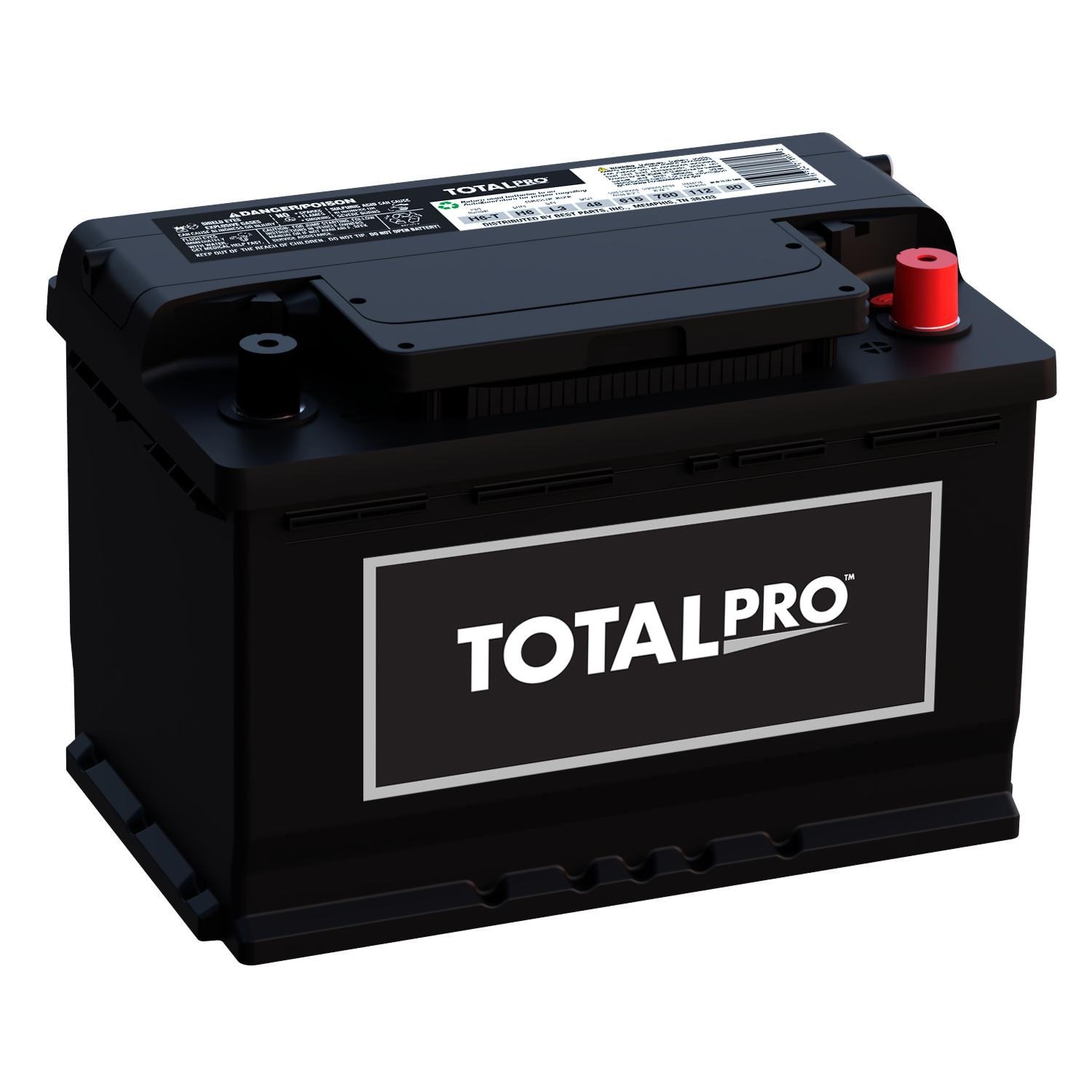
Before beginning, it is essential to identify the correct battery group size for your specific engine configuration. Most 2014 Ford Escapes utilize a BCI Group Size 96R or 48 (H6) battery, but you should verify this against your owner’s manual or the label on your existing battery. Using the incorrect size can lead to improper hold-down fitment or terminal alignment issues, both of which pose safety risks.
Necessary Tools and Preparation
Safety must be your primary focus when handling automotive lead-acid batteries. These components contain sulfuric acid and can release hydrogen gas, particularly if damaged or short-circuited. Before starting, ensure you have the following tools and safety equipment ready:
- 10mm Socket and Ratchet: Used for terminal nuts and the battery hold-down clamp.
- 8mm Socket or Flathead Screwdriver: Necessary for removing the air intake duct clamps.
- Work Gloves and Safety Glasses: To protect against battery acid and potential sparks.
- Battery Terminal Brush: Useful for cleaning corrosion off the cables.
- Memory Saver (Optional but Recommended): A device that plugs into the OBD-II port to maintain electronic settings (like radio presets and powertrain control module memory) while the battery is disconnected.
- Socket Extension: A 6-inch extension is often required to reach the battery hold-down bolt located at the base of the battery.
Always work in a well-ventilated area. Remove any metallic jewelry, such as rings or watches, to prevent accidental short-circuiting against the frame or terminals.
Step-by-Step Replacement Procedure
1. Preparing the Workspace
Ensure the engine is off, the parking brake is engaged, and the ignition key is removed. Open the hood and locate the air cleaner housing. You will need to detach the intake tube by loosening the 8mm worm-gear clamp. Carefully move the tube out of the way. Unclip the air box lid, remove the air filter, and then remove the plastic lower air box assembly. This usually involves pulling it straight up, as it is often held in place by rubber grommets.
2. Disconnecting the Terminals
Always disconnect the Negative (Black/-) cable first. This prevents the possibility of a short circuit if your wrench accidentally touches the vehicle’s metal frame while you are loosening the Positive (Red/+) terminal. Once the negative cable is off, tuck it aside so it cannot accidentally touch the post. Proceed to disconnect the positive terminal. Inspect the cable ends for green or white powdery corrosion; if present, clean them with a wire brush or a mixture of baking soda and water before installing the new battery.
3. Removing the Hold-Down and Battery
Locate the battery hold-down bracket at the base of the battery. This bolt is typically located in a tight space. Use your 10mm socket and extension to remove the bolt and the wedge-shaped bracket. Once the hold-down is removed, carefully lift the battery out. Given the restricted space, you may need to tilt the battery slightly; exercise caution as automotive batteries are heavy and contain acid.
4. Installing the New Battery
Place the new battery into the tray, ensuring the positive and negative posts are oriented correctly to match your cable positions. If you install it backward, the cables will not reach. Reinstall the hold-down bracket and tighten the bolt securely; a loose battery can vibrate, causing internal damage to the plates or disconnecting terminals while driving.
5. Reconnecting the Terminals
Reconnect the Positive (Red/+) terminal first, tightening it securely. Then, connect the Negative (Black/-) terminal. You may notice a small spark—this is normal as electrical modules initialize. Tighten the negative nut until the terminal is immobile when you try to wiggle it by hand. Reassemble the air cleaner housing, replace the air filter, and secure the intake duct with the 8mm clamp.
Comparative Battery Considerations
Choosing the right replacement battery affects your vehicle's performance in extreme temperatures and the longevity of your electrical system.
| Battery Feature | Flooded Lead-Acid (Standard) | Absorbed Glass Mat (AGM) |
|---|---|---|
| Cost | Budget-friendly | Premium |
| Durability | Standard vibration resistance | High vibration resistance |
| Cycle Life | Moderate | Superior deep-cycling |
| Suitability | Daily driving, mild climates | Start-stop systems, cold climates |
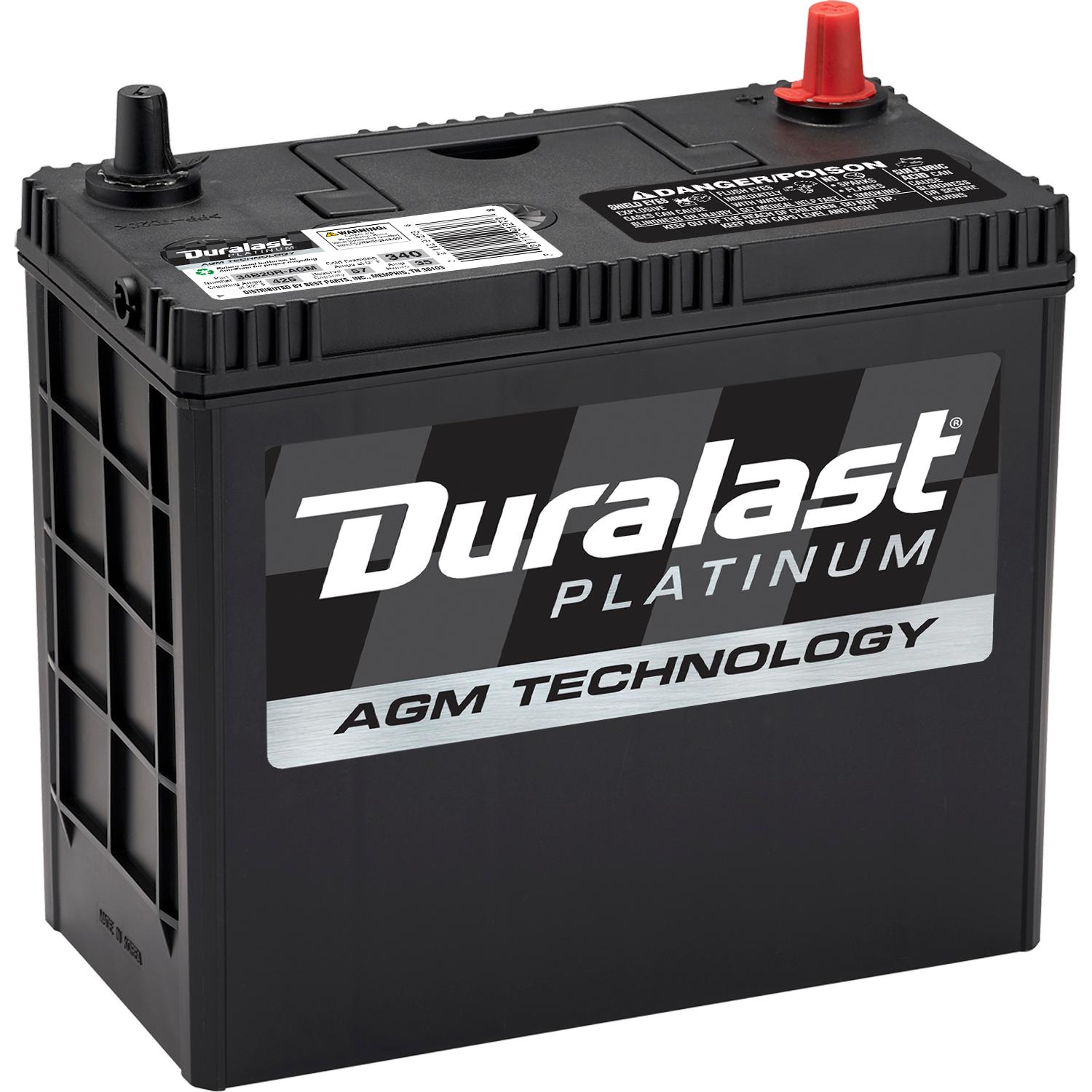
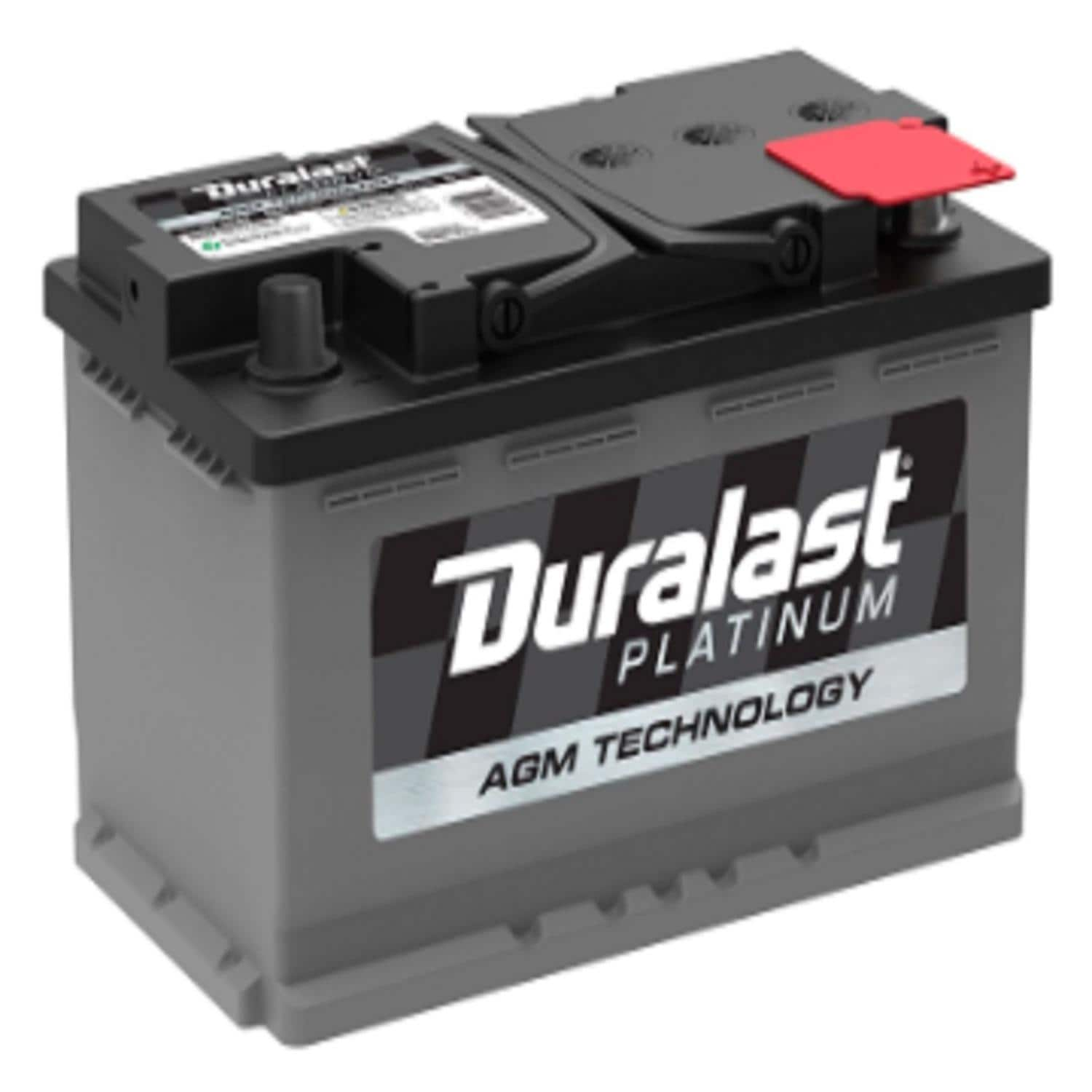
For a 2014 Ford Escape, an AGM battery is often recommended if you live in a region with extreme cold or if you use high-draw accessories, as they offer better recovery and cold-cranking performance.
Troubleshooting and System Resetting
After replacing the battery, you might observe that the vehicle’s idle is rough or that certain electronic features seem "reset." Ford vehicles often employ a Battery Management System (BMS). When a new battery is installed, the BMS may need to be informed of the change. While some older models will "learn" the new battery’s state over a few driving cycles, resetting the BMS using a diagnostic scan tool ensures the alternator charges the new battery correctly, extending its service life.
If your radio requires a security code, keep it handy; you will likely need to enter it once power is restored. Additionally, the power window "one-touch" up/down feature may need to be recalibrated. To do this, roll the window all the way up and hold the switch in the closed position for two seconds, then roll it all the way down and hold the switch for two seconds. This tells the body control module the window’s end positions.
Common Mistakes to Avoid
- Over-tightening: Applying excessive force to the terminal nuts can crack the lead posts on the battery, rendering it useless. Tighten until the terminal is snug and stationary.
- Ignoring Cable Corrosion: Even if the new battery is clean, installing it onto corroded, oxidized cables creates high electrical resistance. Always clean your cables until they are shiny metal.
- Leaving the Battery Tray Dirty: If the old battery leaked, the tray might have acidic residue. Clean this with a baking soda solution to prevent premature corrosion of your new battery’s casing.
- Forcing the Air Box: If the air box does not seat properly, do not force it. Ensure the rubber mounting grommets are aligned correctly on the studs; forced alignment can lead to air leaks in the intake system, triggering a "Check Engine" light.
Frequently Asked Questions
Will my Ford Escape lose its radio presets if I disconnect the battery? Yes, most settings, including radio presets and saved seat positions, will be lost. If you use a memory saver device plugged into the OBD-II port, you can maintain these settings during the swap.
Do I need a special tool to reset the BMS? While you can often drive the vehicle without an immediate reset, using a professional-grade scan tool to reset the Battery Management System is the manufacturer-recommended procedure to ensure optimal charging voltage for the new unit.
How do I know if my 2014 Ford Escape battery is truly dead? Common signs include a slow engine crank, a clicking sound when turning the key, or dashboard lights that dim significantly when you try to start the engine. Use a multimeter; a healthy battery should read approximately 12.6 volts when the engine is off.
Can I replace the battery with the engine running? Never attempt to replace a battery while the engine is running. Disconnecting the battery while the alternator is charging can cause a voltage spike that may damage your vehicle’s sensitive electronic control modules.
How long should a replacement battery last? Under normal operating conditions and with proper maintenance, a quality automotive battery typically lasts between three and five years. Factors such as extreme heat and frequent short-distance driving can shorten this lifespan.
Final Recommendation
The replacement process for a 2014 Ford Escape battery is a manageable DIY project provided you exercise caution regarding the terminal removal order and ensure the hold-down bracket is securely fastened. Once you have completed the installation, start the engine and verify that all interior electronics are functioning. If the "Battery" or "Charging System" warning light remains illuminated on your dashboard after a short test drive, have the alternator tested at an auto parts store to ensure it is correctly charging the new battery.