Suze Orman consistently champions term life insurance as the single best financial tool for protecting dependents, famously advising consumers to avoid expensive permanent policies like whole or universal life insurance. While Orman does not point to a single exclusive corporate provider as a permanent universal winner, her educational platform has frequently highlighted providers that excel in digital underwriting, affordable pricing, and conversion flexibility—with Fabric by Gerber Life emerging as a prominent recommendation for accessible, streamlined term life coverage.
Securing the right life insurance policy is one of the most critical steps in establishing a sound financial foundation. For decades, personal finance expert Suze Orman has demystified the insurance industry, steering everyday earners away from complex investment-linked policies and toward simple, low-cost term life insurance. Navigating the modern insurance market requires understanding her core philosophy, evaluating the specific carriers and platforms she endorses, and assessing your personal financial situation to match her strict criteria.
The Suze Orman Philosophy on Life Insurance
To understand why Suze Orman recommends specific types of term life insurance, it is essential to examine her underlying philosophy on personal risk management. Orman’s foundational rule is that life insurance is not an investment vehicle; it is pure financial protection for people who rely on your income.
Term Life Versus Permanent Insurance
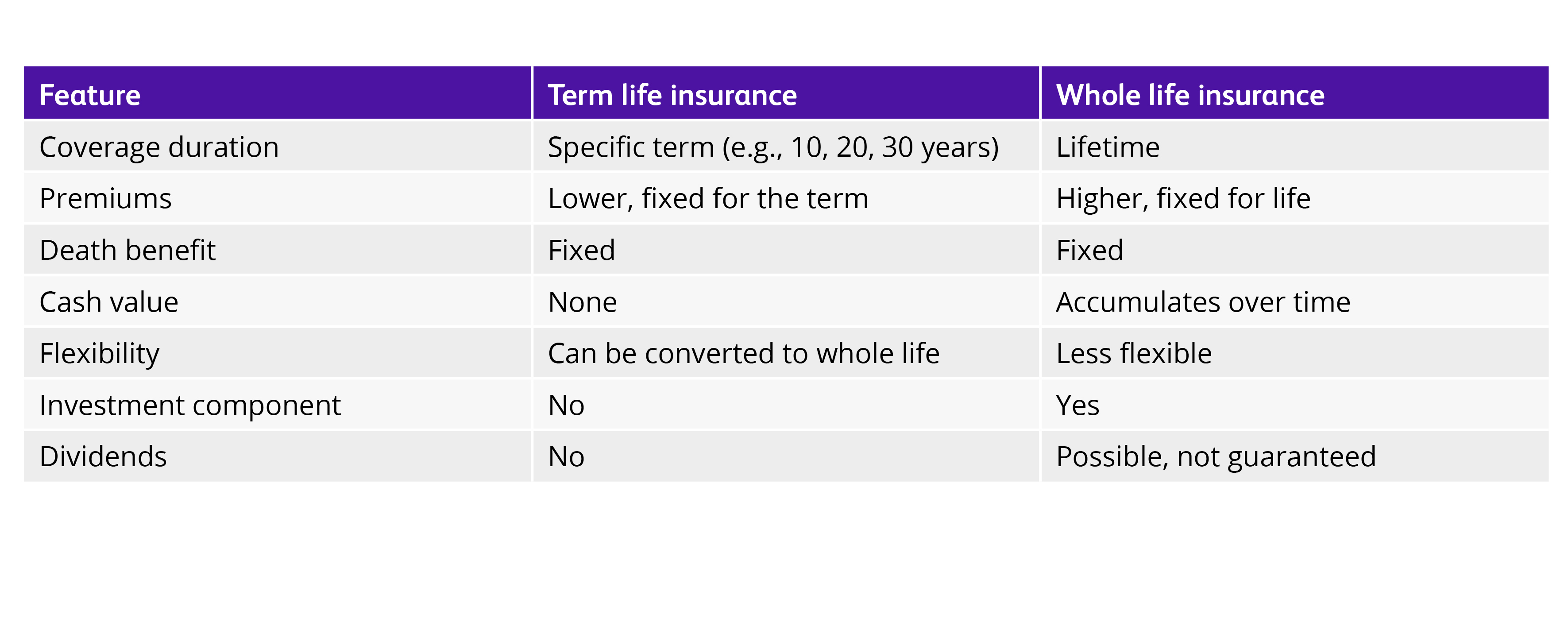
Orman has built a reputation for aggressively discouraging whole life, universal life, and variable life insurance policies. These permanent products combine a death benefit with a cash value savings component, which often comes with exorbitant administrative fees, low internal rates of return, and steep surrender charges.
By contrast, term life insurance provides pure protection for a specified period—typically 10, 20, or 30 years. Because there is no investment or cash-value accumulation attached, premiums are a fraction of the cost of permanent insurance. Orman’s mantra is simple: "Buy term and invest the difference." By purchasing affordable term coverage and investing your savings in tax-advantaged accounts like a 401(k) or Roth IRA, you can build far greater wealth over time while ensuring your family is protected during your peak earning years.
Who Needs Term Life Insurance?
According to Orman, you need term life insurance only if other people depend financially on your income. This includes:
- Parents: Individuals with minor children who need support for living expenses, childcare, and future college tuition.
- Primary Breadwinners: Households where a partner's income is essential for paying a mortgage, utilities, and daily necessities.
- Debt Co-Signers: Anyone whose sudden death would leave a spouse or family member legally responsible for shared debts, such as a private student loan or personal loan.
Conversely, if you are single, have no dependents, and have no one relying on your earnings, Orman notes that you generally do not need life insurance at all.
Evaluating the Top Pick: Fabric by Gerber Life
While the insurance marketplace features dozens of reputable carriers, Suze Orman’s digital platform has prominently spotlighted Fabric by Gerber Life (formerly known simply as Fabric) as an exemplary choice for modern consumers seeking efficient, user-friendly term life insurance.
Why Fabric Stands Out
Fabric was designed from the ground up to eliminate the friction, paperwork, and lengthy delays traditionally associated with buying life insurance. Key features that align with Orman's emphasis on accessibility and affordability include:
- Streamlined Digital Application: Users can apply entirely online or via mobile app in less to 10 minutes.
- Instant Decision Capabilities: Many applicants qualify for an instant decision without requiring a traditional paramedical exam (blood and urine tests), relying instead on data validation algorithms.
- Backed by Financial Strength: Fabric insurance policies are issued by Western-Southern Life Assurance Company and backed by Gerber Life Insurance Company, providing policyholders with top-tier financial stability and AM Best rating security.
- Comprehensive Financial Tools: Beyond insurance, the platform integrates free tools for creating wills and managing family finances, supporting Orman's holistic view of estate planning.
Understanding Fabric Term Options
Fabric offers flexible term lengths—typically 10, 15, 20, or 30 years—with coverage amounts generally ranging from $100,000 to $5,000,000. This flexibility allows consumers to tailor their policy precisely to the duration of their financial obligations, such as the number of years left on a mortgage or the time until a youngest child graduates from college.
Alternative Top-Tier Term Life Insurers
While digital platforms like Fabric represent the modern, streamlined approach championed by financial educators, the "best" policy ultimately depends on individual underwriting profiles, health history, and coverage amounts. Several other traditional and direct-to-consumer carriers frequently rank at the top of the market alongside Orman's preferred models.
Comparison of Leading Term Life Insurance Providers
| Provider | Typical Term Lengths | Medical Exam Requirement | Standout Feature | Best Suited For |
|---|---|---|---|---|
| Fabric by Gerber Life | 10, 15, 20, 30 years | Often none for qualified applicants | Fast digital application & integrated will-writing | Tech-forward families wanting quick approval |
| Banner Life (Legal & General) | 10, 15, 20, 25, 30 years | Optional based on health profile | Highly competitive rates for healthy applicants | Budget-conscious buyers seeking lowest long-term cost |
| Mutual of Omaha | 10, 15, 20, 30 years | Varies by age and face amount | Flexible riders and conversion options | Individuals seeking robust policy customization |
| Pacific Life | 10, 15, 20, 25, 30 years | Required for most higher limits | High coverage caps and wealth-transfer riders | High-net-worth clients needing large face amounts |
How to Determine Your Coverage Amount and Term Length
Selecting a term life insurance policy requires precise mathematical calculations rather than guesswork. Suze Orman frequently stresses that underinsurance leaves families vulnerable, while overinsurance wastes hard-earned money on unnecessarily high premiums.
Calculating Your Death Benefit
To determine how much coverage you need, look at your current financial liabilities and future income replacement needs. A standard formula used by financial planners is the DIME method:
- D – Debt: Total all outstanding debts, including credit cards, auto loans, and personal loans (excluding your mortgage, which is handled separately).
- I – Income: Multiply your annual salary by the number of years your dependents will need support. If you have toddlers, you may want 20 years of income replacement.
- M – Mortgage: Include the exact payoff balance of your home loan so your family can eliminate housing payments if you pass away.
- E – Education: Estimate the future cost of college tuition for your children.
Add these four categories together, subtract any existing liquid savings or life insurance policies you already hold (such as a group policy through your employer), and you will arrive at your target death benefit.
Choosing the Right Term Length
Match your term length to your longest-term financial obligation. If your youngest child is two years old, a 20-year term ensures coverage until they reach adulthood and graduate college. If you just purchased a 30-year fixed mortgage, a 30-year term guarantees that your family can pay off the home regardless of when you pass away during that window.
Prerequisites and Steps to Qualify for the Best Rates
Securing the lowest possible premium requires understanding how insurance underwriters evaluate risk. Term life insurance pricing is heavily dictated by age and health status at the time of application.
Key Factors That Influence Your Rate
- Age: Rates increase by roughly 8% to 10% for every year you age. Locking in a policy today is always cheaper than waiting until next year.
- Health History: Underwriters review your personal medical history, family medical history (specifically heart disease or cancer before age 60), and prescription database records.
- Tobacco Use: Smokers and vape users pay drastically higher rates—often three to four times more than non-smokers. Most carriers require at least 12 consecutive months of tobacco-free living to qualify for non-smoker rates.
- Driving Record & Lifestyle: Excessive speeding tickets, DUIs, or dangerous hobbies like skydiving or rock climbing can increase your premium or trigger exclusions.
Step-by-Application Process
- Step 1: Run online quotes across multiple reputable carriers using your estimated health profile.
- Step 2: Complete the digital or paper application accurately. Disclosing medical history honestly prevents claim denials down the road.
- Step 3: Complete underwriting. Depending on the carrier, this may involve answering health questions for an instant decision or scheduling a brief 20-minute nurse visit at your home for blood and urine collection.
- Step 4: Review the formal offer, sign the policy documents, and set up automatic monthly premium payments to ensure your coverage never lapses due to a missed payment.
Common Mistakes to Avoid When Buying Term Life
Navigating the life insurance market can lead to costly errors if you rely on myths or incomplete information.
Relying Solely on Employer-Provided Life Insurance
Many workers assume they are fully covered because their employer provides a group life insurance policy, typically equal to one or two times their salary. Suze Orman frequently warns against this dangerous assumption. Employer policies are almost never portable—if you leave your job, get laid off, or retire, your coverage disappears. Furthermore, $100,000 in group coverage is rarely enough for a young family with a mortgage. Independent term insurance acts as your personal safety net that stays with you regardless of employment changes.
Waiting Too Long to Buy
Procrastination is the single most expensive mistake in life insurance. Because premiums rise with every birthday, waiting five years to buy a $500,000 20-year term policy can easily cost you thousands of dollars more over the life of the contract. Buying when you are young and healthy locks in the lowest rate possible.
Frequently Asked Questions
Is Suze Orman affiliated with any specific life insurance company?
Suze Orman does not own or exclusively operate a life insurance company, but her educational platforms and digital partnerships have historically highlighted companies like Fabric by Gerber Life for their consumer-friendly digital application processes and straightforward term products. Always evaluate policies based on your independent needs rather than celebrity endorsement alone.
Can I convert a term life insurance policy into a permanent policy later?
Many top-tier term life policies include a "conversion rider." This contractual feature allows you to convert all or part of your term policy into a permanent whole life policy later in life without having to undergo a new medical exam. This is useful if your health declines and you later decide you want permanent coverage, though your new permanent premiums will be significantly higher.
Do I need a medical exam to get term life insurance?
Not always. Many modern carriers—including Fabric and several traditional insurers—offer "accelerated underwriting" or no-exam term life insurance. If you are relatively young, in good health, and have clean prescription and digital medical databases, algorithms can approve your policy instantly without requiring a nurse visit or blood draw.
What happens if I outlive my term life insurance policy?
If you outlive your term life policy (for example, you bought a 20-year term and are still alive after 20 years), the coverage simply expires. You stop paying premiums, and the insurance company does not pay out a death benefit. This is similar to auto or homeowners insurance: you pay for risk protection during a specific window, and if you do not use it, you have peace of mind that your family was protected during their most vulnerable years.
Is it better to buy one large policy or multiple smaller policies?
Buying one large policy (often called "laddering" if structured across multiple terms) is generally more cost-effective than buying multiple smaller policies. Administrative and issuance fees are bundled into every policy, so holding one comprehensive policy minimizes unnecessary overhead costs.
Final Recommendation
To secure the best term life insurance according to Suze Orman's proven wealth-protection principles, prioritize straightforward, low-cost coverage that matches your exact financial obligations. Begin by calculating your precise death benefit using the DIME method, ensuring you are neither underinsured nor wasting money on whole life investments. Explore streamlined digital platforms like Fabric by Gerber Life for fast, exam-free qualification if you qualify, or compare quotes from top-tier carriers like Banner Life and Mutual of Omaha. Lock in your rate while you are young and healthy, set up automatic premium payments, and invest the remaining difference to build long-term financial independence.