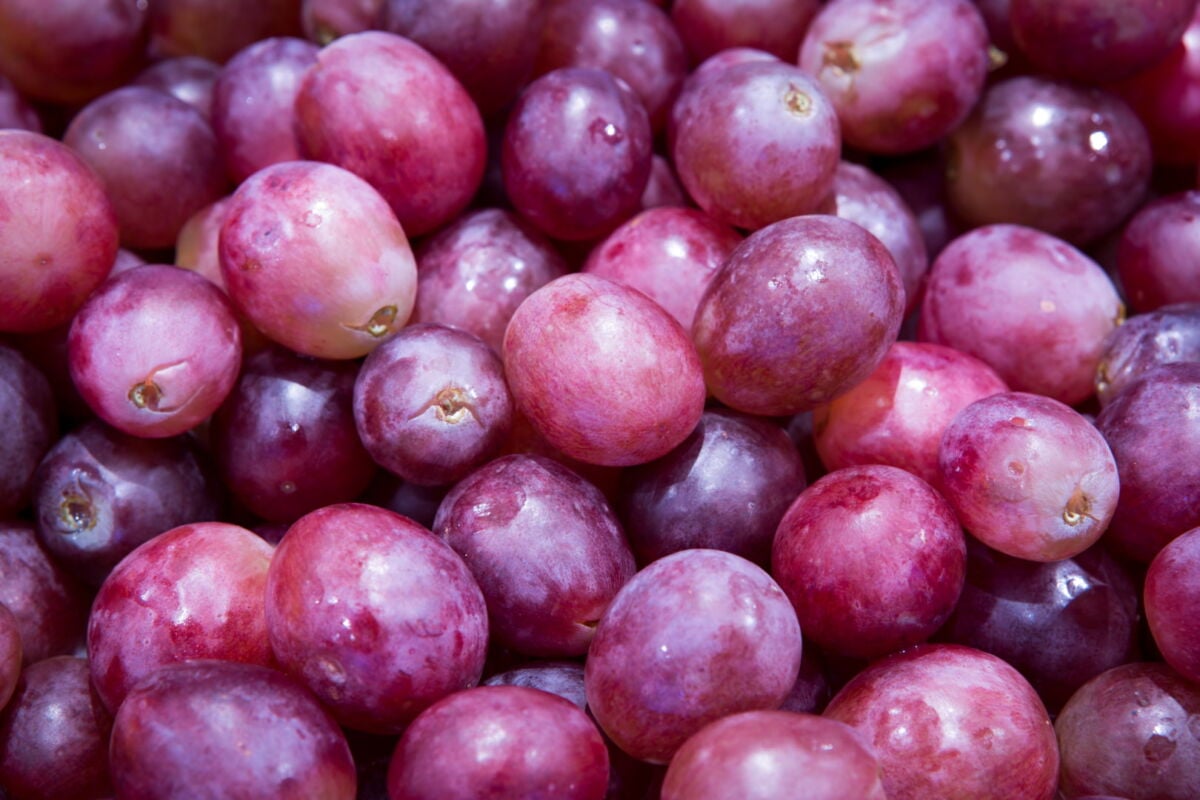
Purple grapes are generally considered acidic, typically falling within the pH range of 2.8 to 3.8. While their taste can be perceived as sweet or balanced, they contain organic acids—most notably tartaric, malic, and citric acids—that contribute to this low pH level. Understanding how these fruits interact with the body, particularly for individuals managing acid reflux or dental health, requires looking beyond simple flavor profiles to the biochemical reality of grape composition.
The Chemistry of Grape Acidity: Understanding pH
When food scientists and nutritionists discuss acidity, they are almost exclusively referring to the potential of hydrogen (pH) scale. This logarithmic scale ranges from 0 to 14, where 7 is neutral. Anything below 7 is acidic, and anything above 7 is alkaline (basic).
Fresh purple grapes, such as the popular Concord or various table grape varieties found in markets in 2026, consistently measure between 2.8 and 3.8 on the pH scale. To put this into perspective, pure water is 7.0, and stomach acid is typically between 1.0 and 3.0. Because grapes fall significantly below the neutral mark, they are categorized as acidic foods.
Why Do Grapes Contain Acids?
The acidity in purple grapes is not an additive; it is a fundamental part of the plant’s biological development. Grapes synthesize organic acids during the early stages of berry growth to serve several physiological purposes, including:
- Protection: Acids can act as a natural deterrent against microbes and insects before the fruit reaches full maturity.
- Respiration: Organic acids serve as energy substrates for the plant.
- Ripening Regulation: As a grape ripens, the concentration of malic acid typically decreases while sugar levels rise. However, even in a very sweet, fully ripe purple grape, the residual tartaric acid remains high enough to maintain an acidic pH.
Acids Present in Purple Grapes
The acidity of a purple grape is determined by the specific blend of organic acids present in the fruit's pulp and skin. While many consumers assume the "sour" taste comes from citric acid—the primary acid in lemons—grapes are chemically distinct.
Tartaric Acid
Tartaric acid is the signature acid of the grape. It is relatively rare in the plant kingdom, making its high concentration in Vitis labrusca and Vitis vinifera varieties distinctive. It is a strong organic acid that provides a sharp, crisp profile to the fruit. Because it is stable during the ripening process, it remains the dominant acid even when the grape is at its sweetest.
Malic Acid
Malic acid is often associated with the tart taste of green apples. In grapes, malic acid concentrations are highest in young fruit and decrease as the grape matures. During the warmer growing seasons seen in recent years, environmental factors can cause the vine to metabolize malic acid more quickly, which can slightly alter the final acidity of the harvest.
Citric Acid
While present in much lower concentrations than tartaric or malic acid, citric acid is still a contributing factor to the overall acidity of the grape. Its role is secondary but contributes to the complex flavor profile that distinguishes purple grapes from other fruit types.
Comparing Grape Acidity with Other Common Foods
To determine if purple grapes are "too" acidic for your diet, it is helpful to compare their pH levels to other common items. The following table illustrates the relative acidity of various foods.
| Food Item | Typical pH Range | Acidity Level |
|---|---|---|
| Battery Acid | 0.8 | Extremely Acidic |
| Lemon Juice | 2.0 – 2.6 | Highly Acidic |
| Purple Grapes | 2.8 – 3.8 | Moderately Acidic |
| Tomatoes | 4.3 – 4.9 | Moderately Acidic |
| Bananas | 4.5 – 5.2 | Weakly Acidic |
| Egg Whites | 7.6 – 8.0 | Slightly Alkaline |
As shown in the table, while purple grapes are acidic, they are significantly less acidic than citrus fruits like lemons or limes. This distinction is important for individuals who may experience discomfort with high-acid foods but can tolerate moderate-acid options.
Potential Health Impacts of Acidic Fruits
For the vast majority of the population, the acidity of purple grapes poses no health risk and is, in fact, part of a balanced diet rich in polyphenols and antioxidants. However, specific health conditions warrant caution.
Acid Reflux and GERD
For individuals living with Gastroesophageal Reflux Disease (GERD) or frequent heartburn, acidic foods can act as a trigger. When the lower esophageal sphincter (the muscle acting as a valve between the esophagus and the stomach) does not close properly, stomach contents—which are highly acidic—can rise into the esophagus. Consuming acidic foods like grapes can exacerbate the symptoms of reflux by lowering the pH of the stomach contents further, potentially leading to irritation of the esophageal lining.
Dental Enamel Erosion
The acids in grapes, particularly tartaric acid, can soften tooth enamel over time. Enamel is the protective outer layer of the teeth. Frequent and prolonged exposure to acidic substances can lead to demineralization.
- Best Practice: Dentists generally recommend rinsing the mouth with plain water after eating acidic fruits to help neutralize the oral environment and wash away residual sugars and acids.
- Timing: Brushing immediately after consuming acidic foods is sometimes discouraged because the enamel may be temporarily softened; waiting 30 to 60 minutes allows the saliva to naturally remineralize the teeth.
Nutritional Profile and Why Acidity Doesn't Mean "Bad"
It is a common misconception that acidic foods are inherently unhealthy or "acid-forming" in the body. This is a confusion between the chemical pH of the food before ingestion and its metabolic effect.
Purple grapes are a potent source of resveratrol, a stilbenoid found in the skins, which has been studied for its cardiovascular benefits. They also contain vitamins C and K, as well as potassium. The presence of organic acids does not diminish these nutritional benefits. In a healthy body, the renal system (kidneys) and respiratory system (lungs) work in tandem to maintain blood pH within a very tight, slightly alkaline range (7.35 to 7.45), regardless of the acidity of the food consumed.
Managing Grape Consumption for Sensitive Individuals
If you enjoy purple grapes but find that they trigger digestive discomfort or dental sensitivity, you do not necessarily need to eliminate them entirely. Strategic consumption can mitigate most issues:
- Portion Control: Consuming a large bowl of grapes exposes your teeth and stomach to a high volume of acid at once. Limiting portions to a handful can reduce the intensity of the acid load.
- Pairing: Eating grapes alongside other foods—such as a piece of cheese, a handful of nuts, or a cracker—can help buffer the acidity. These foods provide a more neutral environment that helps balance the pH in the mouth and stomach.
- Timing: Avoid eating grapes immediately before lying down, which is a common trigger for reflux symptoms. Providing the stomach time to process the food before assuming a horizontal position can significantly reduce nighttime heartburn.
- Variety Selection: While most grapes fall into the same acidic pH range, some varieties may be perceived as "sweeter" due to their sugar-to-acid ratio. Choosing a variety that is fully ripe can make the acidity feel less pronounced on the palate, even if the chemical pH remains similar.
FAQ: Common Questions Regarding Grape Acidity
Are purple grapes more acidic than green grapes?
While there are minor differences between varieties, both purple and green grapes generally fall into the same acidic pH range of 2.8 to 3.8. The perception of acidity is often more influenced by the sugar content and the ripeness of the specific bunch than the color of the grape itself.
Can eating grapes cause heartburn?
Yes, for some people, grapes can trigger heartburn. This is due to their acidic nature. If you suffer from frequent acid reflux, it is best to test your personal tolerance by eating a small amount rather than a large serving to see if you experience symptoms.
Does cooking grapes change their acidity?
Cooking can alter the flavor profile and potentially concentrate sugars, but it does not significantly change the inherent chemical acidity (pH) of the grapes. The tartaric and malic acids remain present unless they are neutralized by adding an alkaline ingredient, such as baking soda, which is rarely done in standard culinary practices for fresh grapes.
Are frozen purple grapes safer for teeth?
Freezing grapes does not change their chemical composition or their pH. The acid content remains the same. The only difference is the physical state of the fruit. However, chewing on frozen, hard fruit can pose a risk of tooth fracture, so it is often better to let them thaw slightly before consuming.
Should I avoid purple grapes if I have a sensitive stomach?
If you have a diagnosed condition like gastritis or severe GERD, your healthcare provider may suggest a low-acid diet. During a flare-up of these conditions, it is often wise to temporarily limit or avoid all acidic fruits, including grapes, until symptoms subside. Always consult with a registered dietitian or physician for personalized medical advice.
Recommendation for Consumers
Purple grapes are a nutritious, high-antioxidant fruit that is chemically acidic, typically registering a pH between 2.8 and 3.8. For most people, this acidity is not a health concern and should not prevent them from enjoying this fruit as part of a balanced diet. If you experience dental sensitivity or digestive issues like heartburn, consider consuming grapes in smaller quantities, pairing them with neutralizing foods like nuts or cheese, and rinsing your mouth with water after eating. As with any dietary change, if you have chronic health concerns, consult a medical professional to ensure your fruit intake aligns with your specific health needs.