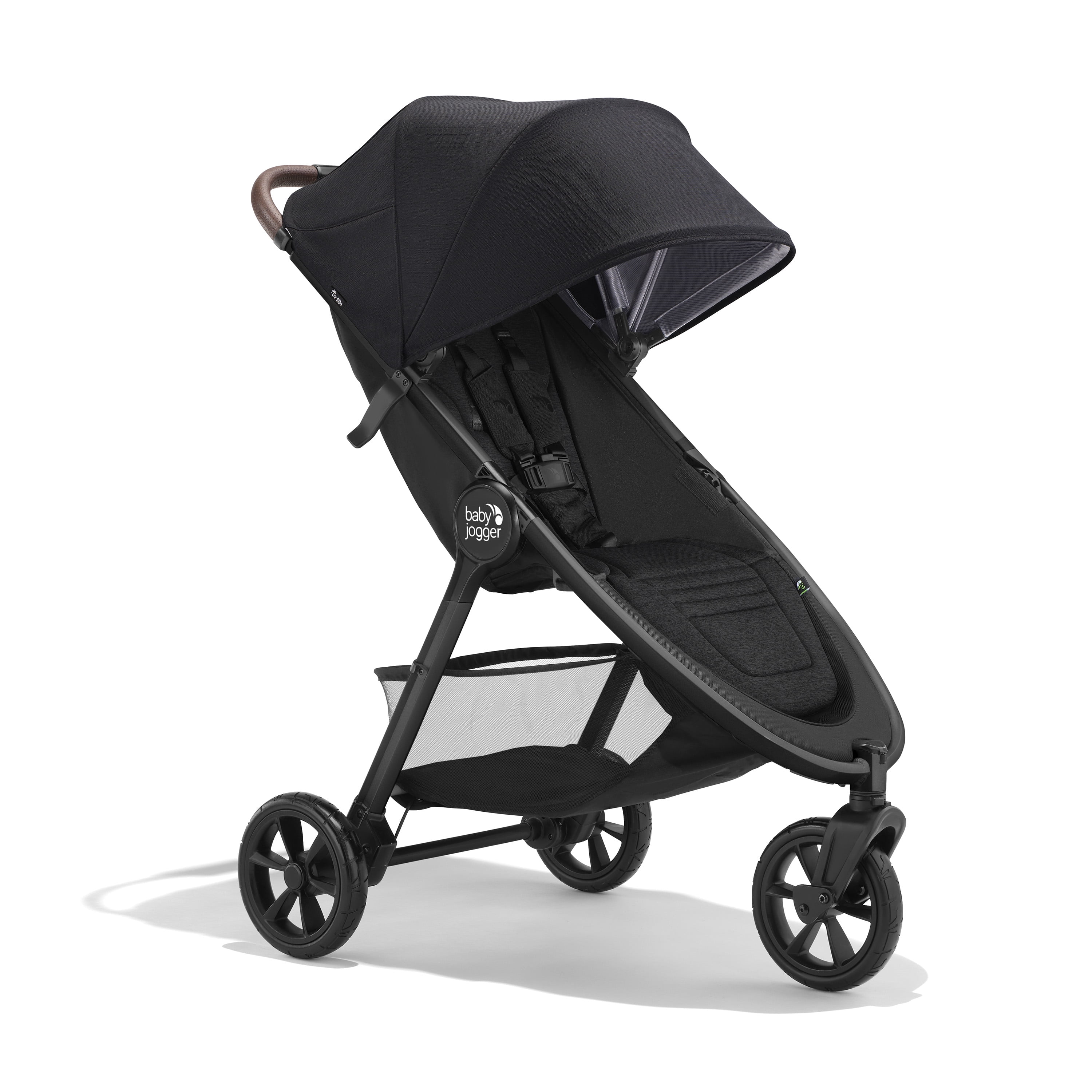
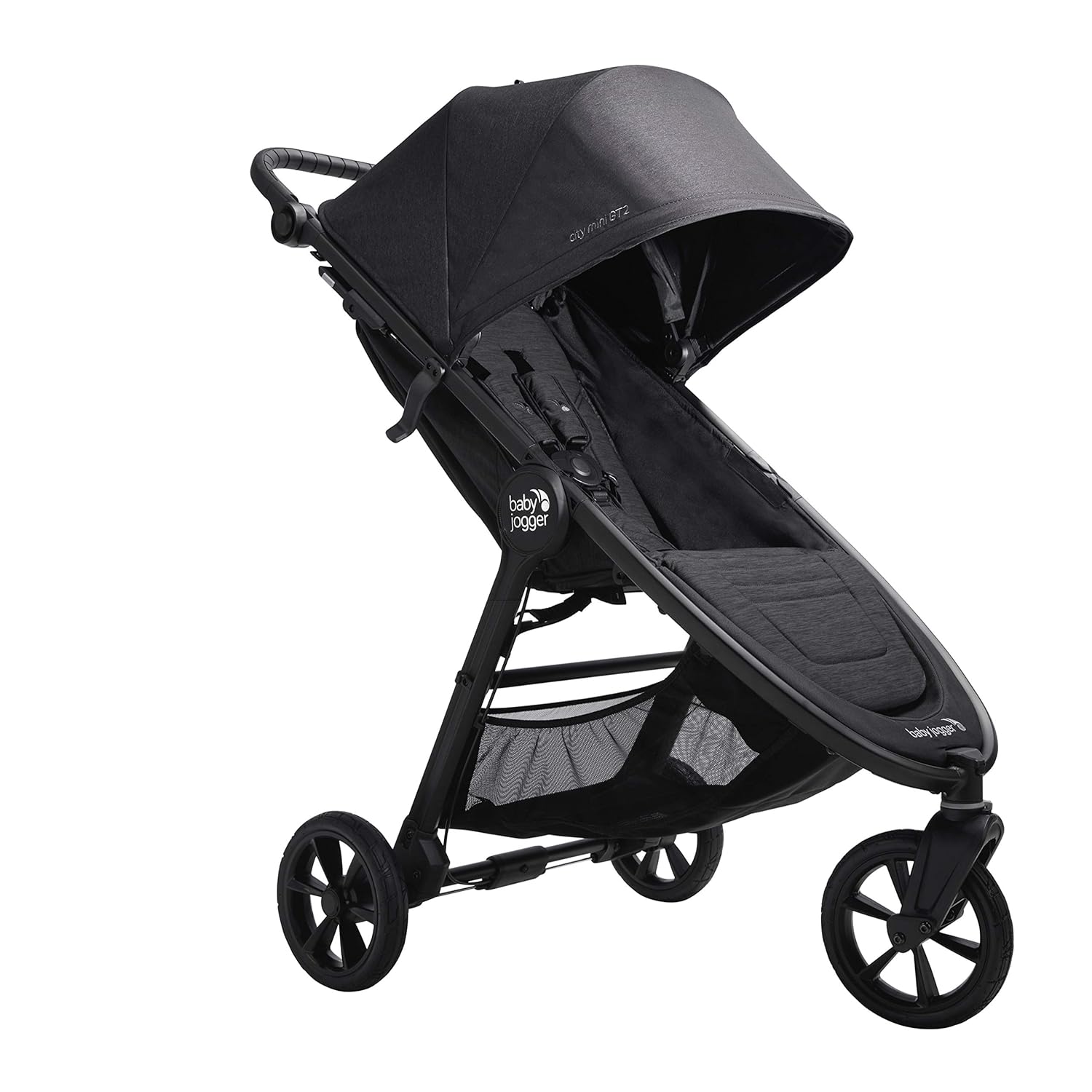
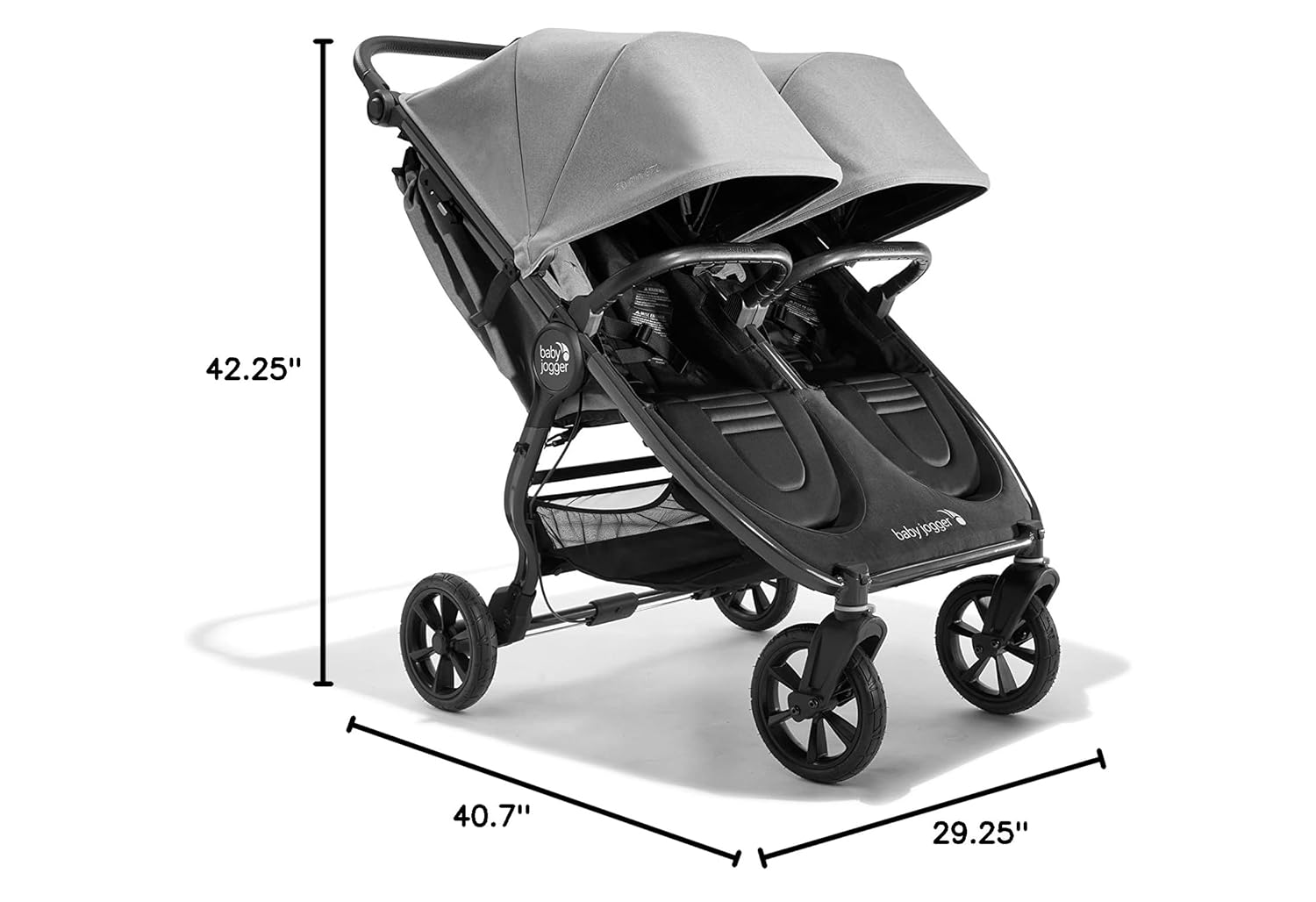
An all-terrain jogger stroller is a specialized hybrid vehicle designed to provide maximum stability and shock absorption for infants while allowing parents to navigate uneven surfaces or maintain high speeds during running. Unlike standard strollers, these models feature large, air-filled pneumatic tires, advanced suspension systems, and a specialized frame geometry that ensures a smooth ride on gravel, sand, or forest trails.
When selecting a stroller in 2026, the convergence of lightweight materials and enhanced safety tech has made the all-terrain jogger the primary choice for active families. Whether you are a marathon trainer or a weekend hiker, understanding the mechanical nuances of these strollers is essential for both the safety of the child and the ergonomic health of the parent.
The Mechanical Foundation: Wheels and Tires
The most defining characteristic of an all-terrain jogger is its wheel configuration. Most models utilize a three-wheel "delta" design, which offers a smaller footprint and better pivot capabilities than a four-wheel traditional stroller.
Tire Composition and Pressure
Standard strollers often use EVA foam or plastic wheels, which are maintenance-free but offer zero cushion. In contrast, true all-terrain joggers use pneumatic (air-filled) tires. These tires act as the first line of defense against vibration.
- Diameter: Generally, the rear wheels range from 16 to 18 inches, while the front wheel is typically 12 inches. Larger wheels have a higher "angle of attack," meaning they can roll over large obstacles (like tree roots or curbs) with less force required from the runner.
- Tread Patterns: All-terrain tires feature deeper lugs or "knobby" patterns. This provides lateral stability on loose surfaces like wet grass or gravel, preventing the stroller from sliding sideways on a cambered trail.
- Maintenance: Because they are pneumatic, they are susceptible to punctures. High-end models in 2026 often include self-sealing tubes or reinforced sidewalls to prevent "snakebite" flats when hitting sharp rocks.
The Front Wheel Lock Mechanism
A critical safety feature of a jogger is the front wheel’s ability to lock. When walking through a grocery store, a swivel wheel is preferred for tight turns. However, when running or traversing rough ground, a swivel wheel can develop a "speed wobble"—a high-frequency vibration that can cause the stroller to tip. Modern all-terrain joggers feature a remote locking switch, usually located on the handlebar, allowing the user to switch from swivel to fixed mode without stopping or bending over. Furthermore, these strollers include a tracking adjustment knob. This allows you to fine-tune the front wheel's alignment so the stroller pulls perfectly straight, even if the frame has shifted slightly over time.
Advanced Suspension and Frame Geometry
To protect a child’s developing spine and neck from the "G-forces" of off-road travel, manufacturers utilize sophisticated suspension systems.
Adjustable Shock Absorbers
Many premium all-terrain models now utilize coil-spring suspension located at the rear axle. Some versions are "adjustable," meaning the parent can stiffen or soften the ride based on the child’s weight. For a 15-pound infant, a softer setting ensures the springs actually compress; for a 40-pound toddler, a stiffer setting prevents the stroller from "bottoming out" on deep bumps.
Frame Materials: Carbon Fiber vs. Aluminum
In 2026, we see a split in the market between high-strength 6061 aluminum alloy and carbon fiber composites.
- Aluminum: Durable, cost-effective, and resistant to corrosion. It provides a slight amount of natural flex, which helps absorb road buzz.
- Carbon Fiber: Found in elite racing joggers. It significantly reduces the "push weight" (the effort required to keep the stroller moving), which is vital for long-distance trail running.
The geometry of the frame is longer than a standard stroller. This creates a longer wheelbase, which increases stability at high speeds. A low center of gravity is also prioritized to ensure that if a wheel hits a rock at an angle, the entire unit is less likely to roll over.
Safety Standards and Biological Requirements
Running with a child introduces risks that are not present during a casual stroll. Adhering to safety protocols is non-negotiable.
The Age Requirement
Pediatricians and the American Academy of Pediatrics generally recommend waiting until a child is at least 6 to 8 months old before using a stroller for jogging or off-road use. Before this age, infants lack the neck strength and muscle tone to stabilize their heads against the repetitive jarring motions of running. Even with the best suspension, the micro-vibrations can be harmful to a younger baby. If you wish to use an all-terrain jogger from birth, it must be used only at a walking pace on smooth pavement with a compatible car seat or bassinet attachment.
Braking Systems: Deceleration vs. Parking
Unlike standard strollers that only have a foot-operated parking brake, an all-terrain jogger requires a hand-operated deceleration brake.
- Deceleration Brake: Located on the handlebar (similar to a bicycle brake), this allows the runner to control the speed of the stroller when going downhill. Without this, a heavily loaded stroller can "run away" from the parent on steep declines.
- Parking Brake: Usually a foot pedal that locks the rear wheels completely. This should always be engaged when the stroller is stationary, especially on uneven terrain.
The Tether Strap
A safety tether is a mandatory feature. This is a durable nylon loop that connects the parent's wrist to the stroller's handlebar. If the runner trips or loses their grip, the tether prevents the stroller from rolling away, which is a life-saving necessity on trails or near traffic.
Comparison of Top All-Terrain Jogger Models (2026)
The following table compares the leading specifications for the most popular models currently available.
| Feature | Thule Urban Glide 3 | BOB Alterrain Pro | Bumbleride Indie | Baby Jogger Summit X3 |
|---|---|---|---|---|
| Primary Use | Hybrid Running/Urban | Heavy-Duty Off-Road | Eco-Conscious All-Terrain | Urban Jogging/Speed |
| Weight | 23.8 lbs | 32.3 lbs | 24 lbs | 28.2 lbs |
| Brake Type | Integrated Twist Hand Brake | Hand-Operated Disc Brake | Foot Brake (Walking Only) | Remote Hand Brake |
| Tire Type | Air-Filled (Pneumatic) | Air-Filled (Pneumatic) | Air-Filled (Pneumatic) | Air-Filled (Pneumatic) |
| Suspension | Rear (1.5" travel) | Smoothshox System | 4-Wheel Suspension | All-Wheel Independent |
| Fold Style | One-Handed Compact | One-Handed Standing | Trigger Fold | Patented Quick-Fold |
| Wheel Size (Rear) | 16 Inches | 16 Inches | 12 Inches | 16 Inches |
Ergonomics for the Parent
A common mistake is focusing entirely on the child's comfort while ignoring the runner’s ergonomics. Using an improperly fitted jogger can lead to lower back pain, wrist strain, or altered running gait.
Handlebar Height and Adjustability
The handlebar should be at a height where your elbows are at a 90-degree angle. If the bar is too low, you will hunch over; if it is too high, you will experience shoulder fatigue. Most top-tier all-terrain strollers feature a telescoping or rotating handlebar to accommodate parents of different heights.
Stride Clearance
All-terrain joggers are designed with a "kick zone." The rear axle is usually positioned or curved in a way that allows the runner to take full strides without their feet hitting the back of the stroller. When testing a stroller, ensure you can maintain your natural running gait without adjusting your stride length.
Steering with One Hand
Effective trail running often requires one-handed steering so the other arm can swing naturally to maintain balance and rhythm. A high-quality all-terrain jogger will have a balanced weight distribution that allows for "veering" or slight turns with minimal wrist pressure.
Maintenance and Longevity
Because these strollers are exposed to mud, sand, and salt, they require more maintenance than indoor-only models.
- Axle Lubrication: Fine dust and sand can penetrate the wheel bearings. It is recommended to clean and lubricate the axles with a silicone-based lubricant every three months.
- Fabric Care: Most all-terrain fabrics are treated with a Water Repellent (DWR) coating. To preserve this, spot-clean with mild soap rather than machine washing, which can strip the protective layers and lead to fading under UV exposure.
- Tire Pressure Check: Cold weather causes air to contract, lowering tire pressure. Running on soft tires increases the rolling resistance (making your workout much harder) and increases the risk of the tire bead separating from the rim. Always maintain the PSI recommended on the tire sidewall.
- Corrosion Prevention: If you live near the ocean or use the stroller on salted winter roads, rinse the metal frame with fresh water after use to prevent the aluminum from pitting or the steel components from rusting.
Frequently Asked Questions
Can I use an all-terrain jogger as my only stroller?
Yes, many parents find that a high-quality all-terrain jogger is versatile enough for daily use. However, they are generally larger and heavier than "umbrella" strollers. You must consider your trunk space and whether the stroller’s width can accommodate standard doorways or narrow store aisles.
What is the difference between a "Jogger" and an "All-Terrain" stroller?
A pure "Jogger" often has a fixed front wheel that does not swivel, which is safer for high speeds but difficult for walking. An "All-Terrain" stroller usually has four wheels and better suspension than a standard model but may lack the specialized hand brakes and wheel size needed for running. An "All-Terrain Jogger" combines the best of both, usually featuring a lockable swivel wheel and pneumatic tires.
Is it safe to take a stroller on hiking trails?
It is safe if the trail is rated as "stroller accessible" or "easy." Technical trails with steep drop-offs, large boulders, or narrow switchbacks are not suitable for any stroller. Always use the wrist tether and keep the front wheel locked when moving over roots or loose rocks to prevent the wheel from catching and jerking the stroller.
How do I fix a flat tire on the trail?
Many parents carry a small "flat kit" similar to what cyclists use. This includes a mini-pump, tire levers, and a spare tube or adhesive patches. Some 2026 models feature "never-flat" foam-filled tires, but these often sacrifice the ride quality and shock absorption found in pneumatic tires.
Are all-terrain strollers compatible with car seats?
Most major brands like Thule, BOB, and Baby Jogger offer adapters for popular car seat brands (Chicco, Graco, Nuna, etc.). This allows the stroller to be used as a "travel system" from birth for walking. However, you should never jog with a baby in a car seat attached to the stroller, as the center of gravity is too high and the infant's head is not sufficiently supported for the vibration.
Final Recommendation for Active Parents
If you are looking for the most versatile solution in 2026, prioritize a model with a lockable swivel front wheel and a hand-operated disc brake. These two features provide the necessary transition from city sidewalks to rugged mountain paths. For those who prioritize weight and speed, the Thule Urban Glide series remains the industry gold standard. For those who demand maximum durability for true off-road trekking, the BOB Alterrain Pro offers superior ruggedness and weather protection. Regardless of your choice, always ensure your child has reached the appropriate developmental milestones before increasing your pace.