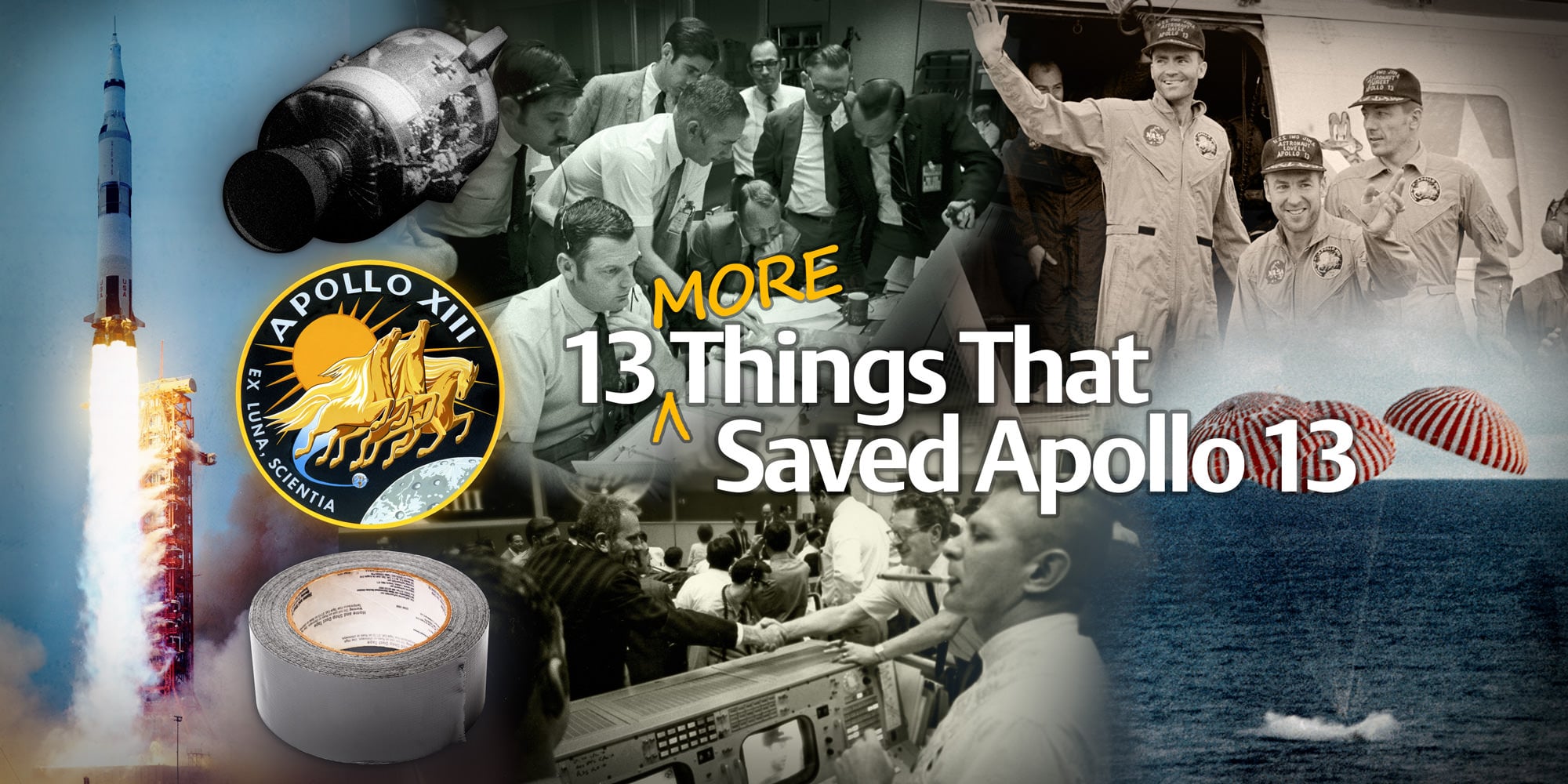
The Apollo 13 mission unfolded across several critical milestones from April 11 to April 17, 1970, marked by five pivotal dates: the launch on April 11, the critical oxygen tank explosion on April 13, the perilous lunar flyby and engine burn on April 14 and 15, and the dramatic splashdown in the Pacific Ocean on April 17.
Understanding the chronology of the Apollo 13 mission requires looking beyond the famous Hollywood portrayal to the precise historical timeline. Designated as NASA’s seventh crewed Apollo mission and the third intended to land on the Moon, Apollo 13 transformed from a routine scientific expedition into an unforgettable struggle for survival. By examining the five crucial dates that defined the flight, space enthusiasts, historians, and students of engineering can appreciate the split-second decisions and monumental engineering ingenuity that brought Commander James Lovell, Command Module Pilot John Swigert, and Lunar Module Pilot Fred Haise safely back to Earth.
1. April 11, 1970: The Launch and Insertion into Earth Orbit
The saga of Apollo 13 officially began on Saturday, April 11, 1970, at 13:13 CST (18:13 UTC) when the Saturn V rocket (SA-508) lifted off from Launch Complex 39A at the Kennedy Space Center in Florida. The launch proceeded smoothly with only one minor anomaly: an early shutdown of the second-stage center engine, which was compensated for by a longer burn time of the remaining engines and the S-IVB third stage.
After achieving Earth orbit and completing a systems checkout, the crew executed the Trans-Lunar Injection (TLI) burn at 16:29 UTC. This critical maneuver increased the spacecraft's velocity, allowing it to escape Earth's gravitational pull and set a precise intercept course toward the Moon.
Mission Parameters and Crew Composition
- Commander: James A. Lovell Jr. (veteran of Gemini 7, 12, and Apollo 8)
- Command Module (CM): Odyssey
- Lunar Module (LM): Aquarius
- Backup Crew: John W. Young (Commander), John L. Swigert (Command Module Pilot—who swapped with Ken Mattingly days before launch due to measles exposure), and Charles M. Duke (Lunar Module Pilot).
Everything during the first two days appeared routine. The crew conducted a routine television broadcast on April 12, showing viewers how comfortable life was in zero gravity. Little did the public or the mission controllers know that a hidden flaw inside Service Module Oxygen Tank No. 2 was sitting dormant, ready to alter history.
2. April 13, 1970: The Explosion and "Houston, We've Had a Problem"
The most famous date of the mission is April 13, 1970. Roughly 56 hours into the flight, as the spacecraft coasted approximately 200,000 miles from Earth, Mission Control in Houston requested that the crew perform a routine procedure: stirring the cryogenic hydrogen and oxygen tanks to agitate the fluids and provide more accurate meter readings.
At 21:08:53 UTC, Jack Swigert flipped the switches to activate the stirring fans inside Oxygen Tank No. 2. A damaged Teflon-insulated wire inside the tank, exposed due to an oversight during pre-flight testing and over-voltage during a previous defueling process, created an electrical short circuit. The spark ignited the oxygen inside the tank, causing an over-pressurization that blew off the tank's outer dome and ruptured Oxygen Tank No. 1 as well.
- [April 13, 21:08 UTC]
- Electrical short in Oxygen Tank No. 2
- Combustion / Over-pressurization
- Tank No. 2 dome ruptures; Tank No. 1 damaged
- Fuel cells fail due to oxygen starvation
- Command Module loses primary electrical power
- Fuel cells fail due to oxygen starvation
- Tank No. 2 dome ruptures; Tank No. 1 damaged
- Combustion / Over-pressurization
- Electrical short in Oxygen Tank No. 2
The violent jolt shook the spacecraft, triggered warning lights, and caused the main bus under-voltage alarms to ring in the cockpit and Mission Control. Jack Swigert famously radioed: "Okay, Houston, we've had a problem here." (Often misquoted as "Houston, we have a problem").
Commander Lovell quickly looked out the hatch window and saw venting gas escaping into space. Within minutes, the realization set in: the Command Module Odyssey was losing its electrical power, its water supply, and its breathing oxygen. The mission to land on the Moon was instantly aborted; the new, singular objective was simply to bring the three astronauts home alive.
3. April 14, 1970: Lifeboat Operations and the Free-Return Trajectory
By the early hours of April 14, the situation inside the crippled spacecraft was dire. With the Command Module shutting down to conserve its remaining battery power for the eventual re-entry, the crew had to transition into the Lunar Module Aquarius.
NASA engineers on the ground, led by Flight Directors Gene Kranz, Glynn Lunney, Milton Windler, and Gerald Griffin, faced unprecedented challenges. The Lunar Module was designed to support two men for 45 hours on the lunar surface; it now had to sustain three men for four days while operating as an improvised "lifeboat."
Key Life Support Challenges Resolved on April 14:
- Power Conservation: Aquarius was powered down to minimal operating levels, drawing only 12 amps instead of its normal operating load. Temperatures inside the cabin dropped near freezing.
- Carbon Dioxide Scrubbing: The CM and LM used different shapes of lithium hydroxide canisters to absorb exhaled carbon dioxide. Engineers in Mission Control devised a makeshift adapter using plastic bags, cardboard, and duct tape so the square CM canisters could fit into the round LM receptacles.
- Navigation and Alignment: Without functional guidance platforms powered up continuously, the crew had to use the Sun and stars manually to align their optics and verify their trajectory.
On this same day, the spacecraft rounded the far side of the Moon at an altitude of approximately 158 nautical miles. While behind the Moon, telemetry was lost, and the crew experienced complete radio silence for nearly 30 minutes, relying entirely on Newton's laws of motion to carry them around the lunar backside.
4. April 15, 1970: The Perilous Lunar Burn and Mid-Course Corrections
As the spacecraft swung around the Moon, it entered a "free-return trajectory," which would naturally loop them back toward Earth, but the journey would take roughly four days—longer than the remaining consumables in the Lunar Module could comfortably last.
To shave precious time off the return trip and target the correct atmospheric entry corridor, Mission Control instructed the crew to fire the Lunar Module's descent propulsion system (DPS) engine on April 15.
Executing this burn required extreme precision. To ensure the engine was aimed correctly without the primary guidance system, Jim Lovell manually piloted the spacecraft by aligning the crosshairs of the LM's alignment optical telescope with the terminator of the Moon (the line dividing day and night).
- Burn Duration: 30 seconds initially, followed by a longer 4-minute 23-second burn later in the day.
- Result: The trajectory adjustment successfully shortened the return trip by roughly 10 hours and ensured the spacecraft would hit Earth's atmosphere at the exact shallow angle required—not too steep to burn up from excessive G-forces, and not too shallow to bounce off the atmosphere back into deep space.
Despite these successes, the crew suffered from severe dehydration, fatigue, and near-freezing temperatures. Condensation coated the instrument panels, raising concerns about short-circuiting the electronics. Yet, the team remained disciplined, executing every command sent up from Houston.
5. April 17, 1970: Separation, Re-entry, and Splashdown
The culmination of the rescue effort occurred on Friday, April 17, 1970. As the spacecraft neared Earth, the crew executed a series of final, highly dangerous maneuvers that had never been tested in simulation.
First, the crew jettisoned the severely damaged Service Module so they could visually inspect the extent of the blast. Photographs revealed that an entire panel had been blown off the side of the Service Module, exposing twisted metal and internal wiring.
Next, the astronauts powered up the dormant Command Module Odyssey using power drawn from its re-entry batteries. After powering systems that had been dead for four days, they prepared to separate from their life-saving Lunar Module, Aquarius. At 12:43 UTC, the LM was jettisoned. As Aquarius drifted away, Jim Lovell offered a final tribute: "Farewell, Aquarius, and we thank you." (The abandoned LM later burned up harmlessly upon re-entering Earth's atmosphere).
| Phase | Time (UTC) | Action Performed | Significance |
|---|---|---|---|
| Service Module Jettison | ~13:15 | Discarded damaged SM | Allowed crew to photograph damage and clear space for re-entry. |
| Command Module Activation | ~14:00 | Restored power to Odyssey | Revived primary navigation and communication systems. |
| Lunar Module Jettison | 12:43 | Separated Aquarius | Ended lifeboat phase; prepared for atmospheric plunge. |
| Atmospheric Entry Interface | 17:53 | Hit Earth's upper atmosphere | Began the tense 4-minute blackout period. |
| Splashdown | 18:07:41 | Landed in South Pacific Ocean | Safely concluded the mission near the USS Iwo Jima. |
The re-entry blackout period—caused by ionized gas surrounding the capsule, which normally lasts about three minutes—stretched past four agonizing minutes due to the altered trajectory. Flight controllers in Houston held their breath. Finally, Jack Swigert's voice crackled over the radio: "Okay, Houston, telemetry."
At 18:07:41 UTC, Apollo 13 splashed down safely in the South Pacific Ocean, approximately 4.5 miles from the recovery ship USS Iwo Jima. The crew was hoisted aboard the carrier in good condition, greeted by cheering sailors and a global audience of millions who had watched the drama unfold on live television.
Summary of Key Apollo 13 Dates
| Date (1970) | Major Event | Primary Operational Focus |
|---|---|---|
| April 11 | Launch from Kennedy Space Center | Reaching Earth orbit and executing Trans-Lunar Injection (TLI). |
| April 13 | Oxygen tank explosion | Aborting the lunar landing; preserving Command Module power. |
| April 14 | Lunar flyby & lifeboat transition | Managing consumables and carbon dioxide scrubbing inside Aquarius. |
| April 15 | Lunar descent engine burn | Adjusting trajectory to speed up return and secure entry corridor. |
| April 17 | Re-entry and splashdown | Jettisoning modules, surviving blackout, and landing in the Pacific. |
Frequently Asked Questions
What caused the Apollo 13 explosion on April 13?
The explosion was caused by an electrical short circuit inside Oxygen Tank No. 2. A damaged Teflon-insulated wire ignited insulation left over from pre-flight testing when internal heaters were accidentally left turned on at high voltage during ground operations, causing a rapid combustion of oxygen and over-pressurization.
Why was the Lunar Module called a "lifeboat"?
The Lunar Module (Aquarius) was engineered to sustain two astronauts on the lunar surface for up to 45 hours. Because the Command Module lost its electrical power and life-support systems after the explosion, the crew moved into the Lunar Module, using its oxygen, water, descent engine, and batteries to sustain three men for four days during the return trip to Earth.
How did the crew survive the freezing temperatures inside the spacecraft?
As the Lunar Module was powered down to save electrical energy, interior temperatures plummeted to near freezing (around 38°F or 3°C). The crew wore multiple layers of clothing, including their flight suits and underwear, and suffered from extreme fatigue and dehydration. However, they managed their caloric intake and endured the cold until re-entry.
Did any other Apollo missions experience similar failures?
No other Apollo mission suffered an accident of this magnitude in flight. However, following the accident, NASA instituted extensive redesigns of the Apollo spacecraft. They added a third oxygen tank, placed storage tanks further apart, installed stainless steel conduits, and added an auxiliary battery to the Service Module to prevent a recurrence of the electrical short.
Final Recommendations for Further Exploration
For those looking to deepen their understanding of the Apollo 13 mission, historical archives provide extraordinary primary resources. Reviewing NASA's official mission reports, listening to the declassified audio loops between Mission Control and the crew, and reading Jim Lovell and Jeffrey Kluger's definitive book Lost Moon: The Perilous Voyage of Apollo 13 offer profound insights into aerospace engineering, crisis management, and human resilience.