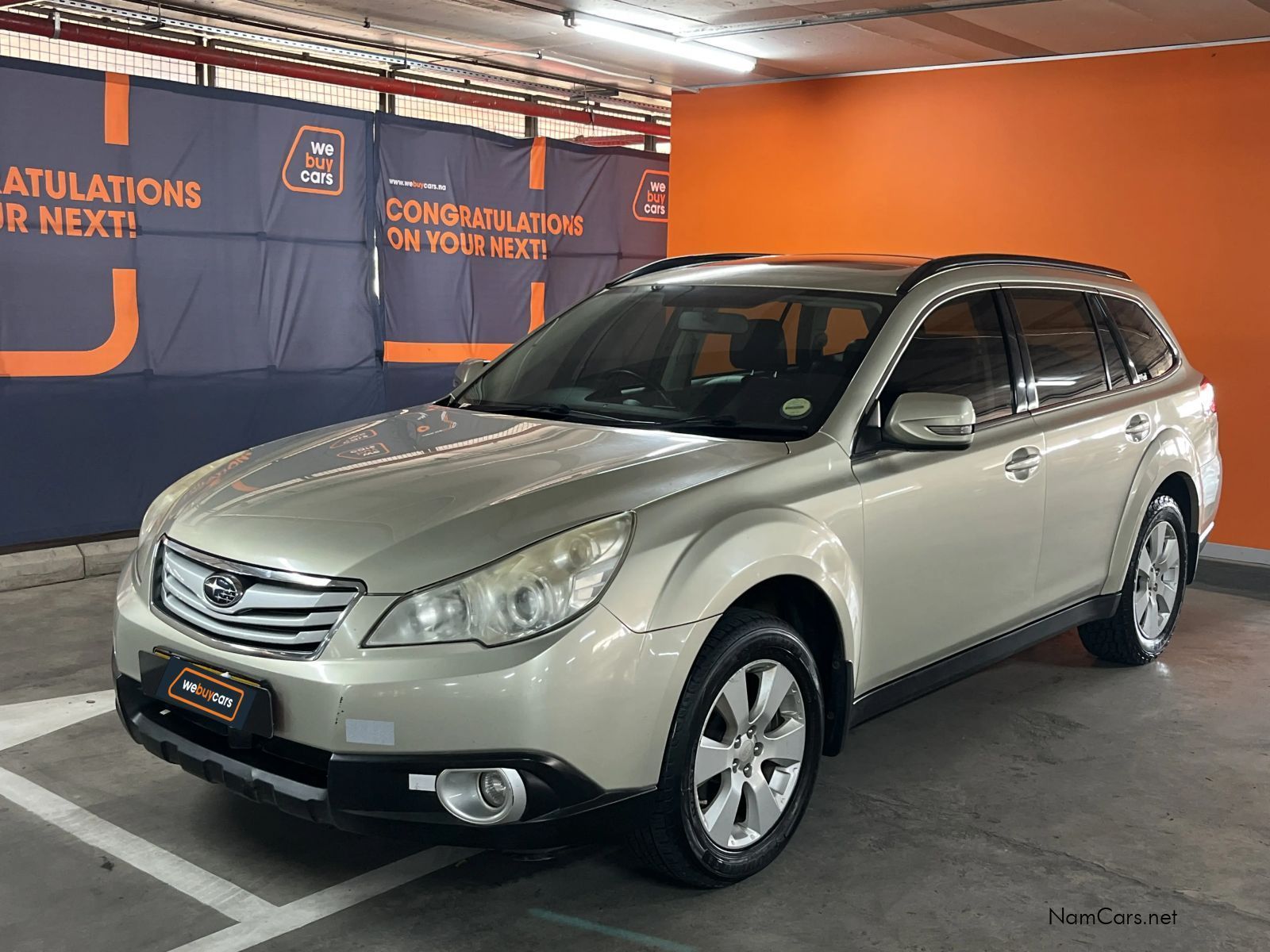
The 2010 Subaru Outback 2.5i Premium represents a pivotal model year, marking the fourth generation of the nameplate with a significant redesign that shifted the vehicle from a tall wagon aesthetic toward a more robust, crossover-oriented SUV stance. It features the signature Symmetrical All-Wheel Drive system, a 2.5-liter horizontally opposed "boxer" engine, and increased interior dimensions that cater to families and outdoor enthusiasts seeking reliable utility and mechanical stability.
Architectural Evolution: The Fourth Generation Redesign
When the 2010 model arrived on the market, it signaled a departure from the sleek, station-wagon-centric styling of its predecessors. Subaru expanded the chassis, increasing the wheelbase by nearly 3 inches and the vehicle height by over 4 inches compared to the 2009 model. This shift was intended to provide a more commanding driving position and improved ground clearance, which was finalized at 8.7 inches. The 2.5i Premium trim served as the "sweet spot" in the hierarchy, sitting above the base model by offering essential comfort upgrades without the added complexity of the 3.6R six-cylinder powertrain.
The chassis redesign was not merely aesthetic. Subaru utilized a new rear double-wishbone suspension system, which allowed for better cargo floor space by minimizing the intrusion of suspension components. For the buyer navigating the used market in 2026, this structural change is the most defining characteristic, as it dictates the interior ergonomics and ride comfort that remain consistent even after fifteen years of vehicle aging.
Powertrain and Drivetrain Dynamics
The heart of the 2010 Subaru Outback 2.5i Premium is the 2.5-liter naturally aspirated four-cylinder engine, designated as the EJ253. It produces 170 horsepower and 170 pound-feet of torque. In the context of 2026, it is important to understand that this engine relies on a timing belt system, which requires periodic replacement—a critical maintenance item that directly impacts long-term reliability.
Transmission Variations
Buyers encountered two distinct transmission choices in the 2010 Premium trim:
- Six-Speed Manual Transmission: A rarity in the crossover segment even in 2010, providing a more engaging connection for the driver and utilizing a mechanical center differential.
- Lineartronic CVT (Continuously Variable Transmission): This was one of the first implementations of Subaru’s chain-driven CVT. Unlike traditional automatic transmissions with fixed gear ratios, the CVT adjusts ratios infinitely to optimize engine speed for fuel efficiency.
While the manual transmission offers mechanical simplicity, the CVT provides superior fuel economy, often cited in EPA testing as achieving roughly 22 mpg city and 29 mpg highway. Owners should note that the early iteration of the CVT in the 2010 model requires adherence to specific fluid maintenance schedules to ensure the longevity of the steel belt and pulley system.
Interior Ergonomics and Utility
The 2010 interior represented a concerted effort by Subaru to improve cabin quality. The "Premium" designation specifically introduced a 10-way power-adjustable driver’s seat with power lumbar support, an upgraded sound system, and a leather-wrapped steering wheel.
The increased dimensions of the fourth generation resulted in significant gains in rear-seat legroom, making it a viable family vehicle. The rear seats feature a 60/40 split-folding configuration, and the inclusion of standard integrated roof rails with crossbars that swing out from the longitudinal bars remains one of the most innovative cargo-carrying features in the automotive industry. This "swing-in" design allows the bars to be deployed without purchasing additional roof rack accessories, a detail that continues to make the 2010 Outback highly desirable for camping and utility purposes.
Comparative Market Position
When evaluating the 2010 Outback 2.5i Premium against its contemporaries, it is helpful to contrast its focus on all-weather capability with the features found in competitors of that era.
| Feature | 2010 Outback 2.5i Premium | 2010 Toyota RAV4 | 2010 Honda CR-V |
|---|---|---|---|
| AWD System | Symmetrical Full-Time | Part-Time/On-Demand | Part-Time/On-Demand |
| Ground Clearance | 8.7 Inches | 7.5 Inches | 6.3 Inches |
| Primary Advantage | Off-Road Capability | Reliability/Resale | Interior Refinement |
| Transmission | CVT or 6-Speed Manual | 4-Speed Automatic | 5-Speed Automatic |
As shown, the Outback prioritizes a lower center of gravity through its boxer engine and superior ground clearance, which sets it apart from the more "tall-box" SUV competitors. While the RAV4 and CR-V are often lauded for their powertrain simplicity, the Outback provides a more composed driving experience on unpaved or snow-covered surfaces.
Key Maintenance Considerations for the 2010 Model
By 2026, the youngest 2010 Outback models are sixteen years old. Prospective owners or current maintainers must prioritize specific mechanical areas to ensure safety and performance.
1. Head Gaskets and Cooling
The EJ25 series engine is historically associated with head gasket concerns. While the 2010 version featured improved gasket designs compared to earlier generations, it remains a critical point of inspection. Persistent loss of coolant or oil seepage near the cylinder heads should be addressed immediately to prevent engine overheating.
2. Suspension and Bushings
The rear double-wishbone suspension, while effective, contains several bushings that degrade over high mileage. If the vehicle feels "loose" or experiences clunking sounds over bumps, a thorough inspection of the rear control arm bushings is advised.
3. CVT Fluid Integrity
If the vehicle is equipped with the Lineartronic CVT, verifying that the fluid has been changed is paramount. There is no such thing as a "lifetime" fluid in this context; consistent maintenance intervals are the only way to avoid catastrophic transmission failure.
Frequently Asked Questions
Is the 2010 Subaru Outback 2.5i Premium suitable for towing? The 2010 model has a maximum towing capacity of 2,700 pounds. While adequate for small utility trailers or lightweight campers, it is essential to ensure the vehicle is equipped with a transmission oil cooler, especially if it is the CVT model, to manage the increased heat load during towing.
Does the 2010 Outback have timing chain or belt? The 2.5i engine uses a timing belt. The recommended service interval for replacement is typically every 105,000 miles or 105 months, whichever occurs first. If you are purchasing this vehicle in 2026, documentation of this service is a primary negotiation point.
Is the 2010 Outback safe by modern standards? The 2010 Outback was a "Top Safety Pick" by the IIHS in its release year. It includes standard front, side-curtain, and front-seat torso airbags, along with Vehicle Dynamics Control (VDC) for electronic stability. However, it lacks the advanced "EyeSight" driver-assist features found in later Subaru generations.
What is the difference between the 2.5i Premium and the 2.5i Limited? The Premium trim includes the core comfort features like the power driver seat and upgraded audio, whereas the Limited trim adds leather upholstery, dual-zone climate control, and a premium Harman Kardon audio system. Mechanically, the two trims are identical.
Are parts still readily available for the 2010 Outback? Yes, because Subaru utilized the fourth-generation chassis from 2010 through 2014, parts remain widely available through both OEM dealerships and aftermarket suppliers. The ubiquity of this model ensures that body panels, suspension components, and engine sensors remain accessible.
Recommendation for Current Owners and Buyers
The 2010 Subaru Outback 2.5i Premium is a capable, versatile vehicle that serves as an excellent entry point into the Subaru ecosystem. If you are considering purchasing one, prioritize finding a unit with a verified service history, particularly concerning timing belt replacement and CVT fluid changes. If you currently own one, performing a suspension refresh and ensuring that the cooling system is free of debris will likely extend the vehicle's functional life significantly. It remains a benchmark for practical, all-weather transportation for those who prioritize utility over the electronic complexity of modern 2026 crossovers.