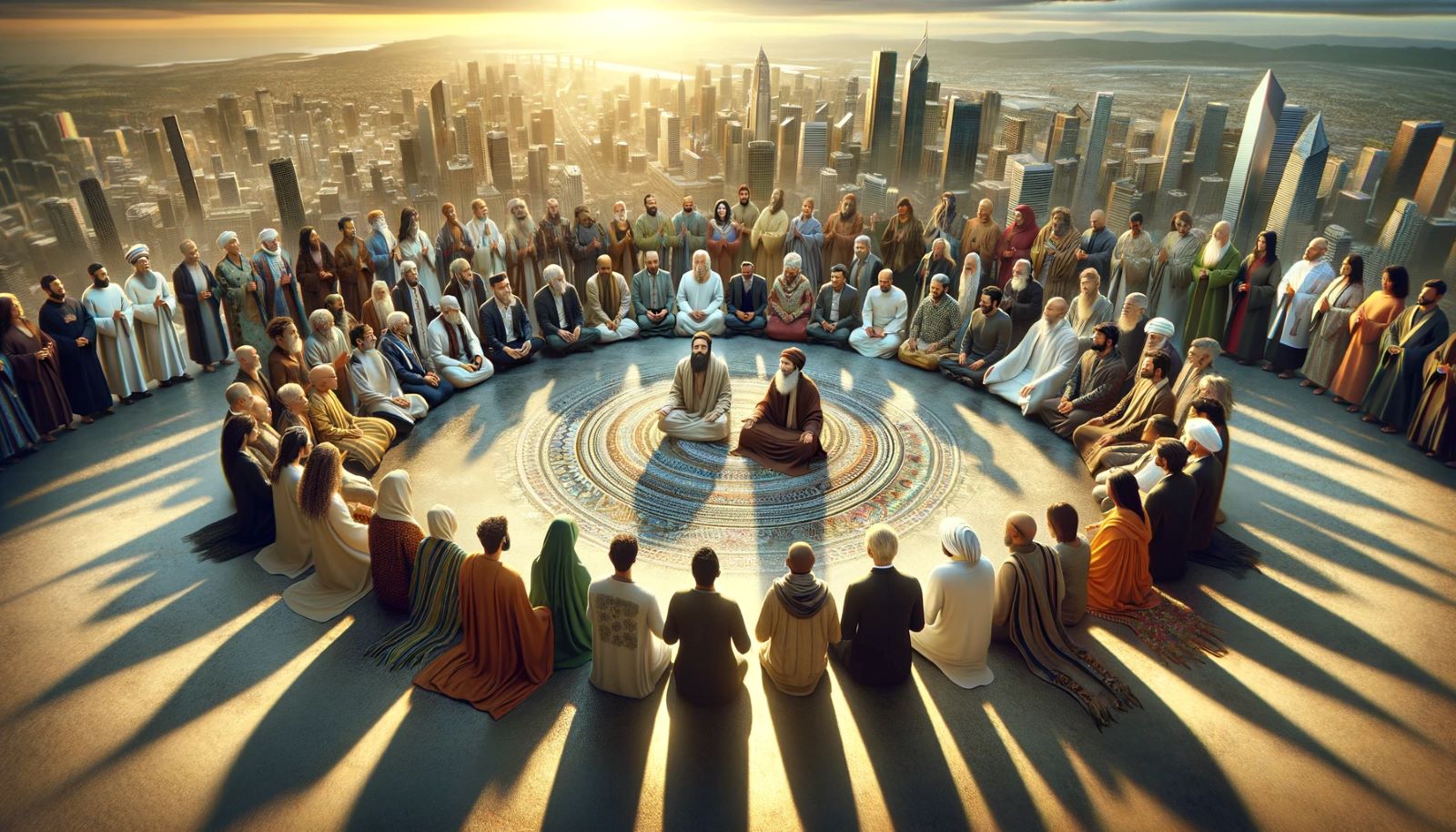
The question of whether modern-day apostles exist hinges entirely on how different Christian traditions define the office, authority, and historical cessation of the role established in the New Testament. While cessationist denominations argue that the office was strictly foundational and limited to the immediate witnesses of the resurrected Christ, continuationist and charismatic movements maintain that the spiritual function and title of apostle continue to operate in the contemporary church for governance, church planting, and global mission.
Exploring the modern reality of apostles requires a careful examination of biblical terminology, historical church governance, and the theological divides separating Protestant, Catholic, Eastern Orthodox, and Pentecostal-Charismatic communities.
Biblical Foundations: Defining the New Testament Term "Apostle"
To evaluate whether apostles exist today, one must first examine how the term is used in the Christian scriptures. The English word "apostle" derives from the Greek apóstolos, which literally means "one who is sent out" or a messenger. However, the New Testament uses this term with varying degrees of breadth and specificity.
In its strictest and most elevated sense, the term applies to the Twelve Apostles chosen by Jesus, along with Paul, who testified to seeing the resurrected Christ and received a direct commission. The qualifications for this primary tier of apostleship are outlined in Acts 1:21–22, where replacement candidates had to have accompanied Jesus from His baptism by John until His ascension, serving as eyewitnesses to the resurrection.
Beyond this inner circle, the New Testament applies the term apostos more broadly to individuals who traveled to plant churches, exercise spiritual authority, and act as pioneering emissaries of the gospel. Figures such as Barnabas, James the brother of Jesus, Timothy, Titus, and Andronicus and Junia are either explicitly called apostles or described in ways that attribute apostolic function to them. This linguistic flexibility creates the foundation for contemporary debates: was the office strictly tied to the eyewitnesses of the resurrection, or was it an ongoing functional role meant to empower church expansion across every era?
Cessationist View: Why the Office Ended with the Early Church
The majority of historical Protestantism—including Reformed, Presbyterian, Baptist, and Lutheran traditions—holds a cessationist view regarding miraculous spiritual gifts and foundational church offices. Cessationists argue that modern-day apostles do not exist because the unique qualifications, authority, and historical purpose of the office expired with the death of the first-century apostles.
Key Arguments for Cessationism
- The Foundational Metaphor: In Ephesians 2:20, the Apostle Paul describes the household of God as being "built on the foundation of the apostles and prophets, Christ Jesus himself being the cornerstone." Cessationists point out that a foundation is laid only once during a building's construction; it does not need to be relaid continuously throughout the building's lifespan.
- Eyewitness Requirement: Traditional theology holds that an authentic apostle had to be a direct witness of the resurrected Jesus Christ (1 Corinthians 9:1, 15:8–9). Because no living human being has physically seen the resurrected Christ in the flesh under the conditions of the early eyewitnesses, no one today can meet the baseline historical criteria.
- Inerrant Scripture Generation: The original apostles possessed unique, authoritative inspiration to write the documents that became the New Testament canon. With the canon closed, the need for new, canonical-level revelation or the foundational governance tied to it has ceased.
From this perspective, individuals who claim the title of apostle today are viewed with theological concern. Cessationists argue that modern self-proclaimed apostles often usurp authority that belongs solely to scripture and historic church governance, opening the door to doctrinal error and authoritarian abuses.
Continuationist and Charismatic View: Apostles as a Continuing Gift
Conversely, Pentecostal, Charismatic, and independent apostolic-prophetic networks argue that the ascension gifts described in Ephesians 4:11–13 were never meant to expire before Christ's physical return.
"And he gave the apostles, the prophets, the evangelists, the shepherds and teachers, to equip the saints for the work of ministry, for building up the body of Christ, until we all attain to the unity of the faith..." (Ephesians 4:11–13, ESV)
Continuationists make a crucial distinction between the Capital-A Apostles (the Twelve and Paul, whose writings carry canonical authority) and lowercase-a apostles (missionary pioneers, church-planting leaders, and overseers who function with spiritual authority today).
Functions of Modern-Day Apostles in Charismatic Networks
In contemporary global Christianity—particularly within the New Apostolic Reformation (NAR) and independent charismatic fellowships—modern apostles fulfill specific operational roles:
- Pioneering and Church Planting: Modern apostles often operate as spiritual entrepreneurs who travel across regions or nations to break new ground, establish interdependent churches, and provide covering for emerging ministries.
- Strategic Oversight: Rather than functioning as local pastors of a single congregation, contemporary apostles frequently oversee networks of churches, acting as spiritual fathers or mentors to local elders.
- Doctrinal Guardian Role: They work to maintain apostolic doctrine and unity across multi-ethnic or global church associations, helping to protect congregations from theological drift.
Advocates of this view emphasize that the title should reflect proven spiritual fruit, character, and sacrificial endurance rather than mere self-appointment or organizational ambition.
Comparative Analysis of Apostolic Views Across Traditions
To clarify how different branches of global Christianity approach this question, the table below summarizes their definitions, structural roles, and stances on modern-day apostles.
| Christian Tradition | View on Modern Apostles | Primary Biblical Justification | Nature of Authority |
|---|---|---|---|
| Roman Catholicism | Apostolic Succession (Bishops): The office continues exclusively through the historic episcopate, where bishops are successors to the apostles. | Matthew 16:18–19, Apostolic Tradition, unbroken ordination lines. | Sacramental and hierarchical authority passed down through papal communion and holy orders. |
| Eastern Orthodoxy | Apostolic Succession: Bishops hold the apostolic office collectively, maintaining unbroken historical continuity from the early church. | Acts of the Apostles, Patristic consensus, sacramental theology. | Conciliar and sacramental oversight anchored in ancient liturgical tradition and church councils. |
| Traditional Protestantism (Cessationist) | Non-existent: The office was strictly foundational and ceased with the death of the original eyewitnesses. | Ephesians 2:20, Acts 1:21–22, closure of the scriptural canon. | Authority resides exclusively in the inspired text of Holy Scripture rather than living human officeholders. |
| Pentecostal / Charismatic | Active Functional Role: Apostles exist today as pioneering leaders, missionaries, and network overseers. | Ephesians 4:11–13, Romans 16:7, functional roles in the early church. | Relational, spiritual, and missional influence over networks of churches or ministries. |
Historical and Institutional Continuity: Catholic and Orthodox Perspectives
While Protestant debates often focus on whether the title of apostle is used today, Roman Catholic and Eastern Orthodox traditions view the question through the lens of Apostolic Succession.
In these liturgical traditions, modern-day apostles do not walk the earth bearing the title "Apostle," but their governing and sacramental authority is believed to be fully preserved through the historic episcopate—the unbroken line of bishops ordained down through the centuries from the original twelve.
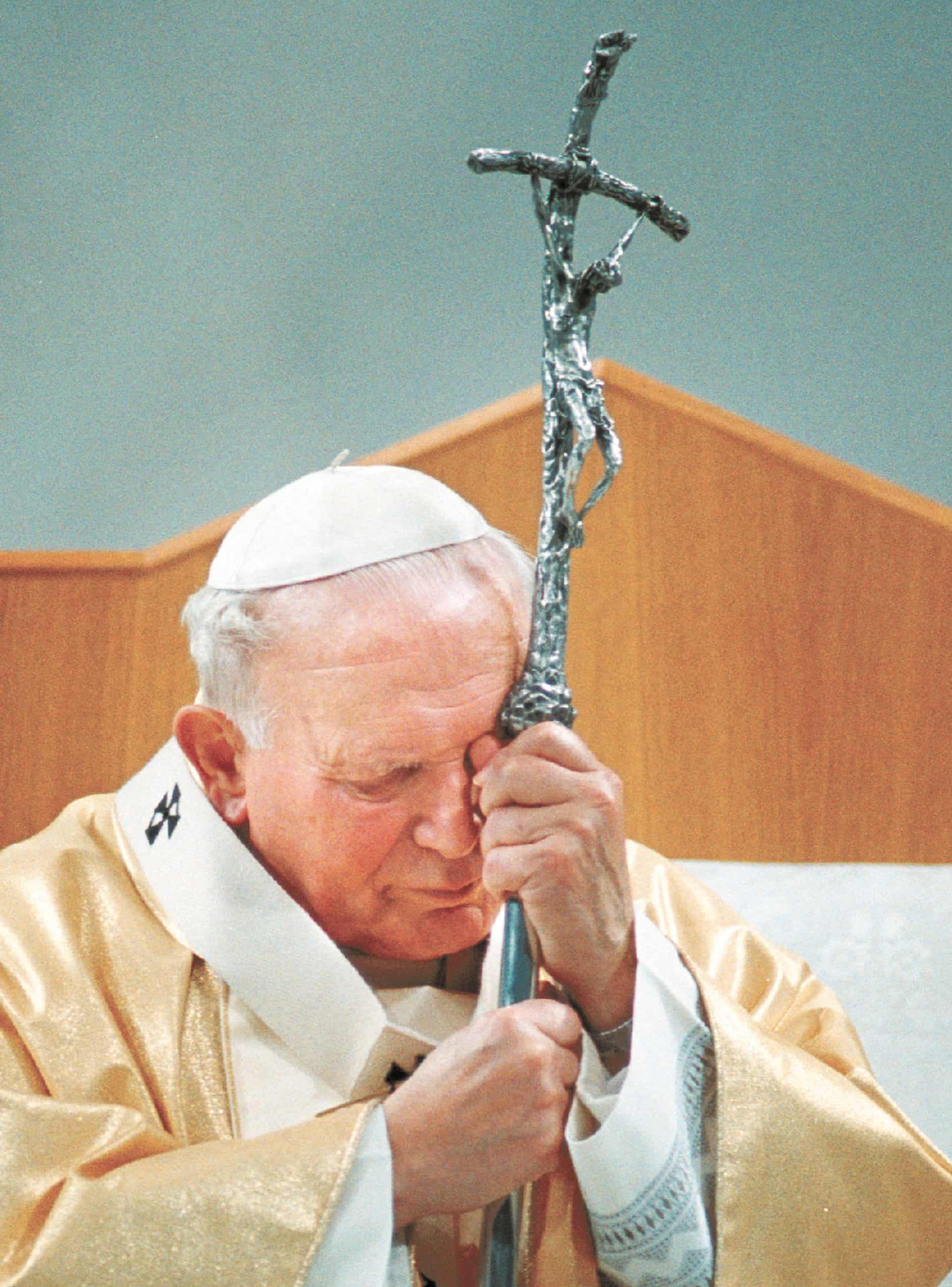
- The Catholic Position: The Pope, as the Bishop of Rome, stands as the successor to Saint Peter, while the global college of bishops represents the successors to the apostolic college. Through the Sacrament of Holy Orders, bishops inherit the authority to teach, sanctify, and govern the flock.
- The Orthodox Position: Orthodoxy similarly maintains that every validly consecrated bishop is a successor to the apostles, sharing equally in the apostolic grace passed down through the laying on of hands.
Thus, for Catholics and Orthodox Christians, modern apostles do exist, but they are recognized by the title of bishops operating within historical hierarchical structures rather than independent charismatic leaders claiming personal revelation.
Common Misconceptions and Practical Challenges
The modern discussion surrounding apostleship is frequently clouded by misunderstandings regarding titles, financial accountability, and spiritual authority.
1. Title vs. Function
A major point of friction involves nomenclature. Critics within traditional churches argue that individuals adopting the title "Apostle" today are often motivated by prestige, ego, or a desire for hierarchical control. Conversely, many contemporary missiologists argue that individuals in Western missions or global church-planting movements often function apostolically (starting new works, training leaders) without ever using the formal title.
2. Accountability and Governance
Independent charismatic networks that emphasize modern apostles face unique governance challenges. Without the institutional checks and balances found in Presbyterian synods, Catholic dioceses, or episcopal structures, some self-appointed apostles have exercised unchecked financial control and authoritarian rule over their adherents. Healthy contemporary networks emphasize that genuine apostolic authority is measured by humility, accountability to a board of peers, and sacrificial service rather than domination.
Conclusion
Are there modern-day apostles? The answer depends entirely on one's theological framework. If defined strictly as the foundational eyewitnesses of the resurrection who penned the New Testament, the answer is an absolute no. If defined through historic sacramental succession, the office continues through the historic episcopate of Catholic and Orthodox bishops. Finally, if understood as an ongoing functional gift for church planting, regional governance, and cross-cultural mission, many Christians around the globe affirm that modern-day apostles continue to function to build up the body of Christ.