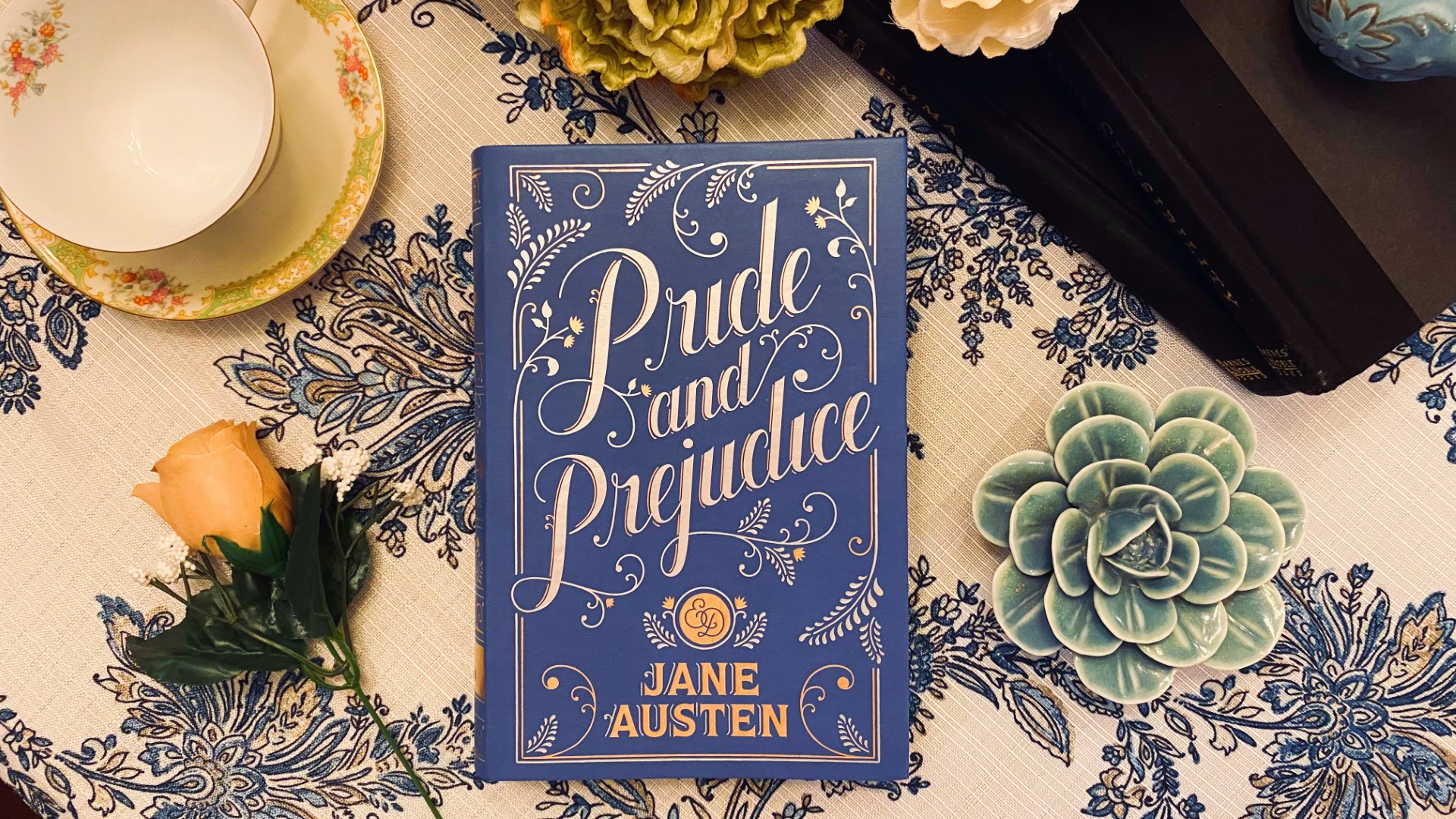
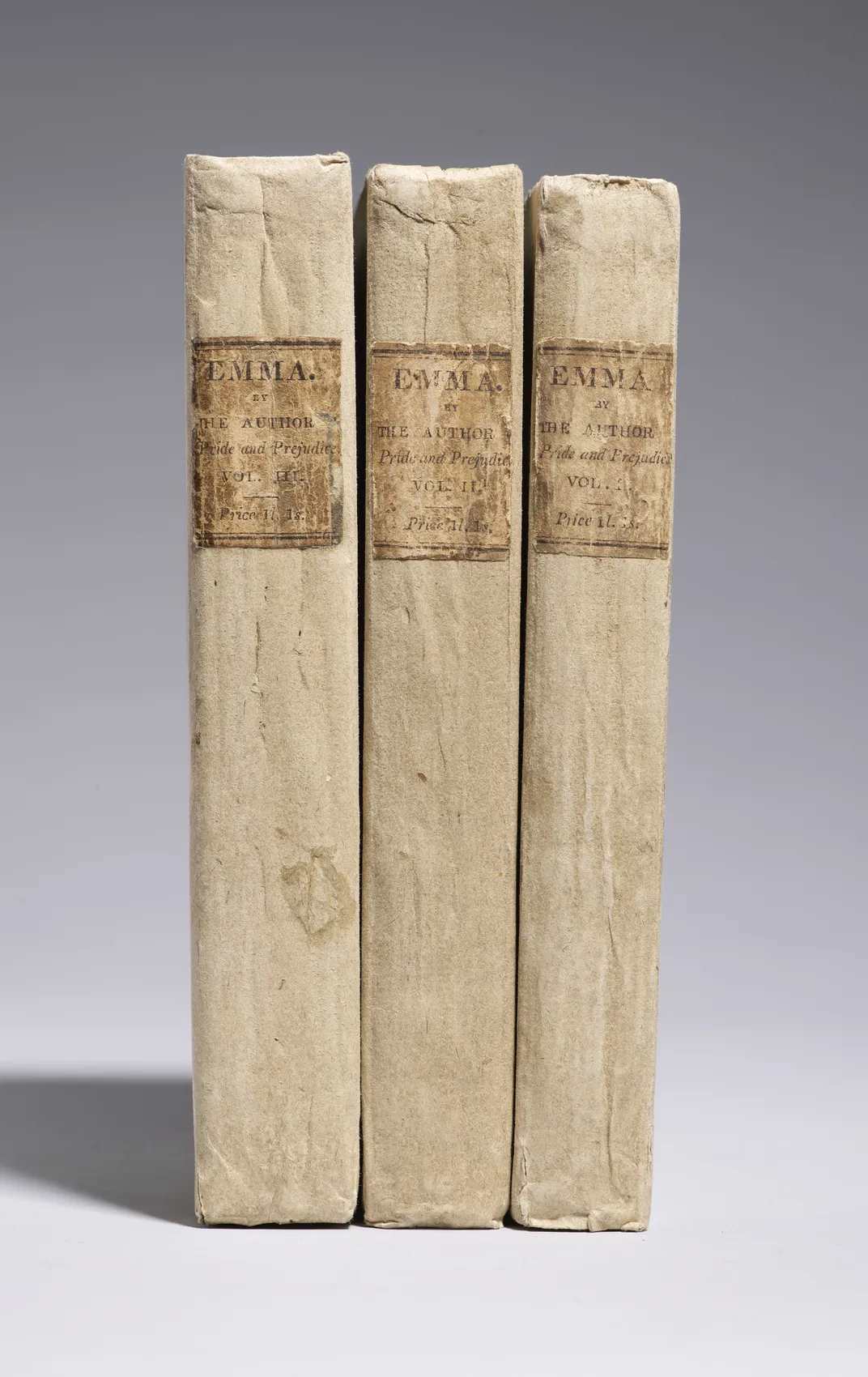
In 2026, the enduring legacy of Jane Austen remains as vibrant as the "lively mind" she bestowed upon her most famous heroines. Having just passed the 250th anniversary of her birth in December 2025, the global appreciation for her wit, psychological depth, and social commentary has reached an all-time high, cementing her status as a foundational pillar of English literature.
The Essence of the "Lively Mind" in Austen’s Work
The phrase "a lively mind" is often associated with Elizabeth Bennet in Pride and Prejudice, but it serves as a broader descriptor for Jane Austen’s own intellectual approach to the world. For Austen, a lively mind was not merely about being clever or humorous; it was an essential tool for navigating the rigid social structures of Regency England. It represented a combination of sharp observation, moral integrity, and the ability to find amusement in the absurdities of human behavior.
Writing in 2026, we can see that this mental agility is what allows her novels to transcend their historical setting. While the specific social mores of the early 19th century—such as entailment laws and strict calling cards—may seem foreign to modern readers, the internal lives of her characters remain startlingly familiar. The lively mind is the engine of her prose, driving the irony that defines her narrative voice.
The Power of Irony and Observation
Austen’s "lively mind" manifests most clearly through her use of irony. She famously described her own work as "the little bit (two inches wide) of ivory on which I work with so fine a brush." This self-deprecating remark itself contains a layer of irony, as her "tiny" scope managed to capture the universal complexities of the human heart and the structural flaws of society.
Her ability to observe the subtle power plays in a drawing room or the hypocrisy of a clergyman like Mr. Collins required a mind that was constantly active and critically engaged. In 2026, scholars continue to emphasize that Austen was not a "cloistered spinster" writing simple romances, but a sophisticated social critic whose intellect was deeply attuned to the political and philosophical shifts of her era.
Reflections on the 250th Anniversary (1775–2025)
The year 2025 marked two and a half centuries since Jane Austen was born in the rectory at Steventon. The celebrations across the globe, particularly in the United Kingdom, highlighted how her "lively mind" continues to inspire new generations. From massive "Janeite" gatherings in Bath to scholarly symposiums at Oxford, the 250th anniversary provided a moment to re-evaluate her contributions to the literary canon.
Key Events and Discoveries from the Bicentennial Plus Fifty
The 250th celebrations led to several significant milestones that remain relevant in 2026:
- Restoration of Chawton House: Significant grants and donations during the anniversary year allowed for further restoration of the "Great House" and the cottage where Austen spent her final, most productive years.
- New Digital Archives: The "Jane Austen 250" project saw the digitization of several previously obscure family letters and marginalia, providing fresh insight into her creative process and her biting wit in private correspondence.
- Global Diversity in Adaptations: The anniversary sparked a wave of international adaptations, proving that the themes of social mobility and personal integrity are as relevant in Seoul or Lagos as they are in London.
These developments have ensured that by 2026, the study of Austen is more accessible and technologically integrated than ever before. We are no longer just reading her books; we are engaging with a global, digital ecosystem of Austen scholarship.
Core Themes Driven by Intellectual Vitality
To understand the "lively mind" in Austen, one must examine the themes she returned to throughout her six major novels. Her intellectual vitality allowed her to explore serious issues—money, marriage, and morality—without ever becoming didactic or dull.
The Marriage Market and Economic Reality
Austen’s lively mind never lost sight of the cold, hard facts of economics. In 2026, we recognize her as one of the first great "realist" novelists. She understood that for a woman in her time, marriage was the only means of financial security. Her heroines are often caught between the need for economic stability and the desire for intellectual and emotional fulfillment.
The tension in Sense and Sensibility or Mansfield Park arises from characters trying to maintain their integrity in a world that views them as commodities. A "lively mind" in this context is a survival mechanism—a way to maintain one’s sense of self when one’s external life is dictated by others.
Psychological Realism and Free Indirect Discourse
Technically, Austen’s greatest contribution to the novel was her refinement of free indirect discourse. This narrative technique allows the reader to inhabit a character’s thoughts while maintaining a third-person perspective. This was a revolutionary development in the history of fiction. It allowed Austen to portray the "lively mind" from the inside out, showing the gap between what a character thinks and what they are permitted to say.
In 2026, creative writing programs still use Austen’s work as the gold standard for this technique. It is the reason why readers feel such an intimate connection with Emma Woodhouse or Anne Elliot; we aren't just told they are thinking; we experience the rhythm and flow of their consciousness.
Comparative Analysis of the Major Novels
The following table explores how the "lively mind" is manifested across Jane Austen's primary works, reflecting the diverse ways she explored intelligence and social navigation.
| Novel | Publication Year | Manifestation of the "Lively Mind" | Central Conflict |
|---|---|---|---|
| Sense and Sensibility | 1811 | The balance between emotional depth and rational restraint. | Financial ruin and social betrayal. |
| Pride and Prejudice | 1813 | Playful wit, verbal sparring, and the rejection of social artifice. | Overcoming first impressions and class prejudice. |
| Mansfield Park | 1814 | Quiet observation and moral steadfastness in a corrupt environment. | Resisting the pressure to conform to immoral social standards. |
| Emma | 1815 | Imaginative (though often misguided) intellectual energy and self-reflection. | The danger of meddling and the necessity of self-knowledge. |
| Northanger Abbey | 1817 (Posth.) | Satirical deconstruction of Gothic tropes and youthful naivety. | Distinguishing between fictional drama and real-life danger. |
| Persuasion | 1817 (Posth.) | Mature introspection, constancy of mind, and the "elegance of mind." | Regret over a lost love and the changing social order. |
Visiting the World of Jane Austen in 2026
For those looking to experience the physical spaces that shaped Austen's lively mind, 2026 offers several well-maintained sites. Following the influx of interest from the 250th anniversary, these locations have updated their visitor experiences to include more interactive and educational content.
- Chawton House and Jane Austen’s House Museum: Located in Hampshire, this is the "heart" of Austen country. The museum houses her writing desk—a surprisingly small piece of furniture where some of the greatest works in English literature were composed.
- Winchester Cathedral: Austen is buried here, and the cathedral remains a place of pilgrimage. In 2026, the commemorative exhibits installed for the 250th anniversary are still on display, offering a deep dive into her final days and her lasting legacy.
- The City of Bath: While Austen had a complicated relationship with Bath, the city remains a living monument to the Regency era. The Jane Austen Centre provides a historical context for her time spent there and how it influenced novels like Northanger Abbey and Persuasion.
- Steventon: Though the original rectory where she was born is no longer standing, the village and the church of St. Nicholas remain largely unchanged, offering a sense of the rural isolation that allowed her mind the space to create.
Why Jane Austen Matters in 2026
The primary reason we still celebrate Jane Austen at 250 and beyond is her refusal to underestimate her readers. She assumes we have lively minds of our own. She does not explain every joke; she does not label every villain. Instead, she invites us to participate in the social observation.
In an age of rapid information and digital noise, the "Austenian" approach—characterized by slow observation, careful speech, and deep psychological inquiry—offers a necessary counterweight. Her novels are not just "period pieces"; they are manuals for how to maintain one's character and humor in a world that often demands neither.
The Evolution of "Janeitism"
The community of fans, known as Janeites, has evolved significantly by 2026. The 250th anniversary helped bridge the gap between traditional literary societies and modern digital fandom. We see this in the rise of "Austen-tech," where AI-driven analysis of her sentence structures provides new insights into her writing style, and in the continued popularity of "Regencycore" aesthetics in fashion and interior design.
Frequently Asked Questions
What exactly does "a lively mind" mean in the context of Jane Austen?
A "lively mind" refers to a character's—and the author's—intellectual vitality, wit, and ability to perceive the truth beneath social surfaces. In Austen’s world, it is the highest form of intelligence, combining humor with a deep understanding of human nature.
Why was 2025 such a significant year for Jane Austen fans?
2025 was the 250th anniversary of Jane Austen’s birth (December 16, 1775). It served as a global milestone to celebrate her work, leading to new museum exhibits, scholarly publications, and cultural festivals that have continued to influence the literary landscape into 2026.
How did Jane Austen’s own life reflect the "lively mind"?
Despite living a relatively quiet life in rural Hampshire, Austen’s letters reveal a woman of extraordinary wit and sharp observational skills. Her mind was constantly active, processing the world around her into the satirical and deeply felt narratives of her novels.
Is Jane Austen’s work still relevant for modern readers in 2026?
Yes, her work remains relevant because she focuses on universal themes such as social hierarchy, the search for self-knowledge, the complexities of family dynamics, and the struggle for personal autonomy. Her psychological realism prefigures the modern novel.
Which Jane Austen novel is the best example of a "lively mind"?
While all her heroines possess intelligence, Elizabeth Bennet in Pride and Prejudice is the most famous example of a "lively mind." However, Emma Woodhouse’s imaginative (if flawed) intellect and Anne Elliot’s mature, "elegant" mind are also significant explorations of the concept.
Practical Recommendation for Further Exploration
If you are looking to deepen your engagement with Jane Austen’s lively mind in 2026, the best next step is to move beyond the six major novels and explore her Juvenilia and her Letters.
The Juvenilia, written when she was a teenager, show a wild, anarchic wit that is often absent from the more polished novels. Her letters, particularly those to her sister Cassandra, provide the most direct access to Austen’s own voice—unfiltered, often biting, and always intellectually sharp. By reading these primary sources, you can see the raw materials of the genius that the world celebrated so vibrantly during her 250th anniversary.