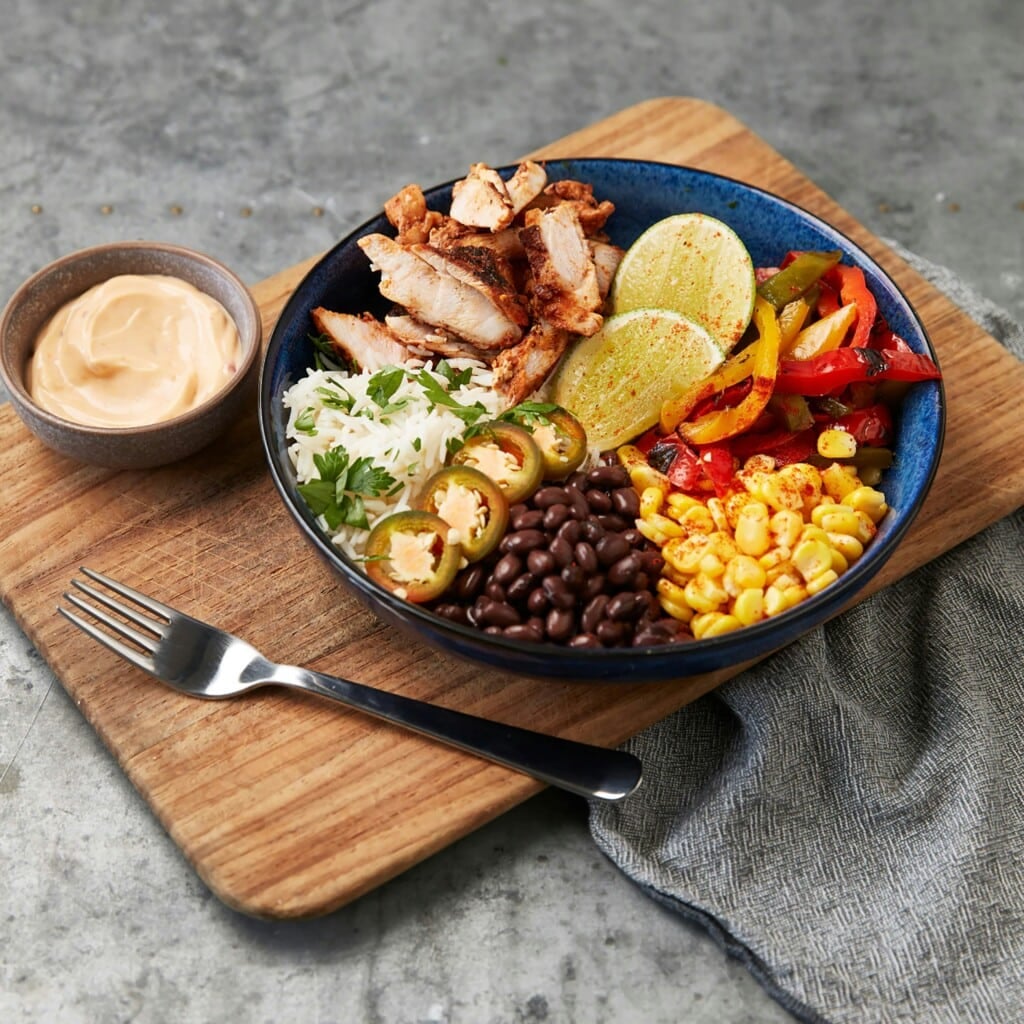
A healthy meal from Chipotle consists of a Burrito Bowl or Salad featuring lean protein like grilled chicken or steak, a fiber-rich base of greens or brown rice, and nutrient-dense toppings such as fajita vegetables and guacamole. By avoiding flour tortillas, chips, and queso, you can keep calories and sodium manageable.
Navigating a fast-casual menu while adhering to health goals often feels like a balancing act between flavor and nutrition. Chipotle Mexican Grill has long positioned itself as a leader in "food with integrity," prioritizing whole ingredients over ultra-processed additives. However, even with high-quality ingredients, it is remarkably easy to assemble a meal that exceeds 1,500 calories and a full day’s worth of sodium. As of 2026, understanding the nutritional architecture of the Chipotle menu is the key to transforming a standard order into a functional, health-optimized meal.
The Foundation: Selecting the Right Base
The first decision in the ordering line is the most consequential for your meal’s caloric density. The traditional flour tortilla used for burritos contains approximately 320 calories and 50 grams of refined carbohydrates. For most health-conscious diners, this represents "empty" energy that lacks significant fiber or micronutrients.
The Superiority of the Burrito Bowl and Salad
To build a truly healthy meal, the Burrito Bowl or Salad is the gold standard. Choosing a bed of Supergreens (a blend of romaine, baby kale, and baby spinach) provides a high-volume, low-calorie foundation rich in Vitamin K, Vitamin A, and folate.
If you require more complex carbohydrates for energy, brown rice is the preferred grain over white rice. While the calorie counts are similar (approximately 210 calories per scoop), brown rice is a whole grain that retains its bran and germ layers, offering slightly more fiber and a lower glycemic index. This results in a slower release of glucose into the bloodstream, preventing the energy crashes associated with refined white rice.
The Role of Cauliflower Rice
As we look at the menu options available in 2026, riced cauliflower remains a popular seasonal or "lifestyle" alternative. It offers a fraction of the calories found in grain-based rice (about 40 calories per serving) and is an excellent tool for those following ketogenic or low-calorie protocols. It provides the texture of a grain base while significantly increasing your daily vegetable intake.
Protein Selection: Lean Gains and Plant-Based Options
Protein is the anchor of any healthy meal, providing the amino acids necessary for muscle repair and metabolic function. Chipotle’s protein options vary significantly in terms of fat content and preparation methods.
Grilled Chicken and Steak
For those prioritizing lean protein, Grilled Chicken is the most efficient choice. It typically contains about 180 calories and 32 grams of protein per serving. It is seasoned with an adobo rub and grilled, making it lower in saturated fat compared to the braised meat options. Steak is a close second, offering a similar protein profile (21 grams) with a slightly higher iron content, though it is often marinated in a way that increases sodium levels.
Braised Meats: Barbacoa and Carnitas
Barbacoa (shredded beef) and Carnitas (shredded pork) are braised rather than grilled. While they are rich in flavor, Carnitas is notably higher in saturated fat due to the nature of the pork shoulder and the cooking process. Barbacoa is a solid middle-ground option, providing a high protein yield but often containing more sodium than the grilled chicken.
Sofritas: The Plant-Based Powerhouse
For vegetarians and vegans, Sofritas—organic, shredded tofu braised with chipotle chilies and roasted poblano peppers—is the primary protein source. While tofu is a complete protein, it is important to note that Sofritas are cooked in a sauce that is relatively high in sodium and added sugars compared to the plain grilled meats. If you are monitoring salt intake, you might consider doubling up on beans as your protein source instead.
The Importance of Fiber: Beans and Fajita Veggies
One of Chipotle’s greatest nutritional strengths is its accessibility to high-fiber legumes and fresh vegetables. Fiber is essential for digestive health, cholesterol management, and satiety.
- Black Beans vs. Pinto Beans: Both options are nutritionally excellent, providing about 8 grams of fiber and 8 grams of protein per scoop. Black beans are slightly higher in antioxidants (specifically anthocyanins), while pinto beans offer a creamy texture. Avoid the temptation to skip beans; they are the primary source of slow-digesting "resistant starch" in your meal.
- Fajita Vegetables: This blend of sautéed bell peppers and onions should be a mandatory addition to every healthy bowl. They are low in calories (around 20 per serving) and provide essential Vitamin C and fiber. Ask for a double serving to increase the volume of your meal without significantly impacting the calorie count.
Navigating Fats and Toppings
The toppings are where a healthy bowl can quickly become a caloric disaster. The key to a healthy meal is distinguishing between nutrient-dense "healthy fats" and "empty" fats.
The Guacamole Factor
Guacamole is arguably Chipotle’s most iconic offering. From a health perspective, it is a nutritional powerhouse, providing monounsaturated fats (heart-healthy fats), potassium, and fiber. However, a single scoop contains roughly 230 calories. If you include guacamole, it should serve as your primary fat source for the meal, meaning you should ideally forgo the sour cream and cheese.
The "Avoid" List: Sour Cream, Queso, and Cheese
While delicious, these three items are the primary sources of saturated fat and excess calories at Chipotle.
- Sour Cream: A single dollop adds 110 calories and lacks significant protein or vitamins.
- Queso Blanco: While made with real cheese and peppers, it is calorie-dense and high in sodium.
- Shredded Cheese: Adds 110 calories and significant sodium.
If you crave the creaminess these items provide, try using the green chili salsa or a smaller portion of guacamole instead.
Salsa Strategy and Sodium Management
Sodium is the "hidden" hurdle at Chipotle. Almost every ingredient—from the rice to the meat—is seasoned with salt. For individuals with hypertension or those sensitive to salt, strategic salsa selection is vital.
- Fresh Tomato Salsa (Pico de Gallo): This is the lowest-calorie salsa and provides fresh lycopene from the tomatoes. However, it is surprisingly high in sodium.
- Tomatillo Green-Chili Salsa: A medium-heat option that provides a punch of flavor for only 15 calories.
- Tomatillo Red-Chili Salsa: The spiciest option, which can help boost metabolism slightly through capsaicin, but should be used sparingly if you are sensitive to heat.
- Roasted Chili-Corn Salsa: This is more of a side dish than a salsa. It adds roughly 210 calories per serving due to the sweet corn and poblano peppers. If you are already having rice or beans, adding the corn salsa can result in a very high carbohydrate load.
Comparison of Healthy vs. Standard Orders
The following table compares a "Health-Optimized Bowl" with a "Standard Burrito Order" to illustrate how small choices impact the total nutritional profile.
| Component | Health-Optimized Bowl | Standard Burrito Order |
|---|---|---|
| Wrapper/Base | Supergreens Lettuce Blend | Large Flour Tortilla |
| Protein | Grilled Chicken | Carnitas (Pork) |
| Grains | None (or half scoop Brown Rice) | White Rice |
| Legumes | Black Beans | Pinto Beans |
| Vegetables | Double Fajita Veggies | None |
| Fats | Guacamole (Full Scoop) | Cheese, Sour Cream, and Queso |
| Salsa | Tomatillo Green-Chili | Fresh Tomato & Corn Salsa |
| Estimated Calories | 450 - 550 kcal | 1,200 - 1,500 kcal |
| Estimated Sodium | 1,100 mg | 2,500+ mg |
Diet-Specific Ordering Strategies in 2026
Chipotle has simplified healthy eating by introducing "Lifestyle Bowls" that cater to specific dietary frameworks. Here is how to order based on common 2026 health protocols:
The Keto/Low-Carb Approach
Focus on high protein and healthy fats.
- Base: Supergreens or Cauliflower Rice.
- Protein: Chicken, Steak, or Barbacoa.
- Toppings: Extra Fajita Veggies, Fresh Tomato Salsa, Cheese, and Guacamole.
- Avoid: All beans, rice, corn, and tortillas.
The Whole30/Paleo Approach
Focus on unprocessed, whole foods without grains or legumes.
- Base: Supergreens.
- Protein: Chicken or Steak (ensure the marinade fits current Whole30 guidelines).
- Toppings: Fajita Veggies (ask if they are cooked in compliant oil), Green-Chili Salsa, and Guacamole.
- Avoid: Rice, beans, cheese, sour cream, and queso.
The High-Protein/Fitness Approach
Focus on maximizing protein-to-calorie ratio for muscle maintenance.
- Base: Small portion of Brown Rice and Supergreens.
- Protein: Double Chicken.
- Toppings: Black beans, Fajita Veggies, and Pico de Gallo.
- Avoid: Chips and large portions of sour cream or guacamole.
Common Mistakes and How to Avoid Them
Even with the best intentions, diners often fall into traps that compromise the health benefits of their meal.
- The Vinaigrette Trap: The Chipotle Honey Vinaigrette is often perceived as a "healthy" salad dressing. In reality, it contains about 220 calories per serving and is high in sugar and oil. If you are eating a salad, use the salsas or a squeeze of lime as a dressing instead.
- The "Sides" Illusion: A bag of chips contains 540 calories and 73 grams of carbohydrates. This single side dish often contains more calories than the entire healthy bowl. If you need a crunch, ask for a side of lettuce or extra bell peppers.
- Drink Choices: Avoid the specialty lemonades and sodas, which are loaded with high-fructose corn syrup or cane sugar. Opt for unsweetened iced tea, sparkling water, or plain water to keep the meal's glycemic load low.
- Double Wrapping: Some customers request a "double wrap" (two tortillas) for their burrito. This adds over 600 calories of refined flour before a single filling is even added.
Frequently Asked Questions
Is Chipotle's chicken processed?
Chipotle uses real chicken thighs that are marinated in an adobo rub and grilled in the restaurant. Unlike many fast-food chains, the chicken is not "formed" or pre-cooked in a factory. However, it is high in sodium due to the marinade, which is a consideration for those on heart-healthy diets.
Which salsa has the least amount of sugar?
The Tomatillo Green-Chili Salsa and Tomatillo Red-Chili Salsa generally have the lowest sugar content. The Roasted Chili-Corn Salsa contains the highest amount of sugar due to the natural sugars found in sweet corn.
Can I eat at Chipotle if I am on a low-sodium diet?
It is challenging but possible. To minimize sodium, choose a salad base, skip the beans and the pre-seasoned rice, and opt for plain grilled chicken. Use guacamole and extra fajita veggies for flavor rather than the salsas, which are heavily salted. You can also consult the American Heart Association guidelines on managing sodium when dining out.
Is the brown rice actually better than white rice?
From a micronutrient and fiber perspective, yes. Brown rice contains more magnesium, phosphorus, and fiber. However, the caloric difference is negligible. If your goal is purely weight loss through calorie counting, the choice between the two is less important than the choice of protein and toppings.
Are the "Lifestyle Bowls" worth it?
Yes, the Lifestyle Bowls (Keto, Paleo, Vegan, etc.) are pre-configured to meet specific macro requirements. They are a "safe" way to order without having to second-guess every ingredient, ensuring you stay within your dietary parameters.
Final Recommendation
To enjoy a healthy meal from Chipotle that supports your wellness goals in 2026, prioritize the Burrito Bowl or Salad. Start with a base of Supergreens and a light portion of brown rice, select double grilled chicken for protein, and load up on fajita vegetables and black beans for fiber. Use the green-chili salsa for flavor and a half-portion of guacamole for healthy fats, while strictly avoiding the flour tortilla, chips, and high-calorie dressings. This approach provides a nutrient-dense, high-protein meal that keeps you full without the caloric or sodium "overload" typical of fast-casual dining.