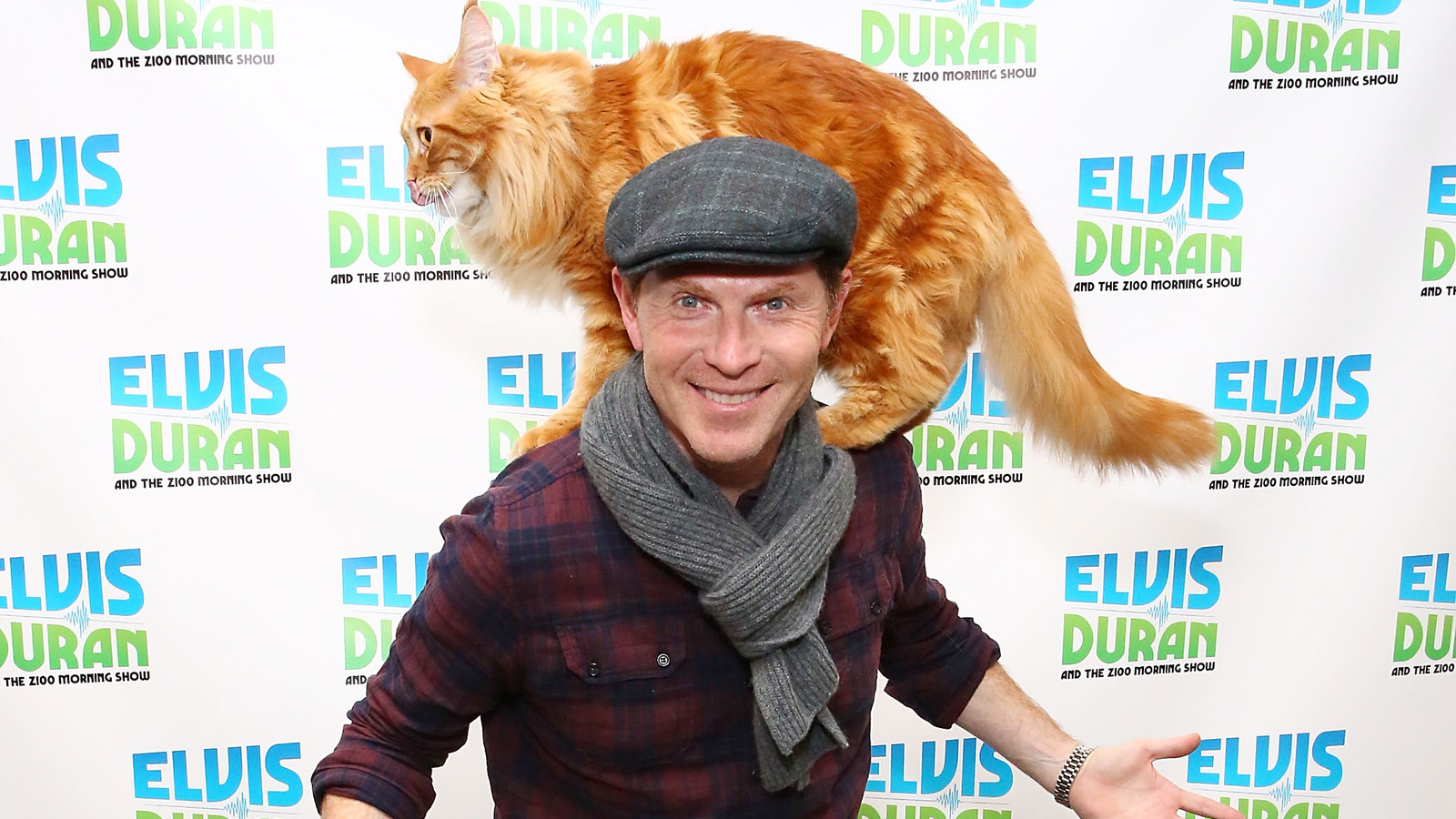
Owning a Maine Coon influenced by the legacy of Bobby Flay’s famous feline, Nacho, represents a significant financial and emotional commitment. While these cats offer unparalleled companionship and "dog-like" loyalty, the high purchase price, specialized dietary requirements, and potential health management make them a premium investment rather than a low-cost hobby.
The cultural phenomenon of celebrity pets reached a pinnacle with Bobby Flay and his Maine Coon, Nacho Flay. Even in 2026, the influence of Nacho—and Flay’s subsequent feline companions like Stella—continues to drive interest in this "gentle giant" breed. However, when prospective owners ask if these cats are "worth the investment," they are often weighing the high cost of entry against the unique lifestyle benefits and the recurring expenses of premium care. To determine if a Maine Coon is the right choice for your household and budget, one must look beyond the social media glamour and analyze the hard data regarding breed standards, health risks, and long-term maintenance.
The "Nacho Flay" Legacy and the Celebrity Pet Market
Bobby Flay did more than just showcase his cats; he built a brand around them. Nacho Flay, who passed away in late 2023, became the face of a culinary-inspired cat food line, "Made by Nacho." By 2026, this brand has solidified the idea that Maine Coons are not just pets but high-maintenance companions that require a "chef-curated" lifestyle.
The "investment" in a Maine Coon today is often influenced by this aspirational branding. Owners aren't just looking for a cat; they are looking for the intelligence, size, and vibrant personality that Bobby Flay’s cats popularized. This has led to a surge in demand for high-quality breeders who prioritize temperament and health, which in turn has driven market prices upward.
Breaking Down the Initial Investment: Purchase Price and Pedigree
In 2026, the cost of a Maine Coon kitten from a reputable breeder typically ranges from $2,500 to $5,500. This price varies based on the kitten's lineage, coat color (such as the sought-after silver or smoke varieties), and whether the cat is intended as a pet or a show-quality animal.
When evaluating if this initial outlay is "worth it," consider what a high-end breeder provides:
- Genetic Testing: Verification that the parents are clear of Hypertrophic Cardiomyopathy (HCM), Spinal Muscular Atrophy (SMA), and Polycystic Kidney Disease (PKD).
- Socialization: Maine Coons are known for their temperament, which is developed through early, expert socialization.
- Vaccinations and Microchipping: Most premium breeders include the first round of core shots and permanent identification.
Purchasing a "budget" Maine Coon often leads to higher veterinary costs later due to poor breeding practices. In this context, the higher initial investment is a form of insurance against future heartbreak and medical debt.
The Cost of Maintenance: The "Made by Nacho" Lifestyle
Bobby Flay’s approach to cat ownership emphasizes nutrition as a primary pillar of feline health. The "Made by Nacho" brand focuses on high-protein recipes often featuring bone broth and premium proteins like salmon, whitefish, and cage-free chicken.
Dietary Expenses
A full-grown Maine Coon can weigh between 15 and 25 pounds. Because of their size and high energy levels, they consume significantly more food than a standard 8-pound domestic shorthair. Feeding a Maine Coon a premium diet—whether it is Flay's brand or a similar high-end competitor—can cost between $100 and $200 per month.
Grooming Requirements
The Maine Coon’s magnificent double coat is a hallmark of the breed, but it requires diligent upkeep. To prevent matting, you must invest in:
- High-quality de-shedding tools: $40–$70.
- Professional grooming sessions: $80–$150 per visit (recommended 3–4 times a year).
- Water-resistant grooming areas: Maine Coons are notoriously fond of water, often making a mess of their water bowls and requiring frequent "sanitary trims."
Health Considerations: The Long-Term Financial Commitment
A Maine Coon is a 12-to-15-year investment. While they are generally hardy, their large frame makes them susceptible to specific issues that require financial planning.
Hypertrophic Cardiomyopathy (HCM)
This is the most common heart disease in cats and is prevalent in the Maine Coon gene pool. Even with screened parents, annual echocardiograms (costing $500–$800) are often recommended for senior Maine Coons to ensure early detection.
Hip Dysplasia
Because of their size, Maine Coons are one of the few cat breeds that suffer significantly from hip dysplasia. Treatment can range from daily joint supplements to expensive orthopedic surgeries in severe cases.
Dental Health
Maine Coons can be prone to gingivitis and stomatitis. Annual dental cleanings under anesthesia are a standard part of the "investment," typically costing $400 to $900 depending on the need for extractions.
Comparative Value: Maine Coon vs. Other Breeds
To understand the value proposition, it is helpful to compare the Maine Coon's requirements with other popular large or "luxury" breeds.
| Feature | Maine Coon | Ragdoll | Savannah (F5) | Norwegian Forest Cat |
|---|---|---|---|---|
| Initial Cost (2026) | $2,500 - $5,500 | $2,000 - $4,000 | $2,500 - $6,000 | $1,800 - $3,500 |
| Average Weight | 15 - 25 lbs | 10 - 20 lbs | 12 - 20 lbs | 12 - 20 lbs |
| Grooming Need | High | Medium-High | Low | High |
| Temperament | Highly Social / Dog-like | Docile / Floppy | High Energy / Wild | Independent / Alert |
| Typical Lifespan | 12 - 15 Years | 12 - 17 Years | 12 - 20 Years | 14 - 16 Years |
Is the Investment "Worth It"? (ROI Analysis)
The "Return on Investment" for a Maine Coon is rarely financial unless you are a professional breeder. Instead, the ROI is measured in behavioral utility and emotional companionship.
The Emotional ROI
Maine Coons are often referred to as the "dogs of the cat world." They follow their owners from room to room, can be taught to fetch, and are generally excellent with children and other pets. For a household seeking an interactive companion rather than a distant ornament, the Maine Coon provides a level of engagement that many other breeds lack.
The "Aesthetic" and Social Value
There is no denying that a Maine Coon is a conversation starter. Their tufted ears, bushy tails, and sheer size provide a sense of pride for many owners. For fans of Bobby Flay, owning a cat that shares the lineage or "vibe" of Nacho or Stella provides a connection to a specific lifestyle aesthetic of culinary excellence and sophisticated pet parenting.
Common Pitfalls: When the Investment Fails
The investment is not worth it if the owner is unprepared for the following:
- Space Constraints: These cats need room to move. A small studio apartment may not be the ideal environment for a 20-pound predator.
- Time Commitment: Maine Coons crave attention. If you work 12-hour days and aren't home to interact with the cat, the "investment" will likely result in a destructive or depressed animal.
- The "Price of Cheap": Buying a $500 Maine Coon from a backyard breeder is the most common mistake. These cats often have significant health issues that can cost thousands of dollars in the first year alone.
Nutrition and the "Made by Nacho" Philosophy
In 2026, the discussion around Bobby Flay’s cats inevitably involves his specific nutritional philosophy. Flay argues that because Maine Coons are active and large-boned, they require a diet that supports lean muscle mass and joint health.
Investing in high-protein, moisture-rich food (like the bone-broth infused recipes found in Flay's line) helps prevent common feline issues like urinary tract infections and obesity. While more expensive than grocery store kibble, this "investment" in nutrition can lead to fewer vet visits and a longer life for the cat, essentially paying for itself over the animal's lifetime.
FAQs
How much should I budget for a Maine Coon in the first year?
Expect to spend between $4,500 and $7,500 in the first year. This includes the purchase price of the kitten ($3,000 average), initial vet visits, vaccinations, high-quality cat trees (which must be heavy-duty for this breed), litter boxes (extra-large), and premium food.
Are Maine Coons high maintenance compared to other cats?
Yes. Their grooming needs are significant, and their social requirements are higher than many other breeds. They do not do well with long periods of isolation and require environmental enrichment like vertical climbing spaces and interactive toys.
Is Bobby Flay's "Made by Nacho" food actually better for Maine Coons?
While many high-quality brands exist, Flay's line is specifically formulated with high protein and added hydration (bone broth), which are beneficial for the Maine Coon's high metabolism and large frame. It is a viable "investment" in their health, provided the specific protein sources agree with your cat's digestion.
Do Maine Coons have a lot of health problems?
They are predisposed to certain genetic conditions like HCM and hip dysplasia. However, if you purchase from a breeder who performs rigorous genetic testing and you maintain the cat's weight through proper diet, many of these risks can be managed or mitigated.
Can Maine Coons be left alone during the day?
While they are more independent than some dog breeds, Maine Coons are very social. If you are gone for 8-10 hours a day, it is often recommended to have a second cat or a pet sitter to provide stimulation. A lonely Maine Coon can become vocal and destructive.
Final Recommendation
Investing in a Maine Coon, in the spirit of Bobby Flay’s dedicated pet ownership, is worth it only if you have the financial liquidity to support their premium care and the time to engage with their high-intelligence personalities. If you view a pet as a family member and are willing to pay for "health insurance" in the form of high-quality breeding and nutrition, the Maine Coon offers a unique, rewarding companionship that is arguably unmatched in the feline world. If you are looking for a low-maintenance, low-cost pet, the investment will likely feel burdensome rather than rewarding.