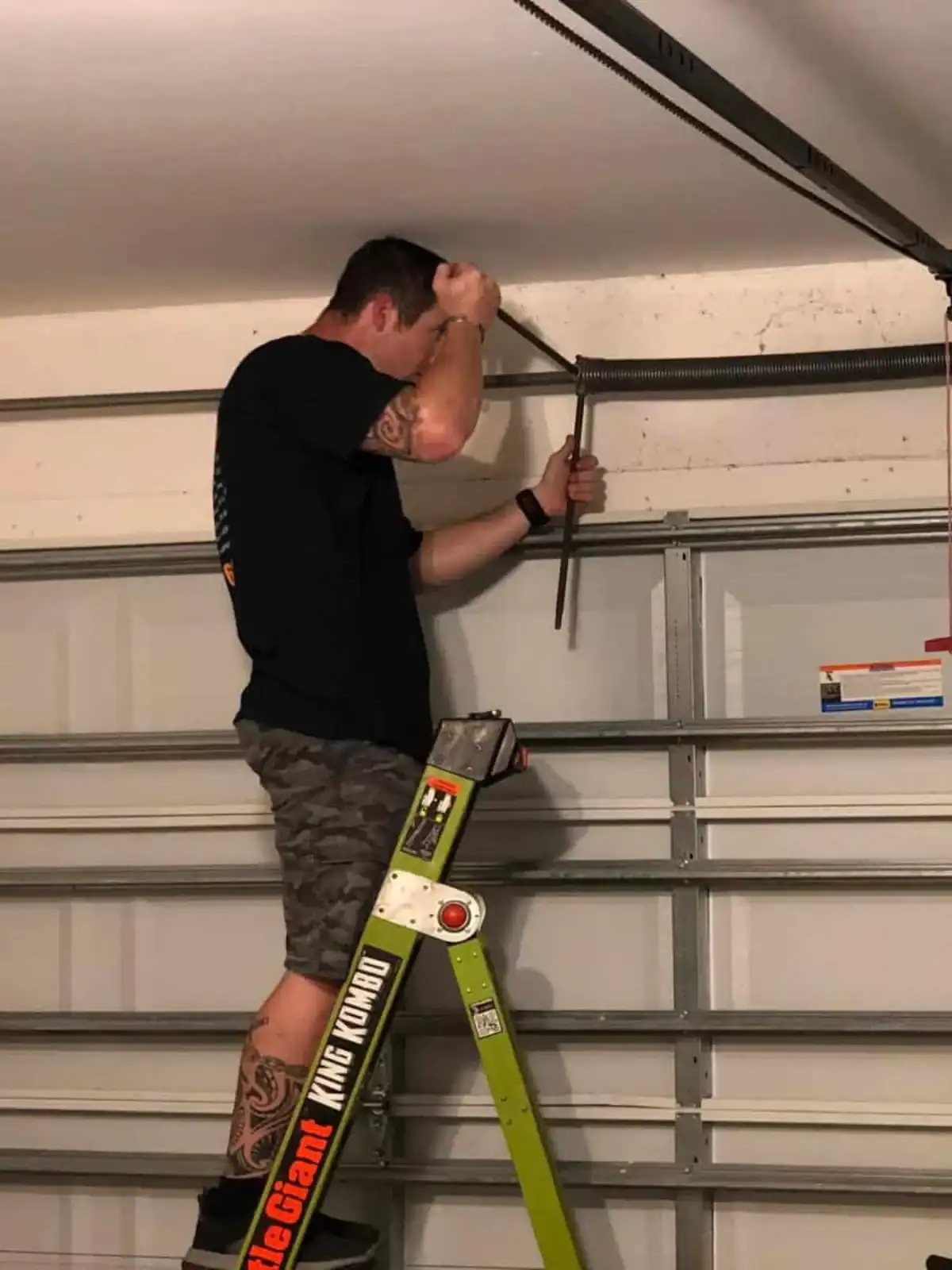
Navigating professional Atlanta garage door service requires understanding regional climate demands, standard labor and parts costs, and the critical safety mechanisms of residential overhead doors. Whether dealing with snapped torsion springs, misaligned safety sensors, or complete door replacements, hiring licensed, insured local technicians protects home security and structural integrity across the metro area.
The Essentials of Garage Door Performance in Metro Atlanta
A garage door is typically the largest moving mechanical system in an Atlanta home. Beyond serving as a convenient entry point, it functions as a primary security barrier, a major thermal boundary, and a key element of exterior curb appeal.
Metro Atlanta's unique topography and climate subject these heavy assemblies to distinct operational stresses. The region experiences hot, humid summers, significant pollen seasons, and sudden winter cold snaps. These weather extremes cause standard steel components to expand and contract, deplete petroleum-based lubricants, and encourage oxidation on raw metal parts.
When a garage door malfunctions in neighborhoods from Alpharetta and Marietta down through Decatur, Midtown, and Peachtree City, the issue rarely stems from total mechanical failure without warning. More often, persistent humidity degrades roller bearings, red clay dust fouls track channels, or thermal shifts alter the tension of hardened steel springs. Recognizing the operating dynamics of overhead doors allows homeowners to address small maintenance requirements before they escalate into high-cost structural repairs or dangerous emergency failures.
Core Garage Door Services and Common Failure Points
Modern residential overhead doors rely on counterbalanced spring tension, heavy-gauge steel tracking, synthetic or steel rollers, and automated drive systems to raise and lower panels weighing between 130 and 400 pounds. When one part of this interconnected balance fails, the entire system stops working smoothly.
Torsion and Extension Spring Replacements
The counterbalancing system lifts the door's physical weight, not the motorized opener. Most homes across Fulton, Gwinnett, and Cobb counties feature either torsion springs or extension springs.
- Torsion Springs: Mounted horizontally on a metal shaft directly above the door opening. As the door closes, cables attached to the bottom corners wrap around drums, winding the springs and storing mechanical energy. Torsion springs offer smoother operation, superior balance, and a longer lifecycle—typically rated for 10,000 to 20,000 operational cycles.
- Extension Springs: Mounted parallel to the overhead horizontal tracks. These stretch out as the door lowers, using counter-pull tension to assist the lift. While common on older properties or low-headroom garages, extension springs present higher safety risks if a safety containment cable is missing or broken.
Spring failure typically occurs with a loud bang resembling a gunshot. Because springs are wound under extreme torque, replacing them without commercial winding bars and professional training poses severe risks of blunt-force trauma.
Opener Repair and Drive Mechanisms
When an opener hums without moving the door, strips its drive gears, or operates intermittently, the problem lies within the motor unit or drive assembly:
- Belt-Drive Openers: Utilize steel-reinforced rubber or polyurethane belts. They deliver whisper-quiet operation, making them the standard recommendation for homes with living spaces directly above or adjacent to the garage.
- Chain-Drive Openers: Depend on a metal bicycle-style chain running along a steel rail. While exceptionally durable and economical, they generate audible mechanical noise and require periodic tensioning and lubrication.
- Direct-Drive and Jackshaft (Wall-Mount) Openers: Jackshaft units mount directly to the wall beside the torsion assembly, freeing up overhead ceiling space and eliminating ceiling-mounted rails entirely. They are increasingly popular in newer Atlanta constructions featuring high ceilings or cathedral architecture.
Track Alignment, Rollers, and Cable Respooling
Overhead tracks must remain plumb, level, and square within fractions of an inch. If a vehicle lightly taps a vertical track, or if house settling shifts the door jamb, the rollers will bind in the track radius. Continuing to run an electric opener against a bound or off-track door can burn out the drive motor, warp the individual door panels, or snap the aircraft-grade lift cables.
Worn rollers with failing ball bearings generate grinding sounds and place unnecessary drag on the system. Replacing stamped steel rollers with sealed 13-ball nylon rollers dramatically reduces operating noise and prevents tracking wear.
Regional Environmental Factors Affecting Atlanta Garage Doors
Homes across the Piedmont plateau encounter distinct environmental stresses that influence material lifespan and component selection.
Summer Humidity and Red Clay Infiltration
North Georgia experiences prolonged spells of relative humidity exceeding 70% from June through September. Moisture accelerates rust on ungalvanized torsion springs, interior fasteners, and bottom retainers. Furthermore, Georgia's ubiquitous red clay generates ultra-fine particulate dust that mixes with wet lubricants on tracks and rollers. This combination creates an abrasive paste that grinds down bearings and prematurely wears nylon roller sleeves. Technicians servicing the metro area consistently advise against using standard WD-40 or heavy axle grease, recommending non-tacky silicone or pure PTFE dry sprays instead.
Severe Storms and Wind-Load Requirements
While interior Georgia does not mandate the extreme hurricane wind ratings enforced along the Atlantic and Gulf coasts, the Atlanta region experiences severe convective thunderstorms, microbursts, and occasional tornadic activity.
Under the International Residential Code (IRC), as adopted with Georgia state amendments, exterior garage doors must meet designated structural wind-load criteria based on local exposure categories. Garage doors represent the largest structural opening in a home; when high winds blow a standard garage door inward or pull it off its tracks, rapid internal pressurization can rip roof trusses away from exterior walls. Reinforcing older doors with horizontal U-bars or installing code-compliant, wind-rated garage doors provides vital storm resistance.
Thermal Efficiency and Insulation (R-Value)
An uninsulated garage can reach temperatures over 120°F during an Atlanta July, radiating heat directly through adjoining interior walls and elevating household air conditioning costs. Upgrading to a three-layer "sandwich" door—consisting of exterior steel, continuous high-density polyurethane foam core, and interior steel backing—delivers an insulation rating between R-12 and R-18. This construction regulates garage interior temperatures, dampens exterior suburban street noise, and increases the physical rigidity of the door panels against denting.
Service and Cost Reference for the Atlanta Metropolitan Area
The table below outlines common residential garage door services, realistic project timelines, and typical pricing benchmarks across the Atlanta metro market.
| Service Category | Description of Work | Typical Timeframe | Estimated Cost Range (Parts & Labor) | Primary Durability Factors |
|---|---|---|---|---|
| Dual Torsion Spring Replacement | Removal of fractured springs; installation of calibrated high-cycle springs, center bearing, and drum resetting. | 1 – 2 hours | $250 – $450 | Spring wire gauge, calibrated cycle rating (10k vs. 25k cycles). |
| Opener Replacement & Setup | Removal of failed unit; installation of 1/2 to 1-1/4 HP belt/chain opener, safety eyes, rail, and wall console. | 2 – 3 hours | $425 – $850 | Drive type (chain vs. belt vs. wall-mount), motor horsepower, battery backup. |
| Off-Track Door Realignment | Unwinding tension, resetting lift cables on drums, realigning vertical/horizontal tracks, securing mounting brackets. | 1 – 2.5 hours | $175 – $350 | Panel damage level, roller condition, cable fraying status. |
| Full Roller & Cable Overhaul | Replacement of 10–12 worn steel rollers with sealed nylon units; installation of commercial lift cables. | 1 – 1.5 hours | $190 – $325 | Bearing quality (7-ball vs. 13-ball sealed), cable thickness. |
| New Door Installation (Single-Car) | Tear-down of old unit, installation of 8x7 or 9x7 door, new tracking, springs, stops, and exterior weatherstripping. | 3 – 5 hours | $900 – $2,200 | Pan steel vs. insulated sandwich construction, decorative windows. |
| New Door Installation (Double-Car) | Complete system installation of 16x7 or 18x7 door, heavy-duty tracking, dual torsion springs, interior perimeter seals. | 4 – 6 hours | $1,400 – $4,500+ | Material (stamped steel, composite overlay, real wood), insulation R-value. |
| Preventative Safety Tune-Up | Comprehensive balance testing, fastener torque check, travel limit tuning, safety sensor alignment, moving part lubrication. | 45 – 60 minutes | $79 – $149 | Thoroughness of safety check, quality of lubricants utilized. |
Evaluating and Hiring Atlanta Garage Door Contractors
The garage door industry contains a wide range of operational standards, from independent owner-operators to nationwide multi-truck franchises. To avoid predatory pricing tactics, substandard parts, or compromised safety, follow a structured vetting process:
Licensing, Registration, and Insurance
In Georgia, specialty trade contractors performing mechanical repairs that do not involve structural modifications or high-voltage line installation may not require an overarching state general contractor license. Consequently, property owners must confirm that any prospective company possesses:
- A Valid Georgia Business Registration: Verifiable through the Georgia Secretary of State corporate database.
- General Liability Insurance: A minimum policy of $1,000,000 to cover accidental property damage, such as a torsion spring breaking free or an overhead assembly falling during installation.
- Workers' Compensation Coverage: Protecting the homeowner from financial liability if a technician suffers an injury while handling heavy panels or high-tension assemblies on the property.
Red Flags and High-Pressure Sales Tactics
Avoid service providers that exhibit these well-documented warning signs:
- Vague Business Identities: Advertisements featuring generic names like "Garage Door Repair Specialists" without a verifiable local physical address in Fulton, DeKalb, Gwinnett, Cobb, or surrounding counties.
- The "$29 Service Call" Bait-and-Switch: Low-cost dispatch fees designed to get a technician on-site, followed immediately by claims that the entire system is critically compromised and requires thousands of dollars in emergency rebuilds.
- Replacing Undamaged Hardware: Claiming that minor spring fatigue requires brand-new tracks, drums, end bearing plates, and center brackets when the existing components show zero mechanical wear.
- Insistence on Cash-Only Transactions: Professional contractors maintain modern merchant platforms, itemize invoices, and detail warranty policies in writing before work begins.
Step-by-Step Homeowner Maintenance Protocol
Performing quarterly inspections extends component lifespans, reduces strain on electrical drive units, and ensures household safety systems function correctly.
Quarterly Maintenance Workflow
- Step 1: Visual and Auditory Inspection
- Check for cable frays, track gaps, and unusual noises.
- Step 2: Balance and Manual Operation Check
- Disconnect opener; lift door manually to waist height.
- Step 3: Component Cleaning and Track Maintenance
- Wipe out track channels; clear spiderwebs and dirt.
- Step 4: Mechanical Lubrication
- Apply non-tacky silicone/PTFE spray to hinges & rollers.
- Step 5: Electronic Safety Device Testing
- Test optical safety eyes and mechanical auto-reverse.
Step 1: Visual and Auditory Inspection
Stand inside the garage with the door closed and inspect the mechanical structure:
- Look closely at the lift cables running from the bottom fixtures up to the overhead drums. If you spot frayed strands, unspooling wire, or heavy rust, the cable is compromised and requires immediate professional replacement.
- Check the horizontal track hangers attached to the ceiling. Ensure all bolts are tight and there is no visible sway when the door travels.
- Operate the door and listen for screeching, grinding, or popping sounds that point to dry bearings or unbalanced tension.
Step 2: Mechanical Balance Testing
An overhead door should be balanced so that manual lifting requires minimal physical effort.
- Close the garage door completely.
- Disengage the electric opener by pulling the red emergency release cord downward and toward the motor.
- Grip the interior lifting handle or the bottom edge of the panel and raise the door manually.
- Lift the door until it is roughly halfway open (about three to four feet off the ground) and release it gently.
Diagnostic Evaluation: A properly balanced door will hover in place, supported entirely by its counterbalancing springs, moving up or down by no more than a few inches. If the door slams rapidly to the floor, the springs have lost tension or are incorrectly sized. If the door pulls aggressively upward toward the ceiling, the springs are over-tensioned. Both scenarios overwork the opener's motor and necessitate recalibration by an experienced technician.
Step 3: Cleaning Track Channels
Do not apply grease or thick oil inside the track channels. While grease may temporarily quiet operational noise, it rapidly attracts loose soil, red clay dust, and pine straw particles, forming a thick sludge that causes rollers to skid instead of turn.
- Use a dry microfiber rag or shop towel to wipe the inside surfaces of both vertical and horizontal tracks.
- Remove hardened grime using a rag lightly dampened with mineral spirits or denatured alcohol.
- Ensure the tracks are clean, smooth, and dry.
Step 4: Targeted Component Lubrication
Lubricate moving metal-to-metal contact points every four to six months using a dedicated garage door lubricant containing silicone or PTFE:
- Hinges: Spray the pivot points connecting individual door sections.
- Rollers: If your system uses steel rollers with exposed ball bearings, direct lubricant into the center bearing hub. Do not coat the outer surface of nylon rollers, as lubricant will cause them to slide along the track rather than roll cleanly.
- Torsion Springs: Apply a light, even coat of lubricant across the entire length of the spring coils, then wipe away any excess with a rag to prevent dripping onto parked vehicles. This minimizes friction between the expanding coils as they cycle.
- Locks and Latches: Spray the manual slide lock mechanism and exterior key cylinders to prevent internal corrosion.
Step 5: Validating Federal Safety Systems
Since 1993, federal standard UL 325 has required residential garage door openers to feature dual safety entrapment-protection systems: optical safety eyes and a pressure-sensitive mechanical auto-reverse mechanism.
- Testing Photoelectric Eyes: Locate the two small infrared sensor pods positioned six inches above the garage floor on either side of the door track. Press the wall console button to close the door. While the door descends, wave an object—such as a broom handle—through the invisible infrared path between the sensors. The door should immediately reverse direction and travel back to the full open position. Most opener lights will flash to indicate an optical obstruction.
- Testing Mechanical Reversal: Place a flat, solid piece of two-inch-thick wood (such as a 2x4 laid flat) directly on the floor in the center of the door's downward path. Press the button to close the door. When the bottom rubber seal makes contact with the block, the door must automatically reverse without hesitation. If the door crushes down on the block and keeps running, adjust the closing force limits on the opener unit or schedule a professional service call.
Troubleshooting Common Garage Door Issues
Before calling for emergency service, run through this troubleshooting checklist to diagnose simple operating issues:
The Door Reverses Immediately Upon Hitting the Floor
- Likely Cause: The opener's down-travel limit is set too low, tricking the safety logic into sensing an obstruction when the bottom seal compresses against the concrete threshold.
- Resolution: Locate the travel limit adjustment screws or electronic setting buttons on the motor housing. Turn the down-travel adjustment slightly back (toward the "less travel" indicator) in quarter-turn increments until the door seals cleanly against the floor without popping open.
The Opener Motor Runs, but the Door Remains Static
- Likely Cause: The emergency release trolley is disengaged from the drive carriage, often caused by someone inadvertently pulling the red emergency handle.
- Resolution: Pull the emergency release cord back toward the door opening to re-engage the internal spring latch. Then, press the wall-mounted push-button; the drive carriage will slide forward along the rail and automatically click back into the trolley.
The Wall Console Works, but Remote Transmitters Are Unresponsive
- Likely Cause: The opener console is in "Lock" or "Vacation" mode, or the handheld transmitters have dead lithium coin-cell batteries.
- Resolution: Check the wall-mounted console inside the garage. If the primary indicator light is blinking continuously, the unit is locked. Hold down the lock button for three to five seconds until the blinking stops. If this does not resolve the issue, replace the CR2032 or similar batteries inside the remote units and verify that the motor unit's external wire antenna hangs straight down.
Gaps Beneath the Bottom Corners of the Door
- Likely Cause: Foundation shifting or concrete settlement has created an uneven garage floor, or the bottom rubber astral seal has degraded from sun exposure.
- Resolution: Inspect the black rubber seal seated along the bottom aluminum retainer. If the material is cracked, brittle, or torn, replace it with a wider four-inch heavy-duty EPDM rubber gasket. If the concrete itself is noticeably sloping, a skilled technician can install an oversized bottom retainer or scribe the bottom door section to match the uneven floor profile.
Frequently Asked Questions
Can I replace a broken torsion spring myself to save money?
No. Attempting DIY torsion spring replacements is strongly discouraged due to the extreme mechanical energy stored in the steel wire. Adjusting or removing these systems requires commercial-grade winding bars, precise caliper wire measurements, and systematic release protocols. Using improvised substitutes—such as screwdrivers, locking pliers, or pipe wrenches—frequently causes tools to slip, resulting in severe lacerations, fractured bones, or serious facial injuries. Always contract a trained professional equipped with appropriate safety gear for spring service.
How do I know if my garage door opener complies with modern safety regulations?
Check the back or side panel of your opener for a UL listing label bearing the mark "UL 325." Under federal safety guidelines, all openers manufactured after January 1, 1993, must include continuous optical safety sensors (photoelectric eyes) mounted no more than six inches above the garage floor. If your current unit relies solely on a mechanical clutch mechanism and lacks photo eyes, it cannot be legally serviced or reinstalled; the motor assembly must be replaced with a code-compliant model.
Should I choose an insulated or non-insulated garage door for an Atlanta home?
An insulated door is generally the better investment for Atlanta residences. Stamped steel pan doors lacking insulation conduct external heat directly into the garage, elevating the temperature of adjacent living spaces during summer. Furthermore, insulated doors (especially those with injected polyurethane cores) provide higher structural rigidity, resist denting from severe storms, and run considerably quieter on their tracks than lightweight, hollow-steel designs.
Why does my garage door open normally during the day but refuse to close in the late afternoon?
Direct, low-angle sunlight hitting the receiving lens of the photoelectric safety sensors can overwhelm the infrared beam. When late-afternoon sun blinds the receiving unit, the system registers a safety blockage and refuses to close the door. To solve this issue, adjust the sun shields on the sensor housing, swap the physical locations of the sending and receiving units so the receiver faces away from the sun, or construct a temporary cardboard shade around the hood of the sensor.
How often should my garage door system receive professional service?
A residential garage door should undergo professional inspection and maintenance once every 12 to 24 months. While property owners can easily perform basic track cleaning and light lubrication quarterly, a trained specialist should periodically examine the high-stress counterbalancing assembly. This annual tune-up verifies spring calibration, assesses internal bearing play, tests motor gear performance, and catches structural panel fatigue before major failures occur.
Recommended Next Actions
If your garage door is showing signs of mechanical strain, binding along its tracks, or operating erratically, begin with a structured baseline safety evaluation:
- Perform an Immediate Diagnostic Test: With the door closed, safely pull the emergency release cord to verify mechanical balance. If the door feels excessively heavy to lift by hand or plummets quickly when released from a half-open position, discontinue use of the automatic opener to protect the drive motor from burnout.
- Verify Hardware Clearances: Clear accumulated red clay dust, construction debris, and cobwebs from track channels and safety sensor lenses using a soft, dry cloth. Check that the infrared LEDs on both sensor housings show solid, steady lights without blinking.
- Schedule Professional Service: When encountering broken torsion springs, frayed cables, physical panel damage, or deep mechanical failure, contact a reputable local garage door professional. Request an itemized, written quote covering all parts and labor, confirm active business registration and comprehensive liability insurance, and choose high-cycle replacement components designed to withstand the thermal and mechanical demands of the Atlanta climate.