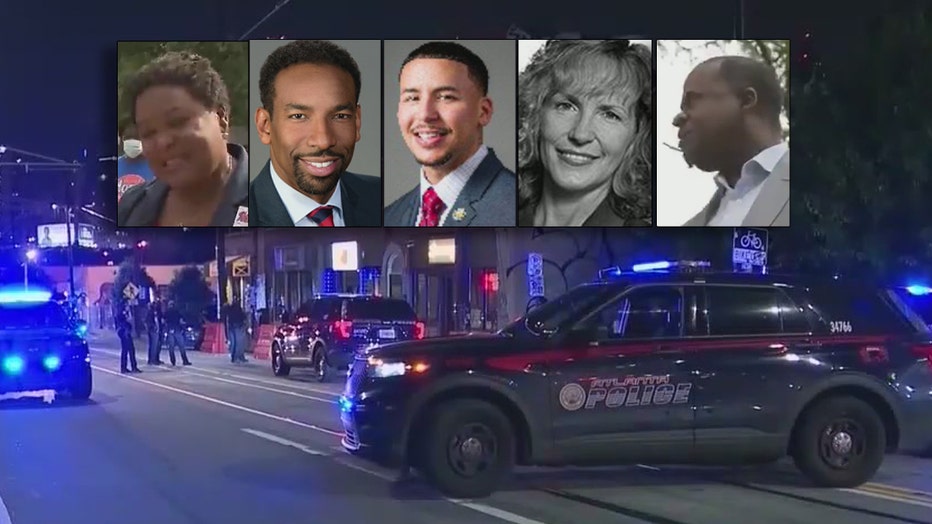
Atlanta mayoral elections are non-partisan contests held every four years to select the city's chief executive. Governed by the City Charter and Georgia state law, these elections require candidates to secure a majority of the vote to win outright. In 2026, the city continues to operate under the "strong mayor" system following the most recent election cycle.
The Governance Structure of the Atlanta Mayor’s Office
To understand the Atlanta mayoral election, one must first understand the weight of the office being contested. Atlanta operates under a Mayor-Council form of government, specifically a "strong mayor" system. This means the mayor serves as the city’s chief executive officer, responsible for the day-to-day operations, the appointment of department heads, and the proposal of the annual municipal budget.
The Mayor of Atlanta has the authority to veto legislation passed by the 15-member Atlanta City Council. This executive power makes the election a high-stakes event that determines the city’s direction on issues ranging from public safety and transportation to housing and economic development. The mayor is elected to a four-year term and is limited to serving two consecutive terms in office. However, a former mayor may run again after a four-year break, though this is rare in contemporary Atlanta politics.
Because the election is non-partisan, candidates do not run as representatives of political parties like the Democrats or Republicans on the ballot. While candidates often have well-known partisan leanings, the ballot itself does not list party affiliations. This structure often leads to a crowded field of candidates, as the barrier to entry is not restricted by party primaries.
Voter Eligibility and Registration Procedures
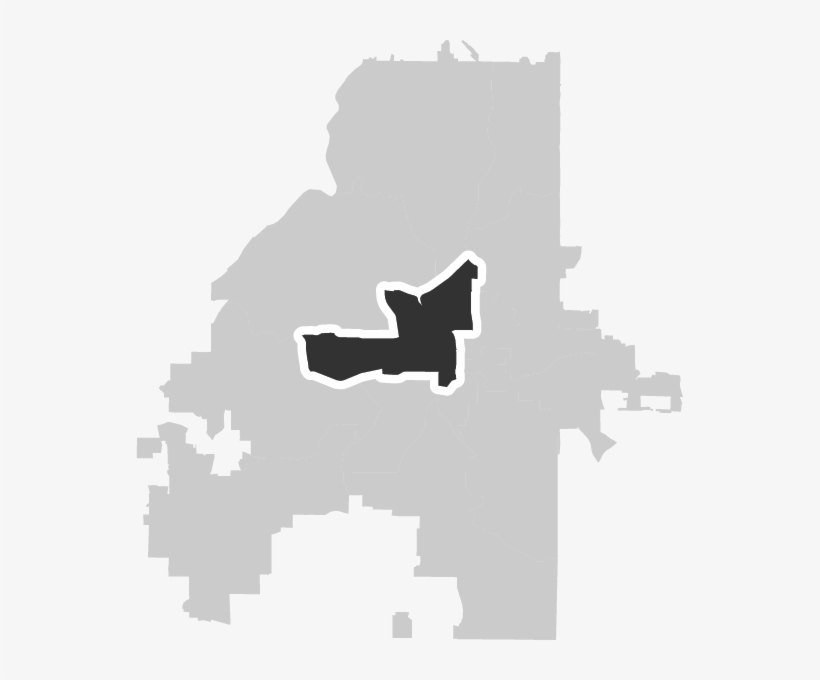
Participating in an Atlanta mayoral election requires strict adherence to Georgia's voter registration laws. Because the City of Atlanta spans two different counties—Fulton and DeKalb—voters must ensure they are registered in the correct jurisdiction based on their primary residence.
Registration Requirements
To vote in an Atlanta municipal election, an individual must:
- Be a citizen of the United States.
- Be a legal resident of the City of Atlanta and the county in which they are voting.
- Be at least 17.5 years of age to register and 18 years of age by Election Day.
- Not be serving a sentence for a felony conviction involving moral turpitude.
- Not have been judicially declared "mentally incompetent."
The deadline to register for a municipal election in Georgia is typically the fifth Monday before the election date. In the context of the 2025-2026 cycle, voters are encouraged to use the Georgia Secretary of State’s My Voter Page (MVP) to verify their status. This portal provides essential information, including the voter’s specific precinct, polling location, and a sample ballot.
Absentee and Early Voting
Georgia law allows for "no-excuse" absentee voting, meaning any registered voter can request a ballot by mail without providing a reason. Additionally, Atlanta voters benefit from three weeks of early in-person voting, including mandatory Saturday and optional Sunday voting hours. This period is critical in Atlanta elections, as a significant percentage of the electorate typically casts their ballots before the actual Election Day.
Candidate Qualifications and Filing Requirements
Running for Mayor of Atlanta involves more than just a public announcement. The City Charter and the Georgia Election Code outline specific qualifications that must be met for a candidate to appear on the ballot.
- Residency: A candidate must have been a resident of the City of Atlanta for at least one year prior to the election.
- Voter Status: The candidate must be a registered voter within the city limits.
- Age: While the minimum age for many city offices is 18 or 21, mayoral candidates must ensure they meet all eligibility requirements for holding public office in Georgia.
- Qualifying Fee: Candidates must pay a qualifying fee, which is typically set at 3% of the annual salary of the office. For the Atlanta Mayor, this fee often exceeds $5,000. In cases of financial hardship, a candidate may file a "pauper’s affidavit" and a petition signed by a specific percentage of the electorate in lieu of the fee.
The qualifying period usually occurs in August of the election year. During this window, candidates must file their notice of candidacy with the Municipal Clerk’s office and pay their fees. This is also when candidates must begin filing regular financial disclosure reports with the Georgia Government Transparency and Campaign Finance Commission.
The Mechanics of the Non-Partisan General Election
The general election for the Mayor of Atlanta is held on the Tuesday following the first Monday in November of the election year (e.g., November 2025). Because the race is non-partisan, all qualifying candidates appear on the same ballot.
If a candidate receives more than 50% of the total vote plus one additional vote, they are declared the winner. However, in the history of Atlanta politics, the crowded nature of the field often prevents any single candidate from reaching this threshold in the first round. When no candidate achieves a majority, the top two finishers advance to a runoff election.
The non-partisan nature of the race often results in a "big tent" approach to campaigning. Candidates must appeal to a broad coalition of voters across different neighborhoods, from the business-heavy corridors of Buckhead to the historic communities of Southwest Atlanta. Key campaign issues traditionally include:
- Infrastructure: The state of the city's roads, sewers, and the MARTA transit system.
- Public Safety: Crime rates and the management of the Atlanta Police Department (APD).
- Affordability: Housing costs and the impact of gentrification on long-term residents.
- City Services: The efficiency of trash collection, permitting, and 911 response times.
Understanding the Runoff System in Georgia
Runoff elections are a defining characteristic of Georgia’s electoral landscape. In Atlanta, the runoff for a municipal election is typically held 28 days after the general election. This shortened timeframe creates an intense period of campaigning as the two remaining candidates scramble to win over the supporters of the candidates who were eliminated.
The runoff system has a significant impact on voter turnout. Historically, turnout in runoffs can fluctuate wildly. In some cycles, the excitement of a head-to-head matchup drives voters to the polls; in others, "voter fatigue" leads to a decline in participation. For example, in the 2021 election, Andre Dickens defeated Felicia Moore in a runoff after Moore had led the initial general election field. This demonstrated the runoff's power to shift momentum completely.
From a technical standpoint, the runoff is treated as a separate election. Voters who did not participate in the November general election are still eligible to vote in the December runoff, provided they were registered by the original deadline.
Campaign Finance and Ethics Oversight
The financial aspect of an Atlanta mayoral election is governed by strict transparency laws. Candidates are required to disclose every contribution they receive and every expenditure they make. These disclosures are vital for public trust, as they reveal the interests and organizations backing each candidate.
Contribution Limits
Under Georgia law, there are limits on how much an individual or a corporation can contribute to a mayoral candidate per election cycle. For a municipal race in a city the size of Atlanta, these limits are adjusted periodically for inflation but generally sit around several thousand dollars for the primary/general and an additional amount for a runoff.
Ethics Filings
Candidates must file their reports with the Georgia Government Transparency and Campaign Finance Commission. These reports include:
- CCD (Contribution Disclosure Report): Lists the name, address, occupation, and employer of any donor contributing over $100.
- PFDS (Personal Financial Disclosure Statement): Details the candidate’s personal financial interests, assets, and liabilities to identify potential conflicts of interest.
Failure to file these reports on time results in fines, and significant violations can lead to investigations by the state ethics board. In 2026, the scrutiny on "dark money" and Political Action Committees (PACs) remains a central focus for watchdog groups monitoring Atlanta’s political landscape.
Historical Context and Recent Cycles
Atlanta's mayoral history is marked by long periods of stability followed by transformative shifts. The "City Too Busy to Hate" has been led by several iconic figures who shaped its modern identity.
- Maynard Jackson: The city’s first Black mayor, elected in 1973, who pioneered affirmative action programs and oversaw the expansion of Hartsfield-Jackson Atlanta International Airport.
- Andrew Young: A civil rights leader and former UN Ambassador who brought international investment to the city during the 1980s.
- Shirley Franklin: The first female mayor, elected in 2001, known for her "Sewergate" initiatives to fix the city’s aging infrastructure.
- Kasim Reed: Served two terms (2010–2018), focusing on fiscal stability and the redevelopment of the Ponce City Market area.
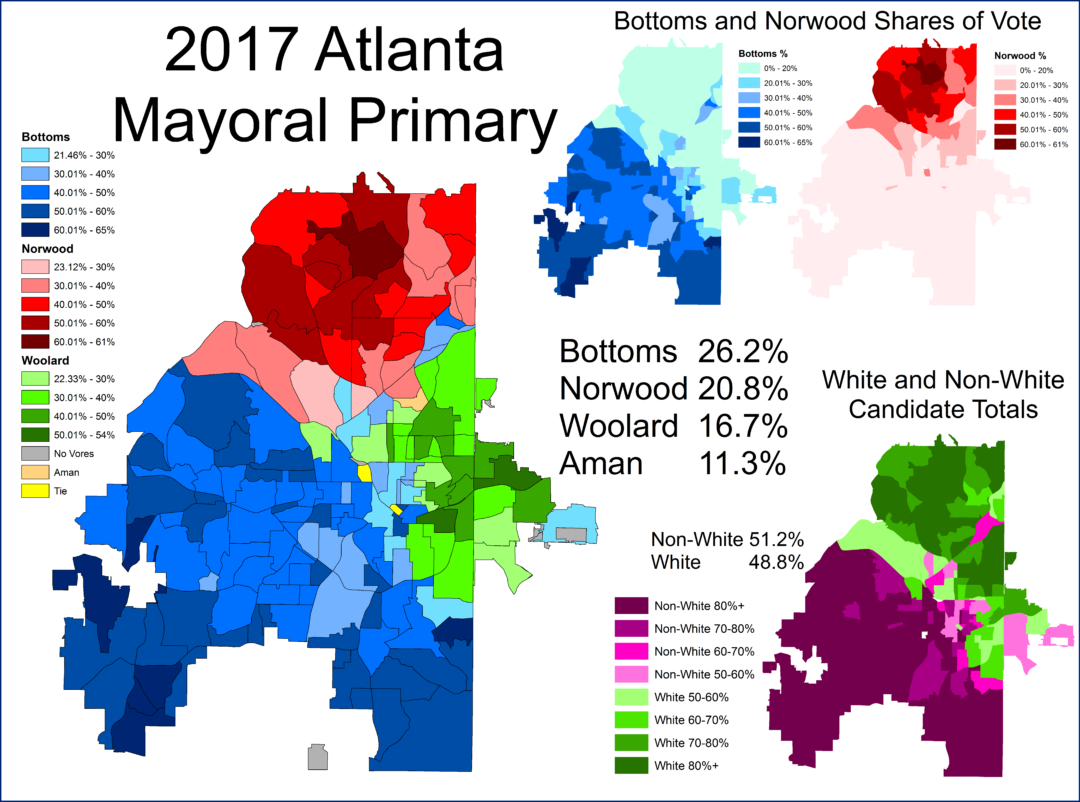
- Keisha Lance Bottoms: Led the city during the COVID-19 pandemic and the 2020 social unrest before deciding not to seek re-election.
The 2021 election cycle was particularly notable for its focus on crime and the proposed secession of the Buckhead neighborhood. The eventual winner, Andre Dickens, campaigned on a platform of "moving Atlanta forward together," emphasizing city unity. As we look at the city in 2026, the legacy of these past administrations continues to influence current policy and the expectations of the electorate.
Key Deadlines and Election Requirements
The following table summarizes the typical timeline and requirements for an Atlanta mayoral election cycle.
| Requirement/Event | Description | Responsible Agency |
|---|---|---|
| Voter Registration | Must be completed by the 5th Monday before the election. | GA Secretary of State |
| Candidate Qualifying | Usually held in August; involves fee payment and paperwork. | Municipal Clerk of Atlanta |
| Early Voting | Begins approximately 21 days before Election Day. | Fulton/DeKalb Elections Boards |
| General Election | Tuesday after the first Monday in November. | Fulton/DeKalb Elections Boards |
| Runoff Election | Held 28 days after the General Election (if needed). | Fulton/DeKalb Elections Boards |
| Term Commencement | The winning Mayor is typically sworn in the first week of January. | City of Atlanta |
FAQs About the Atlanta Mayoral Election
How do I find out which county handles my vote if I live in Atlanta?
Because the City of Atlanta is split, you must check your precinct on the My Voter Page (MVP) website. Most Atlanta residents live in Fulton County, but a significant portion of the eastern side of the city is in DeKalb County. Your county of residence is determined by your specific street address, and this determines where you vote and which Board of Elections processes your ballot.
Can I vote in the runoff if I didn't vote in the general election?
Yes. As long as you were a registered voter by the deadline for the general election, you are eligible to vote in the runoff. You do not need to have participated in the first round of voting to cast a ballot in the second round.
Is there a limit to how many terms an Atlanta Mayor can serve?
The Atlanta City Charter limits a mayor to two consecutive four-year terms. After serving eight years, a mayor must leave office. While the charter does not explicitly forbid a former mayor from running again after a term has passed, the two-consecutive-term limit is the primary restriction governing the office's tenure.
Are Atlanta mayoral elections partisan?
No, they are non-partisan. This means candidates do not have a party label (e.g., "D" or "R") next to their names on the ballot. All candidates, regardless of their personal political affiliation, run against one another in a single pool during the general election in November.
What happens if a candidate wins 50% of the vote exactly?
In Georgia, a candidate must win a majority (50% plus at least one vote) to avoid a runoff. If a candidate receives exactly 50% and not a single vote more, and there are other votes cast for other candidates or write-ins, a runoff would technically be required between the top two finishers.
Practical Recommendations for Voters and Candidates
For those looking to engage with the Atlanta mayoral election process in 2026 and beyond, the first step is proactive verification. Voters should check their registration status at least two months before any election to resolve potential issues with "inactive" status or address changes. Given Georgia's evolving election laws, staying informed through official channels like the Fulton County Registration and Elections website is essential for navigating polling place changes or new identification requirements.
Prospective candidates should begin their outreach and fundraising efforts at least 18 months in advance. The scale of Atlanta's electorate requires a sophisticated ground game and significant capital to reach voters in both the Northside and Southside neighborhoods. Engaging with neighborhood planning units (NPUs) is a traditional and effective way for candidates to understand localized concerns before the formal qualifying period begins.