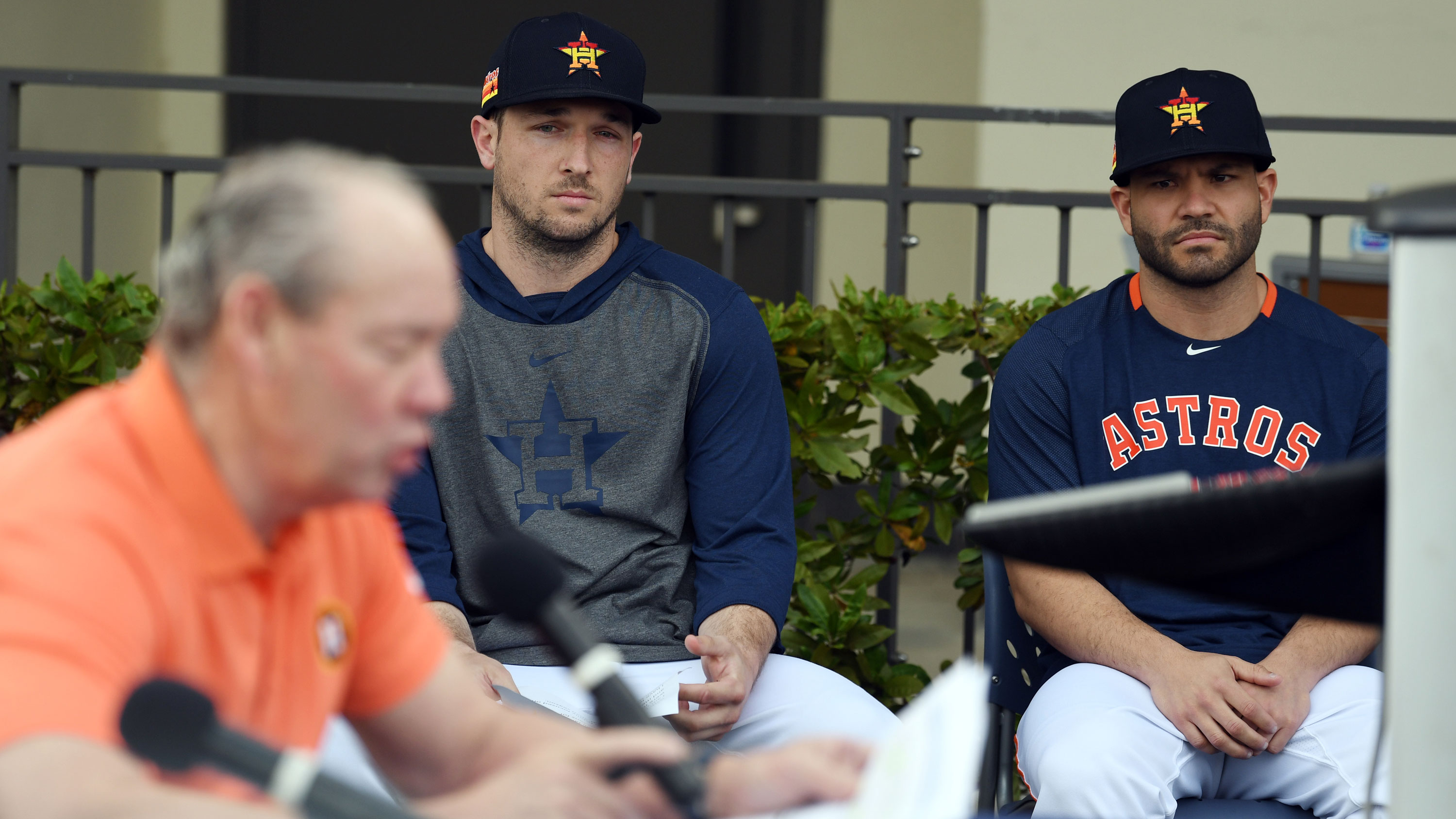
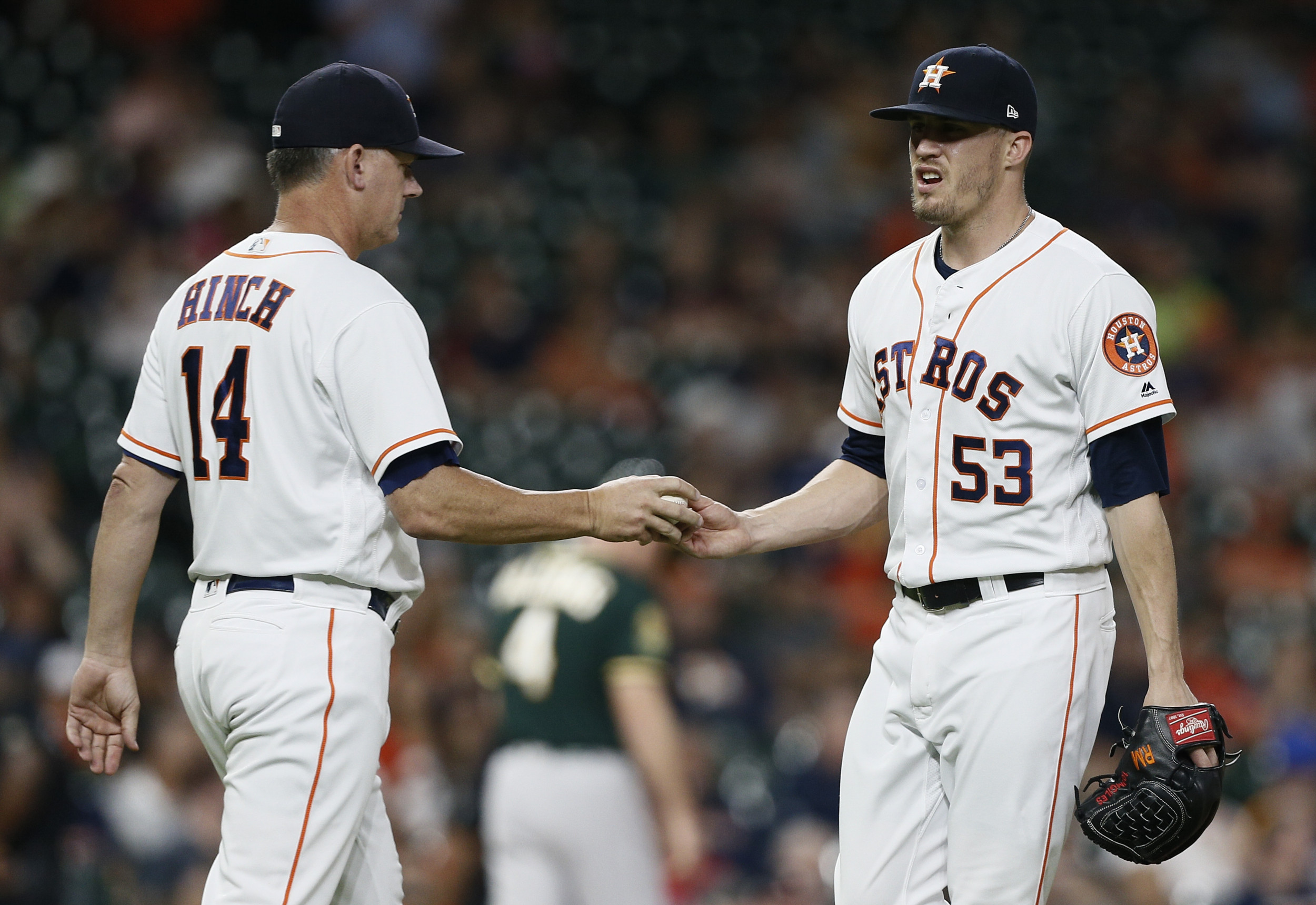
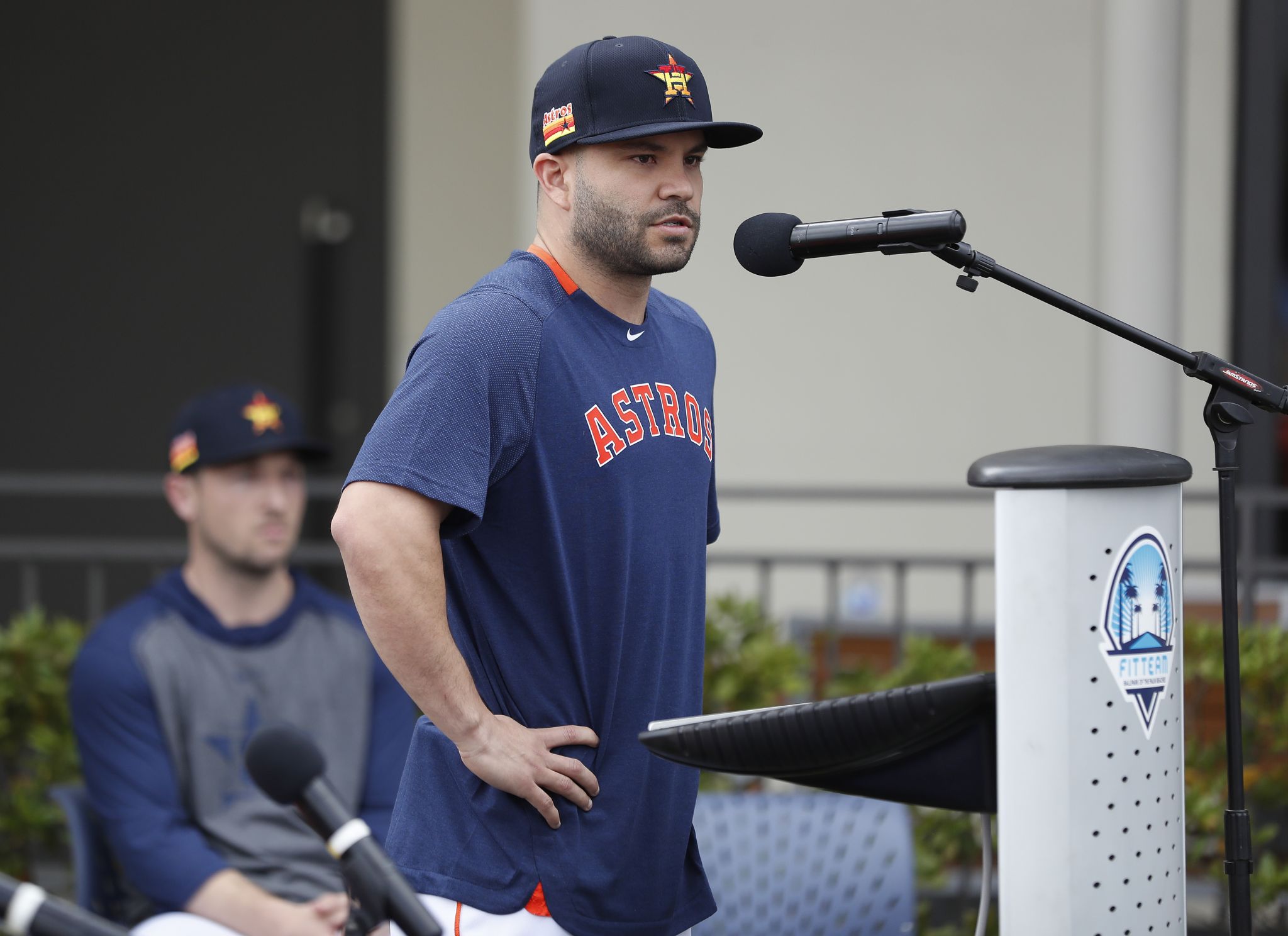
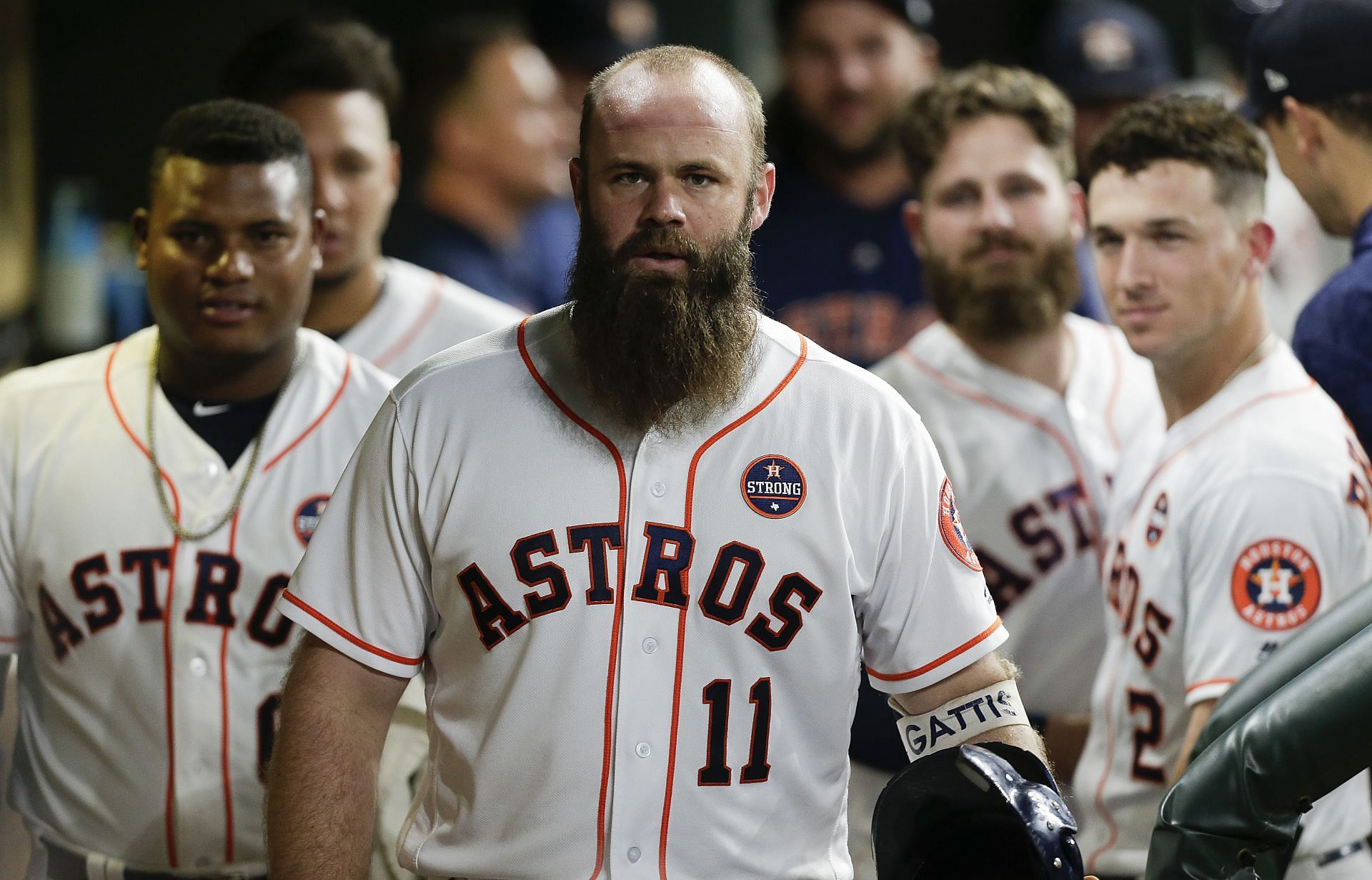
Following a comprehensive investigation into sign-stealing during the 2017 and 2018 seasons, Major League Baseball (MLB) issued historic sanctions against the Houston Astros in January 2020. The penalties included a $5 million fine, the forfeiture of first- and second-round draft picks in 2020 and 2021, and one-year suspensions for General Manager Jeff Luhnow and Manager A.J. Hinch, both of whom were subsequently fired by the team.
The Houston Astros’ sign-stealing scandal remains one of the most significant controversies in professional sports history. While the events occurred several years ago, the fallout continues to shape MLB’s technological policies, the team’s reputation, and the broader conversation regarding competitive integrity in baseball. As of 2026, the organization has navigated the long-term consequences of these penalties, yet the debate over the severity of the "punishment fitting the crime" persists among fans and analysts.
The Scope of the Investigation and Findings
The investigation was triggered in late 2019 following a report by The Athletic, in which former Astros pitcher Mike Fiers went on the record to describe an elaborate system used to steal catcher signs in real-time. MLB Commissioner Rob Manfred oversaw an inquiry that involved interviewing 68 witnesses and reviewing tens of thousands of emails, Slack communications, and video clips.
The findings confirmed that the Astros utilized a center-field camera feed to decode the opposing catcher’s signs. This information was transmitted to a monitor located just steps away from the dugout. Once the sign was decoded—identifying whether a pitch would be a fastball, curveball, or changeup—a player or staff member would signal the batter by banging on a trash can. One or two bangs typically indicated an off-speed pitch, while no bang indicated a fastball.
This system was used throughout the 2017 regular season and postseason, during which the Astros won the World Series. The investigation also revealed that the practice continued, albeit in different forms, into the 2018 season. While the "trash can banging" was the most notorious element, the report also detailed a front-office-led effort known as "Codebreaker," an Excel-based algorithm used to decode signs.
Detailed Breakdown of MLB Punishments
The sanctions delivered by Commissioner Manfred were designed to penalize the individuals responsible for the culture of the clubhouse while handicapping the organization’s ability to acquire elite young talent.
Executive and Managerial Suspensions
The heaviest personal tolls were levied against the leadership. Jeff Luhnow (General Manager) and A.J. Hinch (Manager) were both suspended for the entire 2020 season. The Commissioner’s report explicitly stated that while Hinch did not approve of the system—and even damaged monitors on two occasions to show his disapproval—he failed to stop the practice or inform the front office. Luhnow, meanwhile, was held accountable for the culture of the baseball operations department, regardless of his claim that he was unaware of the "Codebreaker" software’s application in the dugout.
Following the announcement of the suspensions, Astros owner Jim Crane took the further step of firing both Luhnow and Hinch, stating that the organization needed a fresh start to restore its integrity.
Financial Penalties and Draft Pick Forfeiture
The Houston Astros were fined $5 million, which was the maximum penalty allowed under the MLB Constitution at that time. While critics argued that $5 million was a negligible amount for a franchise valued in the billions, the loss of amateur talent was intended to be more impactful.
The organization was forced to forfeit its first- and second-round draft picks in both the 2020 and 2021 MLB Drafts. This significantly thinned the team’s farm system. By 2026, the "gap" in the Astros' developmental pipeline from those lost picks has become evident, forcing the front office to rely more heavily on international signings and veteran free-agent acquisitions to maintain their competitive edge.
The Immunity of Players
Perhaps the most controversial aspect of the punishment was the decision not to discipline any individual players. Commissioner Manfred granted the players immunity in exchange for their honest testimony during the investigation. He argued that it would have been "virtually impossible" to determine the varying degrees of involvement of every player and that the Major League Baseball Players Association (MLBPA) would have likely fought any player-specific discipline, leading to years of litigation.
Impact on Other Organizations
The Astros’ scandal had a ripple effect across the league, leading to the dismissal of managers at other clubs who were linked to the 2017 Astros or similar practices.
- Alex Cora: The Boston Red Sox manager, who was the bench coach for the 2017 Astros, was identified as a key architect of the sign-stealing system. He and the Red Sox "mutually parted ways" before he served a one-year suspension in 2020. He was later rehired by Boston.
- Carlos Beltrán: The veteran slugger was a player on the 2017 Astros team and was named in the report as a leader in the sign-stealing effort. Shortly after being hired as the manager of the New York Mets, and before managing a single game, Beltrán lost his position due to the backlash from the report.
| Entity | Primary Punishment | Status as of 2026 |
|---|---|---|
| Houston Astros (Club) | $5M fine; Loss of 1st/2nd round picks (2020-21) | Sustained success; 2022 World Series Title |
| Jeff Luhnow (GM) | 1-year suspension; Fired | Departed MLB; focused on soccer ownership |
| A.J. Hinch (Manager) | 1-year suspension; Fired | Returned to MLB as Detroit Tigers Manager |
| Alex Cora (Coach) | 1-year suspension; Fired | Returned as Boston Red Sox Manager |
| Players | No formal discipline / Immunity | Many retired; core players (Altuve/Bregman) remained |
The Mechanics of the "Trash Can" System
To understand why the punishment was so severe, one must understand the technical advantage the system provided. In baseball, the battle between the pitcher and the batter is centered on anticipation. If a batter knows a curveball is coming, they can adjust their timing and swing path accordingly.
The Astros’ system was "real-time," meaning the delay between the camera capturing the sign and the signal to the batter was mere seconds. This was achieved through:
- The Center-Field Camera: A high-definition feed dedicated to the catcher’s hands.
- The Monitor: Placed in the tunnel behind the dugout, allowing for quick communication.
- The Signal: A loud, percussive sound (banging the trash can) that could be heard over the noise of the crowd, especially at Minute Maid Park.
The "Codebreaker" algorithm, developed by a front-office intern and used by scouts and staff, further automated the process of identifying pitch sequences, making the stolen information highly accurate.
Long-Term Competitive and Financial Consequences
By 2026, the financial $5 million fine has long been paid, but the structural damage to the organization was more nuanced. The loss of four high-level draft picks meant the Astros missed out on four prospects who would typically be reaching the Major Leagues or serving as high-value trade assets by 2024–2026.
Despite this, the Astros' ability to remain a powerhouse in the American League—including a World Series victory in 2022—has led to two divergent narratives. Supporters point to their continued success as proof that the team was talented enough to win without cheating. Detractors, however, argue that the lack of player suspensions and the retention of the 2017 title meant the "punishment" did not adequately deter the behavior or provide justice for the teams they defeated.
MLB Rule Changes and Technological Shifts
In the wake of the scandal, MLB took drastic steps to ensure such a system could not be easily replicated. These changes have fundamentally altered the game as of 2026:
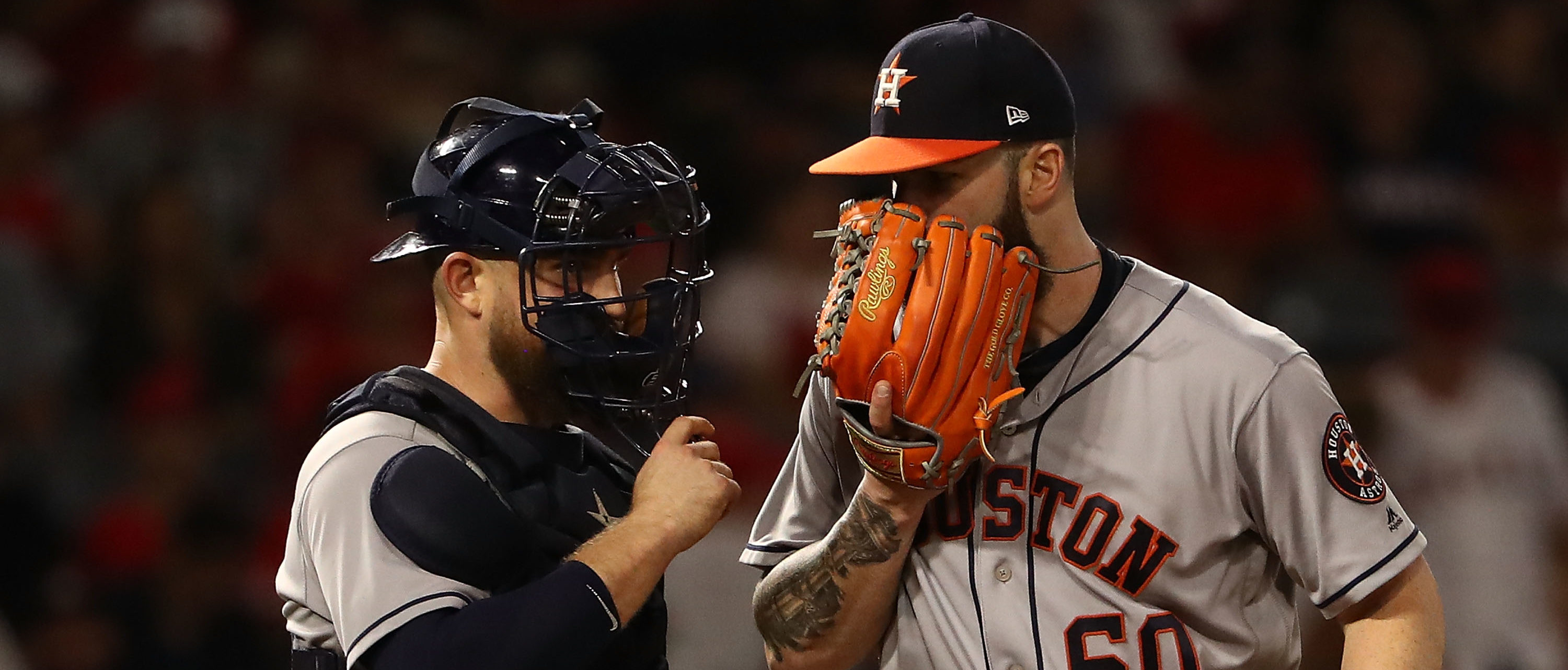
- PitchCom: The introduction of electronic communication devices between pitchers and catchers was accelerated specifically to render sign-stealing from cameras obsolete. Pitchers now receive signals through a wearable speaker in their caps.
- Video Room Restrictions: MLB tightened access to live video feeds during games. Only "clean" feeds (no zoomed-in shots of catchers) are available to teams for replay purposes, and these are monitored by league-appointed officials.
- Enhanced Compliance: Teams are now required to have more rigorous internal compliance programs, and front-office personnel are subject to stricter background checks regarding their use of data and technology.
FAQs: Frequently Asked Questions
Did the Houston Astros have their 2017 World Series title stripped?
No. Commissioner Rob Manfred decided against stripping the title, citing that there was no precedent in baseball history for doing so and that it would be "an ineffective act." He stated that fans would make their own judgments about the legitimacy of the championship, which has essentially placed an "unofficial asterisk" on the 2017 season in the eyes of many.
Why were the players not punished for their involvement?
The MLB granted immunity to the players to ensure they would provide truthful information during the investigation. Without this immunity, the Commissioner's office believed the MLBPA would have blocked the investigation, and they would not have been able to uncover the full extent of the scheme.
Was the "trash can" used in road games?
The investigation primarily focused on the system used at the Astros’ home stadium, Minute Maid Park, because it relied on fixed camera infrastructure and a monitor installed near the home dugout. While there were allegations of different methods used on the road (such as whistling or clapping), the MLB report focused on the documented home-field system.
How did the fans and other teams react to the penalties?
The reaction was largely negative, with many opposing players and fans feeling the penalties were too lenient. Players like Mike Trout and Aaron Judge expressed frustration that the Astros players faced no direct consequences. For years following the 2020 report, Astros players were met with significant booing and "trash can" related props in visiting ballparks across the country.
Are any of the individuals involved still in baseball in 2026?
Yes. A.J. Hinch and Alex Cora both returned to managerial roles after serving their one-year suspensions. Many players from the 2017 roster have since retired, but core members like Jose Altuve and Alex Bregman continued their careers, remaining prominent figures in the league through the mid-2020s.
Final Perspective and Next Actions
The Houston Astros sign-stealing scandal serves as a landmark case in the intersection of sports, technology, and ethics. While the organization paid its fines and served its suspensions, the cultural impact has been permanent. For those looking to understand the current state of baseball integrity, it is essential to monitor MLB's ongoing updates to the Electronic Equipment Policy, which is revised annually to address new technological threats to the game.
To further understand the evolution of these rules, fans and researchers should review the Official Baseball Rules (Rule 7.00) and the annual Commissioner’s Memos regarding dugout technology. Understanding the transition to PitchCom and the limitations on Live Video Feeds provides the best context for how the league has effectively closed the "trash can" era of sign-stealing.