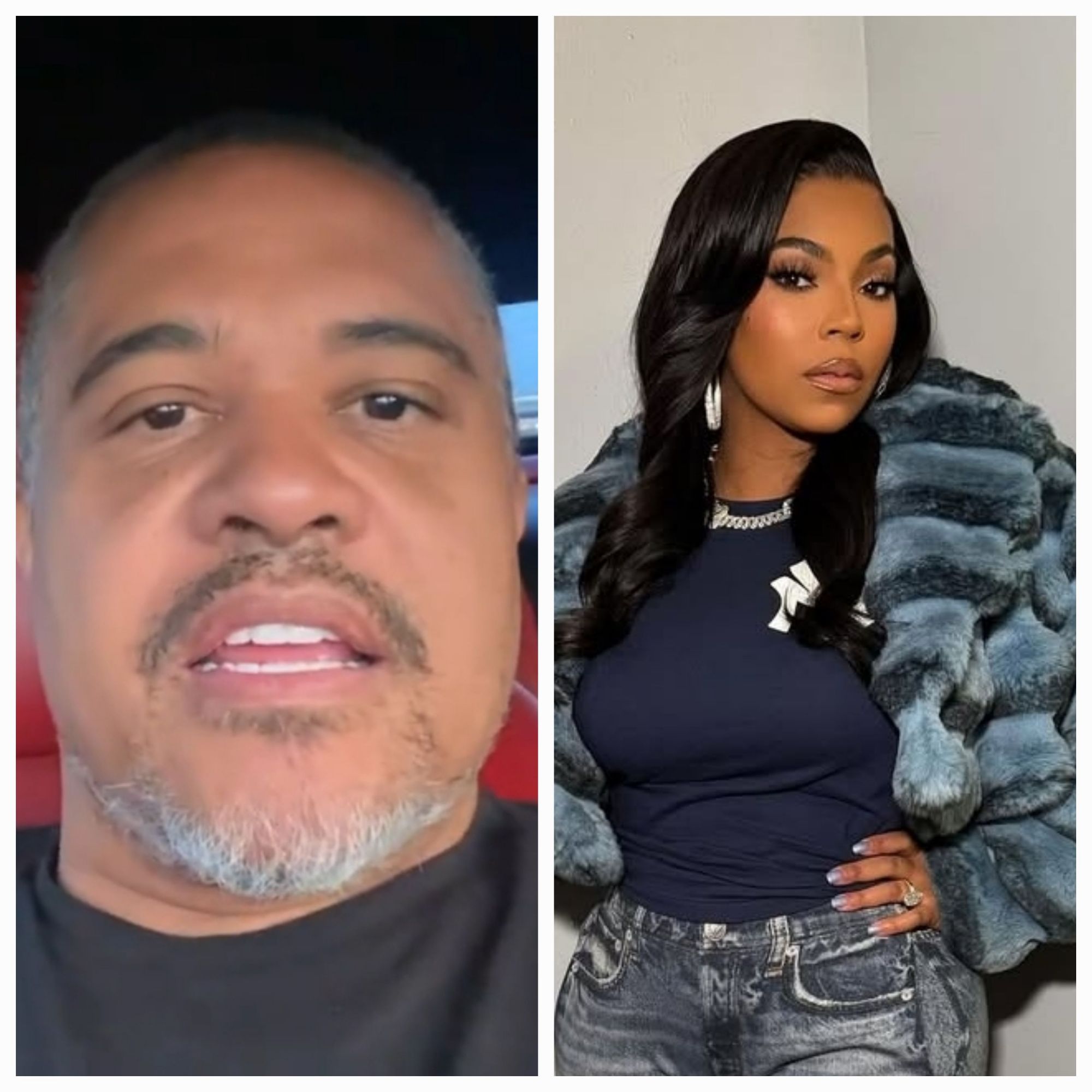
Ashanti’s public reflections following the passing of Murder Inc. co-founder Irv Gotti brought decades of complex history back into the spotlight, shedding light on a foundational era of 2000s hip-hop and R&B. Their intertwined careers, characterized by monumental commercial success followed by deep personal and professional rifts, represent one of the most scrutinized dynamics in modern music history.
The Complex History Between Ashanti and Irv Gotti
To understand the weight of any public commentary or media aftermath surrounding Irv Gotti, it is essential to examine the professional infrastructure built during the late 1990s and early 2000s. Irv Gotti, born Lawrence Parker, founded Murder Inc. Records alongside his brother Chris Gotti in 1999, operating as a subsidiary of Def Jam Recordings. The label quickly became a powerhouse, defining the intersection of rugged street hip-hop and smooth R&B melodies.
Ashanti Douglas signed to Murder Inc. in the early 2000s, launching her career with historic chart success. Her self-titled debut album in 2002 shattered records, selling over 504,000 copies in its first week and earning her a Grammy Award. Gotti served as a primary architect, mentor, and producer behind her early work, crafting hits like "Foolish" and collaborating on major joint tracks like Ja Rule’s "Always on Time."
However, the symbiotic relationship faced severe systemic pressure following federal investigations into Murder Inc. in the mid-2000s. Although Gotti and his brother were eventually acquitted of money laundering charges in 2005, the legal battles severely impacted the label’s momentum, Def Jam relationships, and internal artist dynamics. Over the subsequent decades, creative directions diverged, and personal relations frayed publicly, leading to years of fragmented narratives in interviews, documentaries, and social media commentary.
Media Scrutiny and the Anatomy of the Aftermath
When public figures tied to defining eras of popular culture pass away, media outlets, industry peers, and fans immediately re-examine archival interviews, past grievances, and long-standing tensions. The aftermath of Irv Gotti's death generated intense digital engagement, driven largely by how his final years were marked by public retrospectives of the Murder Inc. golden age.
During media tours and promotional cycles leading up to his passing, Gotti frequently discussed his past romantic and professional relationships, including his history with Ashanti. These remarks often drew substantial public debate regarding boundaries, consent in storytelling, and the preservation of legacy versus personal privacy. When discussions of his death and legacy surfaced across mainstream news and entertainment platforms, public attention naturally turned toward how Ashanti—having successfully built an independent career, reclaimed her masters, and moved forward personally and professionally—would respond to the closure of that chapter.
| Era / Phase | Key Milestone | Impact on Relationship |
|---|---|---|
| Late 1990s – Early 2000s | Formation of Murder Inc. & Ashanti's Debut | Establishment of a dominant commercial partnership and groundbreaking chart success. |
| 2003 – 2005 | Federal Investigation and Trial | Severe operational disruption, creating underlying financial and emotional strain. |
| 2006 – 2010s | Label Separation and Independence | Ashanti departed Murder Inc., taking creative control and launching her own label, Written Entertainment. |
| 2020s | Retrospective Interviews and Public Tension | Re-airing of historical grievances in media documentaries, leading to polarized public discourse. |
Navigating Legacy, Closure, and Public Expectation in Modern Media
In the digital age, the death of a prominent industry figure often triggers an immediate demand for statements from estranged former associates. This dynamic highlights the tension between public fascination and individual boundaries. For Ashanti, the aftermath required balancing personal processing with an environment saturated by internet commentary, fan polarization, and tabloid sensationalism.
Industry observers and cultural critics frequently point out that artists from earlier eras of physical-to-digital music transitions carry unique emotional baggage. The music business of the early 2000s operated under intense pressure, aggressive media tactics, and male-dominated corporate structures. Navigating the death of a primary mentor-turned-adversary involves reconciling monumental artistic achievements with difficult personal realities. Rather than engaging in reactionary cycles, many legacy artists choose private reflection or measured public statements, prioritizing personal peace over satisfying public curiosity.
Frequently Asked Questions
What was the professional relationship between Ashanti and Irv Gotti?
Irv Gotti signed Ashanti to Murder Inc. Records in the early 2000s, where he served as a primary producer and executive for her record-breaking debut album and subsequent multi-platinum projects. Their partnership defined a major era of crossover R&B and hip-hop.
Why did Ashanti and Irv Gotti have a falling out?
The relationship deteriorated due to a combination of business pressures following Murder Inc.’s legal troubles in the mid-2000s, creative differences, and later public disagreements regarding past relationships and how their history was portrayed in media interviews.
How did Ashanti handle the public aftermath following Irv Gotti's death?
Ashanti largely maintained personal boundaries, focusing on her family, ongoing touring commitments, and personal milestones rather than engaging in prolonged public debates or sensationalized media reactions.
Did Ashanti regain ownership of her early music catalog?
Yes, Ashanti successfully fought to acquire ownership of her master recordings, allowing her to control her early catalog and licensing rights independently of her former label constraints.
What is the broader cultural legacy of the Murder Inc. era?
The Murder Inc. era cemented a blueprint for R&B-hip-hop collaborations that dominated the Billboard charts throughout the 2000s, influencing subsequent generations of independent artists and label executives.
Final Recommendations for Following Industry Retrospectives
When analyzing historical music industry dynamics, consumers and researchers should rely on verified journalistic archives, direct legal documents, and primary interviews rather than unverified social media commentary. Understanding the full context of a career spanning multiple decades requires looking beyond isolated soundbites to examine systemic industry practices, artistic evolution, and the personal growth of the individuals involved.