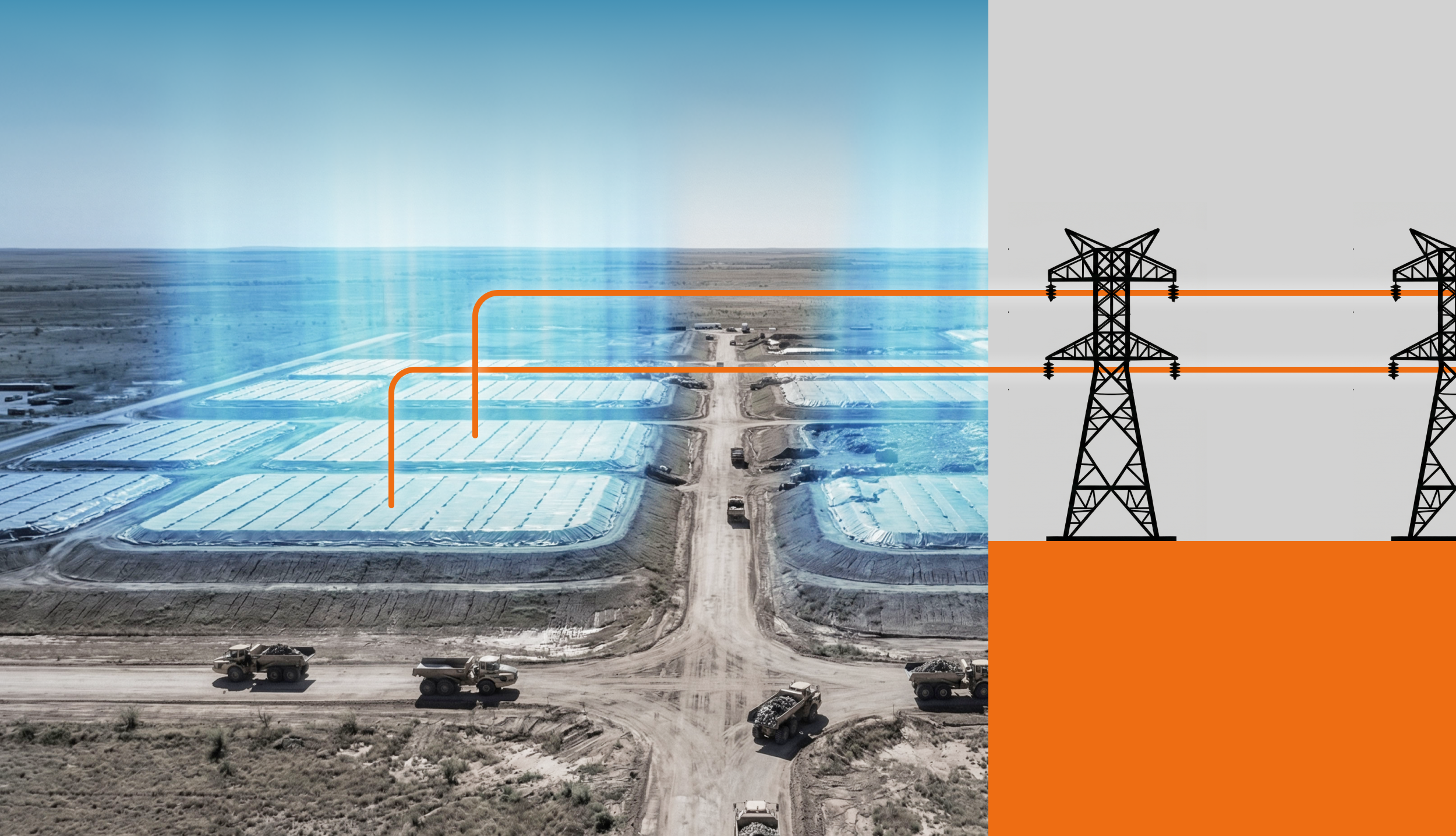
The future of the Ashcake Landfill involves navigating complex regulatory requirements, managing diminishing airspace capacities, and balancing long-term environmental protection with the waste disposal needs of Hanover County, Virginia. As local populations grow, facility operators and county officials must look toward advanced waste diversion, methane gas capture technologies, and eventual closure and post-closure monitoring protocols.
Understanding the Ashcake Landfill: Background and Operational Scope
The Ashcake Landfill, located in Hanover County, Virginia, serves as a critical infrastructure component for municipal solid waste (MSW) management in the region. Operating a municipal landfill requires strict adherence to federal and state environmental protection guidelines, specifically those overseen by the United States Environmental Protection Agency (EPA) under Subtitle D of the Resource Conservation and Recovery Act (RCRA), as well as regulations enforced by the Virginia Department of Environmental Quality (DEQ).
For decades, the facility has absorbed household, commercial, and construction waste generated by local residents and businesses. However, municipal landfills are finite resources. Every cubic yard of waste deposited brings the facility closer to its maximum permitted capacity. Understanding the operational scope of the Ashcake Landfill requires analyzing its intake volumes, current footprint, engineering controls, and the regulatory frameworks that govern daily operations.
Regulatory Frameworks and Compliance
Landfill operations are heavily scrutinized to prevent environmental degradation, particularly groundwater contamination and air pollution. The Ashcake Landfill operates under comprehensive permits that dictate:
- Daily waste coverage procedures (typically using soil or approved alternative daily covers to control vectors, odors, and litter).
- Groundwater monitoring network requirements, involving regular sampling of upgradient and downgradient monitoring wells.
- Stormwater management systems designed to separate clean runoff from areas actively receiving waste.
- Leachate collection and removal systems, which capture contaminated liquids filtering through the waste mass and route them to local wastewater treatment facilities.
Capacity Constraints and Airspace Longevity
One of the most pressing concerns regarding the future of any municipal solid waste facility is airspace depletion. Landfills are engineered with specific volume limits defined by their permits and physical boundaries. As regional population density increases within Hanover County, the generation rate of municipal solid waste places mounting pressure on the remaining capacity of the Ashcake Landfill.
Extending the operational life of the facility requires strategic airspace management. Operators utilize compaction techniques to maximize the density of incoming waste, reducing the rate at which airspace is consumed. Additionally, facilities frequently evaluate vertical expansion options—increasing the height of the landfill within permitted engineering limits—or horizontal expansions, provided adjacent land is available, environmentally stable, and approved by regulatory bodies.
Factors Impacting Landfill Lifespan
| Operational Factor | Impact on Landfill Capacity | Mitigation Strategy |
|---|---|---|
| Population Growth | Accelerated waste accumulation | Enhanced recycling and composting programs |
| Compaction Rates | Determines waste density per cubic yard | Use of heavy specialized steel-wheeled compactors |
| Regulatory Permitting | Defines hard boundaries and height limits | Seeking engineered design modifications or expansions |
| Diversion Programs | Reduces total tonnage sent to active cells | Implementation of yard waste and construction debris sorting |
Environmental Stewardship and Mitigation Technologies
Modern waste management prioritizes environmental protection and resource recovery. At the Ashcake Landfill, long-term planning incorporates advanced engineering controls to manage two primary byproducts of decomposing waste: leachate and landfill gas.
Leachate Management and Groundwater Protection
As precipitation infiltrates the waste mass, it extracts soluble and suspended materials, forming leachate. To prevent this liquid from reaching local aquifers, the Ashcake Landfill utilizes engineered liner systems consisting of compacted clay, synthetic geomembranes, and robust drainage layers. Collected leachate is treated either on-site or discharged into municipal sewer systems under strict pretreatment standards enforced by regulatory authorities. Continuous groundwater monitoring ensures that containment systems maintain their integrity over time.
Landfill Gas Collection and Energy Recovery
Decomposition of organic waste within an anaerobic environment produces landfill gas, which is composed primarily of methane and carbon dioxide. Methane is a potent greenhouse gas that must be managed carefully to comply with air quality regulations under the Clean Air Act. Many modern facilities capture this gas using a network of vertical extraction wells and horizontal collection piping. While some facilities flare the gas to destroy methane emissions, larger operations convert it into energy—either generating electricity or supplying purified gas for local industrial use.
Diversion Strategies and Alternative Waste Management
To secure a sustainable waste management future, relying solely on landfill disposal is no longer viable. Hanover County continually evaluates and promotes waste diversion initiatives aimed at reducing the total tonnage directed to the Ashcake Landfill.
- Composting Programs: Diverting yard trimmings, food scraps, and organic matter reduces the volume of wet waste entering the landfill, thereby lowering methane generation potentials.
- Recycling Initiatives: Expanding recycling acceptance lists for paper, cardboard, plastics, and metals diverts valuable materials back into the manufacturing supply chain.
- Construction and Demolition (C&D) Debris Recovery: Processing concrete, asphalt, and wood materials keeps bulky items out of active municipal solid waste cells, significantly preserving airspace.
Future Closure and Post-Closure Care Protocols
Every landfill eventually reaches its terminal capacity, triggering a transition from active waste reception to permanent closure. The future of the Ashcake Landfill will eventually involve capping the facility with a multilayered cover system designed to minimize rainwater infiltration, control gas emissions, and support vegetative growth to prevent soil erosion.
Under EPA and Virginia DEQ regulations, a closed landfill does not simply disappear from oversight. Operators are mandated to provide a minimum of 30 years of post-closure care. This mandatory period includes:
- Maintaining the integrity and effectiveness of the final cover system.
- Operating and maintaining leachate collection and treatment systems.
- Continuing groundwater monitoring protocols to verify environmental containment.
- Maintaining landfill gas monitoring and extraction infrastructure.
Financial assurance mechanisms—such as trust funds, surety bonds, or financial tests—are established during the active life of the facility to ensure that sufficient funds are perpetually available to cover these long-term post-closure maintenance and monitoring obligations without burdening local taxpayers.
Frequently Asked Questions
What happens when the Ashcake Landfill reaches full capacity?
When the facility reaches its permitted capacity limits, it will cease accepting new waste streams. Operators will execute a final capping procedure in accordance with state and federal engineering standards, followed by a mandatory 30-year post-closure care and monitoring phase.
How is groundwater protected around the Ashcake Landfill?
Groundwater protection relies on multiple layers of engineered containment, including synthetic and clay liners beneath the waste mass, active leachate collection systems to remove contaminated liquids, and a comprehensive network of monitoring wells sampled regularly to detect any anomalies.
Can the land be used for other purposes after closure?
Yes, after a landfill is properly closed and monitored for stability, the surface area can often be repurposed for non-intrusive uses such as green spaces, recreational parks, solar energy arrays, or light commercial developments, provided the underlying cap and monitoring infrastructure remain undisturbed.
What role does recycling play in extending the life of the landfill?
Recycling significantly reduces the daily tonnage of municipal solid waste deposited into the active cells. By diverting paper, plastics, metals, and organic materials through diversion and composting programs, the rate of airspace consumption slows down considerably.
Who regulates the operations and future planning of the Ashcake Landfill?
Operations are primarily regulated by the Virginia Department of Environmental Quality (DEQ) and adhere to federal standards established by the U.S. Environmental Protection Agency (EPA) under the Resource Conservation and Recovery Act (RCRA).
Conclusion and Next Actions
The future of the Ashcake Landfill depends on a careful balance between rigorous environmental engineering, active regulatory compliance, and aggressive local waste diversion efforts. Residents and local businesses can support the longevity of regional waste infrastructure by participating actively in local recycling programs, reducing single-use waste, and properly sorting organic materials. For the most up-to-date operating hours, accepted materials lists, and local waste disposal guidelines, consult the official Hanover County Government website.