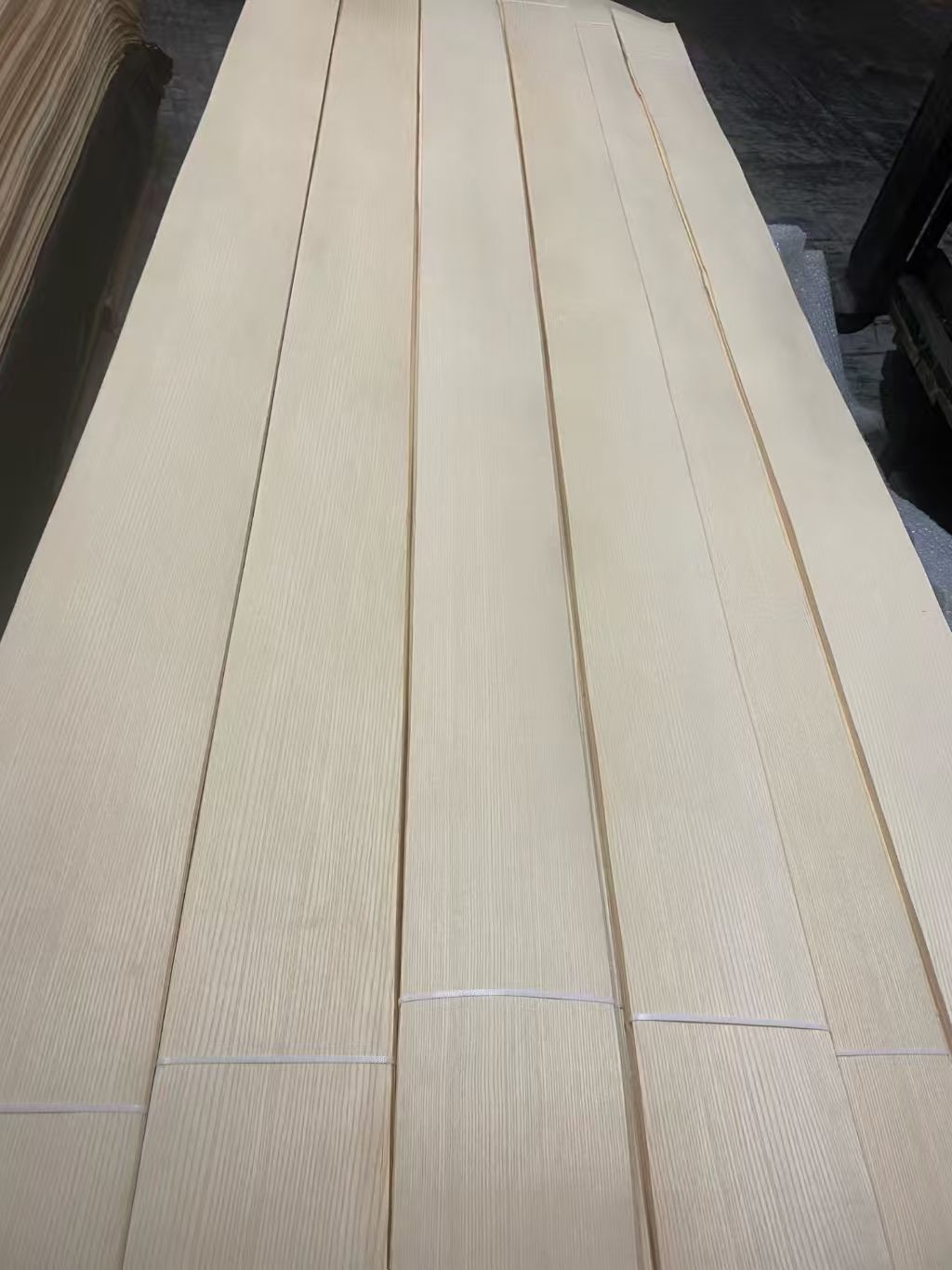
Ash wood is celebrated for its exceptional strength-to-weight ratio, distinctive grain pattern, and shock resistance, making it a premier material for fine furniture, heavy-duty tool handles, custom cabinetry, and even structural applications. Its unique cellular structure allows it to bend easily under steam, giving craftsmen the flexibility to create graceful, curved designs without sacrificing structural integrity.
Understanding Ash Wood: Botanical Profile and Physical Properties
Before exploring the practical applications of ash wood, it is essential to understand what makes this material unique. Comprising various species within the Fraxinus genus—most notably White Ash (Fraxinus americana) and European Ash (Fraxinus excelsior)—ash is a hardwood known for its rapid growth rate and broad geographic distribution across North America and Europe.
From a mechanical standpoint, ash wood shares many characteristics with white oak (Quercus alba) and hard maple (Acer saccharum). It boasts a high Janka hardness rating—typically around 1,320 pounds-force for white ash—which means it stands up well to dents, dings, and surface wear. Its elasticity is legendary; woodworkers have long prized ash for its ability to absorb sudden impacts and vibrational energy without snapping. This resilience stems from its ring-porous structure, where earlywood vessels are large and conductive, while latewood layers consist of dense, thick-walled fibers that provide mechanical strength.
The grain is typically straight and open, featuring a coarse texture that resembles oak, though it generally lacks the prominent medullary rays seen in quarter-sawn oak. The color of the heartwood is a light brown, while the sapwood is significantly lighter, ranging from a creamy white to pale yellow. This stark contrast can create striking visual effects when finished properly, though many modern craftsmen prefer to use bleaching or staining techniques to achieve a uniform, contemporary blonde appearance.
Ash Wood in Furniture Making
The primary and most widespread application of ash wood is in the construction of interior and exterior furniture. Its combination of workability, durability, and aesthetic appeal has made it a favorite among both traditional joiners and contemporary industrial designers.
| Furniture Application | Primary Mechanical Benefit |
|---|---|
| Dining & Accent Tables | High bending strength resists sagging across long spans |
| Chairs & Seating Frames | Exceptional shock resistance and steam-bending capabilities |
| Cabinetry & Case Goods | Stable panel uptake and smooth surface finishing |
| Bentwood Furniture | High elasticity allows tight radius curves without cracking |
Table Construction and Case Goods
When building dining tables, coffee tables, and desks, craftsmen require a timber that resists warping and supports heavy vertical loads. Ash lumber provides excellent dimensional stability once properly kiln-dried. It machines cleanly, taking screws, nails, and dowels securely without splitting prematurely. Because it accepts stains, dyes, and clear varnishes uniformly, furniture makers can manipulate its natural pale tone to mimic rarer hardwoods or highlight its organic cathedral grain patterns.
Chair Making and Steam Bending
One of the most defining characteristics of ash is its reaction to heat and moisture. By placing ash strips inside a steam box, woodworkers can soften the lignin binding the wood fibers together, allowing the material to be bent around wooden forms. Once dried, the wood retains its new shape while maintaining nearly all of its original tensile strength. This process is the foundation of classic Windsor chairs, Thonet-style bistro chairs, and modern Scandinavian seating designs where curved backrests and slender, load-bearing legs are required.
Industrial, Tool, and Structural Uses Beyond Furniture
While furniture represents a massive market for ash, its high impact resistance and shock-absorbing properties have historically driven its adoption in heavy-duty tools, sports equipment, and architectural elements.
Tool Handles and Implement Shafts
For centuries, ash has been the gold standard for handles on tools that experience severe repetitive shock—such as axes, sledgehammers, pickaxes, shovels, and agricultural forks. Unlike brittle woods that fracture suddenly under high-impact loads, ash fibers tend to splinter gradually rather than snapping cleanly in two. This characteristic provides a critical safety buffer for workers, as a compromised handle usually gives visible warning signs before catastrophic failure occurs.
Sports Equipment
The athletic industry relied heavily on ash wood for generations. Baseball bats, hockey sticks, tennis rackets, and oars were predominantly crafted from white ash due to its flexibility and "trampoline effect" upon ball contact. While professional baseball has largely transitioned to hard maple and birch for bats due to changing performance preferences and durability demands, youth leagues and amateur players continue to use ash for its lighter swing weight and forgiving sweet spot.
Architectural Millwork and Flooring
In interior architecture, ash is frequently specified for commercial and residential flooring, staircases, and wall paneling. Ash flooring offers a modern alternative to traditional red oak, providing a brighter, cleaner aesthetic that complements minimalist interior design. Because of its hardness, it performs well in high-traffic zones, though it can show deep indentations if subjected to heavy point loads, such as stiletto heels or unprotected furniture legs.
Working with Ash Wood: Pros, Cons, and Best Practices
Working with ash requires an understanding of both its cooperative nature in the shop and its specific vulnerabilities.
Advantages for Woodworkers
- Exceptional Workability: Ash cuts, planes, turns on a lathe, and routs cleanly with minimal tear-out when sharp cutting edges are maintained.
- Finishing Versatility: It absorbs wood stains evenly, eliminating the blotchiness common in diffuse-porous woods like cherry or maple.
- Cost and Availability: Historically, ash has been more economically priced than walnut or white oak, making it an accessible hardwood for large-scale projects.
Limitations and Challenges
- The Emerald Ash Borer Crisis: Over the past two decades, the invasive emerald ash borer (Agrilus planipennis), an insect native to Asia, has devastated ash tree populations across North America. This environmental crisis has severely disrupted the supply chain, increasing lumber costs and limiting the availability of wide, clear boards.
- Lack of Natural Decay Resistance: Ash is classified as non-durable regarding decay and insect attack. It should never be used for exterior applications—such as outdoor decking or garden structures—unless treated with intensive chemical preservatives or thermal modification (thermowood processes).
- Open Grain Management: Because ash features large pores, achieving a glass-smooth, high-gloss finish requires the application of a grain filler before sealing and top-coating.
Frequently Asked Questions
Is ash wood stronger than oak?
Ash and white oak possess very similar strength profiles, though they excel in different categories. White oak is slightly denser and offers superior natural resistance to moisture and decay, making it better suited for outdoor use and boatbuilding. Ash, on the other hand, possesses a higher impact-resistance and elasticity, making it superior for items that undergo sudden shocks, such as tool handles and bentwood furniture.
Can ash wood be used outdoors?
Untreated ash wood is not recommended for exterior applications. It has no natural resistance to rot, decay, or fungal growth when exposed to moisture and soil contact. If used outdoors, it must undergo professional thermal modification or require continuous, rigorous maintenance with exterior-grade sealants.
Why is ash wood becoming more expensive?
The primary driver of increased ash lumber prices is the devastation caused by the emerald ash borer beetle. As millions of ash trees have died across North America, conservation logging and salvage operations have increased, but the long-term availability of high-grade, clear ash lumber has dropped significantly, driving up market costs.
How do you finish ash wood to keep it light?
To preserve the natural, pale Scandinavian look of raw ash without yellowing over time, craftsmen typically use a water-based polyurethane, a hardwax oil with a white pigment tint, or a two-part conversion varnish with a UV inhibitor. Traditional oil-based finishes will amber the wood, shifting its creamy white tone toward a warmer, golden-yellow hue.
Next Actions and Recommendations
If you are planning a woodworking project or sourcing materials for custom interiors, evaluate your design requirements carefully. For indoor furniture, tables, and architectural millwork where high tensile strength and a clean grain pattern are desired, ash remains an exceptional choice. Always source your lumber from certified sustainable suppliers who manage salvaged or harvested timber responsibly in light of regional ecological challenges. Inspect boards for structural integrity, ensure proper kiln-drying to a moisture content of 6% to 8% for indoor use, and utilize grain fillers for fine furniture finishes to achieve professional results.