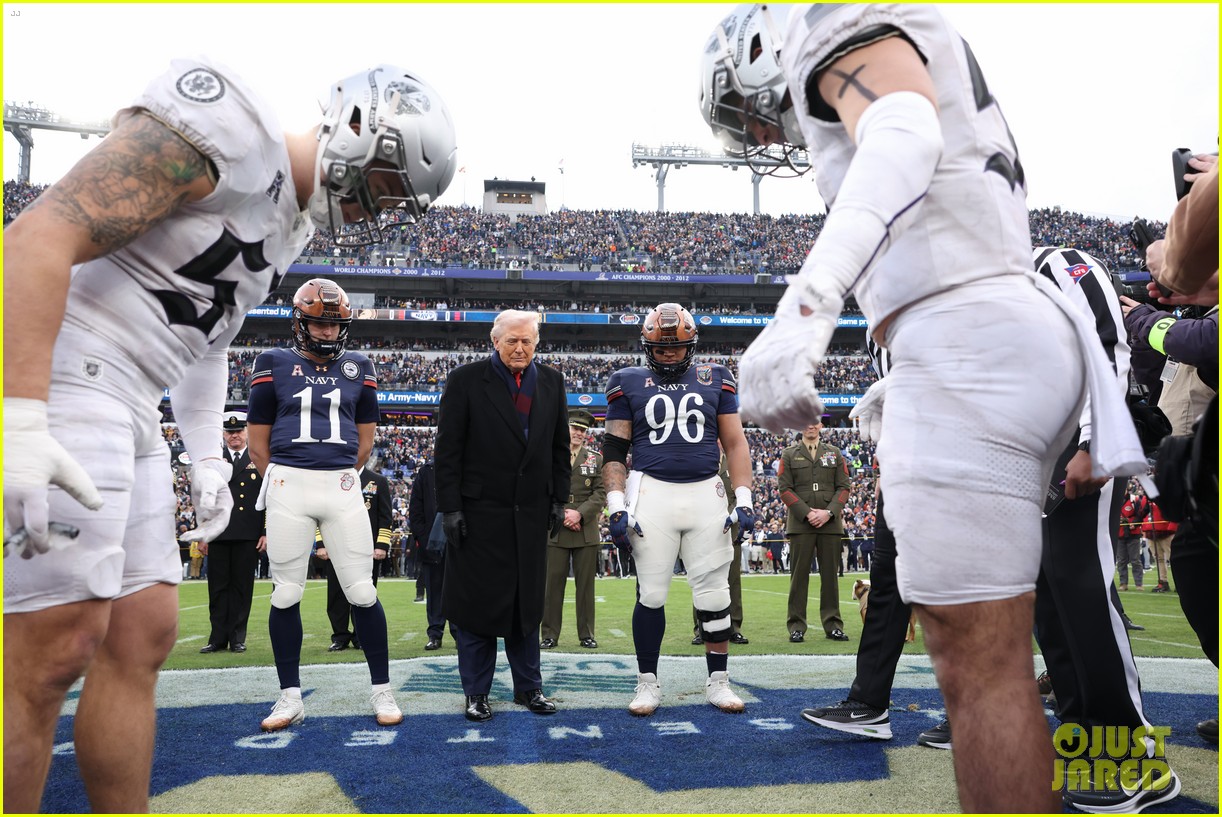
When the coin is flipped at the start of the Army-Navy game, the winner chooses one of four options: to receive the opening kickoff, to kick off to the opponent, to select which goal to defend, or to defer their choice to the second half. Most modern captains choose to defer, securing the strategic advantage of first possession in the third quarter.
The Army-Navy game, often called "America’s Game," is defined by tradition, discipline, and a style of football that emphasizes ball control. In this environment, the coin toss is not a mere formality; it is the first tactical maneuver in a sixty-minute battle of attrition. As we look at the 127th meeting between the United States Military Academy and the United States Naval Academy in 2026, the mechanics of the flip remain governed by strict NCAA regulations, yet they are elevated by the unique ceremonial gravity of this specific rivalry.
The Technical Mechanics of the NCAA Coin Toss
While the atmosphere at Lincoln Financial Field or other host stadiums is electric, the officiating crew must adhere to the standardized procedures outlined in the NCAA Football Rulebook, specifically Rule 3, Section 3. In 2026, these rules remain the backbone of game management.
The coin toss ceremony typically occurs three minutes before the scheduled kickoff on the field, though the actual "official" toss involving the head referee and the team captains may occur earlier in the locker room area or during pre-game warmups to satisfy television timing requirements. However, the public-facing flip remains the symbolic start of the contest.
Participants and Protocol
According to NCAA standards, no more than four captains from each team may participate in the coin toss. At the Army-Navy game, this often includes the primary team captains and occasionally honorary captains—distinguished alumni or high-ranking military officials. The visiting team (which alternates annually between Army and Navy) is given the privilege of calling "heads" or "tails" while the coin is in the air.
The referee must ensure the coin is tossed in a way that it rotates several times before landing. If the coin is caught, the result is official. If it hits the turf, it must be allowed to settle naturally. If the coin is dropped or the toss is obstructed, the referee will declare a "dead toss" and repeat the procedure.
The Four Pivotal Decisions: What the Winner Chooses
When the coin lands and the call is confirmed, the winning captain must immediately communicate their decision to the referee. This decision is final and cannot be changed once the referee signals the outcome to the press box and the crowd. The winner has four distinct choices:
- To Receive the Ball: The winning team takes the opening kickoff. This is often chosen by teams with high-powered offenses looking to set an immediate tone or teams that want to avoid playing defense early in cold, snowy conditions.
- To Kick Off: The winning team starts the game on defense. This is rarely chosen as an outright first choice unless the team is confident in its special teams and defensive pressure.
- To Defend a Specific Goal: The winning team chooses which end zone they will defend in the first quarter. This is a critical tactical choice when heavy winds or blinding sunlight are factors—common conditions for a December game in the Mid-Atlantic.
- To Defer: The winner "defers" their choice to the second half. This is the most common decision in modern college football. By deferring, the team essentially "passes" their turn to choose until the start of the third quarter, which almost always results in them receiving the ball to start the second half.
The Strategy of Deferring
In the context of the Army-Navy game, the "defer" option is king. Because both academies historically prioritize a "ground and pound" rushing attack (though offensive schemes have diversified by 2026), controlling the clock is paramount. Deferring allows a team to potentially score at the end of the second quarter and then receive the ball to start the third quarter—a scenario known as "doubling up." This can swing the momentum of the game significantly in a rivalry where points are often at a premium.
Atmospheric Factors and the Choice of End Zone
The Army-Navy game is traditionally played on the second Saturday in December. In 2026, the weather remains a primary variable. The coin toss winner must weigh the value of the ball versus the value of the wind.
If the stadium is experiencing high sustained winds (common in Philadelphia or East Rutherford), the team losing the toss might actually end up with a hidden advantage. If the winner chooses to "receive," the loser then chooses which goal to defend. If the wind is blowing at 20 mph, the team that chooses the goal can force the opponent to kick or pass against the wind for two of the four quarters.
For a kicker, the difference between having the wind at their back or in their face can be 10 to 15 yards of range. In a game that is often decided by a late field goal, the "defend a goal" decision made at the coin toss—or as a result of the loser's secondary choice—can be the difference between a 45-yard game-winner and a short-falling attempt.
The Ceremonial Coin: A Piece of History
Unlike a standard regular-season game where a simple quarter or a generic referee’s coin might be used, the Army-Navy coin is a specialized piece of numismatic history. For 2026, the coin typically features the crest of the United States Military Academy on one side and the United States Naval Academy on the other.
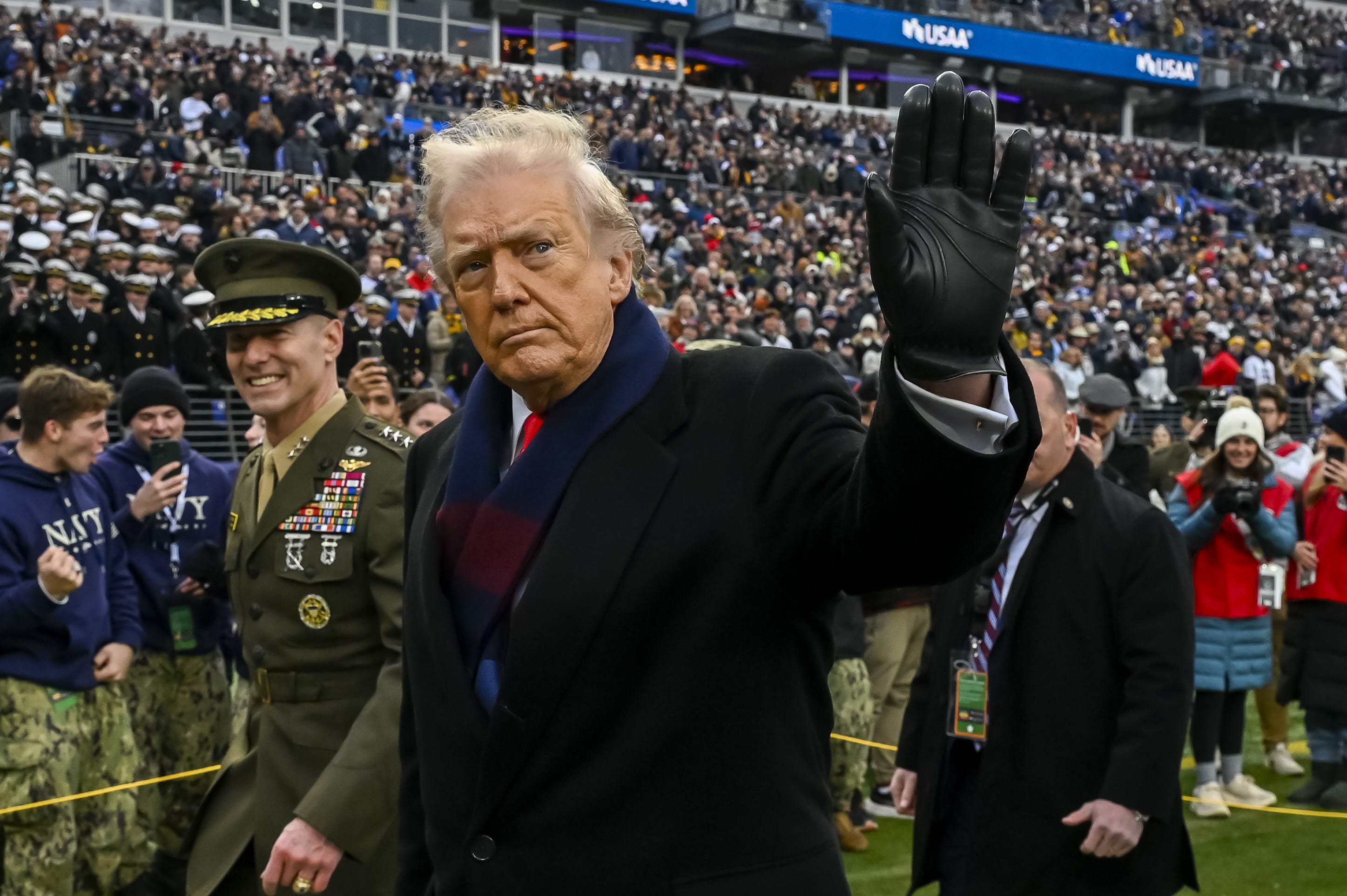
The person flipping the coin is often a high-ranking official. Historically, sitting Presidents of the United States have performed the toss. When the President is in attendance, the protocol shifts slightly to accommodate Secret Service requirements and the increased media presence. The "Presidential Flip" adds a layer of national significance, emphasizing that while the players are rivals on the field, they are brothers-in-arms off it.
| Feature | Standard NCAA Toss | Army-Navy Toss (2026) |
|---|---|---|
| Coin Type | Official Referee Coin | Custom Commemorative Medallion |
| Flipping Official | Head Referee | President, SECDEF, or High-Ranking Officer |
| Captains Present | Maximum 4 per team | 4 Active + Honorary Alumni |
| Common Choice | Defer (85%+) | Defer (90%+) |
| Timing | 3 Minutes Before Kickoff | 3 Minutes Before Kickoff (Post-March On) |
| Location | Midfield | Midfield (Center of 50-Yard Line) |
The "March On" and its Relation to the Toss
Before the coin toss even occurs, the "March On" of the Corps of Cadets and the Brigade of Midshipmen takes place. This massive display of discipline sets the stage. The coin toss acts as the bridge between the military ceremony and the athletic competition.
When the captains meet at midfield after the March On, they are representing thousands of their peers standing in the bleachers. The physical act of the toss signals the end of the pageantry. Once the referee explains the options and the coin is in the air, the focus shifts entirely from military precision to football strategy.
What Happens if the Captain Makes a Mistake?
It is rare, but mistakes during the coin toss can be catastrophic. If a captain wins the toss and mistakenly says they want to "kick," they have technically chosen their option. The other team then gets to choose which goal to defend. Because they chose to "kick" rather than "defer," they do not get the choice in the second half. This means they will likely kick off in both the first and second halves—a massive tactical error.
Officials are trained to clarify the captain's intent, usually asking "You want to defer your choice to the second half?" rather than simply accepting a vague answer. In the high-pressure environment of the 2026 Army-Navy game, referees take extra care to ensure the cadets and midshipmen understand the gravity of their choice.
The Role of the "Middle Eight" in Toss Strategy
Football analysts often refer to the "Middle Eight"—the last four minutes of the second quarter and the first four minutes of the third quarter. The coin toss is the primary driver of who controls the Middle Eight.
By deferring the choice to the second half, the team ensures they have the ball during that critical window. In Army-Navy games, where possessions are often long (sometimes 8 to 10 minutes per drive), the team that receives the ball to start the second half can effectively keep the opposing offense off the field for a massive chunk of real-time. If Army, for example, wins the toss, defers, and then scores to end the half, they can "starve" the Navy offense by taking the opening drive of the third quarter and burning another six minutes. This strategic squeeze is a hallmark of service academy football.
Frequently Asked Questions
Who gets to call the coin toss?
The visiting team always calls the toss. The "home" and "visitor" status alternates each year. In 2026, if Navy is designated as the home team, the Army captain will call "heads" or "tails" while the coin is in the air.
Can a team choose to kick off even if they win the toss?
Yes, a team can choose to kick off, but it is strategically unsound. Winning the toss and choosing to "kick" is different from "deferring." If you choose to kick, you lose the right to choose in the second half. This is why the term "defer" is specifically used to protect the team's second-half options.
What happens if the coin toss is tied?
A coin toss cannot be tied. It is a binary outcome (Heads or Tails). In the extremely unlikely event that a coin lands on its edge or is obstructed, the referee simply declares a re-toss.
Does the President always flip the coin?
No, the President only flips the coin if they are in attendance and choose to participate in the midfield ceremony. If the President is not present, the honor usually goes to a high-ranking military officer, a Secretary of the Department of Defense, or the game's head official.
Why do teams almost always defer in the Army-Navy game?
Teams defer because the second-half possession is more valuable. It allows the coaching staff to make halftime adjustments and then immediately put those adjustments into practice on offense. In a game with limited possessions like Army-Navy, having a guaranteed possession to start the third quarter is a major tactical advantage.
Can weather change the coin toss decision?
Absolutely. If there is a 30-mph gale blowing toward one end of the field, a captain might choose to "defend the goal" with the wind at their back for the first quarter, hoping to jump out to an early lead, even if it means giving up the choice of possession in the second half.
Practical Recommendations for Fans and Observers
For those attending or watching the Army-Navy game in 2026, pay close attention to the wind socks on top of the goalposts before the toss. If you see the winning captain pointing toward a specific end of the stadium rather than signaling "we want the ball," you are witnessing a specific tactical response to the environmental conditions.
The coin toss is the final moment of calm before the traditional "service academy" slugfest begins. Whether the result is a deferral or a surprise decision to defend a goal, the flip of the coin initiates the strategic chess match that makes this rivalry the most respected in American sports. If you are betting or analyzing the game, the outcome of the toss and the subsequent "Middle Eight" performance are often the most accurate predictors of the final score.