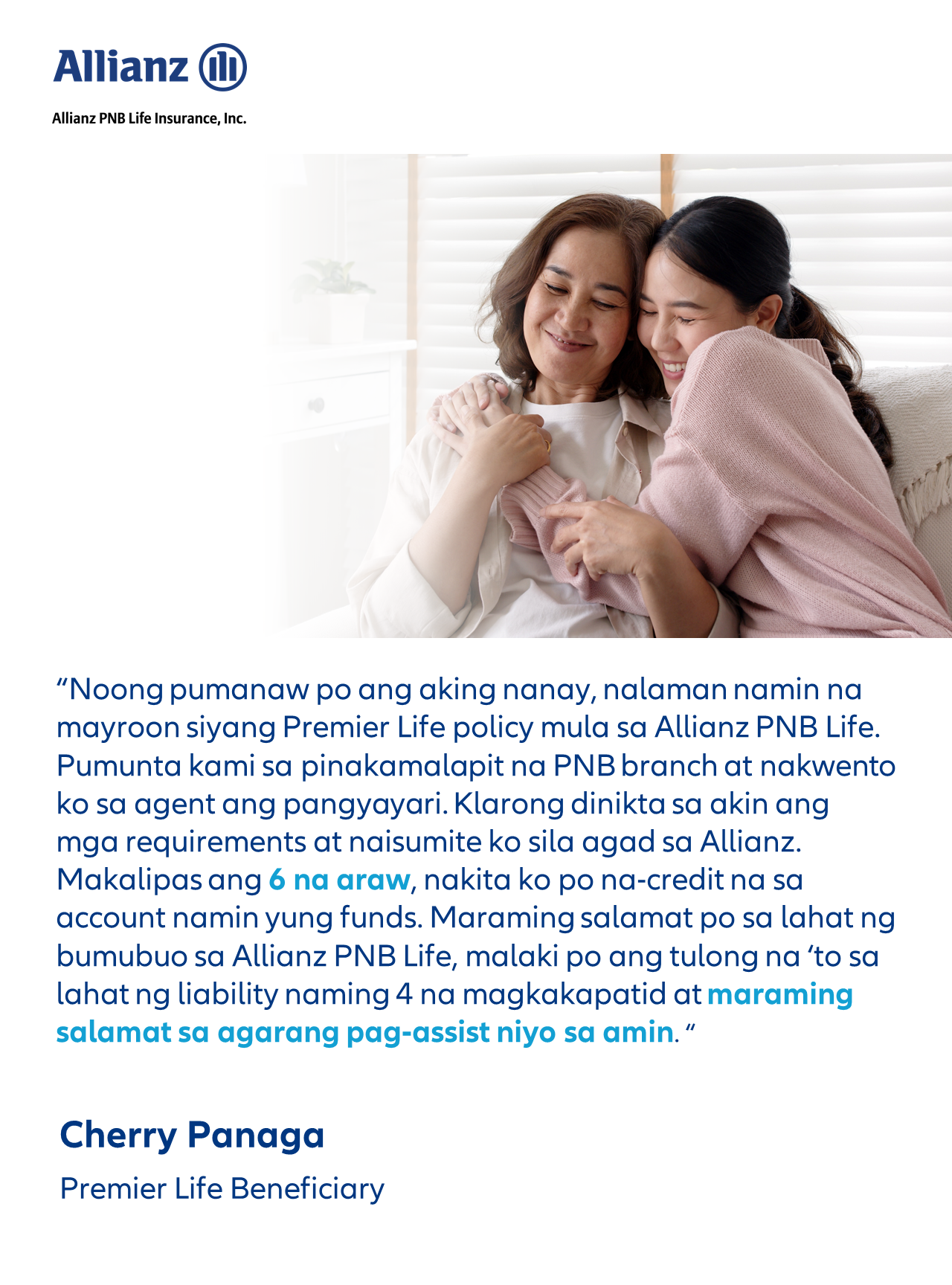
Client testimonials in life insurance provide crucial social proof that helps overcome consumer skepticism, demystifies complex policies, and builds the emotional trust required to purchase intangible, long-term financial protection. Because life insurance deals with mortality and complex financial planning, authentic customer stories bridge the gap between abstract corporate promises and real-world security.
Understanding the Unique Marketing Landscape of Life Insurance
Life insurance is fundamentally different from consumer goods or standard retail services. When a consumer buys a gadget, clothing, or even a short-term auto insurance policy, the feedback loop is immediate. The product arrives, fits, or covers a minor fender bender within days or weeks.
Life insurance, on the other hand, is a deferred-gratification product. It is a promise of financial security paid out only after a tragedy occurs. This creates a distinct set of marketing friction points:
- Intangibility: Buyers cannot touch, see, or immediately test the product. They are purchasing a contract and an idea of future safety.
- High Emotional Resistance: Discussions surrounding life insurance force consumers to confront their own mortality, making them naturally inclined to procrastinate or avoid the topic altogether.
- Complexity and Jargon: Terms like whole life, term life, cash value accumulation, underwriting classes, and irrevocable beneficiaries can overwhelm everyday buyers.
- Skepticism Toward Financial Institutions: Historical distrust of insurance providers makes consumers wary of hidden fees, denied claims, or fine print clauses that might void a payout.
Within this high-friction ecosystem, traditional advertising often falls short. Slick corporate brochures and feature-heavy landing pages can feel sterile or overly promotional. This is where the strategic deployment of customer testimonials becomes essential. By highlighting the lived experiences of real policyholders and beneficiaries, insurance marketers can dismantle barriers and humanize their brand.
Core Arguments for Using Testimonials in Life Insurance
Integrating customer stories into a life insurance marketing strategy yields several distinct psychological and business advantages. Below are the primary arguments for why testimonials are indispensable in this sector.
1. Overcoming Intangibility Through Real-World Narratives
Because life insurance cannot be physically demonstrated, testimonials serve as a proxy for product performance. When a beneficiary explains how a term life payout covered mortgage payments and college tuition after a sudden loss, the product transforms from a theoretical piece of paper into a tangible safety net.
- Illustrating the Payout Process: Prospects worry whether insurance companies actually pay out claims without hassle. Testimonials from real beneficiaries validate that claims departments honor their contracts efficiently.
- Demonstrating Living Benefits: For permanent policies, testimonials can highlight how policyholders successfully utilized cash value loans to fund small businesses or supplement retirement income.
2. Building Trust and Credibility in a Skeptical Market
Trust is the single most valuable currency in the financial services industry. Consumers know that insurance companies have a vested financial interest in painting themselves in a positive light. Independent praise from actual clients carries an objective weight that self-promotional copy can never achieve.
According to consumer trust research across financial sectors, peer reviews and case studies significantly outperform corporate claims in influencing purchasing decisions. When a prospect reads about someone in a similar life stage—such as a newlywed couple buying their first home or a small business owner securing key-person coverage—they see a reflection of their own needs.
3. Humanizing Complex Financial Concepts
Life insurance involves dense terminology that can paralyze decision-making. Testimonials cut through the jargon by translating complex product structures into simple human outcomes. Instead of explaining the mathematical mechanics of a universal life policy, a customer story focuses on peace of mind, family stability, and generational wealth preservation.
- Relatable Language: Real clients do not speak in insurance underwriting codes; they speak in everyday terms. This makes the narrative accessible to first-time buyers who feel intimidated by agents.
- De-escalating Fear: Hearing how another person navigated the medical exam and underwriting process helps reduce anxiety for prospective applicants who fear being rejected or judged.
Strategic Implementation: Types of Life Insurance Testimonials
Not all testimonials serve the same purpose. A comprehensive marketing strategy incorporates different formats tailored to specific stages of the customer journey.
| Testimonial Type | Primary Focus | Best Used For | Target Audience Segment |
|---|---|---|---|
| Beneficiary Stories | Claim payouts, financial rescue, emotional relief | Top-of-funnel awareness, brand trust campaigns | Young families, primary breadwinners |
| Living Benefit Reviews | Cash value growth, retirement supplementation | Mid-funnel consideration, permanent life pages | High-net-worth individuals, pre-retirees |
| Underwriting/Process Praise | Ease of application, medical exam convenience | Bottom-of-funnel conversion, checkout flows | Busy professionals, digital-first buyers |
| Independent Agent Praise | Guidance, patience, personalized advice | Working with advisory channels | Consumers confused by policy options |
Beneficiary Stories: The Ultimate Proof of Value
The most powerful testimonials in life insurance often come from survivors. While these stories must be handled with immense empathy and respect, hearing from a spouse or child who received a death benefit underscores the ultimate purpose of the product. These narratives answer the foundational question: Will my family be okay if I am gone?
Living Benefit and Cash Value Reviews
For permanent products like whole or universal life insurance, testimonials should focus on utility during the insured's lifetime. Highlighting policyholders who successfully managed cash value accumulation, borrowed against their policies responsibly, or used riders for chronic illness care shifts the perception of life insurance from a death benefit to a comprehensive wealth-building tool.
Process and Friction-Reduction Reviews
Many potential buyers abandon applications out of frustration with medical underwriting or long wait times. Testimonials that praise a frictionless digital application process, quick approvals, or a compassionate medical examiner help reassure hesitant prospects who are on the fence about applying.
Compliance, Ethics, and Regulatory Guardrails
While the arguments for testimonials are compelling, life insurance is a heavily regulated financial product governed by state insurance commissioners, the Federal Trade Commission (FTC), and industry bodies like FINRA and the NAIC. Marketers cannot treat insurance testimonials like casual restaurant or e-commerce reviews.
1. Truth in Advertising and Typical Results
Regulators require that testimonials reflect the honest opinions and experiences of the endorser. More importantly, if a testimonial highlights a specific financial outcome—such as cash value growth or specific dividend yields—companies must ensure those results are typical, or provide clear disclosures regarding actual performance variability.
2. Privacy and Confidentiality
The tragic or sensitive nature of life insurance claims requires strict adherence to privacy laws. Marketers must secure explicit, written consent from clients and beneficiaries before publishing their stories, names, or likenesses. Anonymizing certain details or using pseudonyms may be necessary to protect family privacy, provided the core authenticity of the review remains intact.
3. Material Connections and Disclosures
If a policyholder receives any form of compensation, gift, or discounted premium in exchange for sharing their story, clear and conspicuous disclosure is legally required. Modern compliance guidelines mandate that these disclosures cannot be buried in fine print or hidden behind obscure hyperlinks.
Common Pitfalls to Avoid in Life Insurance Testimonial Marketing
Improperly executed testimonials can damage brand credibility rather than enhance it. Marketers should avoid these frequent missteps:
- Over-Polishing and Scripting: When testimonials sound like corporate advertising copy rather than authentic human speech, consumers immediately spot the fabrication. Allow customers to use their natural voice.
- Ignoring Niche Demographics: A 65-year-old purchasing final expense insurance has entirely different needs than a 30-year-old buying term life for a growing family. Mismatched testimonials fail to resonate.
- Neglecting Video Formats: Relying solely on text quotes misses out on the emotional nuance conveyed through vocal tone, facial expressions, and body language in video testimonials.
- Failing to Update Stories: Outdated testimonials referencing old product structures, defunct policy riders, or discontinued corporate programs confuse prospects and undermine compliance standards.
Frequently Asked Questions About Life Insurance Testimonials
Can insurance companies legally use real claim payout stories in their marketing?
Yes, provided they secure explicit, written permission from the beneficiaries or policyholders involved and maintain strict compliance with privacy laws and state insurance regulations. Real stories provide powerful validation of a company's commitment to honoring its contracts.
How do regulations affect the use of client testimonials in financial services?
Financial regulations enforced by bodies like the FTC and state insurance commissioners prohibit deceptive claims, require clear disclosure of any material connections or compensation given to the reviewer, and mandate that any stated financial outcomes reflect typical customer experiences.
Are video testimonials more effective than written quotes for life insurance?
Video testimonials generally perform better because they convey empathy, sincerity, and emotional depth far more effectively than text. Hearing a real person speak about financial security builds immediate trust, which is vital for high-consideration products.
What should be done if a customer's testimonial includes sensitive personal details?
Marketers must balance persuasive storytelling with strict privacy protections. With the client's consent, sensitive details such as specific payout amounts, exact geographic locations, or identifiable family names can be generalized or anonymized while preserving the emotional core of the message.
How can a life insurance brand collect authentic reviews without sounding pushy?
The most effective collection method is reaching out to clients or beneficiaries at natural touchpoints—such as after a smooth underwriting experience, a successful policy anniversary, or a finalized claim resolution—while offering a frictionless submission process via email or digital portals.
Conclusion and Next Actions
Integrating customer testimonials into a life insurance marketing strategy is no longer optional in a digital-first marketplace where consumers rely heavily on peer validation. By transforming abstract financial concepts into relatable human stories, insurers can dismantle consumer skepticism, demystify policy complexities, and build deep emotional trust.
To operationalize these insights, marketing teams and agency owners should audit their current digital properties, identify key touchpoints where consumer hesitation peaks, and initiate a compliant, ethically managed campaign to capture authentic beneficiary and policyholder narratives. Start by requesting feedback from clients who have recently navigated the underwriting or claims process, ensuring all regulatory disclosures and privacy consents are strictly observed from the outset.