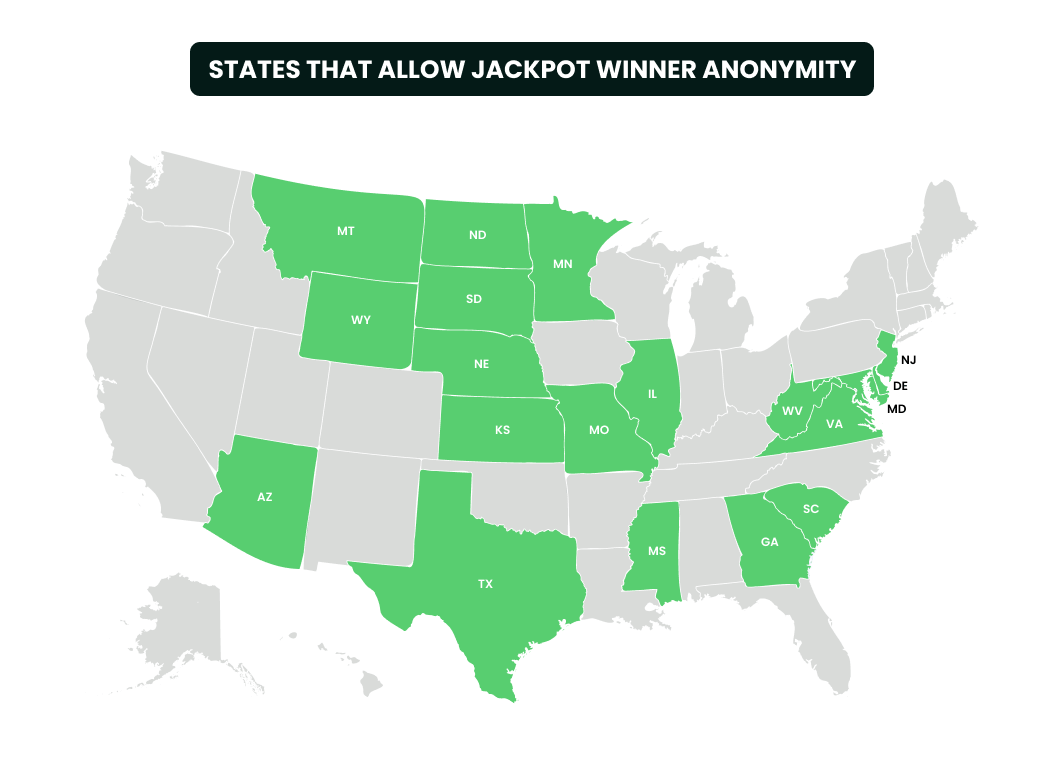
Staying anonymous after winning a major lottery jackpot depends entirely on the laws of the state where the ticket was purchased and the legal structures you establish before claiming the prize. In 2026, while more states have passed privacy legislation, many still require public disclosure; however, winners can often use blind trusts or limited liability companies (LLCs) to shield their identities.
The dream of winning the lottery is almost always accompanied by the desire for privacy. In the immediate aftermath of a massive win, such as a Powerball or Mega Millions jackpot, the winner faces a sudden and overwhelming influx of attention from the media, long-lost relatives, and predatory "financial advisors." For many, the only way to ensure long-term safety and peace of mind is to remain an anonymous lottery winner. However, the path to anonymity is not a universal right in the United States; it is a complex patchwork of state statutes, lottery commission regulations, and sophisticated legal maneuvers.
The Legal Landscape of Lottery Anonymity in 2026
As of 2026, the legal framework regarding lottery winners' privacy remains divided. Historically, lottery commissions argued that publicizing winners was essential for maintaining public trust. They wanted to prove that real people win and that the games are not rigged. Conversely, winners have argued that public disclosure puts their physical safety and financial security at risk.
Over the last decade, the tide has shifted significantly toward privacy. Several states have enacted laws that allow winners to remain anonymous if their prize exceeds a certain threshold—often $250,000 or $1 million. Despite this trend, "public disclosure" states still exist, where the winner’s name, hometown, and prize amount are considered public record under Freedom of Information Act (FOIA) requests.
States That Allow Direct Anonymity
In these jurisdictions, the law explicitly protects the identity of the winner, though some require a formal request or only provide protection for a specific period.
- Arizona: Winners of prizes $100,000 or more may remain anonymous permanently.
- Delaware: Winners can choose to remain anonymous by checking a box on the claim form.
- Georgia: For prizes over $250,000, winners can request that their identity remain confidential.
- Kansas: The lottery executive director will honor requests for anonymity.
- Maryland: Winners have the right to remain anonymous regardless of the prize size.
- Mississippi: The law protects the identity of lottery winners by default.
- New Jersey: Legislation passed in 2020 allows winners to remain anonymous indefinitely.
- North Dakota: Winners can choose to remain anonymous.
- Ohio: Allows winners to remain anonymous, though the lottery may still use the win for marketing without identifying the person.
- South Carolina: Winners are allowed to stay anonymous.
- Texas: Winners of prizes over $1 million can choose to remain anonymous.
- Virginia: Winners of prizes over $10 million can choose to keep their names private.
States Requiring Public Disclosure (and the Workarounds)
In states like California or New York, the law generally requires the name of the winner to be made public. In these "public" states, the challenge for anonymous lottery winners is significantly higher. However, professional legal teams often employ the use of legal entities to act as the "winner" of record.
Legal Entities: Using Trusts and LLCs for Privacy
When a state law mandates that the "person" who claims the prize must be identified, the strategy shifts to defining who or what that "person" is. In many jurisdictions, a legal entity—such as a trust or a Limited Liability Company (LLC)—can be the claimant.
The Blind Trust Method
A trust is perhaps the most common tool used by anonymous lottery winners. The process involves creating a trust with a generic name (e.g., "The Blue Sky Trust" or "The 2026 Sunshine Foundation"). The winner serves as the beneficiary, while a trusted attorney or financial institution serves as the trustee.
When the prize is claimed, the lottery commission records the name of the trust, not the individual. While the lottery may still require the individual's Social Security number for tax withholding purposes (Internal Revenue Service compliance), the public-facing record reflects only the entity name. It is crucial to set up this trust before signing the back of the ticket, as the signature on the ticket dictates who the legal owner is.
The Limited Liability Company (LLC)
In some states, an LLC can be used similarly to a trust. The winner forms an LLC, and the LLC claims the prize. This offers an additional layer of asset protection. However, some lottery commissions have rules specifically prohibiting LLCs from claiming prizes, or they may require the disclosure of the LLC's members. In 2026, the "Corporate Transparency Act" requirements mean that even if an LLC is used, the "beneficial owners" must be reported to the Treasury Department’s Financial Crimes Enforcement Network (FinCEN), though this data is not generally accessible to the public or the media.
The Immediate Steps for a Potential Anonymous Winner
If you find yourself holding a winning ticket in 2026, the hours and days following the discovery are the most critical for maintaining your anonymity. Most people make the mistake of telling too many people or rushing to the lottery headquarters.
- Secure the Ticket: Sign the back of the ticket only after you have consulted with a lawyer. In some states, signing your own name immediately may disqualify you from using a trust to claim the prize. Place the ticket in a fireproof safe or a bank safety deposit box.
- Remain Silent: Do not post on social media. Do not call your extended family. The more people who know, the higher the risk of your identity being leaked to the press or the public.
- Hire a "Wealth Squad": You need three primary professionals: a lottery lawyer (specializing in tax and privacy law), a certified financial planner (CFP), and a tax professional (CPA). Ensure these individuals have experience handling high-net-worth clients and understand the specific lottery laws of your state.
- Change Your Contact Information: Before your name potentially hits any public record, delete your social media accounts, change your phone number to an unlisted one, and consider setting up a temporary P.O. Box for your mail.
Why Anonymity Matters: The Risks of Publicity
The history of lottery winners is filled with "cautionary tales" of individuals whose lives were ruined by sudden publicity. These risks are not just theoretical; they have practical, devastating consequences.
- Security Threats: Publicly identified winners are frequently targets for kidnapping, robbery, and extortion. In 2026, digital security is as much a concern as physical security, with winners facing increased risks of identity theft and sophisticated phishing schemes.
- Predatory Lawsuits: Once someone is known to have millions of dollars, they often find themselves the target of frivolous lawsuits from people hoping for a quick settlement.
- Social Harassment: Winners often report that they can no longer walk down the street or visit local businesses without being hounded for "donations" or "loans." This leads to extreme social isolation.
- The "Lottery Curse": This term refers to the high rate of bankruptcy, divorce, and depression among winners. Much of this is attributed to the pressure and loss of privacy that comes with a public win.
Comparing Anonymity Options by State Type
The following table summarizes the general approach required based on the type of state where the ticket was purchased.
| State Policy Type | Anonymity Ease | Recommended Strategy | Disclosure Level |
|---|---|---|---|
| Full Anonymity States | Very Easy | Claim in your own name or a simple trust. | None; identity is protected by law. |
| Threshold States | Moderate | Ensure prize meets the minimum (e.g., $1M). | Name kept private if threshold met. |
| Trust/Entity States | Complex | Form a Blind Trust or LLC before claiming. | Trust name is public; individual name is private. |
| Full Disclosure States | Difficult | Use legal entities, move locations, and hire PR. | Full name and hometown are public. |
The Role of the "Double-Blind" Claim
In the most restrictive states, some winners utilize a "Double-Blind" strategy. This involves two layers of legal entities. A trust is formed to claim the prize, but that trust is owned by a second entity (another trust or a specialized corporation) based in a state with strict privacy laws, such as Nevada or Wyoming.
While this does not always prevent the lottery commission from demanding the name of the ultimate beneficiary, it creates significant "noise" and legal barriers for journalists or "treasure hunters" trying to find the individual behind the win.
Financial and Tax Implications of Anonymous Claims
Claiming as an anonymous lottery winner through a trust or LLC does not change your tax liability. In 2026, the IRS continues to tax lottery winnings as ordinary income at the highest marginal bracket (currently 37% for federal taxes).
When a trust claims a prize, the lottery commission typically withholds the 24% federal tax immediately. However, because the top rate is 37%, the winner (or the trust) will owe the remaining 13% at the end of the tax year. Additionally, state taxes apply based on where the ticket was purchased, not where the winner lives.
Professional Advice Limitation
Note: This information is for educational purposes and does not constitute legal or financial advice. Lottery laws are subject to change by state legislatures and lottery commissions. Always consult with a licensed attorney and a qualified financial advisor in your jurisdiction before claiming a significant prize.
Practical Security Measures for the "New" Wealth
Even if you successfully remain an anonymous lottery winner, your lifestyle may eventually give you away. Moving into a $10 million mansion or buying a fleet of supercars will draw attention.
- The "Slow Build": Financial experts recommend maintaining your current lifestyle for at least six months to a year. This allows the initial "buzz" of a local win to die down.
- Nondisclosure Agreements (NDAs): If you must hire domestic staff (housekeepers, security, drivers), ensure they sign rigorous NDAs to prevent them from leaking your identity or location to the media.
- Digital Footprint Management: In 2026, "doxing" (releasing private information online) is a major threat. Use a professional service to scrub your personal information from data-broker websites.
Frequently Asked Questions
Can I remain anonymous if I won the Powerball or Mega Millions?
Anonymity for multi-state games like Powerball or Mega Millions is governed by the laws of the state where the ticket was purchased, not the rules of the multi-state lottery association. If you bought your winning Powerball ticket in Maryland, you can be anonymous. If you bought it in California, you generally cannot.
Does signing the back of the ticket prevent anonymity?
In many states, yes. The name on the ticket is the legal claimant. If you sign your own name and then decide you want a trust to claim it, you may be stuck. Experts often suggest leaving the back of the ticket blank (while keeping it in a very secure location) until you have met with a lawyer to determine the best legal entity for the claim.
What happens if a journalist finds out who I am?
In states where anonymity is protected by law, the lottery commission cannot confirm your identity. However, if a journalist discovers your identity through other means (like a neighbor talking), they are usually free to publish it under First Amendment protections. This is why "operational security" (staying quiet) is just as important as legal protection.
Are there any states where I absolutely cannot hide my identity?
States like California are notoriously strict, citing the need for total transparency in their "public" lottery systems. In these states, even if you use a trust, the names of the beneficiaries may eventually be subject to disclosure if challenged in court or through specific state transparency requirements.
Does it cost money to stay anonymous?
Yes. Setting up sophisticated trusts, LLCs, and hiring high-end legal counsel can cost anywhere from $10,000 to over $100,000 depending on the complexity and the size of the jackpot. However, most winners consider this a small price to pay for a lifetime of privacy.
Next Steps for Winners
If you have won a significant amount of money and wish to remain anonymous, your immediate next action should be to contact a "Lottery Lawyer." Do not go to the lottery office. Do not tell your best friend. Your goal is to create a legal barrier between the ticket and your public identity before the "ticking clock" of the lottery's claim period (usually 180 to 365 days) runs out.