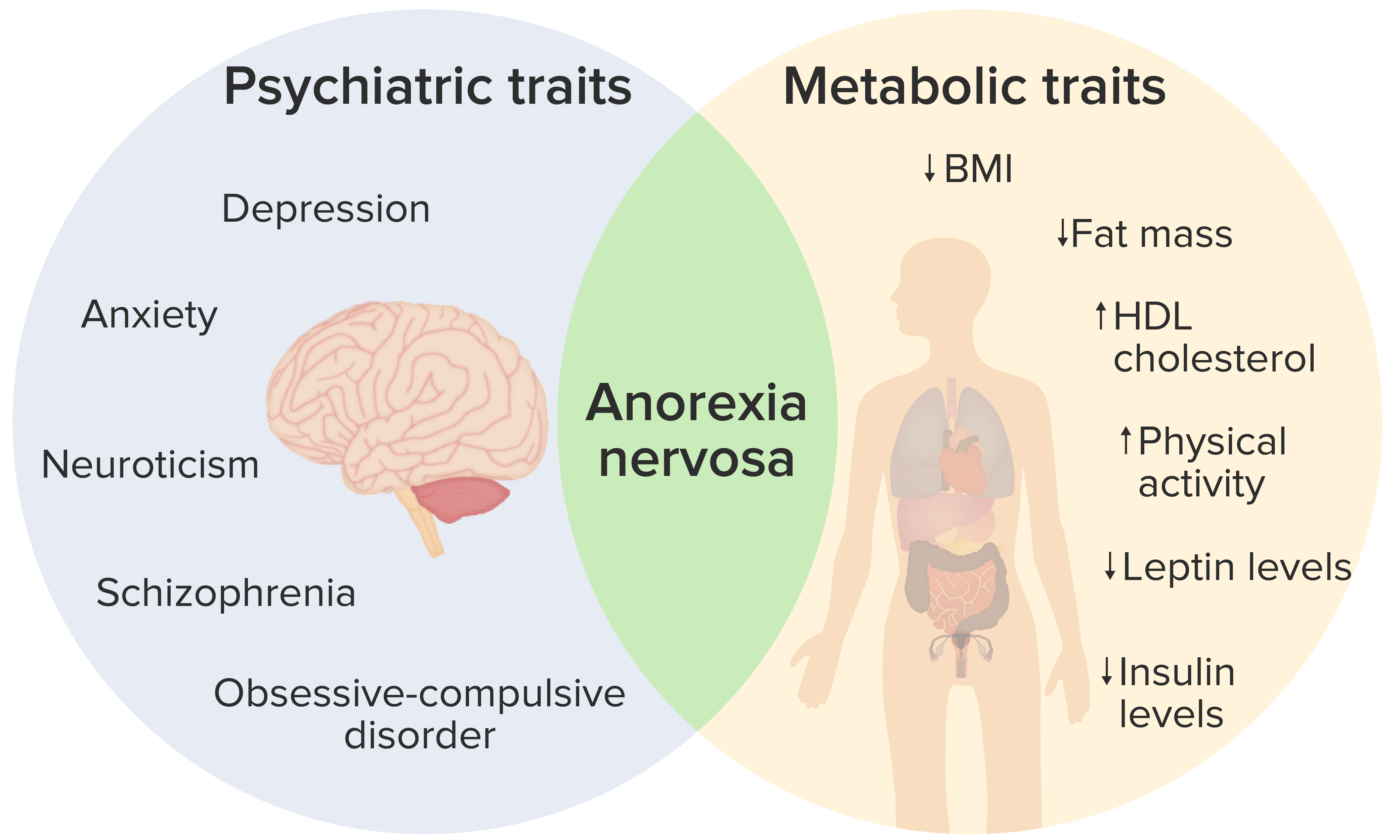
Examples of anorexia nervosa include severe calorie restriction, obsessive calorie tracking, and an intense fear of weight gain regardless of current body size. Behavioral examples often manifest as skipping meals or ritualistic eating, while physical examples include extreme fatigue, hair thinning, and bradycardia. Recognizing these signs early is critical for intervention and long-term recovery.
Disclaimer: This article is for informational purposes only and does not constitute medical advice, diagnosis, or treatment. Always seek the advice of a physician or other qualified health provider with any questions regarding a medical condition.
Anorexia nervosa is a complex psychological and physiological condition characterized by an obsessive desire to lose weight by refusing to eat. As we look at the landscape of mental health in 2026, our understanding of eating disorders has evolved beyond the stereotype of the "emaciated teenager." Anorexia affects individuals of all genders, ages, ethnicities, and body types. Understanding specific examples of how this disorder manifests in real-world scenarios is essential for early detection and support.
Clinical Examples Based on DSM-5-TR Criteria
The Diagnostic and Statistical Manual of Mental Disorders, Fifth Edition, Text Revision (DSM-5-TR) provides the framework for clinical diagnosis. While only a professional can diagnose anorexia, these criteria serve as the primary "clinical examples" of the disorder.
1. Restriction of Energy Intake
The most prominent example of anorexia is the persistent restriction of food intake that leads to a significantly low body weight in the context of age, sex, developmental trajectory, and physical health. This does not always mean a total refusal of food; it can manifest as a highly controlled intake of "safe foods" that fail to meet the body’s metabolic demands.
2. Intense Fear of Gaining Weight
An individual might display an overwhelming anxiety regarding weight gain or "becoming fat," even if they are underweight. This fear is often not alleviated by weight loss; in many cases, as the person loses more weight, the fear of any slight increase becomes even more debilitating.
3. Disturbance in Body Image
This is often referred to as body dysmorphia. An example would be an individual who looks in the mirror and perceives themselves as overweight despite clinical evidence to the contrary. They may also base their entire self-worth on their weight or body shape, leading to a "relentless pursuit of thinness."
Behavioral Examples of Anorexia
Behavioral signs are often the first indicators noticed by family members, friends, or coworkers. These behaviors are usually driven by a need for control and the underlying fear of caloric intake.
Ritualistic Eating Habits
An individual with anorexia may develop complex rituals around food. Examples include:
- Cutting food into tiny pieces: This is often done to make the meal last longer or to make it appear as though more has been eaten.
- Rearranging food on the plate: Moving food around to hide the fact that very little is being consumed.
- Excessive chewing: Chewing each bite a specific number of times before swallowing.
- Strict meal times: Refusing to eat if it is not a "designated" time, or becoming highly distressed if a meal is delayed.
Social Withdrawal and Avoidance
Food is central to many social interactions. Therefore, individuals struggling with anorexia often find ways to avoid these situations. Examples include:
- Making excuses to skip gatherings: Claiming to be sick or busy when a dinner party or restaurant outing is planned.
- "I already ate": Frequently telling others they have already eaten a large meal elsewhere to avoid eating in front of them.
- Preference for eating alone: Developing a habit of eating in private to avoid scrutiny of their food choices or portions.
Obsessive Calorie and Macro Tracking
In 2026, technology has made it easier to track every gram of food. While tracking can be a tool for health, in the context of anorexia, it becomes a tool for restriction. An example is an individual who becomes panicked if they cannot find the exact nutritional data for a single strawberry or refuses to eat a meal because the caloric content is "unverified."
Physical Examples and Warning Signs
While anorexia is a mental health disorder, its physical toll is profound. These examples represent the body’s attempt to survive under conditions of starvation.
Cardiovascular and Thermoregulatory Changes
When the body lacks fuel, it slows down non-essential processes to conserve energy.
- Bradycardia: A slow heart rate is common as the heart muscle weakens.
- Hypotension: Low blood pressure can lead to dizziness or fainting.
- Cold Intolerance: Individuals often feel cold even in warm environments and may wear layers of heavy clothing to stay warm (and sometimes to hide their body shape).
- Lanugo: The growth of fine, downy hair all over the body as the system attempts to insulate itself.
Integumentary and Gastrointestinal Signs
The lack of nutrients affects the skin, hair, and digestion.
- Thinning Hair: Hair may become brittle and fall out in patches.
- Dry Skin and Brittle Nails: A direct result of dehydration and malnutrition.
- Severe Constipation: The digestive system slows down significantly (gastroparesis), leading to abdominal pain and bloating.
Dental and Glandular Issues (Purging Subtype)
In cases of the binge-eating/purging type of anorexia, specific physical examples appear:
- Enamel Erosion: Gastric acid from frequent vomiting wears down teeth.
- Swollen Salivary Glands: Often called "chipmunk cheeks," this is a reaction to repeated purging.
- Russell’s Sign: Calluses or scars on the knuckles from using the hand to induce vomiting.
Cognitive and Emotional Examples
The psychological aspect of anorexia involves more than just "wanting to be thin." It is often a coping mechanism for deeper emotional distress.
Perfectionism and Rigid Thinking
Many individuals with anorexia exhibit "all-or-nothing" thinking. For example, if they eat one calorie over their self-imposed limit, they may view the entire day as a failure. This perfectionism often extends to other areas of life, such as academics or career performance.
Mood Volatility
Malnutrition severely impacts brain chemistry. Examples of emotional changes include:
- Irritability: Frequent outbursts, especially when food or exercise routines are challenged.
- Depression: A persistent low mood, often exacerbated by the isolation caused by the disorder.
- Anxiety: High levels of stress regarding future meals, body checks, or social events.
Body Checking Behaviors
This involves the repetitive checking of one's physical appearance. Examples include:
- Frequent weighing: Stepping on the scale multiple times a day.
- Measuring body parts: Using tape measures to track the circumference of thighs, waist, or arms.
- Mirror checking: Spending long periods looking for perceived "flaws" or "fat."
Examples of Anorexia Subtypes
The medical community recognizes two primary subtypes of anorexia nervosa. Understanding the difference is crucial for proper treatment.
| Subtype | Primary Behaviors | Examples |
|---|---|---|
| Restricting Type | Weight loss is achieved through dieting, fasting, and/or excessive exercise. | Skipping meals entirely; limiting intake to a few "safe" low-calorie items; running for hours to "earn" a small snack. |
| Binge-Eating/Purging Type | Weight loss involves intermittent episodes of binge eating followed by purging. | Eating what is perceived as a large amount of food, then using laxatives, diuretics, or self-induced vomiting to compensate. |
| Atypical Anorexia | All criteria for anorexia are met, but the individual is within or above a "normal" weight range. | Drastic weight loss in a larger-bodied person who is still technically "overweight" but is suffering from severe malnutrition and metabolic damage. |
The Reality of Atypical Anorexia
A critical example to highlight in 2026 is Atypical Anorexia. This diagnosis falls under Other Specified Feeding or Eating Disorders (OSFED). An individual with atypical anorexia may have lost a significant amount of weight through dangerous restrictive behaviors but does not yet appear "emaciated."
The danger here is that these individuals are often praised for their weight loss by friends or even healthcare providers, which reinforces the disordered behavior. Despite their weight, they face the same medical risks—such as heart failure and electrolyte imbalances—as those with a low BMI. According to the National Eating Disorders Association (NEDA), atypical anorexia is just as severe and life-threatening as the restricting type.
Environmental and Social Media Examples
The environment an individual inhabits can trigger or sustain anorexic behaviors. In the digital age, social media remains a powerful influence.
"Thinspiration" and "Meanspiration"
Online communities sometimes promote disordered eating under the guise of "fitness" or "wellness." Examples include:
- Body Checking Trends: Social media challenges that encourage showing off a "thigh gap" or "collarbone depth."
- Pro-Ana Content: Secretive forums or hashtags that provide "tips" on how to hide weight loss from parents or doctors.
- Orthorexia Transition: Sometimes, an obsession with "clean eating" (orthorexia) can be a gateway example that transitions into full-blown anorexia as the list of "allowed" foods shrinks.
Case Scenario: A Practical Example
Consider the hypothetical case of "Sarah," a 20-year-old college student. Sarah was always a high achiever. After a stressful breakup, she felt her life was spiraling out of control. She began "clean eating" to regain a sense of mastery.
- Phase 1 (Behavioral): Sarah started by cutting out sugar, then carbs, then fats. She began using a tracking app religiously.
- Phase 2 (Social): She stopped going to the dining hall with friends, claiming she had "food sensitivities" and preferred to cook her own plain steamed vegetables in her dorm.
- Phase 3 (Physical): Sarah’s grades remained high, but she began wearing oversized sweatshirts in the summer because she was "always freezing." Her hair began to thin, and she experienced frequent dizzy spells.
- Phase 4 (Cognitive): Despite losing 30 pounds, Sarah looked in the mirror and felt she looked "puffy." She increased her gym visits to two hours of cardio a day to "fix" her appearance.
This progression shows how anorexia is not just about a number on a scale, but a comprehensive shift in behavior, social interaction, and mental processing.
Frequently Asked Questions
Can men have anorexia?
Yes. While often portrayed as a female-centric disorder, anorexia affects men and non-binary individuals as well. In men, the disorder may manifest as an obsession with "leanness" and muscle definition (sometimes overlapping with muscle dysmorphia) rather than just "thinness." Men are often diagnosed later because of the stigma surrounding eating disorders and masculinity.
Is anorexia always about body image?
Not always. For many, anorexia is a coping mechanism for trauma, anxiety, or a need for control in a chaotic environment. The physical act of restricting food can provide a temporary sense of accomplishment or numbness to emotional pain.
What is the difference between dieting and anorexia?
The primary difference is the level of obsession and the impact on health. A diet is usually a goal-oriented, temporary change in eating. Anorexia is a mental health disorder characterized by an inability to stop restricting, even when it becomes life-threatening, and a distorted perception of one's body.
Can you fully recover from anorexia?
Yes, full recovery is possible with professional help. Treatment usually involves a multidisciplinary team, including a primary care physician, a registered dietitian, and a specialized therapist. According to the National Institute of Mental Health (NIMH), early intervention significantly improves the chances of a full recovery.
What should I do if I see these examples in a friend?
Approach them with empathy rather than judgment. Avoid commenting on their weight or appearance (even if you think you are being helpful). Instead, focus on their behaviors and your concern for their well-being. Encourage them to speak with a professional.
Taking Action and Seeking Help
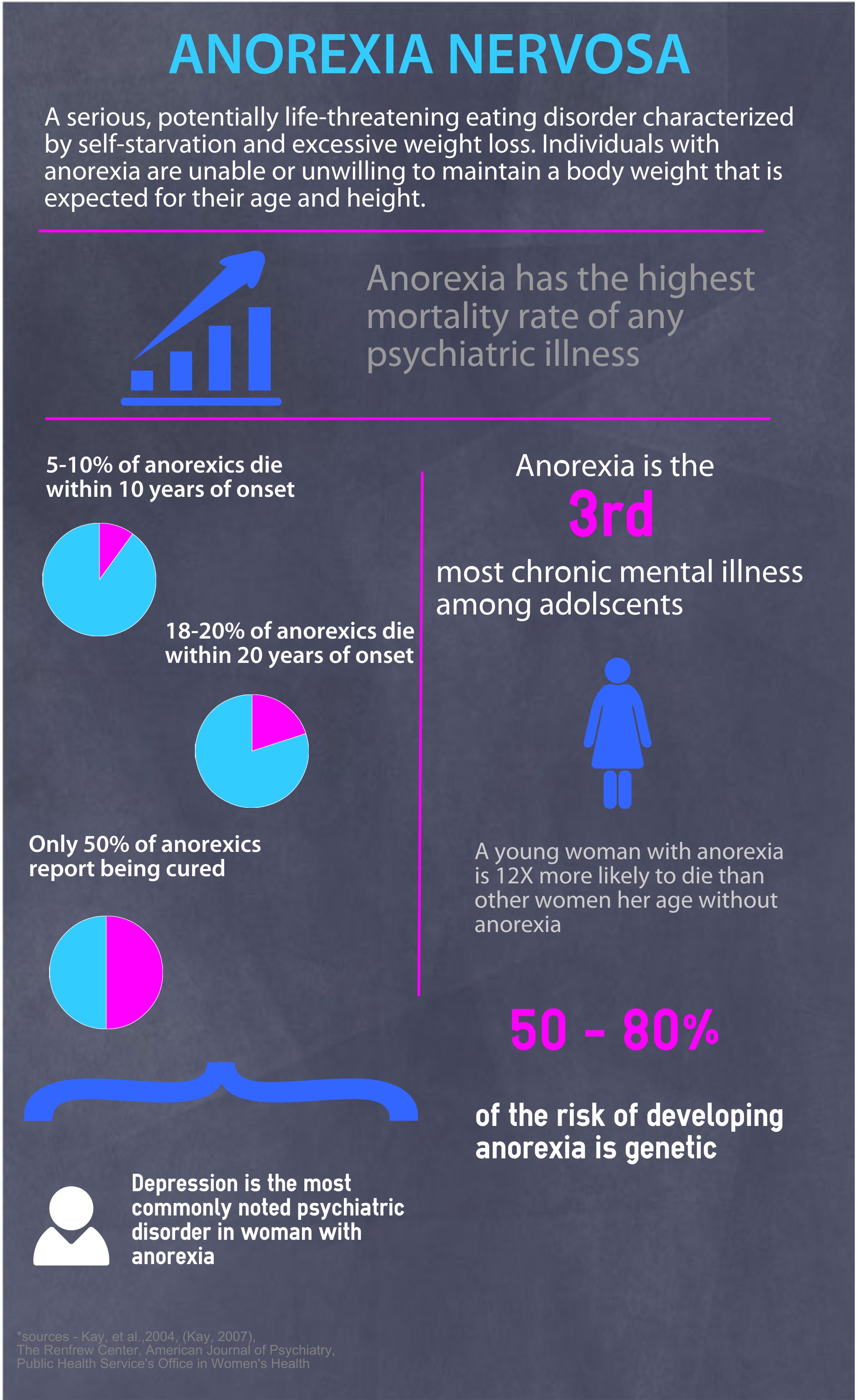
If you recognize these examples of anorexia in yourself or someone else, the most important step is to seek professional assistance immediately. Anorexia has the highest mortality rate of any mental health disorder, primarily due to medical complications and suicide.
Next Steps for Support:
- Contact a Specialist: Look for therapists and dietitians who specialize in eating disorders (Eating Disorder Registered Dietitians or CEDRDs).
- Medical Evaluation: Visit a doctor for a full physical, including blood work and an EKG, to assess internal damage.
- Support Groups: Organizations like ANAD (National Association of Anorexia Nervosa and Associated Disorders) offer free peer support groups.
- Helplines: Use national eating disorder helplines for immediate guidance on how to find treatment centers.
Recovery is a journey that involves relearning how to nourish the body and addressing the underlying psychological triggers. With the right support system, individuals can reclaim their lives from the grip of anorexia.