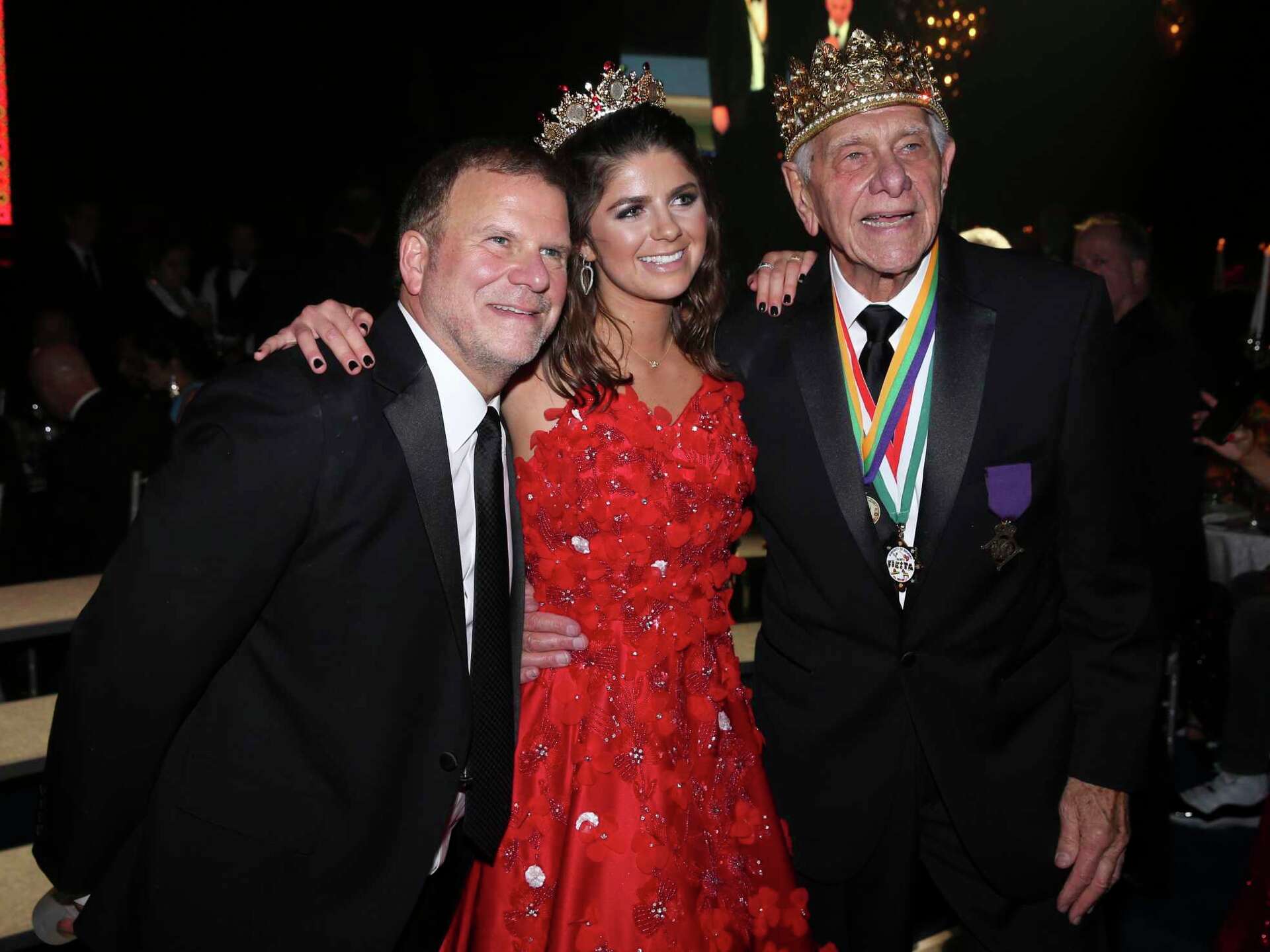
Angelita Fertitta’s influence on the Texas business landscape is rooted in her role as the matriarch of the Fertitta dynasty, which transformed Galveston and Houston into global hubs for hospitality and entertainment. Her legacy lives on through the multi-billion dollar Landry’s empire and the philanthropic foundations that continue to shape Texas commerce in 2026.
The name Fertitta is synonymous with the rapid expansion of the Texas service and hospitality sectors. While often overshadowed in contemporary media by her son, Tilman Fertitta, Angelita "Joy" Fertitta (née Maceo) represented the critical bridge between the historical "Free State of Galveston" and the modern, corporatized Texas business environment. To understand the current economic structure of the Gulf Coast, one must analyze the foundational family dynamics and the strategic transition from local family-run establishments to international conglomerates.
The Historical Foundation: The Maceo and Fertitta Connection
The story of Angelita Fertitta and her impact on Texas business begins with the Maceo family. As the daughter of the Maceo lineage, Angelita was born into a family that essentially architected the hospitality industry in Galveston during the early to mid-20th century. The Maceo brothers, Rosario and Sam, were instrumental in establishing Galveston as a premier destination for tourism, gaming, and entertainment, predating the rise of Las Vegas.
This era, often referred to as the "Free State of Galveston," established the blueprint for high-volume hospitality. The business model relied on exceptional service, top-tier entertainment, and a deep understanding of consumer psychology—traits that would later define the Fertitta business playbook. When Angelita married Vic Fertitta, these two influential families merged their business acumen. This union was not merely social; it was the consolidation of generational knowledge regarding the Texas service economy.
By the time the mid-20th century transition occurred—shifting away from the unregulated "open" city of Galveston toward a more structured corporate environment—the Fertitta family was uniquely positioned. They understood that the future of Texas business lay in legitimate, large-scale hospitality, a vision that Angelita supported as the family established roots in Houston and continued to develop the Galveston coastline.
The Evolution of the Texas Hospitality Model
The transition of the Fertitta family from local restaurateurs to international business moguls is a case study in vertical integration and brand scaling. Angelita’s influence was felt most strongly in the emphasis on family-centric business values that scaled alongside the company. In the Texas business landscape of 2026, the "hospitality-first" approach remains a cornerstone of the regional economy.
From Local Eateries to Global Brands
In the late 20th century, the family's business ventures moved beyond single-location restaurants. The acquisition of Landry’s Seafood Inn and Oyster Bar in 1980 served as the catalyst for what would become Landry’s, Inc. Under the Fertitta family’s direction, the business expanded through aggressive acquisition and meticulous operational control.
Angelita’s role in this landscape was often that of the cultural anchor. While her son Tilman executed the high-stakes financial maneuvers, the core philosophy remained grounded in the hospitality standards established during her upbringing. This period saw the family diversify into:
- Casual Dining: Establishing a dominant presence in the mid-market dining segment across Texas.
- Gaming and Casinos: Returning to the family's roots by acquiring and revitalizing the Golden Nugget brand.
- Specialty Entertainment: Developing the Kemah Boardwalk and the Galveston Island Historic Pleasure Pier, which transformed the Texas coast into a primary tourism engine.
The Economic Ripple Effect
The Fertitta family’s business activities have had a profound impact on Texas employment and real estate values. In the Houston-The Woodlands-Sugar Land metropolitan area, Landry’s, Inc. is one of the largest private employers. The development of high-end real estate, such as The Post Oak Hotel at Uptown Houston, represents the family’s shift toward the ultra-luxury segment, a move that significantly boosted Houston’s profile as a global business destination.
Philanthropy as a Business Pillar in Texas
In the Texas business landscape, "giving back" is not just a social duty but a strategic component of corporate identity. Angelita Fertitta was a central figure in the family's philanthropic efforts, which have historically focused on healthcare, education, and children's welfare.
The Fertitta family has donated millions to institutions such as the University of Houston and various medical research facilities in the Texas Medical Center. In 2026, these investments continue to pay dividends in the form of a highly skilled workforce and world-class regional infrastructure.
- Educational Investment: The Fertitta Center at the University of Houston serves as a testament to the family's commitment to collegiate sports and campus life, which in turn drives student recruitment and local economic activity.
- Healthcare Support: Contributions to hospitals and specialized care clinics have bolstered Houston's status as a leader in the global healthcare market.
- Community Resilience: Following major weather events, the family’s foundations have historically been among the first to provide logistical and financial support to local businesses and employees, ensuring a faster recovery for the regional economy.
The "Fertitta Way": Business Principles for the 2026 Market
The enduring success of the Fertitta empire offers several technical lessons for modern Texas entrepreneurs. These principles, rooted in the family legacy Angelita helped foster, include:
1. Master of the "Buy Low" Strategy
The family has a long history of acquiring distressed or undervalued assets and rebranding them into high-performing entities. This requires a deep understanding of market cycles and the courage to invest when others are retreating—a characteristic trait of the Texas business spirit.
2. Vertical Integration of the Customer Experience
A Fertitta-owned property rarely operates in isolation. By owning the hotel, the restaurant, the entertainment venue, and sometimes the transportation, the family captures a higher percentage of the "tourist dollar." This model of "contained ecosystems" is now widely replicated by developers throughout North Dallas and the Austin tech corridor.
3. Branding and Identity
The Fertitta name itself has become a brand. In the 2026 landscape, personal branding is essential. The family leverages their reputation for quality and high-stakes success to secure favorable financing and partnership deals that are unavailable to less-established entities.
Comparative Analysis: Fertitta Influence vs. Other Texas Dynasties
To understand the specific niche the Fertittas occupy, it is helpful to compare their impact with other major Texas business families.
| Feature | Fertitta Family | Hunt Family | Walton Family (Texas Context) |
|---|---|---|---|
| Primary Industry | Hospitality, Gaming, Sports | Energy, Real Estate | Retail, Logistics |
| Texas Hub | Houston / Galveston | Dallas | Fort Worth / North Texas |
| Business Model | Direct B2C (Business to Consumer) | B2B and Commodities | Mass Market Retail |
| Key Landmark | The Post Oak Hotel | Reunion Tower / Hunt Oil HQ | Walmart Distribution Centers |
| Legacy Focus | Tourism and Entertainment | Global Energy Infrastructure | Supply Chain and Employment |
The Role of the Post Oak Hotel in Modern Commerce
One cannot discuss the modern Texas business landscape without mentioning The Post Oak Hotel at Uptown Houston. Developed by the family, this Forbes Five-Star hotel and spa serves as a central hub for international business negotiations in 2026.
The hotel is more than a luxury stay; it is a strategic asset that attracts high-net-worth individuals and corporate executives to Houston. By providing a level of luxury that rivals New York or Dubai, the Fertittas have ensured that Houston remains competitive in the "attraction of capital." This project reflects the ultimate evolution of the hospitality principles Angelita Fertitta helped instill: that service is a commodity that, when executed at the highest level, drives the entire local economy.
Challenges and Adaptations in the 2026 Landscape
While the Fertitta legacy is strong, the Texas business landscape in 2026 faces new challenges that the family and their companies must navigate:
- Labor Market Shifts: With the rising cost of living in Houston and Austin, the hospitality sector must innovate in employee retention and automation to maintain margins.
- Digital Transformation: The shift toward digital-first dining and virtual entertainment requires constant technological reinvestment.
- Sustainability Requirements: Texas businesses are under increasing pressure to adopt green building standards and sustainable supply chain practices, areas where the Fertitta properties are currently modernizing.
Frequently Asked Questions
Who was Angelita "Joy" Fertitta?
Angelita Fertitta was the matriarch of the prominent Fertitta family in Texas. Born into the Maceo family, she was a key link between the historical hospitality industry of Galveston and the modern business empire led by her son, Tilman Fertitta. She was known for her philanthropic work and her role in maintaining the family's business values.
How did the Maceo family influence Texas business?
The Maceo family, particularly through Sam and Rosario Maceo, essentially created the tourism and entertainment industry in Galveston during the early 20th century. Their methods of providing high-end service and entertainment became the foundation for the modern Texas hospitality model used by companies like Landry’s, Inc.
What is the "Fertitta Playbook" in business?
The "Fertitta Playbook" refers to a strategy of aggressive acquisition, vertical integration, and high-standard branding. It involves buying undervalued hospitality assets, streamlining their operations, and integrating them into a larger ecosystem of dining, gaming, and entertainment to maximize the "share of wallet."
What is the significance of the Fertitta family to Houston’s economy?
The Fertitta family is one of Houston’s largest private employers through Landry’s, Inc. and the Houston Rockets. Their investments in luxury real estate, such as The Post Oak Hotel, and their extensive philanthropy in healthcare and education have significantly bolstered the city's infrastructure and global reputation.
Does the Fertitta family still own the Houston Rockets in 2026?
Yes, as of 2026, the Houston Rockets remain a centerpiece of the Fertitta family's portfolio. The team serves as a major economic driver for downtown Houston, influencing local sports media, stadium-area real estate, and international branding for the city.
Strategic Recommendation for Texas Entrepreneurs
For those looking to navigate the Texas business landscape in 2026, the most significant lesson from the legacy of Angelita Fertitta is the importance of heritage and hospitality. In an increasingly automated world, the "Fertitta Way" demonstrates that high-touch customer service and physical experience-based assets (like destination restaurants and luxury hotels) remain resilient.
Entrepreneurs should focus on building "ecosystems" rather than standalone products. By controlling multiple touchpoints of the consumer journey—from where a person eats to where they sleep and how they are entertained—businesses can create a level of brand loyalty and economic stability that mimics the success of the Fertitta dynasty. Furthermore, investing in the local community through visible philanthropy is not just an ethical choice; it is a vital strategy for building the social capital necessary to thrive in the Texas market.