Amazon affiliate store examples for niche sites represent diverse approaches to monetizing traffic through the Amazon Associates Program. Successful models in 2026 range from high-authority editorial review hubs and specialized micro-niche comparison sites to aesthetically curated gift guides, all focusing on high-intent user traffic, verified purchase data, and optimized conversion pathways.
The Evolution of Amazon Affiliate Stores in 2026
The concept of an "Amazon store" has undergone a radical transformation. In the early days of affiliate marketing, niche sites often relied on automated "storefront" scripts that mirrored Amazon’s product listings with little original value. In 2026, these "thin" sites have been entirely phased out by search engine algorithm updates focusing on Experience, Expertise, Authoritativeness, and Trustworthiness (E-E-A-T).
Modern Amazon affiliate niche sites are no longer just repositories for links; they are comprehensive resource centers. They combine deep technical analysis, original photography, and real-world testing to guide consumers through the vast Amazon ecosystem. Whether a site focuses on high-end espresso machines or ultra-lightweight camping gear, the "store" element is now integrated into a broader content strategy that prioritizes the user's decision-making process over the simple act of clicking a link.
High-Converting Amazon Affiliate Store Models
Analyzing successful examples requires categorizing them by their structural approach. Each model serves a different stage of the buyer's journey, from initial research to the final click.
1. The Editorial Authority Model
The editorial authority model is the gold standard for Amazon niche sites. These sites act as digital magazines or testing labs.
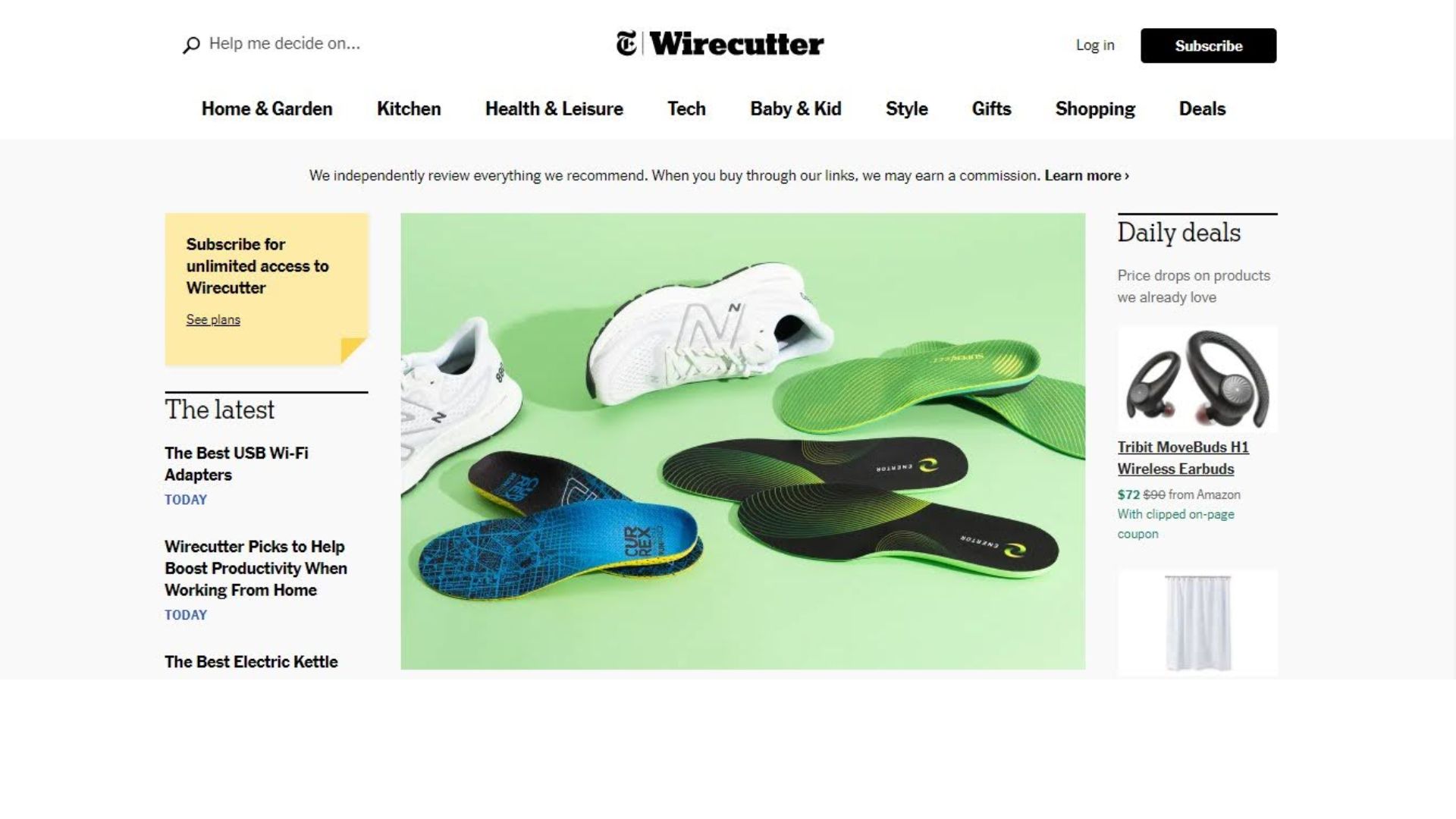
Example: Wirecutter (New York Times) While massive in scale, Wirecutter provides the blueprint for smaller niche sites. They use a "Best of" format where one primary product is recommended, followed by a "budget pick" and an "also great" option.
- Why it works: It reduces "choice paralysis" for the consumer. By narrowing down thousands of Amazon listings to three distinct choices, the site builds massive trust.
- Application for Niche Sites: A smaller niche site focusing solely on "Home Coffee Roasting" can adopt this by spending weeks testing five specific roasters and providing a definitive guide.
2. The Micro-Niche Comparison Site
Micro-niche sites focus on a very narrow vertical. Instead of "Kitchen Appliances," they might focus exclusively on "Air Fryers for Small Apartments."
Example: OutdoorGearLab This site excels at technical specifications. They use side-by-side comparison tables that pull data directly from Amazon’s API to show weight, dimensions, and current pricing.
- Why it works: It caters to the "optimizer" personality—the buyer who wants the absolute best specifications for their dollar.
- Application for Niche Sites: Using tools like Lasso or AAWP, a niche site can create dynamic tables that allow users to filter products by specific attributes, such as "battery life" or "waterproof rating."
3. The Curated Gift Guide and Discovery Site
These sites focus on the "Cool Factor" rather than technical specs. They are often highly visual and rely on social media traffic (Pinterest, TikTok) as much as search engine traffic.
Example: ThisIsWhyImBroke This site is a masterclass in curation. They don't write 3,000-word reviews; instead, they provide witty, two-sentence descriptions of unique or bizarre products found on Amazon.
- Why it works: It taps into impulse buying and "gift-giving" intent. The site acts as a discovery engine for products users didn't know existed.
- Application for Niche Sites: A site dedicated to "Retro Gaming Decor" can thrive by curating visually stunning Amazon products that appeal to the aesthetic of that specific subculture.
Technical Components of a Modern Niche Store
To compete in 2026, your niche site must go beyond basic hyperlinking. The technical stack you choose determines your ability to stay compliant with Amazon's Operating Agreement and provide a seamless user experience.
Content Management System (CMS)
WordPress remains the dominant choice for 90% of successful niche sites due to its extensibility. However, the use of headless CMS architectures is growing among high-traffic sites to improve mobile performance and Core Web Vitals.
Essential Plugins for Amazon Integration
Using the Amazon Product Advertising API (PA-API) 5.0 is non-negotiable for professional sites. It allows for:
- Dynamic Pricing: Prices on Amazon change frequently. Displaying an outdated price is a violation of Amazon's terms and hurts user trust.
- Prime Status Visibility: Showing whether an item is Prime-eligible can significantly increase click-through rates (CTR).
- Automatic Disclosures: Ensuring every page has the legally required affiliate disclosure.
| Feature | Standard Hyperlink | API-Driven Product Box |
|---|---|---|
| Real-Time Price Updates | No | Yes |
| Product Images | Manual Download (Risky) | Direct from Amazon (Compliant) |
| CTR Potential | Low | High (Visual Buttons) |
| Maintenance | High (Broken Links) | Low (Auto-updates) |
| Compliance | Often Lacking | Built-in |
Advanced SEO Strategies for Amazon Niche Sites in 2026
The search landscape in 2026 is heavily influenced by AI-driven search results. To survive, niche sites must offer "Information Gain"—providing details that aren't found in the manufacturer's description or generated by basic AI models.
Transitioning from "Best X" to "Problem-Solution"
While "Best Gaming Keyboards" is a classic keyword, it is highly competitive. Successful niche sites are now targeting "Problem-Solution" keywords, such as "Best Keyboard for Carpal Tunnel Relief" or "Quietest Keyboards for Open Offices." These long-tail keywords have higher conversion rates because the user has a specific pain point.
The Role of Original Media
Google's 2026 ranking factors heavily weight original images and videos. An Amazon niche site that uses stock photos from the Amazon listing will struggle to rank.
- The "Unboxing" Advantage: Taking original photos of the product in use proves to both the user and the search engine that you have actually handled the item.
- Video Embedding: Including a 60-second video summary of a product review can increase "dwell time," a key metric for SEO success.
Strategic Link Placement
Data shows that "above the fold" links often get the most clicks, but they may have lower conversion rates if the user hasn't been convinced yet.
- The Summary Box: Place a "Quick Picks" box at the very top of your article for users in a rush.
- The Deep Dive: Use detailed "Pros and Cons" lists further down for the analytical researcher.
- The Comparison Table: Place this in the middle of the content to recapture users who are scrolling through text.
Compliance and Legal Requirements
Amazon is notoriously strict about its Associates Program Operating Agreement. Failure to comply can result in immediate account termination and forfeiture of unpaid commissions.
- Affiliate Disclosure: You must clearly state that you earn a commission. This must be "clear and conspicuous," usually at the top of the post, before any affiliate links appear.
- No Prices in Static Text: Never type "Only $19.99" in your blog post. Because prices change, you must use the API to pull the price or use a button that says "Check Price on Amazon."
- No Links in PDFs or Emails: Amazon prohibits affiliate links in "offline" content, which includes eBooks, PDFs, and private email sequences. Direct users to a landing page on your site instead.
Common Mistakes to Avoid
Even with the best examples to follow, many niche site owners fail due to avoidable errors:
- Over-Reliance on One Niche: Diversifying across 2-3 closely related sub-niches can protect you if one category experiences a sudden drop in commission rates.
- Ignoring Mobile Users: In 2026, over 70% of Amazon affiliate clicks come from mobile devices. If your comparison tables don't scale correctly on a smartphone, you are losing the majority of your potential income.
- Chasing High-Ticket Items Only: While a 4% commission on a $2,000 treadmill sounds great, the conversion rate is much lower than a 4% commission on a $25 yoga mat. A healthy niche site balances high-ticket "dream" items with low-cost "essential" items.
- Thin Content: Simply rephrasing Amazon reviews is no longer enough. You must add value through expert synthesis, such as "This roaster is great for beginners, but the manual is difficult to follow—here is our simplified 3-step startup guide."
Future-Proofing Your Amazon Niche Site
As we look toward the end of 2026, the most successful Amazon affiliate stores are those that treat their site as a brand, not just a middleman.
Building an Email List: Own your audience. If Amazon changes its commission structure (as they have multiple times in the past), having an email list allows you to pivot to other affiliate programs or even launch your own private-label products.
Diversifying Income Streams: While Amazon is the focus, the best "Amazon sites" also include links to Walmart, Target, or specialized boutiques. This creates a "price war" environment that benefits the consumer and protects your revenue.
FAQ: Amazon Affiliate Store Examples for Niche Sites
Do I need to buy every product I review?
While buying every product is ideal for E-E-A-T, it is not always financially feasible. You can maintain high standards by visiting local showrooms, interviewing actual owners, or conducting extensive secondary research that synthesizes hundreds of verified buyer experiences into a unique perspective.
Can I use the Amazon Influencer Storefront instead of a niche site?
The Amazon Influencer Storefront is a great social media tool, but it lacks the SEO power of a dedicated niche site. A niche site allows you to capture "intent-based" traffic from search engines, whereas a storefront relies entirely on your social media following. Most successful affiliates use both.
What is the most profitable niche for Amazon affiliates in 2026?
High-margin categories like Luxury Beauty, Pet Supplies, and Home Improvement remain consistently profitable. However, the "best" niche is one where you have a competitive advantage in knowledge and can produce better content than existing competitors.
How do I get my first 3 sales to stay in the program?
Amazon requires three qualifying sales within the first 180 days to keep your account active. The best strategy is to write 5-10 "Problem-Solution" articles targeting very specific, low-competition keywords and sharing them within relevant online communities (Reddit, niche forums) where you are an active member.
Is the Amazon Associates program still worth it in 2026?
Yes. Despite commission fluctuations, Amazon’s conversion rate remains the highest in the e-commerce world. People trust the Amazon checkout process, and the "halo effect" (earning commissions on other items in the user's cart) remains a significant income booster.
Final Recommendation
To build a successful Amazon affiliate store in the 2026 landscape, focus on Specialized Curation. Do not try to be the next big electronics site; instead, be the undisputed expert on "Solar-Powered Camping Accessories." Start by selecting a technical stack that utilizes the Amazon API for real-time accuracy, invest in original photography to satisfy search engine E-E-A-T requirements, and prioritize the user's needs over the commission rate. Your primary goal is to become the most helpful resource in your specific corner of the internet.