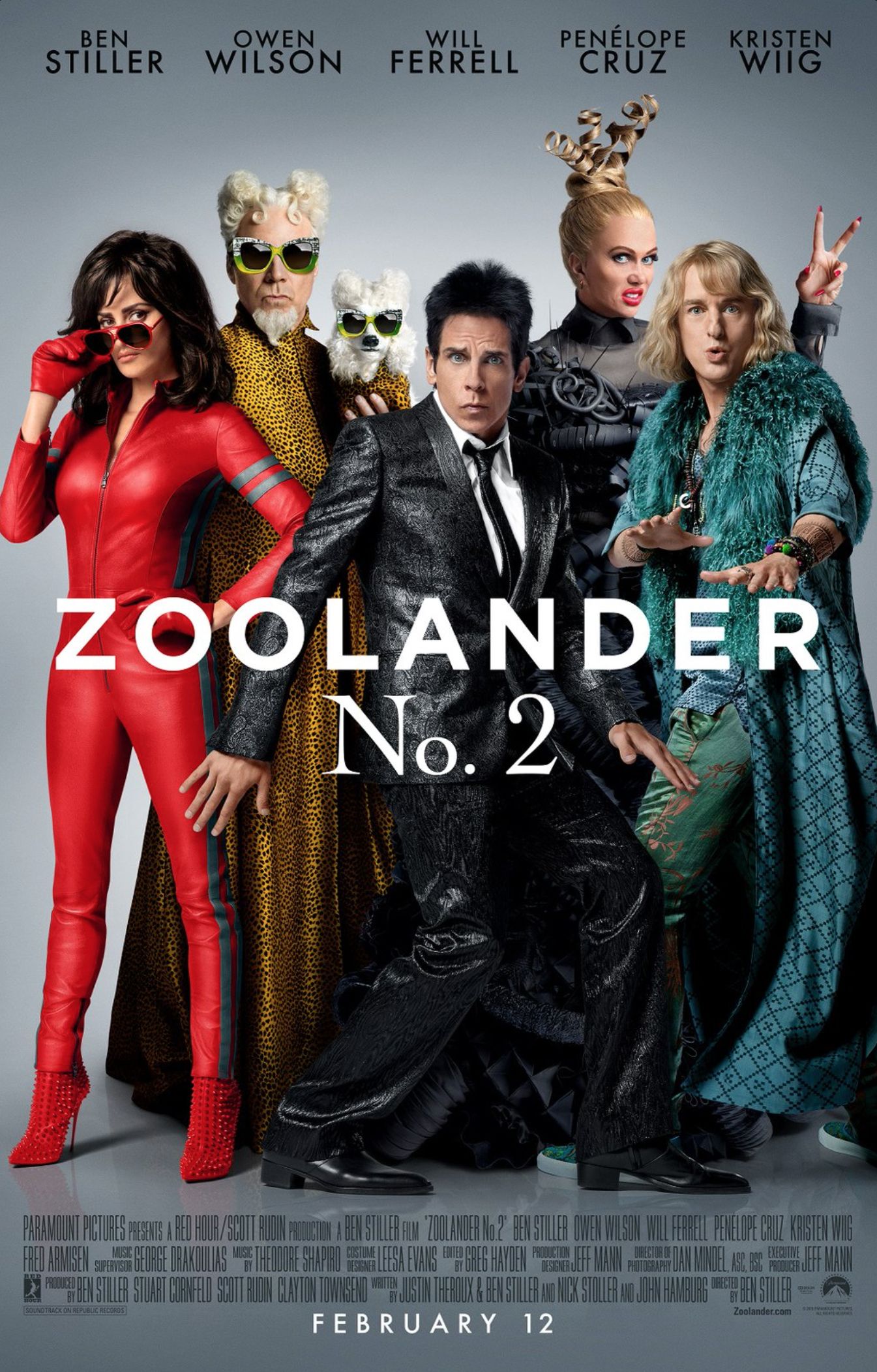
The characters in the Zoolander franchise represent a masterclass in absurdist satire, lampooning the vanity, excess, and superficiality of the global fashion industry. Centered on the "really, really, ridiculously good looking" Derek Zoolander, the cast balances caricature with genuine comedic timing to explore themes of identity, corporate greed, and the ephemeral nature of fame.
The Protagonist: Derek Zoolander
Derek Zoolander (portrayed by Ben Stiller) is the three-time Male Model of the Year and the heart of the franchise. As of 2026, he remains one of the most recognizable comedic icons in cinema history. Derek is characterized by his extreme dim-wittedness, a trait that makes him the perfect "empty vessel" for the film’s antagonists to manipulate.
His character is defined by his signature "looks"—specifically Blue Steel, Ferrari, and Le Tigre. While Derek insists these are distinct expressions, they are visually identical, serving as a biting commentary on the perceived pretentiousness of high-fashion photography. His internal struggle involves a desperate need for validation, which leads him to return to his roots in a Southern New Jersey coal-mining town. This subplot provides a rare moment of "grounded" comedy, contrasting the high-glitz world of New York fashion with the gritty, unimpressed reality of his working-class family.
Derek’s primary character arc revolves around his transition from a self-absorbed icon to a man who realizes there is "more to life than being really, really, ridiculously good looking." However, the irony lies in the fact that even his acts of altruism—such as founding the "Derek Zoolander Center for Kids Who Can’t Read Good and Who Wanna Learn to Do Other Stuff Good Too"—are filtered through his profound lack of intellectual depth.
The Rival: Hansel McDonald
Hansel (portrayed by Owen Wilson) enters the narrative as the "so hot right now" newcomer who threatens Derek’s status. If Derek represents the rigid, "old-school" modeling world, Hansel represents the New Age, boho-chic, and "extreme sports" influence of the late 90s and early 2000s.
Hansel is defined by his laid-back persona, his penchant for nomadic lifestyles, and his "stings like a bee" philosophy. Unlike Derek, who is obsessed with the technicality of the "look," Hansel thrives on charisma and mystery. His backstory includes exotic travels and bizarre spiritual encounters, which he uses to maintain his "cool" factor.
The dynamic between Derek and Hansel is the engine of the film’s second act. Their rivalry culminates in the legendary "Walk-Off," a formalized modeling duel judged by David Bowie. Their eventual alliance is a pivot point in the story, shifting the narrative from a professional rivalry to a buddy-action comedy. Hansel’s character remains a fan favorite because he is just as intellectually stunted as Derek, but hides it under a veneer of "spiritual" enlightenment.
The Antagonist: Jacobim Mugatu
Jacobim Mugatu (portrayed by Will Ferrell) is the primary villain and a flamboyant fashion mogul. Mugatu is a satirical blend of various real-world fashion designers, known for his erratic behavior, his obsession with his poodle (Master), and his invention of the "Piano Necktie."
Mugatu’s motivation is purely economic. He is the mastermind behind a global conspiracy of fashion designers who use brainwashed male models to assassinate world leaders who threaten their bottom line—specifically the Prime Minister of Malaysia, who aims to abolish child labor. Mugatu’s "Derelicte" campaign, a high-fashion line inspired by the homeless, serves as a sharp critique of how the fashion industry often appropriates poverty for profit.
Ferrell’s performance elevates Mugatu beyond a standard villain. His frequent outbursts of frustration—most notably his "I feel like I’m taking crazy pills!" monologue—highlight the absurdity of the world around him. He is the only character who seems to realize how ridiculous everyone is, yet he is the one orchestrating the madness.
The Voice of Reason: Matilda Jeffries
Matilda Jeffries (portrayed by Christine Taylor) is a journalist for Time magazine and serves as the audience surrogate. Her character is essential for providing the necessary exposition and grounding the film’s more outlandish elements.
Initially, Matilda is Derek’s critic, writing a scathing exposé that triggers his mid-life crisis. However, as she uncovers the conspiracy involving Mugatu, she becomes Derek’s protector and eventual love interest. Her character arc involves overcoming her own insecurities regarding the fashion world—having been a "bulimic" child model herself—and learning to appreciate the simple, albeit misguided, kindness of Derek.
Essential Supporting Characters
The world of Zoolander is populated by a colorful array of supporting figures who flesh out the satirical landscape.
- Maury Ballstein: Played by Jerry Stiller, Maury is Derek’s long-time agent and head of Ballstein Models. He is a caricature of the old-school, cigar-chomping talent agent. While he truly cares for Derek, he is initially complicit in Mugatu’s scheme due to his own financial vulnerabilities.
- Katinka Ingabogovinanana: Played by Milla Jovovich, she is Mugatu’s enforcer. A mysterious, stern Eastern European woman, she is responsible for the "programming" of Derek. Her character parodies the "Bond girl" villain trope.
- J.P. Prewitt: Portrayed by David Duchovny, Prewitt is a former hand model who has gone into hiding. He acts as the "deep throat" of the fashion world, explaining the history of male model assassinations (including the Kennedy brothers) to Derek and Matilda. His character satirizes the self-importance of specialized modeling.
- The Roommates (Brint, Meekus, and Rufus): These three male models (played by Alexander Manning, Alexander Skarsgård, and Nathan Lee Graham) represent the pinnacle of vapidity. Their brief appearance ends in a tragic "orange mocha frappuccino" freak gasoline fight accident, which serves as the catalyst for Derek’s initial retirement.
Character Comparison Table
| Character | Role | Primary Motivation | Signature Trait/Phrase |
|---|---|---|---|
| Derek Zoolander | Protagonist | Finding "who he is" beyond looks | "Blue Steel" / "Really, really ridiculously good looking" |
| Hansel | Rival/Ally | Living in the moment | "He’s so hot right now" / New Age spirituality |
| Jacobim Mugatu | Antagonist | Protecting profit margins via child labor | The "Piano Necktie" / "I feel like I'm taking crazy pills!" |
| Matilda Jeffries | Journalist | Exposing the truth | Analytical, grounded, skeptical of fashion |
| Maury Ballstein | Agent | Maintaining his business | Constant coughing / Loyalty to his "boys" |
| Katinka | Enforcer | Executing Mugatu’s orders | Severe fashion / "Relax" brainwashing |
The Legacy of Cameos
One cannot explain the characters of Zoolander without acknowledging the role of real-world celebrities playing themselves. These cameos serve a vital function: they validate the film’s fictional world by placing Derek Zoolander alongside real icons.
- David Bowie: His role as the judge of the Walk-Off is perhaps the most iconic cameo. It treats modeling as a high-stakes competitive sport.
- Billy Zane: Portrayed as a close friend of Derek, Zane often acts as a peacemaker or a "hype man," adding a layer of meta-humor as he plays an exaggerated version of himself.
- Donald Trump, Melania Knauss, Christian Slater, and Natalie Portman: Their appearances in the opening montage establish Derek’s "A-list" status, making his fall from grace more impactful.
Expansion: Characters of Zoolander 2 (The Legacy Continues)
While the 2001 original remains the definitive text, the 2016 sequel introduced new characters that reflected the shift from print media to the digital/influencer age.
- Derek Jr.: Derek’s estranged son, whose "plus-size" (by fashion standards) physique and intellectual nature create a comedic foil for his father.
- Valentina Valencia: An Interpol agent (played by Penélope Cruz) in the Global Fashion Division. She represents the "specialized police" trope, investigating the murders of pop stars.
- Alexanya Atoz: Played by Kristen Wiig, she is an avant-garde fashion mogul with a distorted accent and surgically altered appearance, satirizing the extremes of plastic surgery in the industry.
- All: Played by Benedict Cumberbatch, this character is a non-binary, hyper-androgynous supermodel, reflecting the industry's move toward gender-fluidity, though the portrayal was met with mixed critical reception regarding its sensitivity.
Frequently Asked Questions
Why does Derek Zoolander have different "looks" if they all look the same? The "looks" are a satirical take on the perceived depth of fashion photography. By claiming that "Blue Steel" is different from "Le Tigre," Derek is performing the "expertise" expected of a supermodel. The joke is that his profession is so shallow that he (and the industry) has convinced himself that a slight tilt of the head constitutes a completely different artistic expression.
What is the significance of the "Relax" song for Derek's character? "Relax" by Frankie Goes to Hollywood is used by Mugatu as a psychological trigger. During Derek’s brainwashing, he is conditioned to kill the Prime Minister of Malaysia whenever he hears the song. This parodies the concept of the "Manchurian Candidate," replacing political intrigue with the rhythmic beats of 80s synth-pop.
Is Hansel actually better than Derek at modeling? Within the logic of the film, Hansel is considered "better" only because he is newer. The fashion industry is depicted as being obsessed with the "next big thing." While Derek is technically proficient in the "classic" sense, Hansel brings a raw, unpredictable energy that the industry finds more profitable at that specific moment.
How does Matilda Jeffries change throughout the story? Matilda begins as a cynic who looks down on models as "vapid" and "empty-headed." Through her journey with Derek, she realizes that while they are indeed vapid, they are also innocent. She moves from being a detached observer to someone who actively engages with and cares for Derek, eventually becoming the mother of his child.
Practical Recommendation for Viewers
To fully appreciate the character depth and satirical nuances of Zoolander, it is recommended to watch the film with a basic understanding of the late-90s fashion world. Pay close attention to the background posters and the dialogue of the "fashion elites"—much of the characterization is hidden in the absurd jargon they use. For those interested in the evolution of these characters, viewing the 2001 original followed by the 2016 sequel provides a fascinating (if exaggerated) look at how the concept of "celebrity" evolved from the era of supermodels to the era of social media influencers.