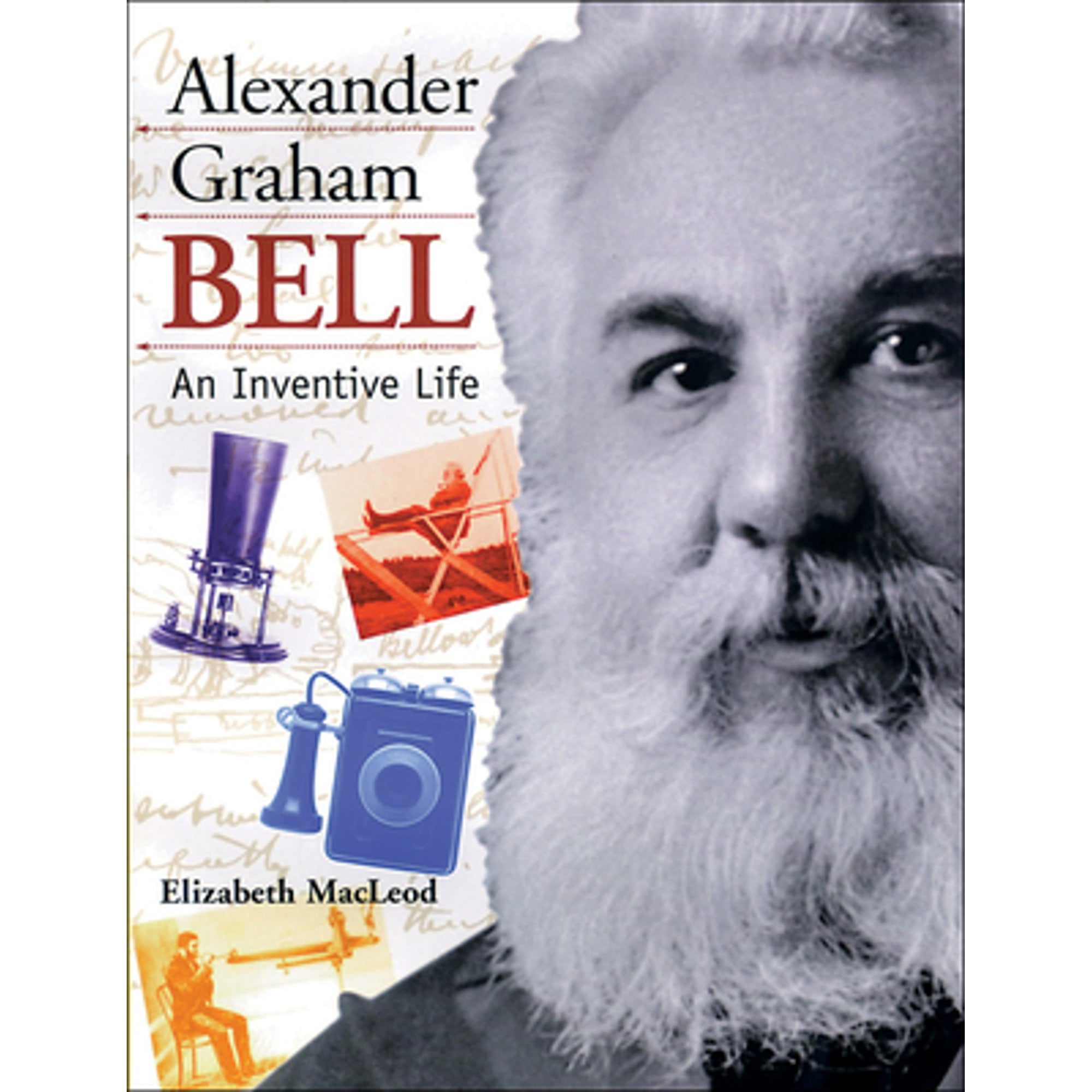
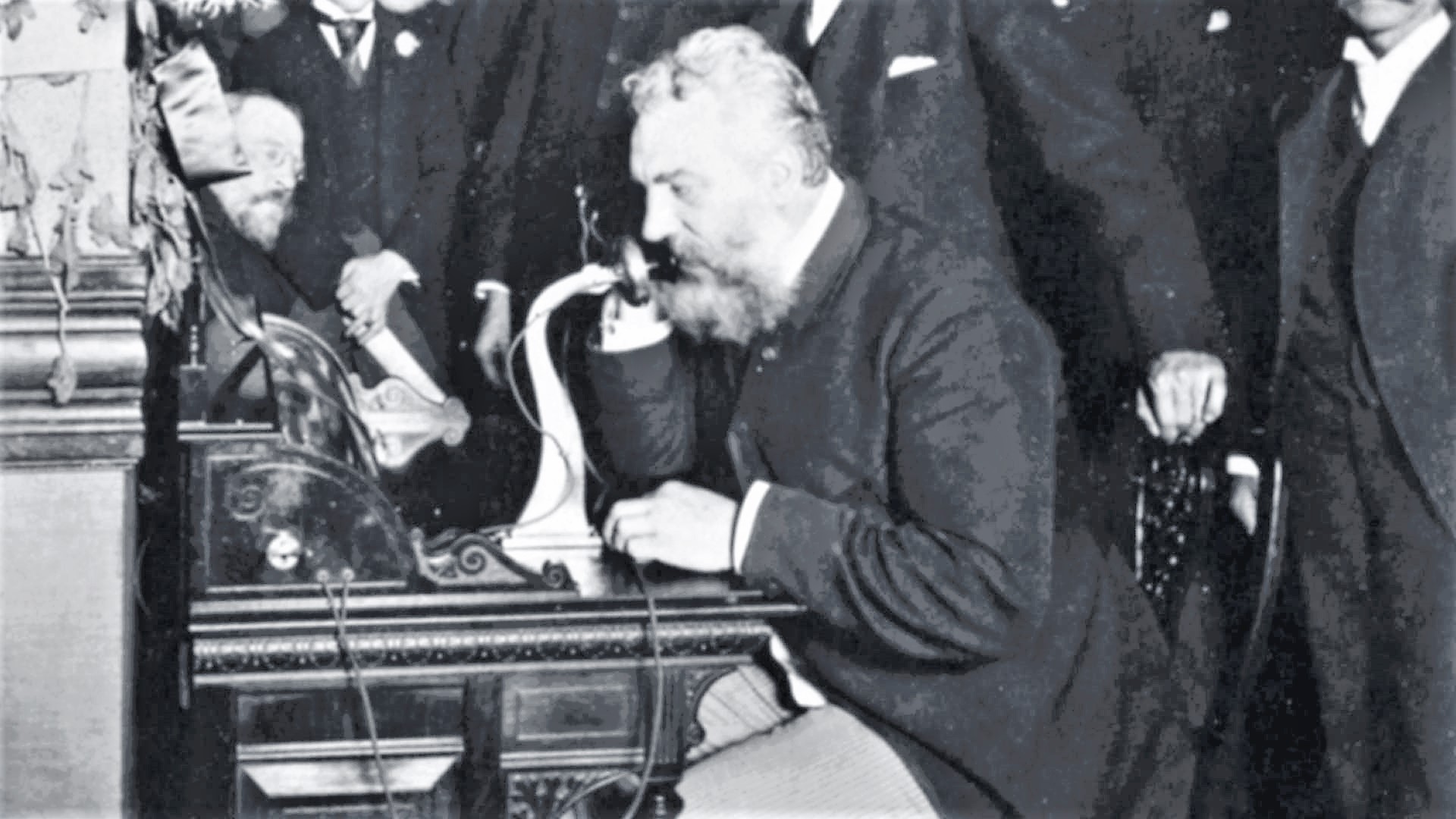
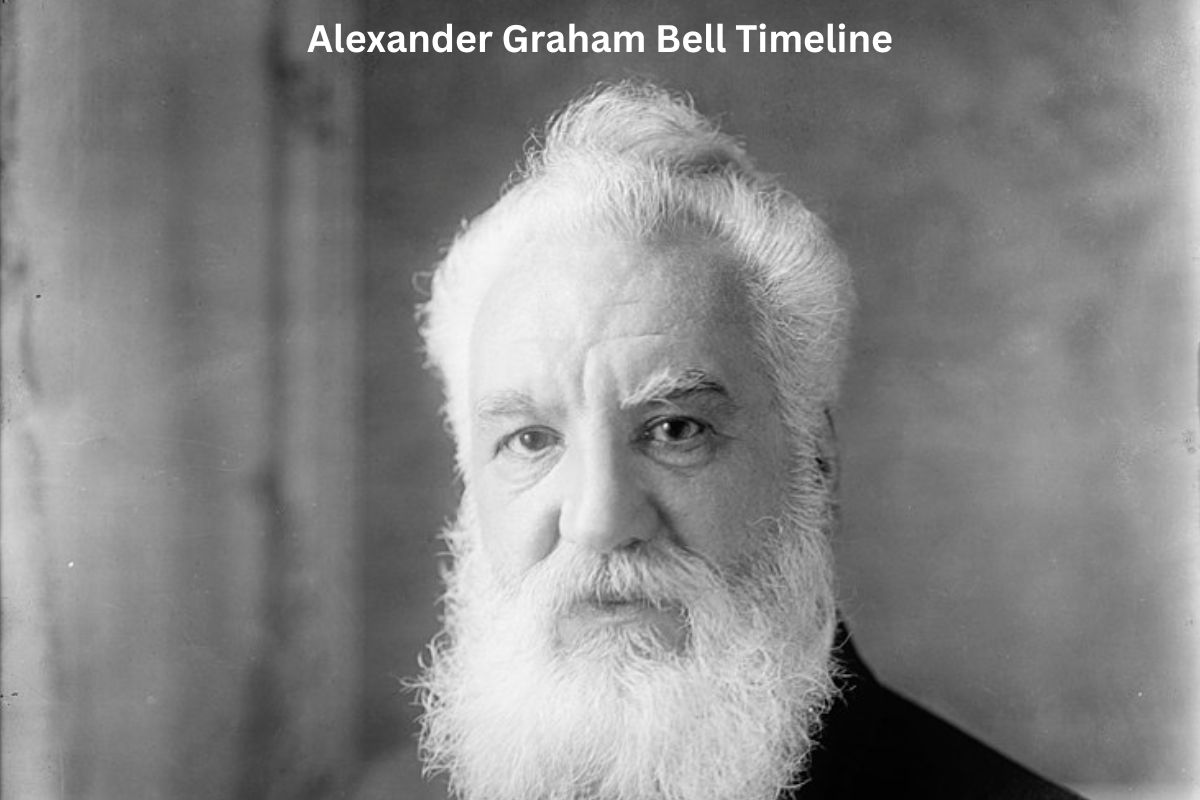
At the time of his death in 1922, Alexander Graham Bell’s personal estate was valued at approximately $1 million. Adjusted for inflation to 2026 values, this represents roughly $19.5 million. While this figure is substantial, it does not reflect the billions in wealth generated by the Bell Telephone Company (AT&T), as Bell prioritized scientific exploration and humanitarian work over the accumulation of a massive corporate fortune.
The Financial Legacy of Alexander Graham Bell
To understand Alexander Graham Bell’s net worth, one must distinguish between his personal liquid assets and the astronomical value of the industry he birthed. Bell was not a traditional "Robber Baron" of the Gilded Age. Unlike contemporaries such as John D. Rockefeller or Andrew Carnegie, Bell viewed money primarily as a means to fund further experimentation.
The Value of the Telephone Patent
The cornerstone of Bell’s potential wealth was U.S. Patent No. 174,465, often cited as the most valuable patent in history. In 1876, Bell and his partners offered to sell the patent to Western Union for $100,000. In a decision now regarded as one of the greatest blunders in business history, Western Union’s president, William Orton, declined, calling the telephone a "toy."
When the telephone became a global necessity, the Bell Telephone Company’s value skyrocketed. However, Bell sold or gave away much of his stock early on. By the 1880s, he had transitioned away from the day-to-day operations of the company to focus on the Volta Laboratory. His wealth was sufficient to maintain a prestigious lifestyle, including his massive estate at Beinn Bhreagh in Nova Scotia, but it was modest compared to the industrial titans of his era.
Estimating Net Worth in 2026 Dollars
Calculating historical net worth requires looking at purchasing power and the Consumer Price Index (CPI). A $1 million estate in 1922 provided a level of luxury and influence that $19.5 million would provide today. Bell’s wealth allowed him to self-fund decades of research into aviation, hydrofoils, and medical technology—investments that often yielded scientific progress rather than immediate cash flow.
25 Essential Facts About Alexander Graham Bell
Alexander Graham Bell was a polymath whose interests spanned far beyond communication. These facts highlight the complexity of his character and the breadth of his intellectual contributions.
Early Life and Origins
- A Gifted Middle Name: Born simply as Alexander Bell in Edinburgh, Scotland, in 1847, he requested a middle name for his 11th birthday to distinguish himself from his father and grandfather. His father chose "Graham" out of respect for Alexander Graham, a former student and family friend.
- A Family of Elocutionists: Both his father, Alexander Melville Bell, and his grandfather were experts in phonetics and elocution. His father developed "Visible Speech," a system of symbols used to help the deaf learn to speak by visualizing the sounds of speech.
- The First Invention: At age 12, Bell designed a de-husking machine for a neighbor’s grain mill. It consisted of rotating paddles with nail brushes, which significantly reduced the labor required to process wheat.
- A Musical Ear: Bell was a talented pianist and possessed "absolute pitch." This deep understanding of harmonics and vibrations was instrumental in his later work with sound transmission.
The Invention of the Telephone
- The Harmonic Telegraph: The telephone was a byproduct of Bell’s attempt to improve the telegraph. He wanted to create a "harmonic telegraph" that could send multiple messages over a single wire simultaneously by using different frequencies.
- The Famous First Words: On March 10, 1876, the first successful transmission occurred. Bell famously said, "Mr. Watson, come here—I want to see you," after accidentally spilling acid on his clothes.
- The Legal Battles: Bell’s patent was one of the most contested in history. He faced over 600 lawsuits throughout his life, including a major dispute with Elisha Gray, who filed a caveat for a similar device on the same day as Bell. Bell won every single case.
- Refusal of the Device: Despite being the inventor, Bell famously refused to have a telephone in his own study. He considered the device an intrusion on his creative process and scientific focus.
Impact on the Deaf Community
- A Personal Connection: Both Bell’s mother and his wife, Mabel Hubbard, were deaf. This fueled his lifelong commitment to improving the lives of those with hearing impairments.
- The Teacher of the Deaf: Bell viewed himself primarily as a teacher. He worked at the Boston School for Deaf Mutes and later opened his own school for practitioners.
- Helen Keller’s Mentor: Bell was instrumental in Helen Keller’s life. He was the one who directed her father to the Perkins Institution for the Blind, which led to the hiring of Anne Sullivan. Keller dedicated her autobiography to Bell.
- The Controversy of Oralism: Bell was a proponent of "oralism"—teaching deaf people to speak and lip-read rather than using sign language. This remains a controversial aspect of his legacy within the deaf community today.
Innovations Beyond Communication
- The Photophone: Bell considered the Photophone, which transmitted sound on a beam of light, to be his greatest invention—even greater than the telephone. It was a precursor to modern fiber-optic communications.
- The Metal Detector: In 1881, after President James A. Garfield was shot, Bell hastily invented an induction balance (an early metal detector) to locate the bullet. It failed because Garfield was lying on a bed with metal springs, which interfered with the device.
- Aviation Pioneer: Bell was a founding member of the Aerial Experiment Association (AEA). He helped develop the Silver Dart, which made the first controlled powered flight in Canada and the British Empire in 1909.
- Hydrofoils and Speed Records: Bell developed the HD-4 hydrofoil. In 1919, it set a world marine speed record of 70.86 miles per hour, a record that stood for a decade.
- Early Air Conditioning: To combat the heat in his Washington D.C. home, Bell designed a cooling system that involved blowing air over large blocks of ice and through a series of vents.
- The Audiometer: He developed the audiometer, a device used to measure hearing acuity, which is still the basis for modern hearing tests.
Leadership and Global Influence
- National Geographic Society: Bell was one of the founding members of the National Geographic Society and served as its second president. He is credited with transforming the magazine from a dry scholarly journal into a popular publication filled with photographs.
- Science Magazine: Along with Thomas Edison, Bell provided the financial backing to start Science, which is now one of the world's most prestigious scientific journals.
- The Volta Laboratory: With the 50,000 francs he received from the French government for winning the Volta Prize, Bell established the Volta Laboratory in Washington D.C., dedicated to the analysis of sound.
Personal Life and Death
- A Citizen of the World: Bell held citizenship in three countries during his life: the United Kingdom, Canada, and the United States (becoming a naturalized U.S. citizen in 1882).
- The Beinn Bhreagh Estate: Much of his later life was spent at his estate in Baddeck, Nova Scotia. The name is Gaelic for "Beautiful Mountain."
- A Final Tribute: When Bell was buried in 1922, every telephone in North America—numbering over 13 million at the time—was silenced for one minute in his honor.
- Cause of Death: Bell died at the age of 75 from complications related to diabetes. His wife, Mabel, survived him by only five months.
Technical Milestones and Economic Context
The growth of Bell’s influence can be tracked through specific milestones that merged scientific achievement with industrial expansion. The following table outlines the timeline of his most significant contributions and their societal impact.
| Year | Milestone | Significance | Economic/Social Impact |
|---|---|---|---|
| 1876 | U.S. Patent 174,465 | The "Telephone" Patent | Birthed the telecommunications industry. |
| 1877 | Bell Telephone Co. | Formation of the first phone company | Became the foundation for the AT&T monopoly. |
| 1880 | The Photophone | Wireless transmission of sound via light | Theoretical precursor to fiber optics and Li-Fi. |
| 1881 | Induction Balance | Early metal detector | Advanced medical diagnostics and prospecting. |
| 1898 | Nat Geo Presidency | Leadership of the society | Popularized global geography and photography. |
| 1909 | The Silver Dart | First powered flight in Canada | Significant advancement in early aerospace engineering. |
| 1919 | HD-4 Hydrofoil | Marine speed record | Revolutionized hull design for high-speed vessels. |
The Philosophy of Wealth vs. Innovation
One of the most persistent questions regarding Alexander Graham Bell's net worth is why he didn't become the wealthiest man in the world, given that he held the keys to a global utility. The answer lies in his personal philosophy. Bell was frequently frustrated by the administrative burdens of the Bell Telephone Company. He wrote to his wife, Mabel, that he was "sick of the telephone" because it distracted him from more complex problems in physics and biology.
Bell’s financial strategy was one of "sufficiency." He sought enough capital to ensure his family’s comfort and to build world-class laboratories. He donated large sums to the Smithsonian Institution and established the American Association to Promote the Teaching of Speech to the Deaf. For Bell, the "profit" of an invention was its utility to humanity. This mindset is why his net worth, while high, never reached the stratospheric levels of the corporate executives who eventually took control of the telecommunications infrastructure he pioneered.
Frequently Asked Questions
Did Alexander Graham Bell actually invent the telephone?
While Bell was the first to secure the patent and create a commercially viable device, the history is nuanced. Antonio Meucci and Elisha Gray both worked on similar concepts. In 2002, the U.S. House of Representatives passed a resolution acknowledging Meucci’s contributions, but Bell remains the primary figure because his design was the first to successfully transmit clear, intelligible human speech through a variable-resistance transmitter.
What happened to Bell's wealth after he died?
Bell’s estate was divided among his wife and his two daughters, Elsie May and Marian (Daisy). His wife Mabel inherited the majority of the property and shares, but she passed away shortly after him. Much of the physical estate in Nova Scotia remained in the family for generations and is now home to the Alexander Graham Bell National Historic Site, managed by Parks Canada.
How much would Bell be worth if he owned AT&T today?
If Bell had retained a significant percentage of the Bell System (which eventually became AT&T, Verizon, and the various "Baby Bells") until 2026, his wealth would likely exceed $100 billion. However, the company went through numerous restructures and antitrust breakups (most notably in 1984) that would have diluted a single founder's holdings significantly over a century.
Was Bell involved in the eugenics movement?
Yes, this is a documented and controversial part of his history. Bell served as the honorary president of the Second International Congress of Eugenics. His interest stemmed from his work with hereditary deafness; he feared that if deaf people only married other deaf people, a "deaf variety of the human race" would emerge. This stance has made his legacy a subject of complex debate in modern times.
What was Bell's most profitable invention?
Financial-wise, the telephone was his most profitable invention by a wide margin. However, the Photophone and his improvements to the phonograph (the Graphophone) also generated significant revenue through the Volta Laboratory, which he used to fund his later research.
Practical Recommendation for Further Learning
To truly appreciate the scale of Bell’s contributions beyond a list of facts, it is recommended to visit the Alexander Graham Bell National Historic Site in Baddeck, Nova Scotia. The museum houses the world’s largest collection of Bell’s artifacts and provides a deep dive into his notebooks, which reveal a man who never stopped asking "how" and "why." For those interested in the financial evolution of his work, exploring the corporate archives of AT&T provides a fascinating look at how a single patent grew into the world's most powerful communication monopoly.