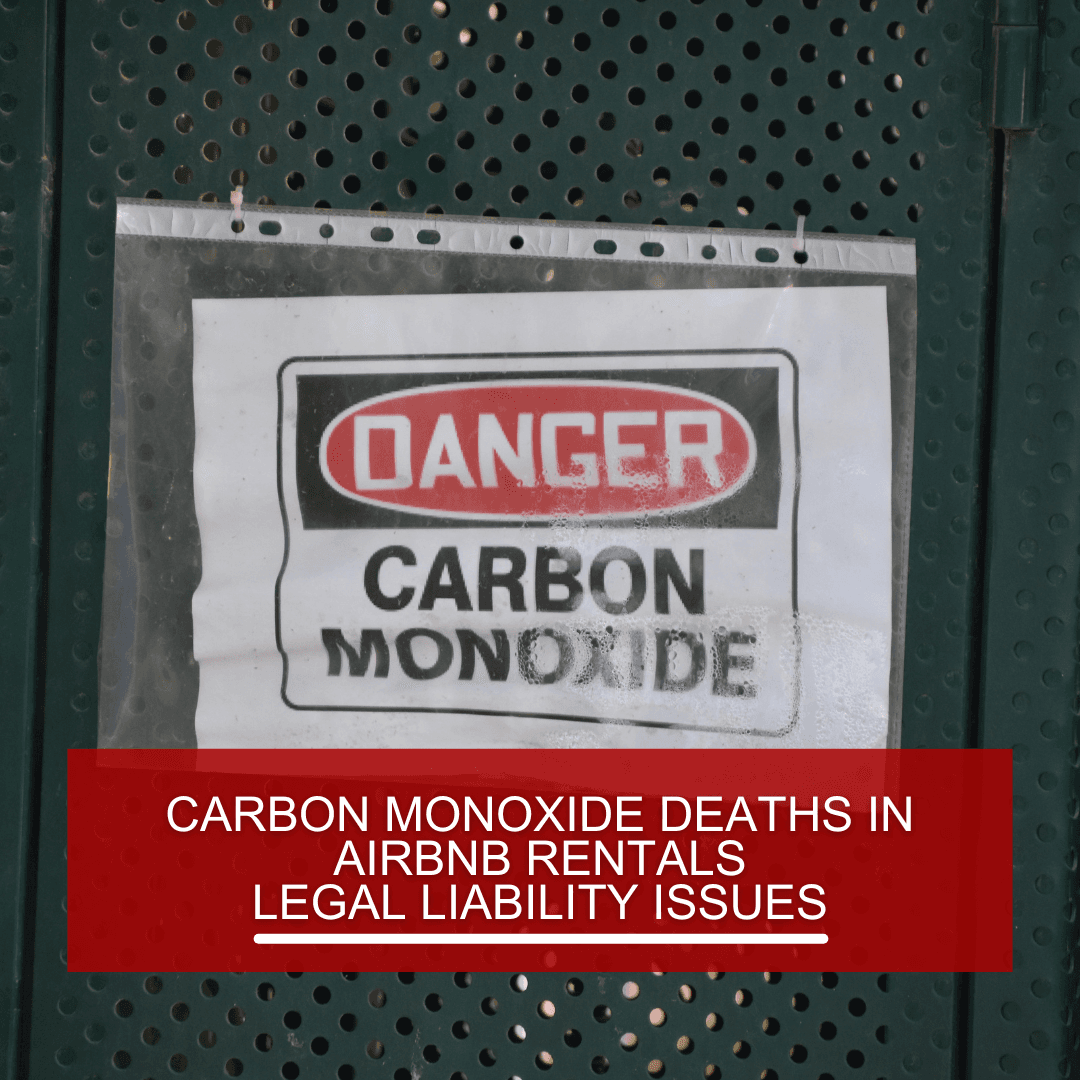
The threat of carbon monoxide (CO) poisoning in short-term rentals like Airbnb presents a critical safety gap where the convenience of a homestay can lead to fatal consequences. While these platforms offer unique travel experiences, the lack of standardized, global safety inspections means guests often rely on self-certified host claims. In the absence of a functional, professionally installed CO detector, the risk of a "silent killer" event can transform a budget-friendly vacation into a preventable tragedy.
The Hidden Mechanics of a Silent Killer
Carbon monoxide is often referred to as the "silent killer" because it is a colorless, odorless, and tasteless gas. It is a byproduct of incomplete combustion from carbon-based fuels such as gas, oil, wood, and coal. In a typical Airbnb setting, potential sources include faulty furnaces, gas water heaters, wood-burning fireplaces, gas stoves, and even charcoal grills used in enclosed spaces like balconies or garages.
When an individual inhales carbon monoxide, the gas enters the bloodstream and binds to hemoglobin—the molecule in red blood cells responsible for carrying oxygen. CO has an affinity for hemoglobin that is roughly 200 times stronger than oxygen. As a result, the blood carries carboxyhemoglobin instead of oxygen, effectively suffocating the body’s vital organs from the inside out. Because the symptoms—headache, dizziness, nausea, and confusion—mimic the flu or general travel exhaustion, many victims do not realize they are being poisoned until they lose consciousness. In the context of a short-term rental, where guests are often in unfamiliar environments and may be sleeping deeply, the window for intervention is dangerously narrow.
High-Profile Tragedies and the Airbnb Safety Gap
As of 2026, the travel industry continues to grapple with the legal and ethical fallout of high-profile carbon monoxide deaths in short-term rentals. One of the most significant turning points occurred in 2022 in Mexico City, where three American travelers died in an Airbnb due to a faulty gas water heater and lack of ventilation. This incident highlighted a terrifying reality: even high-end, well-reviewed properties can harbor lethal mechanical failures.
The "reward" of staying in a culturally authentic neighborhood or a stylish penthouse often blinds guests to the "risk" of antiquated infrastructure. Unlike hotels, which are subject to rigorous fire marshal inspections and centralized safety systems, Airbnbs are fragmented. A host in one country may be legally required to install a detector, while a host in another may have no such obligation. This inconsistency creates a "safety lottery" for travelers. While Airbnb has made efforts to distribute free CO detectors to hosts, the platform does not physically inspect every listing to verify that these devices are installed, functioning, or placed in the correct locations near sleeping areas.
Analyzing the Risk vs. Reward Paradigm
For many travelers, the primary "reward" of using Airbnb is cost-efficiency or the desire for a "live like a local" experience. However, when we apply a risk management framework to this choice, the equation changes significantly.
- Regulatory Disparity: Hotels operate under commercial building codes that require hard-wired smoke and CO detectors, regular professional maintenance of boilers, and 24/7 staff who can respond to alarms. Most Airbnbs operate under residential codes, which are far less stringent and rarely enforced via regular inspections.
- The "Host-Guest" Trust Fall: Guests are essentially trusting a stranger's DIY maintenance skills. If a host forgets to service a boiler or ignores a faint smell of gas, the guest pays the price.
- Liability and Redress: Following a carbon monoxide death, families often find that the legal path to accountability is convoluted. Airbnb’s terms of service often mandate arbitration, and local liability laws may shield individual hosts from significant financial or criminal consequences, particularly in international jurisdictions.
The perceived reward of saving $50 a night or having access to a private kitchen is rendered meaningless when weighed against the absolute finality of a fatal poisoning event.
Technical Requirements for Safe Gas Infrastructure
To understand why the risk is so prevalent, one must look at the technical requirements for safe gas appliance operation. A safe installation requires three critical components:
- Adequate Ventilation: Gas appliances must have a clear path for exhaust gases to exit the building. In many older buildings repurposed for Airbnb, ventilation ducts can become blocked by debris, bird nests, or even intentional sealing by hosts trying to prevent drafts.
- Correct Fuel-to-Air Ratio: If an appliance does not receive enough oxygen, it produces significantly higher levels of carbon monoxide. Dust buildup or improper burner adjustment are common causes of this "incomplete combustion."
- Functional Detection Systems: A CO detector is not a "set it and forget it" device. They have expiration dates (usually 5–10 years) and require battery testing. In a rental environment, there is no guarantee that a host has checked the device since the last guest checked out.
Comparing Safety Standards: Hotels vs. Short-Term Rentals
The following table outlines the structural differences in safety management between traditional hospitality and the short-term rental (STR) market.
| Safety Feature | Traditional Hotel Standards | Airbnb/Short-Term Rental Reality |
|---|---|---|
| Inspection Frequency | Annual or bi-annual by fire marshals. | Often zero professional inspections post-listing. |
| Alarm Integration | Hard-wired, centralized systems with front-desk alerts. | Independent, battery-operated units (if present). |
| Appliance Maintenance | Conducted by certified commercial technicians. | Often DIY or handled by uncertified handymen. |
| Regulatory Compliance | Strictly enforced by local government. | Highly variable; relies on host self-certification. |
| Emergency Response | On-site staff trained in evacuation. | Guest is responsible for their own evacuation. |
| Equipment Verification | Inspected during room cleanings. | Relies on the host’s honesty in the "Safety" section. |
The Host’s Burden of Care and Liability
In 2026, the legal landscape for short-term rentals has tightened, yet the burden of care remains largely on the individual property owner. A host who fails to provide a carbon monoxide detector is not just negligent; they are potentially liable for wrongful death. Airbnb’s "AirCover" insurance provides some liability protection, but it is not a substitute for preventative safety measures.
For hosts, the "reward" of rental income must be balanced against the "risk" of total financial ruin and criminal charges. Many hosts assume that because their home is "safe for them," it is safe for a rotating door of guests. However, guests use appliances differently—they may leave a gas stove on for hours to heat a room or run a hot shower until the small, unventilated bathroom is saturated with moisture and combustion byproducts. The "reward" of hosting is only sustainable if the host treats the property with the technical rigor of a commercial hotelier.
Practical Guidance for Travelers: Mitigating the Risk
If you choose to accept the rewards of a short-term rental, you must take active steps to mitigate the carbon monoxide risk. You cannot rely on the platform’s "Safety Features" checklist alone.
- Carry a Portable CO Detector: This is the single most effective way to protect yourself. Modern, travel-sized detectors are inexpensive, battery-operated, and can be placed on a nightstand. They provide an independent layer of safety that is not dependent on the host.
- Screen Listings Rigorously: Use the search filters to only show homes with CO detectors. However, take it a step further: message the host and ask, "Where is the CO detector located, and when was the sensor last tested?" A host who provides a vague or dismissive answer is a red flag.
- Identify Gas Sources Upon Arrival: Locate the boiler, water heater, and stove. If the water heater is located inside a bedroom or a small closet without visible venting, exercise extreme caution.
- Know the Symptoms: If you or your travel companions develop a sudden headache, dizziness, or nausea that improves when you step outside into the fresh air, do not return to the property. Call emergency services immediately.
Why the Current Platform System is Flawed
The fundamental problem with the Airbnb model is that it prioritizes growth and "frictionless" booking over rigorous safety verification. As of 2026, the platform still uses a trust-based system for safety equipment. While guests can report a listing that lacks a promised detector, this reporting usually happens after someone has already stayed in the potentially dangerous environment.
Furthermore, the "rewards" offered by the platform—loyalty points, "Superhost" badges, and sleek UI—create a false sense of security. A "Superhost" may have five-star reviews for their interior design and communication, but those reviews are not an endorsement of their gas plumbing or the age of their CO sensors. The disconnect between "hospitality quality" and "technical safety" is where the danger lies.
Frequently Asked Questions
Does Airbnb require hosts to have carbon monoxide detectors?
Airbnb strongly encourages the use of carbon monoxide detectors and has historically provided them for free to hosts. However, as of 2026, requirements vary by local jurisdiction. In many regions, Airbnb only requires a detector if the local law mandates it. The platform displays whether a detector is present in the "Safety & Property" section of a listing, but this is based on the host's self-reporting.
Can I get a refund if I arrive at an Airbnb and there is no CO detector?
Yes, if a listing specifically claimed to have a carbon monoxide detector and it is missing or non-functional, this is a violation of the "Guest Refund Policy." You should document the absence of the device with photos and contact Airbnb support immediately. Do not stay in a property that lacks essential safety equipment if gas appliances are present.
Are portable carbon monoxide detectors actually effective for travel?
Yes, portable CO detectors are highly effective. Look for models that are UL-listed (Underwriters Laboratories) and have a digital display to show low levels of CO before they reach a lethal threshold. These devices are designed to be sensitive enough to wake a sleeping person and are a vital backup in environments where you cannot verify the maintenance history of fixed appliances.
What are the first signs of carbon monoxide poisoning in a rental?
The earliest signs are often described as "flu-like" without a fever. This includes a dull headache, weakness, dizziness, nausea or vomiting, shortness of breath, and blurred vision. Because these symptoms are common after long flights or changes in altitude, they are frequently ignored. If multiple people in the same unit feel ill at the same time, it is a high-probability indicator of a gas leak.
Why doesn't Airbnb just inspect every home?
With millions of listings globally, the cost and logistical complexity of physical inspections are immense. Airbnb operates as a marketplace rather than a traditional hotel chain, which allows them to avoid many of the regulatory burdens placed on hoteliers. This "hands-off" approach is the primary reason the risk remains higher for the consumer.
Recommendations for Safer Stays
The decision to stay in an Airbnb is a calculation of risk versus reward. To ensure the reward is worth it, travelers must shift from a passive role to an active safety-first mindset.
Immediate Actions:
- Purchase a portable CO detector before your next trip; it is a one-time investment in your life.
- Verify gas appliances immediately upon check-in. If the stove is old or the water heater looks poorly maintained, do not hesitate to cancel and move to a hotel.
- Prioritize hotels in countries or cities known for lax building codes or aging infrastructure. In these locations, the "risk" of a carbon monoxide event is significantly higher, and the "reward" of a cheap stay is never worth the potential loss of life.
By taking personal responsibility for safety detection, you can bridge the gap left by platform policies and outdated regulations, ensuring that your travel memories are defined by the experiences you had, not the hazards you encountered.