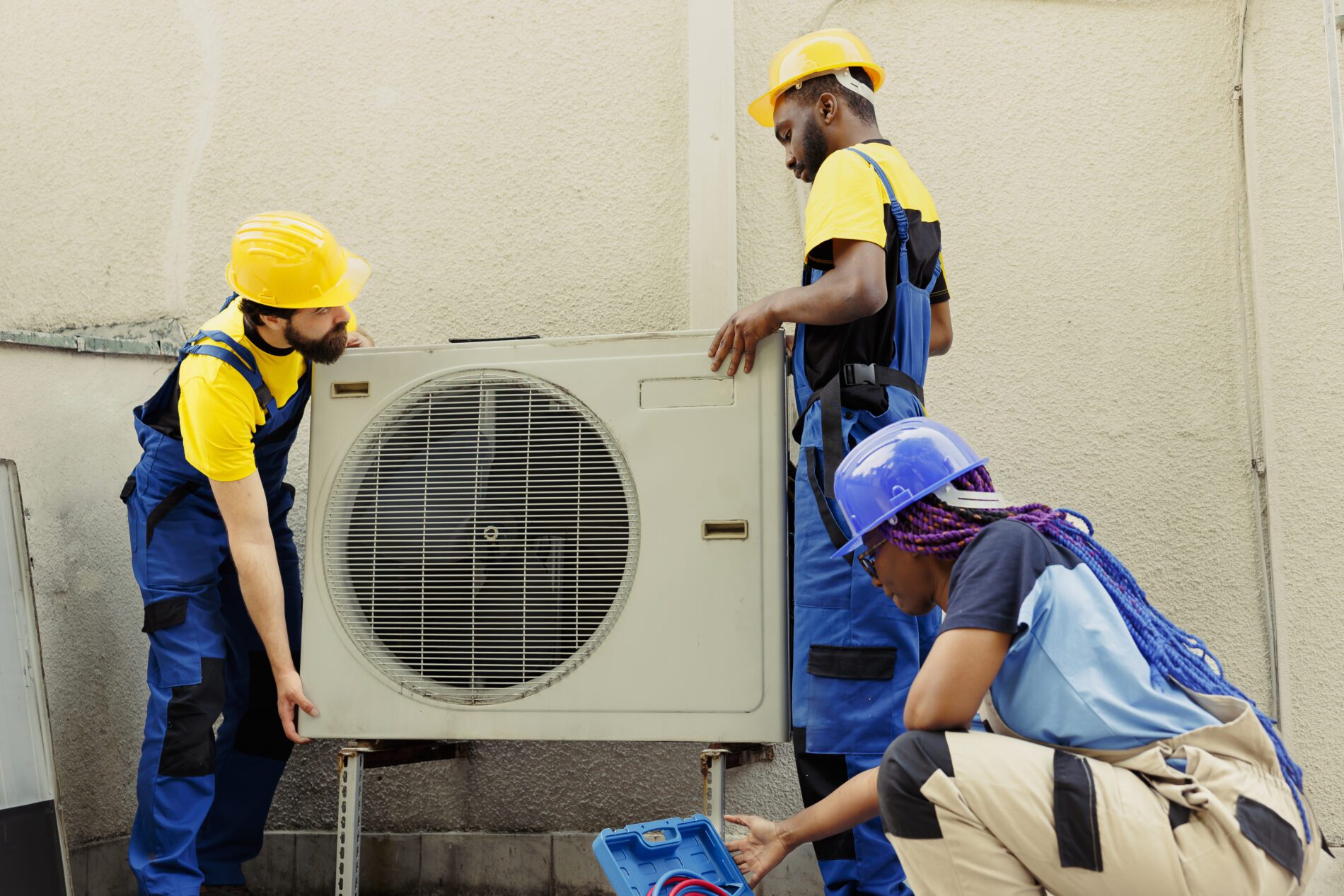
Professional air conditioning repair in McKinney, TX, focuses on restoring cooling efficiency and indoor air quality during the region's extreme heat. Most repairs involve addressing electrical failures, refrigerant leaks, or drainage issues. In 2026, McKinney residents rely on licensed HVAC technicians to ensure systems meet modern SEER2 efficiency standards and comply with updated environmental regulations regarding refrigerants.
Understanding the McKinney Climate and Its Impact on HVAC Systems
McKinney, Texas, experiences a humid subtropical climate characterized by long, punishing summers where temperatures frequently exceed 100°F. For homeowners, this means the air conditioning system is not a luxury but a critical piece of infrastructure. The high thermal load placed on these systems leads to faster mechanical wear than in more temperate regions.
By 2026, the growth of McKinney has led to increased "urban heat island" effects in newer developments. This phenomenon occurs when asphalt and building materials retain heat, preventing nighttime cooling. Consequently, AC units in McKinney must run longer cycles to maintain setpoints, which puts immense strain on the compressor and run capacitors. Understanding these local environmental stressors is the first step in identifying why a system has failed and how to prevent future breakdowns.
Common Air Conditioning Failures in North Texas
When an AC unit fails in McKinney, the culprit is often linked to the specific environmental conditions of Collin County. High humidity levels combined with intense heat create a perfect storm for specific mechanical and electrical failures.
Electrical Component Stress
The most frequent repair call in McKinney involves failed capacitors. These components act like temporary batteries, providing the high-voltage "kick" needed to start the compressor and fan motors. Heat is the natural enemy of capacitors; as external temperatures rise, the internal chemicals in the capacitor degrade. By 2026, many technicians are seeing failures in older units that were not designed for the sustained heat waves now common in North Texas.
Refrigerant Leaks and the Transition to A2L
As of 2026, the HVAC industry has largely transitioned away from R-410A toward newer, lower Global Warming Potential (GWP) refrigerants like R-454B and R-32. However, many McKinney homes still operate on R-410A systems.
Refrigerant leaks usually occur in the evaporator coil, often due to formicary corrosion caused by indoor pollutants. When refrigerant levels drop, the system loses its ability to transfer heat, leading to "short cycling" or a frozen indoor coil. It is vital to note that under Texas law and EPA regulations, technicians must prioritize finding and fixing the leak rather than simply "topping off" the system, especially with the rising costs of legacy refrigerants.
Drainage and Clogged Condensate Lines
McKinney’s high humidity means an AC unit removes gallons of water from the air every day. This moisture collects in a drain pan and exits through a condensate line. Over time, algae and "sludge" can build up, causing a backup. If the primary drain line clogs, water may overflow into the emergency pan, triggering a float switch that shuts down the entire system to prevent water damage to the home's ceiling or flooring.
The Professional Repair Process: What to Expect
When you schedule a repair in 2026, the process is more data-driven than in previous decades. Modern technicians use digital manifolds and Bluetooth-enabled sensors to get real-time snapshots of system performance.
- Diagnostic Evaluation: The technician begins by measuring the "Delta T"—the temperature difference between the return air and the supply air. A healthy system should show a 16°F to 22°F drop.
- Electrical Testing: Using a multimeter, the pro checks the amperage draw of the motors and the microfarad readings of the capacitors.
- Refrigerant Pressure Analysis: Technicians check the subcooling and superheat levels. These readings tell the technician exactly how the refrigerant is behaving inside the coils.
- Airflow Assessment: Sometimes the "repair" isn't mechanical but related to static pressure. Blocked returns or crushed ductwork in a McKinney attic can mimic the symptoms of a failing compressor.
- Component Replacement: Once the fault is identified, the technician replaces the part. In 2026, many parts are proprietary, especially for high-efficiency variable-speed systems, which may require a specific OEM (Original Equipment Manufacturer) match.
Estimated Costs for AC Repair in McKinney (2026)
Pricing for AC repair in McKinney is influenced by labor rates in the Dallas-Fort Worth metroplex and the cost of specialized parts. Below is a breakdown of typical costs for common repairs.
| Repair Type | Estimated Cost Range (Parts & Labor) | Complexity Level |
|---|---|---|
| Service Call / Diagnostic Fee | $85 – $160 | Standard |
| Capacitor Replacement | $180 – $350 | Low |
| Condensate Line Clear/Flush | $150 – $275 | Low |
| Contactor Replacement | $200 – $400 | Medium |
| Blower Motor Replacement | $500 – $1,200 | High |
| Evaporator Coil Repair/Replace | $1,500 – $3,500 | Very High |
| Refrigerant Recharge (R-410A) | $150 – $300 per pound | High |
| Compressor Replacement | $2,000 – $4,500 | Very High |
Note: Prices vary based on system SEER2 rating and warranty status. Systems still under a manufacturer’s parts warranty will only incur labor costs.
Troubleshooting Before You Call a Professional
Before committing to a service fee, McKinney homeowners should perform a few basic checks. These can often resolve "nuisance" shutdowns that don't require a master technician.
- Check the Thermostat: It sounds simple, but dead batteries are a common cause of AC failure. Also, ensure the thermostat is set to "Cool" and the fan is on "Auto."
- Inspect the Air Filter: A heavily soiled filter restricts airflow so severely that the evaporator coil can drop below freezing, turning into a block of ice. If you see ice on the copper lines outside, turn the system off immediately and change the filter.
- Reset the Breaker: Sometimes a power surge during a North Texas thunderstorm can trip the HVAC breaker. Check your electrical panel; if the breaker is in the middle position, flip it to "Off" and then back to "On."
- Clear the Outdoor Unit: Ensure that shrubs, weeds, or debris are not crowding the outdoor condenser. The unit needs at least two feet of clearance to "breathe" and expel heat effectively.
Selecting a Qualified Contractor in McKinney
Texas has strict requirements for HVAC professionals. In 2026, with the complexity of variable-speed motors and electronic expansion valves, choosing the right contractor is essential for the longevity of your equipment.
Verify the TDLR License
All HVAC contractors in Texas must be licensed by the Texas Department of Licensing and Regulation (TDLR). A "Class A" license allows a contractor to work on any size unit, while a "Class B" is limited to smaller systems (usually 25 tons or less, which covers almost all residential units). Always ask for the license number and verify it on the TDLR website to ensure it is active and free of major disciplinary actions.
Insurance and Bonding
Ensure the company carries general liability insurance and workers' compensation. This protects you, the homeowner, if a technician is injured on your property or if a repair error leads to significant damage, such as a fire or major leak.
Local Reputation
McKinney is a community-centric city. Look for companies with deep roots in Collin County. Local companies are more likely to understand the specific soil conditions (which affect outdoor unit leveling) and the local building codes updated in the mid-2020s.
The Role of Preventative Maintenance
In McKinney's harsh environment, reactive repair is always more expensive than proactive maintenance. Most AC failures occur during the first true "heat spike" of May or June.
A standard maintenance visit should include:
- Cleaning the Condenser Coils: Dust and cottonwood seeds from local foliage act as an insulator, forcing the unit to work harder.
- Checking Refrigerant Levels: Catching a small leak early prevents "slugging" the compressor with liquid refrigerant, which is a fatal error for the system.
- Tightening Electrical Connections: Texas heat causes wires to expand and contract, which can loosen terminals and lead to "pitting" on contactors.
- Treating the Drain Pan: Using antimicrobial tablets helps prevent the "McKinney sludge" that clogs condensate lines.
High-Efficiency Upgrades and 2026 Standards
If your repair estimate exceeds 50% of the value of a new system, it may be time to consider a replacement. As of 2026, the Department of Energy (DOE) has enforced strict SEER2 (Seasonal Energy Efficiency Ratio 2) standards.
Newer systems installed in McKinney now feature inverter-driven compressors. Unlike older models that are either 100% "on" or "off," inverter systems can scale their output to as low as 25% capacity. This is particularly beneficial in McKinney’s humid climate because longer, lower-intensity cycles are much more effective at removing humidity than short, high-power bursts. Furthermore, many residents may qualify for federal tax credits under the Energy Efficient Home Improvement Credit (Section 25C), which was extended through the mid-2020s.
Emergency Repairs During a Heat Wave
When temperatures hit 105°F in McKinney, an AC failure is more than an inconvenience; it is a safety hazard, especially for the elderly or those with underlying health conditions.
If your system fails during a heat wave:
- Close all blinds and curtains on the sunny side of the house.
- Avoid using the oven or dryer, which add significant heat and humidity to the home.
- Utilize ceiling fans to create a wind-chill effect on the skin.
- Request "Emergency Service": Many McKinney HVAC companies offer 24/7 service during peak summer months. Be prepared for an "after-hours" or "emergency" diagnostic fee, which is typically higher than standard rates.
Frequently Asked Questions
Why is my AC running but not blowing cold air?
This is typically caused by a failed capacitor, a refrigerant leak, or a broken fan motor. If the indoor blower is moving air but the outdoor unit isn't running, the compressor cannot remove heat from your home. Turn the system off at the thermostat to prevent further damage and call a technician to check the outdoor components.
How often should I change my air filter in McKinney?
Due to the high dust and pollen counts in North Texas, 1-inch pleated filters should be changed every 30 to 60 days. If you have pets or allergies, or if you use a high-MERV filter, you may need to check it every month. Using a dirty filter is the leading cause of avoidable blower motor failure and frozen coils.
Is it worth repairing an R-22 (Freon) unit in 2026?
Generally, no. R-22 has been phased out for years, and the cost of the refrigerant is now prohibitively expensive. Most components for these older units are no longer manufactured. Investing in a repair for an R-22 system is often a "band-aid" fix on a system that is likely 15-20 years old and nearing the end of its functional life.
What is the average lifespan of an AC unit in McKinney?
In the North Texas climate, a well-maintained AC unit typically lasts 12 to 15 years. While systems in cooler climates might last 20 years, the high runtime hours and extreme heat in McKinney accelerate the degradation of the compressor and outdoor coil.
Can I spray my outdoor unit with a hose to help it cool?
While it may provide a very temporary boost in cooling efficiency by removing heat from the coils, it is not a permanent solution and can lead to mineral buildup (scaling) from McKinney's water supply. If your unit requires a water spray to keep the house cool, it likely has a dirty coil or a failing fan motor that needs professional attention.
Final Recommendation for McKinney Homeowners
If your air conditioning system is showing signs of struggle—such as unusual noises, rising energy bills, or a failure to reach the set temperature—prompt action is required. In the 2026 McKinney market, the best approach is to establish a relationship with a licensed HVAC provider before a crisis occurs. Annual maintenance not only preserves your manufacturer's warranty but also ensures that your system is operating at the peak efficiency required to handle a Texas summer. For immediate repairs, always prioritize contractors who provide a written "Load Calculation" if suggesting major component replacements, ensuring your system remains perfectly sized for your home's footprint.