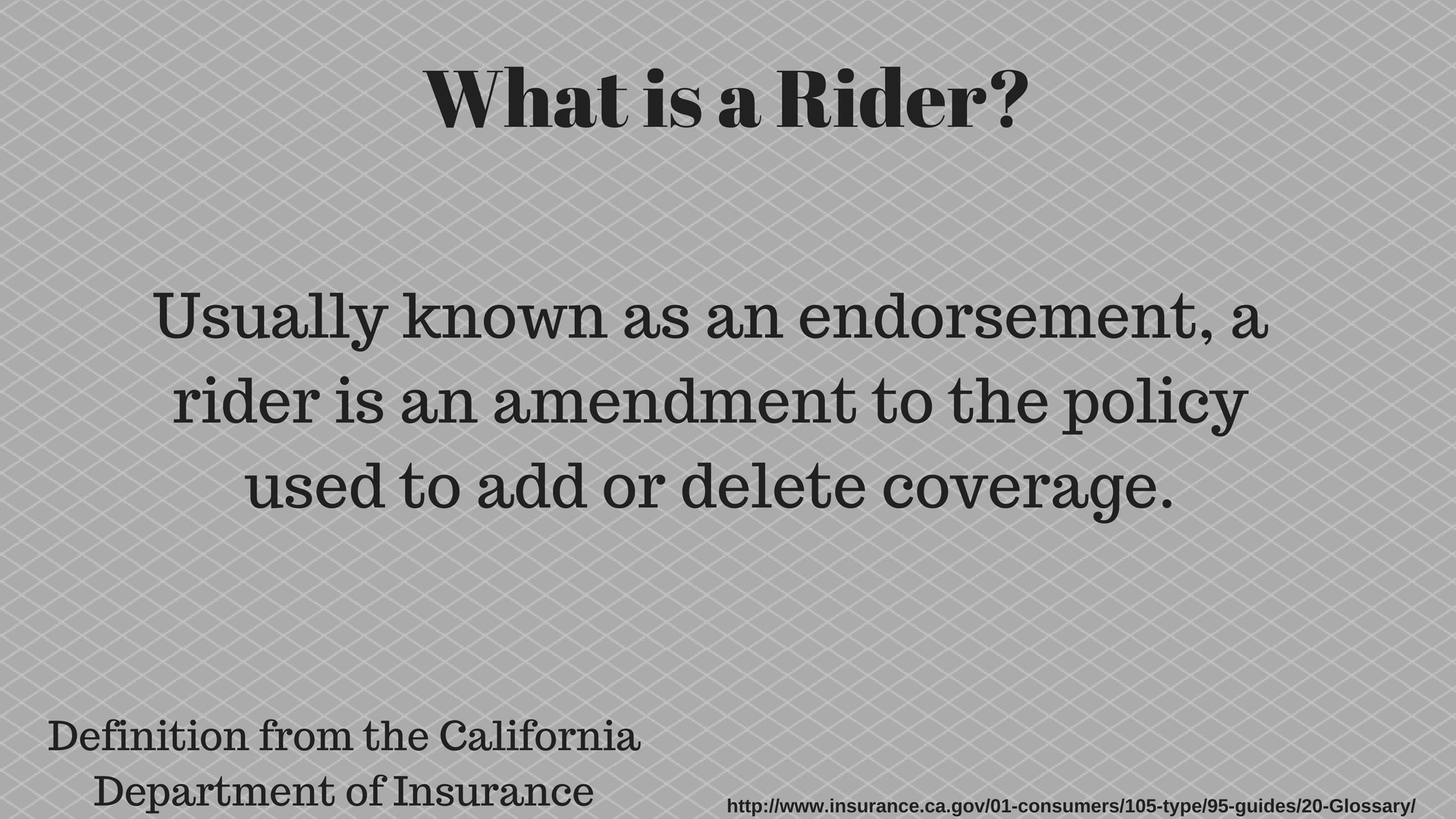
Adding a minor child rider to a term life insurance policy provides a low-cost, convenient way to secure a small amount of death benefit coverage for your children. By attaching this optional coverage to your existing or new policy, you gain financial protection for final expenses and medical costs while ensuring future insurability for your child through conversion options.
Understanding the Minor Child Rider
A minor child rider, often referred to as a "children’s term rider," is a supplemental benefit added to a parent’s term life insurance policy. Its primary purpose is to provide a specific, usually modest, death benefit for each eligible child covered under the policy. In the event of a child’s death, the rider pays a lump-sum benefit to the policyowner—typically the parent or legal guardian.
Unlike a standalone life insurance policy for a child, which often carries higher administrative costs and separate application processes, a rider is integrated directly into the parent’s contract. This structure is designed for simplicity. It allows you to cover all children in your household—including those born or adopted after the policy is issued—under a single premium rate, which is often calculated based on the total death benefit amount rather than individual risk profiles for every child.
Eligibility and Prerequisites
Not every policy allows for the addition of a child rider. Before exploring this option, you must confirm that your specific term life insurance contract includes a provision for riders. Most major insurance carriers offer these as an optional "add-on" or "rider" at the time of initial purchase. Adding one to an existing policy is sometimes possible, but it may require a new application or a formal policy amendment.
To qualify for a minor child rider, children typically must meet specific age requirements set by the insurer. Common age limits range from 14 days to 18 or 25 years. Additionally, the insurer will verify that the children are the legal dependents of the policyholder. Because the rider covers the child’s life, the insurance company will perform basic underwriting, though this is significantly less stringent than the medical underwriting required for an adult policy. You will generally need to provide the names, dates of birth, and Social Security numbers for each child to be included.
Operational Mechanics and Costs
The cost of a child rider is one of its most attractive features. Premiums are generally flat-rate and quite affordable, often costing only a few dollars per month for thousands of dollars of coverage per child. Because the risk of mortality is statistically very low for minors, insurers can offer these riders at a significantly lower cost than a dedicated permanent life insurance policy for a child.
When you add a child rider, you are essentially purchasing a group term benefit that expires when the children reach a certain age—frequently age 25. Once the child reaches the maximum age limit specified in the contract, the rider expires. However, many policies include a "conversion option." This is a critical feature that allows the child to convert the term coverage into a standalone permanent life insurance policy without requiring a new medical exam. This can be a valuable tool for securing the child’s future insurability, particularly if they develop health conditions as they grow older.
Comparing Rider Coverage vs. Standalone Policies
| Feature | Minor Child Rider (Rider) | Standalone Child Policy |
|---|---|---|
| Primary Owner | Parent/Guardian | Parent (initially) |
| Underwriting | Minimal (Health questions) | Varies (Often none) |
| Coverage Type | Term (Temporary) | Usually Whole Life (Permanent) |
| Cost | Fixed, low monthly fee | Higher, cash-value premium |
| Conversion | Limited to rider conversion | Often flexible |
| Expiration | Terminates at age 25 (typical) | None (unless canceled) |
Steps to Add the Coverage
If you are currently in the process of applying for term life insurance, the easiest time to add a minor child rider is during the initial application. You simply select the "Children’s Term Rider" option on your application form and indicate the amount of coverage you desire.
If you already own a term life insurance policy, follow these steps to explore adding the rider:
- Contact Your Insurer: Reach out to your insurance provider or the agent who sold you the policy. Ask specifically if your current policy allows for the addition of a "Children’s Term Insurance Rider."
- Review the Policy Prospectus: Check your policy documents to see if there is a "Rider Availability" section. This will confirm whether the product supports this feature.
- Complete the Necessary Forms: If allowed, you will likely need to fill out a "Policy Change Request" form. This document will require updated information about your children.
- Underwriting Review: Even for a rider, the company may ask a few basic health-related questions about your children to ensure they are insurable under the rider's terms.
- Pay the Added Premium: Once approved, your existing premium will increase slightly to account for the additional rider coverage. Ensure your payment method is updated to cover the new total.
Benefits and Limitations
The primary advantage of a child rider is peace of mind. Losing a child is a devastating event, and the financial burden of funeral and burial expenses—which can run into thousands of dollars—often exacerbates the stress. The rider provides immediate liquidity to handle these costs without forcing the family to liquidate assets or dip into emergency savings.
However, it is important to understand the limitations. The death benefit provided by these riders is usually modest—typically between $5,000 and $25,000. It is not intended to replace income or provide long-term wealth, as a child’s death does not cause a loss of household income. Furthermore, the coverage is temporary. If your goal is to provide a long-term financial nest egg or to build cash value that the child can use later in life, a standalone whole life insurance policy for a child may be a more appropriate, albeit more expensive, vehicle.
Common Mistakes to Avoid
One of the most frequent errors policyholders make is failing to update their policy when a new child is born or adopted. Most riders include a "newborn provision," but you must notify the insurer within a specified timeframe—often 30 or 60 days—to ensure the new child is officially added to the coverage.
Another mistake is miscalculating the total death benefit. Because the rider usually provides a set amount per child, ensure that the coverage amount aligns with your actual financial needs for potential final expenses. Do not assume that a $5,000 policy will cover all modern funeral and related costs in 2026, as inflation has impacted the costs of services. Review your benefit amounts periodically to ensure they remain sufficient.
Finally, do not treat the rider as a substitute for your own life insurance. The rider is a secondary component. Your primary focus as a parent should always be maintaining adequate term life insurance on your own life, as your income is the financial foundation of your family. The child rider should be viewed as an inexpensive, secondary safety net rather than a core component of your financial planning.
Expert Guidance and Next Steps
Before making a final decision, evaluate your specific family needs. If you are concerned about your child’s future health and their ability to purchase their own life insurance later, look for a rider that offers a high conversion ratio. This allows the child to convert a larger amount of coverage into a permanent policy later in life.
For most families, the minor child rider is a cost-effective and logical addition to a term policy. It bridges the gap between basic financial protection and the need for future insurability. Consult with your licensed insurance advisor to determine if your current policy is eligible and if the specific death benefit amount offered meets your family’s requirements. If you have multiple children, confirm how the insurer calculates the premium—some charge a flat fee regardless of the number of children, which can offer significant value for larger families.
If you find that your current policy does not support riders, or if you require higher coverage limits than what a rider provides, you might consider evaluating separate, low-cost term policies or child-specific whole life plans. Always read the policy summary provided by your insurer, as contract language regarding "conversion options" and "age limits" can vary significantly between insurance carriers in 2026.