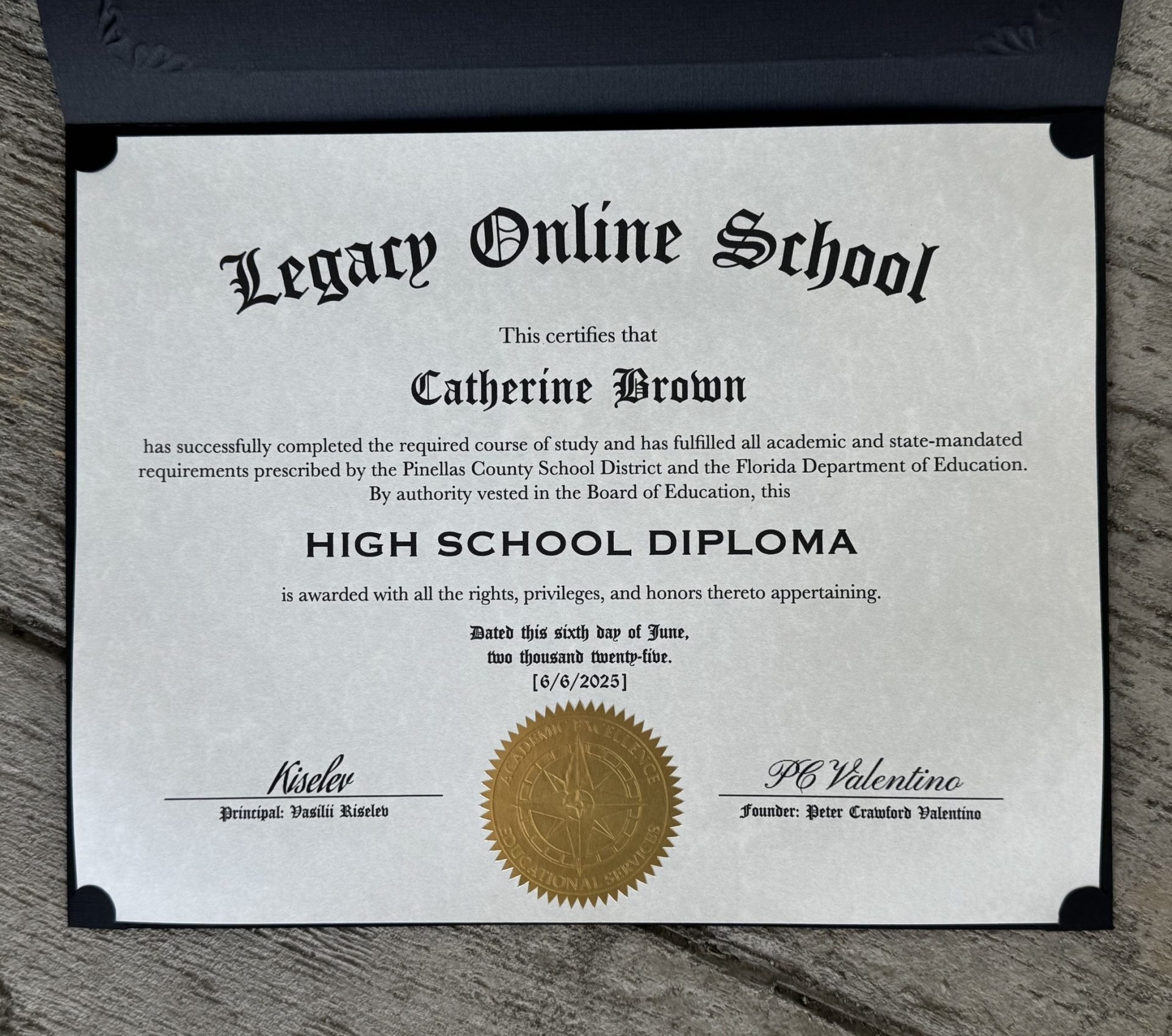
Achieving online high school completion involves enrolling in an accredited virtual education program that allows students to earn a standard diploma by fulfilling state-mandated credit requirements through asynchronous or synchronous digital coursework. This process enables individuals to bypass traditional physical classroom constraints, providing a flexible path to credentialing that is recognized by colleges, military branches, and employers.
Understanding the Landscape of Online High School Education
The pursuit of an online high school diploma is a viable academic strategy for various demographics, including traditional-age students seeking schedule flexibility, working adults completing interrupted studies, and those requiring an alternative to the brick-and-mortar environment. In 2026, the landscape of digital secondary education is marked by a clear distinction between credit-recovery programs, supplemental virtual schooling, and full-time online diploma-granting institutions.
Understanding the difference between a high school diploma and a General Educational Development (GED) certificate is the first step in the journey. While both demonstrate a level of secondary-level academic proficiency, a diploma is generally earned through the completion of a prescribed sequence of courses, whereas a GED is an equivalency test. For students aiming for collegiate or professional pathways that mandate a specific transcript or GPA, the online diploma remains the gold standard.
Prerequisites for Enrollment and Success
Before committing to a program, prospective students must verify their current academic standing. Most online high schools require official transcripts from any previously attended institutions. If you have been out of the school system for years, the admissions office of your chosen online provider will assist in the "transcript evaluation" process—a phase where they determine which of your past credits fulfill current state requirements and which subjects must be retaken.
Technical literacy is a foundational prerequisite. Because the medium of instruction is entirely digital, students must be comfortable navigating Learning Management Systems (LMS), utilizing video conferencing software, and managing time within a self-directed framework. Reliable high-speed internet access is not merely an advantage; it is a technical requirement for participating in proctored exams and submitting assignments.
Evaluating Program Legitimacy: Accreditation Matters
The most critical factor in achieving online high school completion is ensuring that the program is regionally accredited. Accreditation is an independent verification process that ensures an institution meets specific quality standards. In the United States, regional accreditation bodies—such as Cognia (formerly AdvancED) or the Middle States Association of Colleges and Schools—carry the most weight with post-secondary institutions and employers.
Avoid "diploma mills," which are unaccredited organizations that offer degrees for a flat fee with little to no academic work. These entities are not recognized by colleges or the military, and a diploma from such a source may actually disqualify a student from financial aid or career advancement. Always check for a verifiable accreditation seal on the provider’s official website and cross-reference that information with the accrediting agency's public registry.
Navigating the Academic Curriculum and Credit Requirements
High school completion is structured around credit hours. While requirements vary by state and individual institutional standards, a standard high school diploma usually demands 20 to 24 credits, typically broken down into core subject areas:
- English Language Arts: Four years of study focusing on composition, literature, and critical analysis.
- Mathematics: Three to four years, usually progressing from Algebra I through Geometry and Algebra II.
- Science: Three years, including laboratory sciences like Biology, Chemistry, and Physics.
- Social Studies: Three years, covering World History, U.S. History, Government, and Economics.
- Electives: A selection of courses, such as foreign languages, computer science, or fine arts, designed to round out the academic profile.
Comparative Table: Online vs. Traditional Approaches
| Feature | Online High School | Traditional High School |
|---|---|---|
| Scheduling | Asynchronous (Flexible) | Synchronous (Fixed) |
| Pacing | Self-paced/Student-driven | Semester-locked |
| Social Environment | Virtual/Community forums | In-person/Extracurriculars |
| Credential | High School Diploma | High School Diploma |
| Access | Geography-independent | Local district enrollment |
Financing Your Online Education
Costs for online high school completion in 2026 fluctuate based on whether you are accessing a state-funded program or a private institution. Public online charter schools, often funded by state tax dollars, are usually free for residents of that state. These programs operate as public school districts and offer a standard curriculum.
Private online high schools generally charge tuition. Costs can range significantly—from $2,000 to over $10,000 per year—depending on the level of instructor interaction, the prestige of the institution, and the availability of specialized support services like tutoring or college counseling. When budgeting, factor in potential costs for standardized test prep, application fees, and necessary hardware if the school does not provide a laptop.
Strategic Steps for Successful Completion
Achieving your diploma requires more than just enrolling; it requires an operational plan. Follow these sequential steps to maintain momentum:
- Define Your Timeline: Assess your current credit gap. If you need 10 credits, calculate a realistic pace. Most students can complete one full-credit course in 4 to 8 weeks depending on daily time investment.
- Establish a Workspace: Digital learning requires a physical space free from distraction. Treat your home study area as you would a workplace.
- Engage with Instructors: Even in asynchronous environments, instructors hold office hours. Use these to clarify difficult concepts, ask for feedback, and build a rapport that may be necessary for future letters of recommendation.
- Monitor Your Progress: Use the tracking tools provided by your LMS to watch your credit completion. Do not wait for the end of the year to check your status; review your transcript every quarter.
- Preparation for Post-Completion: If you plan to attend college, consult your online school’s counselor early. They can help you align your remaining high school credits with the entrance requirements of your target university.
Frequently Asked Questions
Will my online diploma look different from a traditional diploma? Generally, no. Most accredited online schools issue a standard diploma that does not explicitly state "online" on the physical document. The diploma represents the mastery of the same state-mandated curriculum as that of a physical school.
How do online schools handle lab requirements for science? In 2026, high-quality online schools utilize sophisticated virtual lab simulations that allow students to manipulate variables, conduct experiments, and record data. These virtual labs are designed to meet the same learning outcomes as physical laboratory settings.
Can I transfer credits from my old school to an online program? Yes. Most online programs are designed specifically to accept transfer credits. During the application process, your new school will request an official transcript from your previous institution to conduct an audit and grant credit for successfully completed courses.
Is it harder to get into college with an online diploma? No. Admissions departments evaluate applicants based on the rigor of the curriculum, GPA, and test scores. As long as your online school is regionally accredited, universities treat your diploma with the same validity as one earned in a brick-and-mortar building.
What happens if I fail a test or a course? Most accredited online schools have specific policies for credit recovery. You will likely be given the opportunity to retake the exam or the course. It is essential to communicate with your academic advisor immediately if you are struggling with a particular unit to prevent falling behind on your graduation timeline.
Next Actions for Prospective Students
The most effective way to start is to contact the registrar of your target online school to request a preliminary transcript evaluation. Before doing so, gather all unofficial report cards or transcripts from your prior education. Having these documents ready will allow you to have a concrete conversation about your remaining credit requirements and estimated graduation date. If you are a resident of the United States, look for state-run virtual school programs first, as these are frequently the most cost-effective routes to earning an accredited diploma.