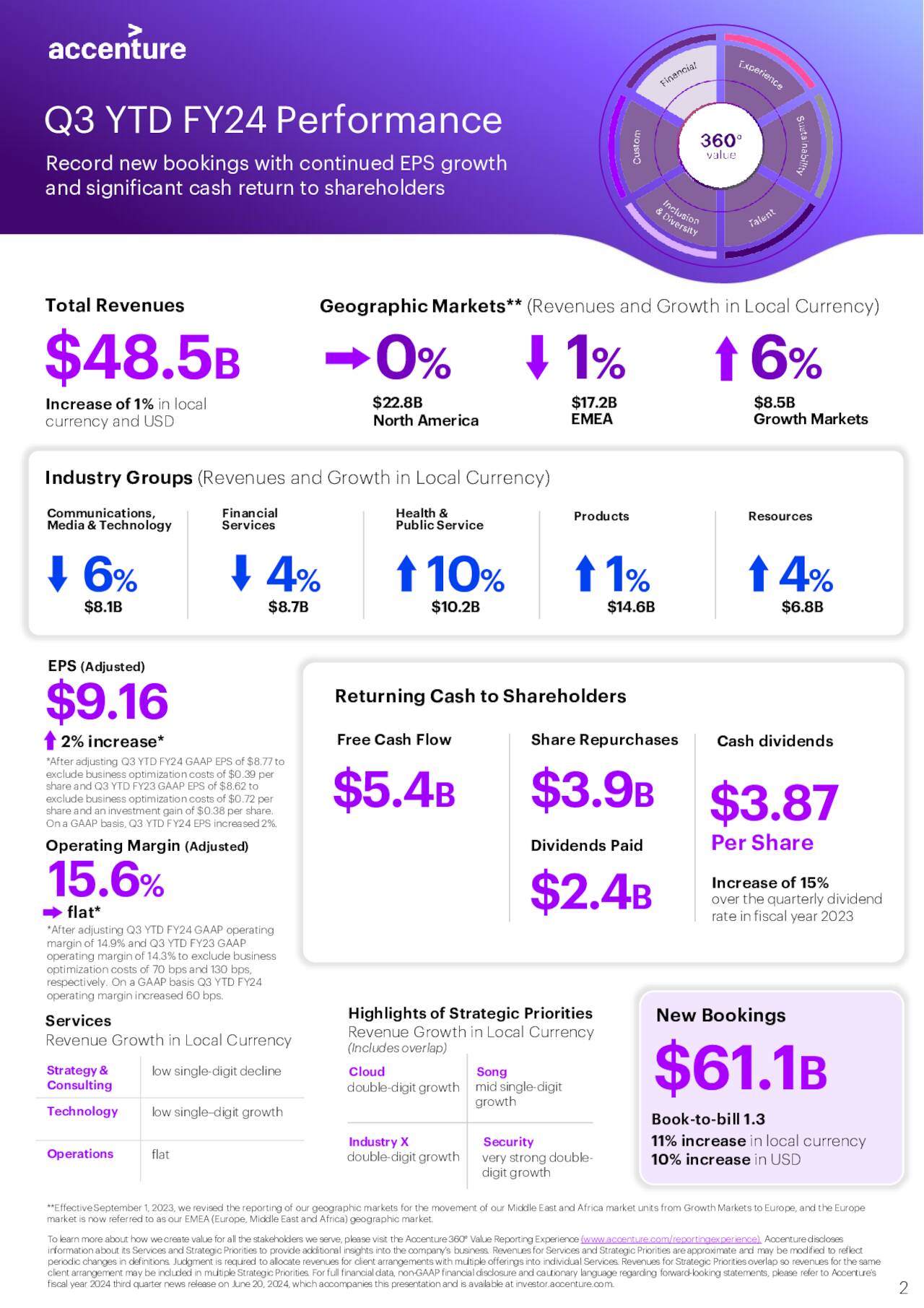
Accenture PLC is publicly traded on the New York Stock Exchange (NYSE) under the ticker symbol ACN. Since its initial public offering (IPO) on July 19, 2001, the company has grown into a cornerstone of the S&P 500 and a leading global professional services firm, specializing in digital, cloud, and security services for diverse industries.
The Significance of Accenture’s NYSE Listing
Accenture’s presence on the New York Stock Exchange (NYSE) is more than a mere regulatory formality; it is a testament to the company’s massive scale and its central role in the global economy. As of 2026, Accenture remains one of the largest professional services companies in the world by market capitalization. The NYSE, known for its stringent listing requirements and prestige, serves as the primary marketplace for ACN shares, providing the high liquidity and transparency that institutional and individual investors require.
Being listed on the NYSE means that Accenture must adhere to rigorous financial reporting standards and corporate governance rules. For investors, this provides a layer of security and clarity. The company’s performance is scrutinized by thousands of analysts and is a frequent inclusion in major stock indices, including the S&P 500 and the Fortune Global 500. This visibility ensures that Accenture is a "bellwether" stock—a security that is seen as an indicator of the health of the broader technology and consulting sectors.
From IPO to Global Dominance
The journey to the NYSE began with one of the most significant corporate rebrandings in history. Originally the consulting arm of Arthur Andersen, the firm became a separate entity known as Andersen Consulting. Following a complex legal split and a name change to Accenture (a portmanteau of "Accent on the future") in early 2001, the company went public on July 19, 2001.
The IPO price was $14.50 per share. Since then, the stock has experienced decades of growth, reflecting the company’s transition from a traditional management consulting firm into a digital and AI powerhouse. For those tracking the stock in 2026, the historical trajectory from that 2001 listing is a study in consistent value creation through strategic acquisitions and a pivot toward "the new"—specifically cloud computing, cybersecurity, and generative AI.
Key Stock Information and Trading Specifications
For investors and analysts looking to engage with Accenture on the NYSE, understanding the technical specifications of the listing is essential. The stock is categorized within the Technology sector, specifically under Information Technology Services.
Ticker Symbol and Exchange Details
The ticker symbol ACN is used exclusively on the NYSE for its primary listing. While Accenture is a global company with its corporate headquarters in Dublin, Ireland (for tax and legal purposes), the NYSE remains the primary venue for its capital market activities. The shares traded are Class A ordinary shares.
Index Inclusion
Accenture’s listing status makes it a staple in various passive and active investment vehicles. It is a prominent member of:
- The S&P 500: Representing the 500 largest companies on U.S. stock exchanges.
- The S&P 100: A subset of the S&P 500 containing the largest and most established companies.
- ESG Indices: Due to its aggressive sustainability goals, ACN is frequently found in environmental, social, and governance-focused funds.
| Metric | Detail |
|---|---|
| Exchange | New York Stock Exchange (NYSE) |
| Ticker Symbol | ACN |
| IPO Date | July 19, 2001 |
| Sector | Information Technology |
| Industry | IT Services & Consulting |
| Dividend Policy | Quarterly Cash Dividends |
| Reporting Currency | USD |
| Fiscal Year End | August 31 |
Financial Reporting and Governance Requirements
As a company listed on the NYSE, Accenture is required to file regular financial disclosures with the U.S. Securities and Exchange Commission (SEC). These filings are the primary source of truth for investors regarding the company's financial health.
The 10-K and 10-Q Filings
Every year, Accenture releases a Form 10-K, which is a comprehensive summary of the company’s financial performance. This includes audited financial statements, a discussion of risk factors (such as geopolitical instability or rapid technological shifts), and a detailed breakdown of revenue by geography and industry segment.
Quarterly, the company provides a Form 10-Q, offering a less detailed but more frequent update on financial status. These documents are essential for anyone wanting to verify the company’s debt-to-equity ratio, cash flow, or revenue growth rates without relying on secondary news sources.
Corporate Governance under NYSE Rules
The NYSE imposes strict rules regarding the composition of the Board of Directors. For a company like Accenture, this means having a majority of independent directors and maintaining specialized committees (Audit, Compensation, and Nominating/Governance) comprised entirely of independent members. This structure is designed to protect shareholders from conflicts of interest and to ensure that the executive leadership is held accountable to the owners of the company.
Investment Characteristics: Why Investors Track ACN
Investors typically look at Accenture as a "Total Return" stock. This means the value is derived from both capital appreciation (the stock price going up) and consistent dividend payments.
Dividend Growth History
One of the hallmarks of Accenture’s NYSE listing has been its commitment to returning cash to shareholders. Since initiating a dividend in the mid-2000s, the company has consistently increased its payout. In the context of 2026, Accenture is often viewed as a "Dividend Achiever," a title given to companies that have increased their dividends for at least ten consecutive years.
Share Repurchase Programs
In addition to dividends, Accenture frequently engages in share buybacks. By purchasing its own shares on the open NYSE market, the company reduces the total number of shares outstanding, which can increase the earnings per share (EPS) and provide upward pressure on the stock price. This strategy is often interpreted as a sign of management’s confidence in the company’s long-term value.
Comparing Accenture to Its NYSE and NASDAQ Peers
To understand Accenture’s position, it is helpful to compare it to other major players in the technology and consulting space. While some competitors like Microsoft or Alphabet trade on the NASDAQ, many of Accenture's direct professional services peers are also listed on the NYSE.
The Competitive Landscape
- IBM (NYSE: IBM): A legacy competitor that has also pivoted toward cloud and AI. While IBM has a significant hardware history, its consulting arm competes directly with Accenture.
- Infosys (NYSE: INFY): An India-based IT services giant that uses an ADR (American Depositary Receipt) to list on the NYSE.
- Cognizant (NASDAQ: CTSH): A major competitor that trades on the NASDAQ. The choice between NYSE and NASDAQ often comes down to historical preference and listing fee structures, but both provide excellent liquidity.
Accenture generally commands a "valuation premium" compared to some of its peers. This is often attributed to its higher-margin strategy, focusing on high-end consulting and transformational projects rather than just low-cost outsourcing.
Risks and Considerations for NYSE Investors
No investment is without risk, and Accenture’s stock is subject to several factors that can influence its price on the NYSE.
- Macroeconomic Sensitivity: Consulting budgets are often the first to be cut during a recession. If global GDP growth slows in 2026, Accenture’s revenue from discretionary projects may take a hit.
- Technological Disruption: While Accenture currently leads in AI implementation, the rapid pace of technological change means they must constantly reinvent their service offerings.
- Currency Fluctuations: Because Accenture operates in over 120 countries but reports in USD on the NYSE, a strong dollar can negatively impact their reported earnings from overseas.
- Talent War: The company’s primary asset is its people. Increases in labor costs or a shortage of skilled AI engineers can compress profit margins.
How to Verify Accenture’s Listing Status
If you need to verify current trading data, price history, or official announcements, several authoritative sources are available:
- The NYSE Official Website: Provides real-time quotes (with a slight delay for non-subscribers), historical charts, and official press releases regarding the listing.
- Accenture Investor Relations: This is the company’s official portal for SEC filings, annual reports, and transcripts of earnings calls.
- SEC EDGAR Database: The definitive source for all 10-K, 10-Q, and 8-K filings. Searching for "Accenture PLC" or "ACN" will yield all official documents filed since the IPO.
Frequently Asked Questions
When did Accenture first list on the NYSE?
Accenture officially listed on the New York Stock Exchange on July 19, 2001. The company transitioned to a public entity following its separation from the Arthur Andersen organization. This IPO was one of the largest in the technology consulting sector at the time and marked the company's emergence as an independent global brand.
Does Accenture pay a dividend to its NYSE shareholders?
Yes, Accenture is well-known for its consistent dividend policy. The company typically pays a cash dividend on a quarterly basis. Investors who hold ACN shares on the "record date" are eligible to receive these payments. The company has a long history of increasing its dividend annually, reflecting its strong cash flow and commitment to shareholder returns.
What is the difference between Accenture’s ticker and its legal name?
While the company is widely known as "Accenture," its ticker symbol on the NYSE is ACN. Its legal name for filing purposes is Accenture PLC, reflecting its status as a public limited company. The "PLC" designation is common for companies incorporated in Ireland.
Has Accenture ever had a stock split since listing?
Historically, as of early 2026, Accenture has not performed a traditional forward stock split since its IPO in 2001. While many tech companies use splits to lower the price per share and increase accessibility for retail investors, Accenture has allowed its share price to grow organically over time. Investors should always check the latest Investor Relations announcements for any recent changes in capital structure.
Why is Accenture listed on the NYSE instead of the NASDAQ?
The choice of exchange often depends on the company's image and target investor base. The NYSE has historically been the home of "blue-chip" industrial and service companies, whereas the NASDAQ was the traditional home for younger, high-growth tech companies. Given its massive scale and established reputation at the time of its IPO, the NYSE was a natural fit for Accenture.
Summary and Next Steps for Investors
Accenture’s listing on the NYSE under the symbol ACN represents a mature, high-performing asset within the technology services sector. For those looking to invest or analyze the company in 2026, the focus should be on its ability to maintain its "Total Return" profile through a balance of capital growth and dividends.
Practical Recommendation: If you are considering adding Accenture to your portfolio, start by reviewing the most recent Annual Report (10-K) and the latest Quarterly Earnings Transcript. These documents will provide a deeper understanding of the company's current debt levels, its "New" revenue (Cloud, AI, Digital), and management’s outlook for the remainder of the fiscal year. Always consult with a certified financial advisor to ensure any investment aligns with your risk tolerance and long-term financial goals.