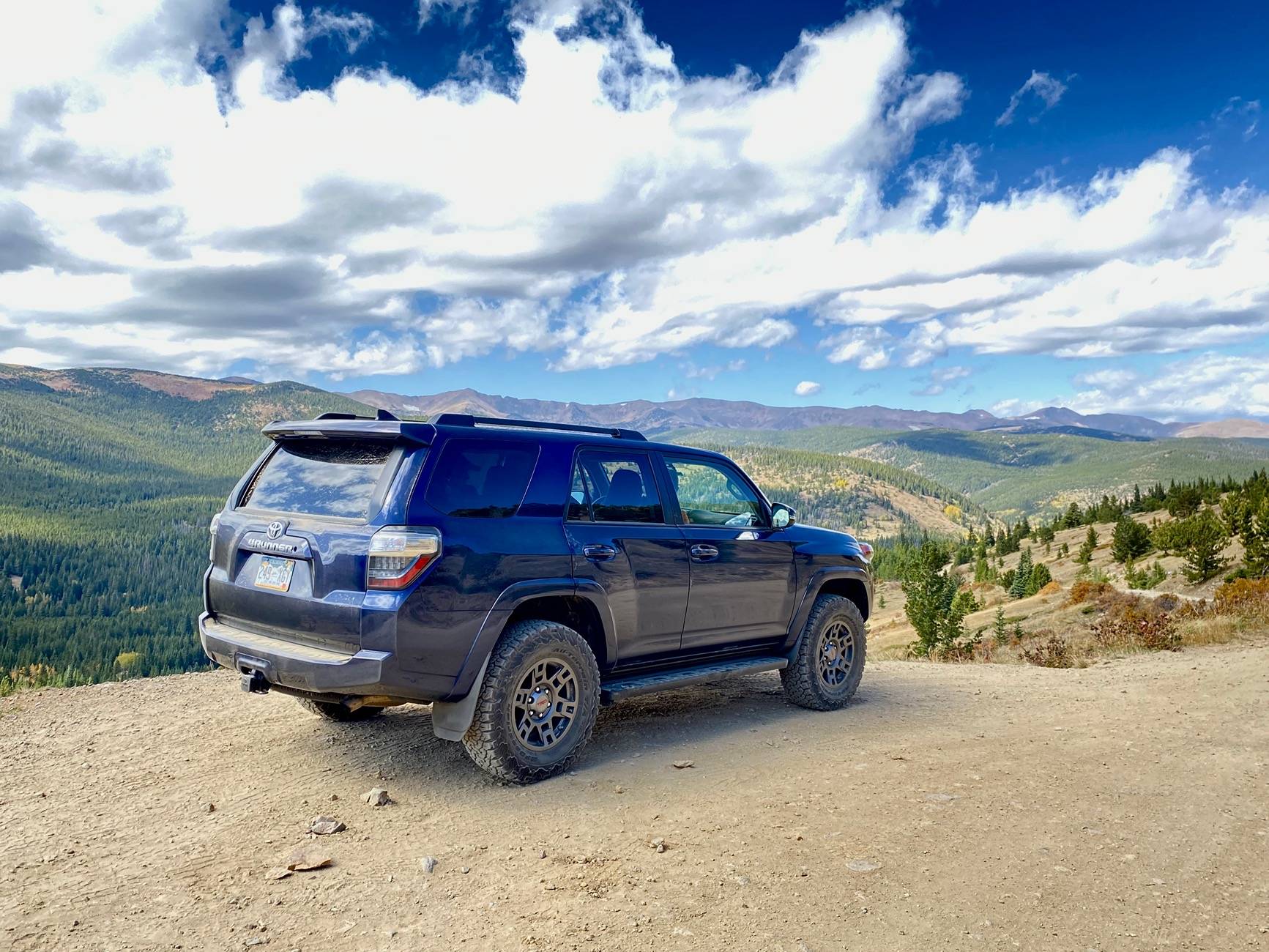
Selecting the right Toyota 4Runner depends entirely on how you intend to use the vehicle, as there is no single "best" version across every performance metric. While some trims excel in high-speed desert running, others prioritize slow-speed technical rock crawling or daily-driver comfort, meaning the "winner" is defined by your specific lifestyle requirements.
Understanding the 4Runner Lineage and Market Position
The Toyota 4Runner occupies a unique space in the automotive landscape. Unlike car-based crossovers, the 4Runner remains a body-on-frame SUV, prioritizing durability, off-road capability, and long-term reliability. As of 2026, the market is characterized by a mix of late-model fifth-generation units and the newly integrated sixth-generation platform. Distinguishing which 4Runner "beats" another requires a clear understanding of the architectural differences between these generations and the intended use case for each trim level.
The fifth-generation (up to 2024) is revered for its mechanical simplicity and proven track record, while the sixth-generation models (2025 onwards) introduce modern hybrid powertrains and updated chassis dynamics. When comparing these, one is not inherently better than the other; instead, they serve different operational philosophies.
The Trade-off: Mechanical Simplicity vs. Modern Performance
The most common debate involves the trade-off between the legendary 1GR-FE 4.0L V6 engine found in older models and the new i-FORCE MAX turbocharged hybrid powertrains.
The 4.0L V6 is a naturally aspirated workhorse. Its primary advantage is simplicity. With fewer complex electronic systems and forced-induction components, it remains the preference for those who prioritize field-repairability and long-term ownership in remote regions. If your goal is to build an overlanding vehicle that will be maintained outside of dealership networks for decades, the 4.0L V6 model beats the newer hybrids in terms of serviceability.
Conversely, the i-FORCE MAX hybrid system offers significantly higher torque at lower RPMs. For drivers who tackle steep mountain passes, tow moderate trailers, or desire a more responsive daily driving experience, the hybrid setup is technically superior. It provides the low-end grunt that the naturally aspirated V6 lacks, making it the winner for power-conscious users.
Categorizing Capability: Rock Crawling vs. Overlanding
When comparing trims like the TRD Pro, Trailhunter, and Limited, the "best" vehicle is determined by the specific terrain:
- TRD Pro: Engineered for high-speed off-road performance. With specialized suspension tuning, it is designed to absorb impacts at speed. If your environment involves washboard roads and desert terrain, this trim beats the rest.
- Trailhunter: Designed specifically for overlanding. It features integrated storage solutions, robust recovery points, and factory-spec off-road lighting. If your priority is self-sufficiency and long-range travel, the Trailhunter is the superior platform.
- Limited: Prioritizes on-road comfort. Equipped with adaptive suspension components and a more luxurious interior, it serves as the best daily driver for families who occasionally head onto light fire roads.
Comparative Analysis of 4Runner Trim Characteristics
| Feature | TRD Pro | Trailhunter | Limited |
|---|---|---|---|
| Primary Use | High-speed desert | Expedition/Overland | Daily driving/Comfort |
| Suspension | Performance damping | Specialized all-terrain | Adaptive comfort |
| Engine | Hybrid high-output | Hybrid high-output | Hybrid or standard |
| Interior | Durable/Rugged | Practical/Utility | Premium/Luxury |
Technical Specifications and Real-World Maintenance
When evaluating which 4Runner beats the other, maintenance costs and parts availability must be considered. The fifth-generation 4Runner uses a platform that has been in service since 2010. This longevity means that aftermarket support is vast. Every mechanical quirk of that generation is documented, and parts are available globally. For a user in a remote area, the ubiquity of these parts means the vehicle can be kept running more easily than a newer model with proprietary electronics and hybrid sensors.
However, from an efficiency perspective, the newer models are objectively superior. The fuel consumption disparity between the legacy V6 and the modern hybrid architecture is significant. Over a 100,000-mile lifecycle, the fuel savings of the hybrid models can offset a portion of the initial purchase price, provided the owner adheres to the more stringent maintenance requirements of the complex electrical system.
Assessing Reliability and Resale Value
Reliability is often cited as the primary reason for choosing a 4Runner over competitors. Historically, the 4Runner has maintained one of the highest resale values in the SUV category. When comparing models, the "base" trims often hold their value better as a percentage of cost because they are less susceptible to the depreciation associated with high-end electronic tech packages.
If your objective is to minimize financial loss over a five-year ownership cycle, the mid-tier trims often beat the "flagship" trims. These models include the essential mechanical upgrades—such as locking rear differentials and skid plates—without the expensive cosmetic or luxury add-ons that depreciate rapidly in the used market.
Troubleshooting and Operational Constraints
Regardless of which 4Runner you choose, you must account for the operational limits of the platform. The vehicle is heavy, and its center of gravity is higher than that of unibody SUVs.
- Weight Management: If you overload a 4Runner beyond its GVWR (Gross Vehicle Weight Rating), you will compromise the suspension and braking systems. The Trailhunter is often better suited to handle these loads due to factory-tuned suspension upgrades.
- Electronic Over-reliance: Modern trims feature Crawl Control and Multi-Terrain Select. While these systems make off-roading more accessible to novices, they do not replace driver experience. A base-model 4Runner with a skilled driver will often "beat" a feature-rich model driven by a novice.
Common Mistakes in Selection
Many buyers make the mistake of purchasing a vehicle based on the aesthetic appeal of a specific trim rather than its functional utility. Buying a TRD Pro to drive in a congested urban environment leads to a harsher, noisier, and less efficient commute. Conversely, buying a Limited for serious off-roading results in damage to expensive trim components and lack of underbody protection.
To determine which 4Runner beats the other for your needs, create a list of your top three activities. If "grocery shopping" and "commuting" rank higher than "rock crawling," the Limited or SR5 trims will provide a superior ownership experience. If "trail exploration" and "camping" are your focus, the TRD or Trailhunter versions provide the necessary hardware to succeed.
Frequently Asked Questions
Which 4Runner is best for a beginner off-roader? The TRD Off-Road trim is the ideal starting point. It includes the locking rear differential and Multi-Terrain Select, which provide a mechanical advantage in difficult conditions without the extreme price tag of the top-tier trims. These features allow you to learn vehicle dynamics safely.
Does the V6 engine really last longer than the new hybrid engines? The 4.0L V6 has a longer proven track record in high-mileage scenarios. While the new hybrid systems are robust, they introduce complexity. The V6 is "better" for longevity only if you value mechanical simplicity and DIY repair potential over modern efficiency and torque.
Is it worth upgrading to the latest model year? Upgrading is worth it if you require higher towing capacity and better fuel economy. The new chassis and powertrain dynamics provide a smoother highway experience. If you mostly use your vehicle for slow-speed trail driving, your existing older model likely already provides 90% of the capability needed.
Which trim has the best interior for families? The Limited trim is the clear winner for families due to the inclusion of creature comforts like ventilated seats, premium audio, and a softer suspension tune that reduces road fatigue on long trips. It offers a more refined environment compared to the utility-focused cabin of the Trailhunter.
How do I verify which 4Runner is right for me? The most effective way is to test drive the vehicle in an environment that mimics your actual usage. Do not just drive on smooth pavement. Request a test drive that includes both highway speeds and, if possible, unpaved surfaces to experience how the suspension reacts to your specific driving style.
Final Recommendation
The determination of which 4Runner beats the other is an exercise in prioritizing your personal mission profile. If you value low-maintenance longevity, stick to the proven 4.0L V6 platforms. If you require modern power, efficiency, and integrated technology for long-distance expeditions, the new hybrid-equipped models represent the current apex of the 4Runner's capabilities. Before purchasing, verify your intended use against the payload and towing specifications of your preferred trim to ensure the vehicle remains safe and reliable throughout its service life.