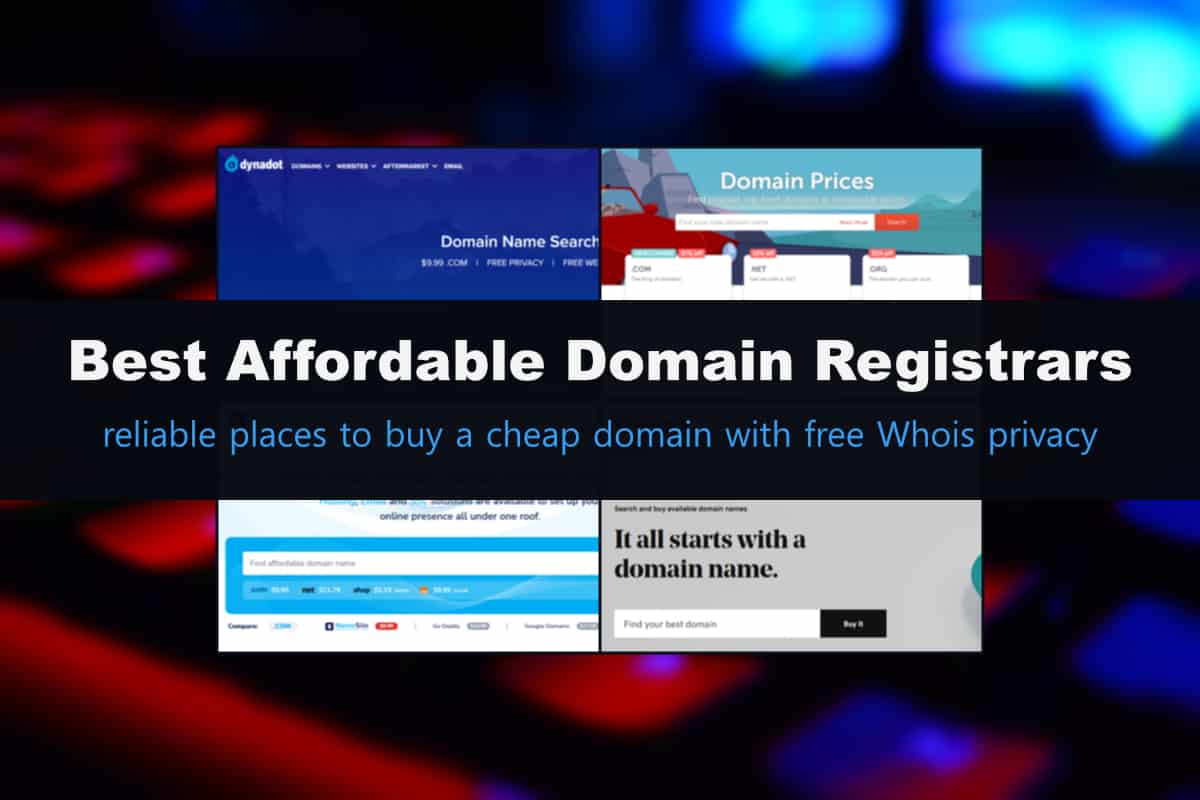
Securing a top-tier domain name requires balancing initial promotional pricing with predictable renewal costs, registration privacy, and transfer protections. Finding the best domain deals means identifying registrars that offer transparent pricing, reliable DNS management, and free extras like WHOIS privacy protection without hiding steep fees in the fine print.
Understanding Domain Deals and Pricing Structures
Navigating the domain aftermarket and registrar promotions requires an understanding of how domain pricing actually functions. When evaluating domain deals, buyers often focus exclusively on the first-year promotional price. However, long-term budgeting requires a careful examination of renewal rates, redemption fees, and transfer-out restrictions. A registrar offering a heavily discounted registration for a popular top-level domain (TLD) might inflate the annual renewal cost significantly after the initial term expires.
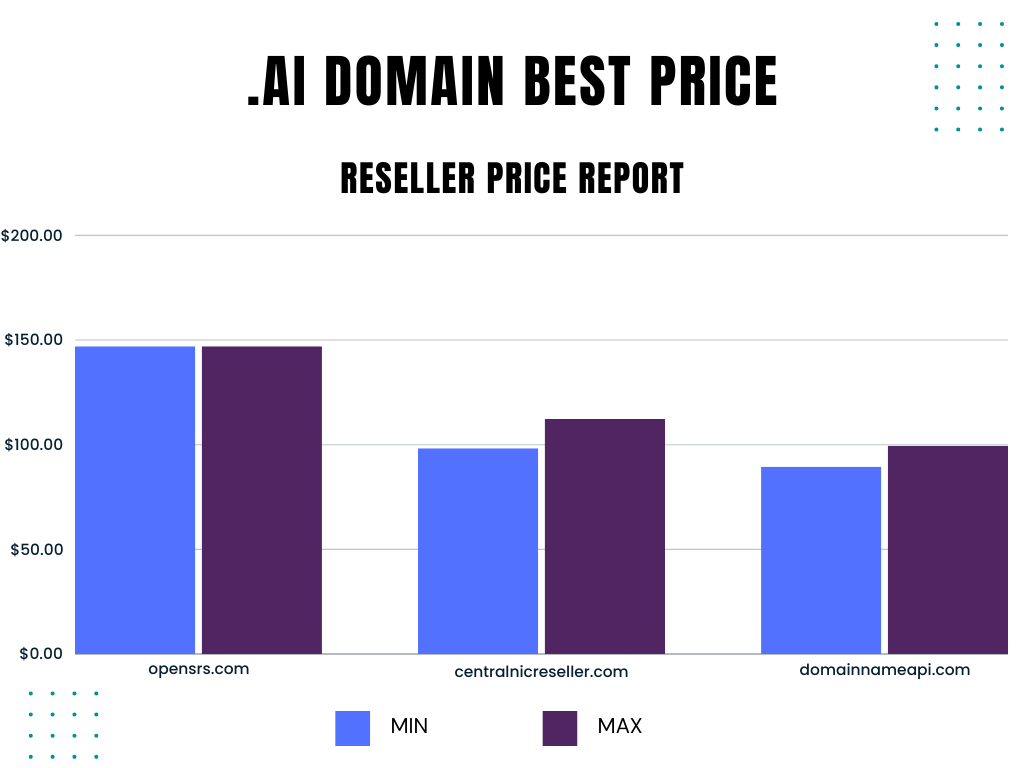
Furthermore, domain pricing is heavily influenced by the specific TLD chosen. While traditional extensions like .com and .net maintain steady, regulated market pricing, newer generic top-level domains (gTLDs) such as .io, .co, .ai, or .tech often come with specialized pricing tiers. Some registries subsidize the first year to attract startups and developers, while others maintain high baseline costs due to perceived market demand or niche targeting. Analyzing the total cost of ownership over a three-to-five-year horizon ensures that an initial bargain does not turn into an unsustainable operational expense.
Criteria for Evaluating Domain Registrars and Deals
When looking for the best domain deals, evaluating the registrar is just as important as evaluating the price of the string itself. A low-cost registrar that lacks basic security features or employs predatory billing practices can jeopardize digital assets. Several critical criteria determine whether a domain deal offers genuine value:
- Transparent Renewal Rates: The registrar must clearly display what the domain will cost upon renewal before the user completes the checkout process.
- Included Privacy Protection: WHOIS and RDAP privacy protection should be included for free, masking the owner's personal contact information from public registries to prevent spam and identity theft.
- DNS Security and Management: Support for DNSSEC (Domain Name System Security Extensions), two-factor authentication (2FA), and reliable nameservers are non-negotiable for site security.
- Transfer Flexibility: Registrars should not lock domains artificially or impose exorbitant fees for transferring the asset to another provider.
- Customer Support Accessibility: Responsive, knowledgeable support teams are essential when technical routing issues or verification holds occur.
Top 5 Domain Deal Categories and Providers
Different registrars cater to different use cases, ranging from ultra-budget bulk registrations to specialized tech extensions and enterprise-grade asset management. Examining the standout value propositions helps align registrar choice with specific project requirements.
1. Namecheap: Best Overall Value and Free Privacy
Namecheap has long maintained a reputation for balancing affordable registration costs with robust user controls. Known primarily for transparent pricing models, Namecheap frequently runs introductory deals on standard TLDs like .com, .net, and .org.
- Key Strengths: Free lifetime WHOIS privacy protection, intuitive DNS management interface, and straightforward domain management tools.
- Renewal Considerations: While promotional rates offer significant savings for the first year, standard renewal rates apply thereafter, which align closely with industry averages without unexpected surcharges.
- Best Suited For: Small business owners, bloggers, and developers looking for a reliable, no-nonsense registrar with strong privacy commitments.
2. Porkbun: Best for Low Upfront and Renewal Transparency
Porkbun has emerged as a favorite within the independent web development community due to its fiercely transparent pricing structure and whimsical branding. They routinely offer some of the lowest combined first-year and renewal rates across a wide variety of standard and alternative extensions.
- Key Strengths: Exceptionally competitive renewal pricing, free SSL certificates for the first year on select services, free WHOIS privacy, and an ad-free, straightforward checkout experience.
- Renewal Considerations: Unlike registrars that rely on steep price hikes, Porkbun maintains flat, predictable pricing that keeps long-term project budgets intact.
- Best Suited For: Budget-conscious creators and agencies managing multiple domains who want to avoid hidden upsells and aggressive marketing pop-ups.
3. Dynadot: Best for Bulk Registrations and Domain Investors
Dynadot caters heavily to domainers, portfolio managers, and high-volume buyers. Their platform provides advanced tools such as marketplace integration, auction platforms, and streamlined bulk search and registration capabilities.
- Key Strengths: Robust bulk management tools, competitive wholesale pricing tiers, integrated aftermarket access, and secure account protection mechanisms including hardware key support.
- Renewal Considerations: Volume discounts often apply to renewals and bulk purchases, making it highly economical for entities holding dozens or hundreds of digital properties.
- Best Suited For: Professional domain investors, web agencies, and enterprises scaling large portfolios of digital assets.
4. Spaceship: Best Newcomer for Modern Cloud Integrations
Launched as a sister company to Namecheap, Spaceship focuses on an ultra-modern, unbundled approach to domain registration and digital services. The platform is built around a unified "spaceship" console designed to connect domains with hosting, emails, and third-party applications seamlessly.
- Key Strengths: Highly competitive introductory pricing, streamlined API access for developers, and a modular architecture that lets users pay only for the exact tools they integrate.
- Renewal Considerations: Transparent matrix outlining standard renewals, though users should monitor promotional tie-ins with auxiliary services.
- Best Suited For: Tech-savvy entrepreneurs, developers, and modern digital agencies seeking API-first infrastructure.
5. Google Domains Successors (Squarespace): Best for Ecosystem Integration
Following the acquisition of Google Domains assets by Squarespace, users seeking streamlined management tied directly to website builders and enterprise-grade DNS infrastructure found a new home. While not a traditional deep-discount registrar, the platform provides unmatched reliability backed by Google's underlying cloud infrastructure.
- Key Strengths: Highly stable DNS infrastructure, seamless integration with major hosting and site-building platforms, and simple, transparent flat-rate pricing without multi-tier gimmicks.
- Renewal Considerations: Pricing tends to be standard retail rather than deep promotional discount, prioritizing stability and ease of management over upfront bargains.
- Best Suited For: Business owners who prioritize rock-solid reliability, simple billing, and direct integration with comprehensive site-building solutions.
Comprehensive Registrar Comparison
| Registrar | Primary Strength | Free WHOIS Privacy | Pricing Transparency | Best For |
|---|---|---|---|---|
| Namecheap | Overall value & ecosystem | Yes | High | General bloggers & small businesses |
| Porkbun | Low renewal rates & UX | Yes | Very High | Budget-conscious creators & agencies |
| Dynadot | Bulk management & aftermarket | Yes | High | Domain investors & heavy volume users |
| Spaceship | Modern API & modular tools | Yes | High | Developers & tech-forward startups |
| Squarespace | Infrastructure stability | Yes | Moderate-High | Ecosystem integration & site builders |
Common Domain Registration Pitfalls to Avoid
Securing a great domain deal requires vigilance against common industry traps. Falling for initial marketing promotions without reading the fine print can lead to unexpected financial and technical complications down the road.
- Hidden Renewal Hikes: Always check the non-promotional renewal price before purchasing a domain advertised at a deep discount, such as $0.99 for the first year.
- Registrar Lock-In and Transfer Fees: Some predatory registrars impose artificial restrictions or high fees when a user attempts to transfer their domain to a competitor. Verify transfer-out policies prior to registration.
- Unbundled Add-Ons: Watch out for pre-checked boxes during checkout that add expensive email hosting, SEO packages, or overpriced SSL certificates to your cart automatically.
- Neglecting Auto-Renewal Settings: Forgetting to enable auto-renewal or failing to update an expired credit card can cause a domain to lapse into a costly redemption grace period.
Troubleshooting Domain Deals and Transfers
When purchasing or transferring a discounted domain, users occasionally encounter technical hurdles. Understanding how to resolve these common issues ensures a smooth transition and protects ownership rights.
- Transfer Lock Status: If a domain transfer is rejected, verify that the domain is unlocked at the current registrar and that the Transfer Authorization Code (EPP code) was entered correctly. ICANN regulations prevent domain transfers within 60 days of initial registration or a previous transfer.
- WHOIS Verification Holds: Registries frequently place a temporary hold on new registrations if the contact email address is unverified. Check your inbox immediately after purchase to complete ICANN verification and prevent suspension.
- DNS Propagation Delays: After pointing a newly registered domain to a hosting provider or custom nameservers, allow anywhere from 2 to 24 hours for global DNS propagation to settle across internet service providers.
Next Actions for Securing Your Domain
To capitalize on the best domain deals effectively, begin by confirming the availability of your exact desired string using a reliable lookup tool. Compare the initial promotional cost against the long-term renewal rate across trusted registrars like Namecheap or Porkbun. Ensure that free WHOIS privacy is included, complete your registration securely using multi-factor authentication, and configure your DNS settings promptly to initiate your web project with a solid foundation.