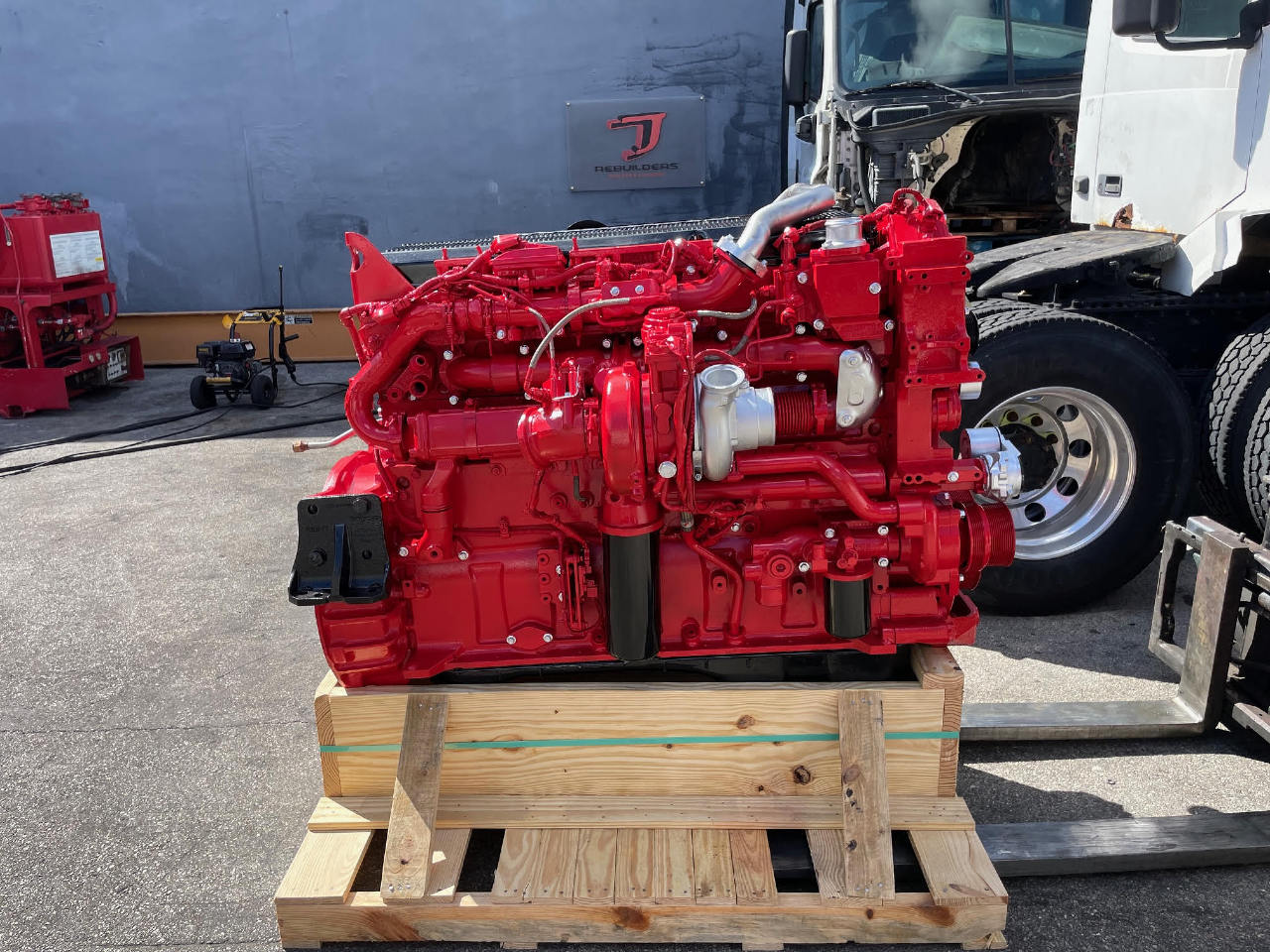
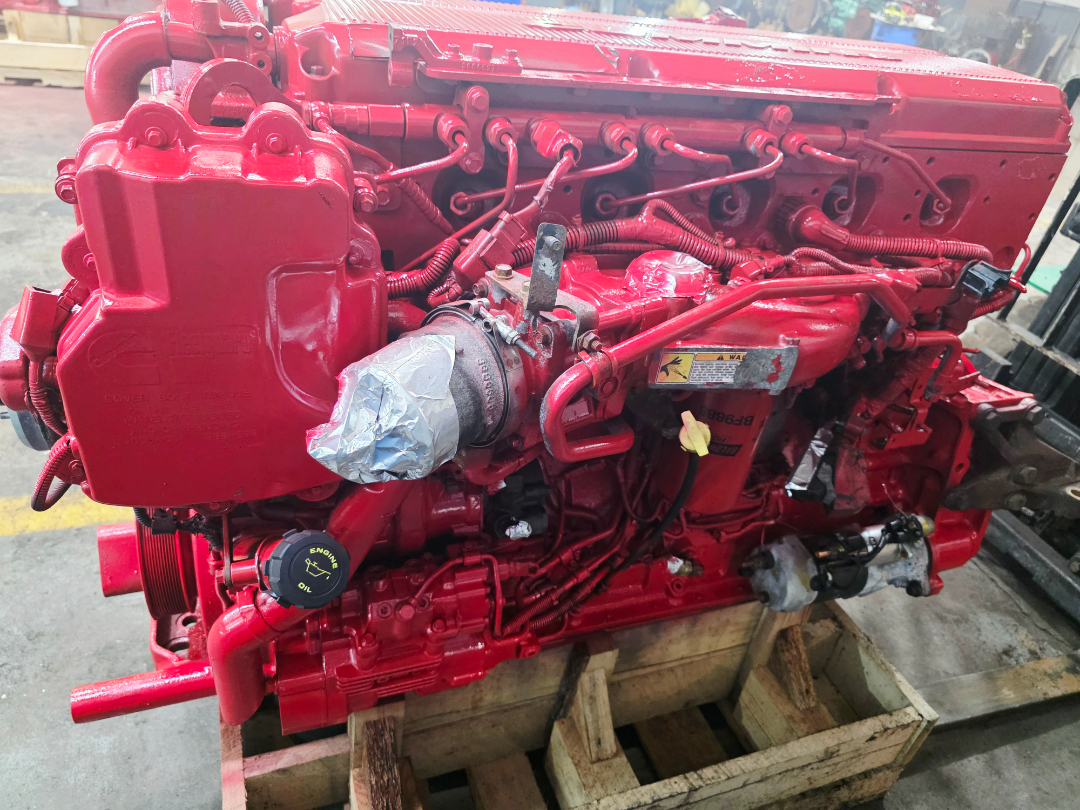
The Cummins ISX15 heavy-duty diesel engine requires a standard lubricating oil capacity of approximately 45.4 liters (12 US gallons), which includes the engine pan and the oil filters. Maintaining this precise volume is critical for optimal lubrication, thermal regulation, and overall performance in commercial trucking applications.
Introduction to Cummins ISX15 Lubrication Systems
The Cummins ISX15 engine is one of the most widely deployed heavy-duty diesel powerplants in North America, utilized extensively in long-haul semi-trucks, heavy vocational vehicles, and specialized equipment. Because these engines operate under extreme loads, high temperatures, and continuous duty cycles, their lubrication systems must be engineered with absolute precision. Understanding the fluid requirements—most notably the standard 45.4 L oil capacity for Cummins ISX15 engines—is essential for fleet managers, independent owner-operators, and diesel technicians alike.
While 45.4 liters (equivalent to 12 US gallons) serves as the standard factory fill specification for a typical standard oil pan configuration, variations can occur depending on the specific vocational application, aftermarket oil pan replacements, and auxiliary filtration setups. Properly managing this volume protects vital internal components, extends the service life of the engine, and prevents costly failures related to oil starvation or thermal breakdown. This comprehensive guide explores the specifications, maintenance protocols, filter configurations, common pitfalls, and best practices associated with the ISX15 lubrication system.
Detailed Breakdown of the ISX15 Oil Capacity Specifications
When servicing a Cummins ISX15, relying on estimations or generic fluid charts can lead to severe engine damage. The lubrication circuit must be filled to the exact manufacturer specification to ensure that internal pressures remain stable and all moving parts receive continuous lubrication.
Standard Pan vs. Vocational Variations
The nominal capacity of 45.4 liters accounts for the engine crankcase paired with a standard-depth oil pan and factory-specified full-flow and bypass oil filters. However, heavy-duty vocational trucks—such as dump trucks, logging rigs, and oilfield services vehicles—frequently utilize different chassis configurations. These setups may feature specialized oil pans designed for ground clearance or extended operating angles.
- Standard Highway Long-Haul Pan: Typically holds a total of 45.4 L (12 gallons) including filters.
- Deep-Sump or Vocational Pans: May exceed 45.4 L, sometimes requiring up to 49 or 53 liters (13 to 14 gallons) depending on the custom fabrication and application requirements.
- Low-Profile Pans: Occasionally found in specialized chassis designs, holding a slightly reduced volume that requires careful dipstick calibration to avoid overfilling.
The Role of Oil Filters in Total Capacity
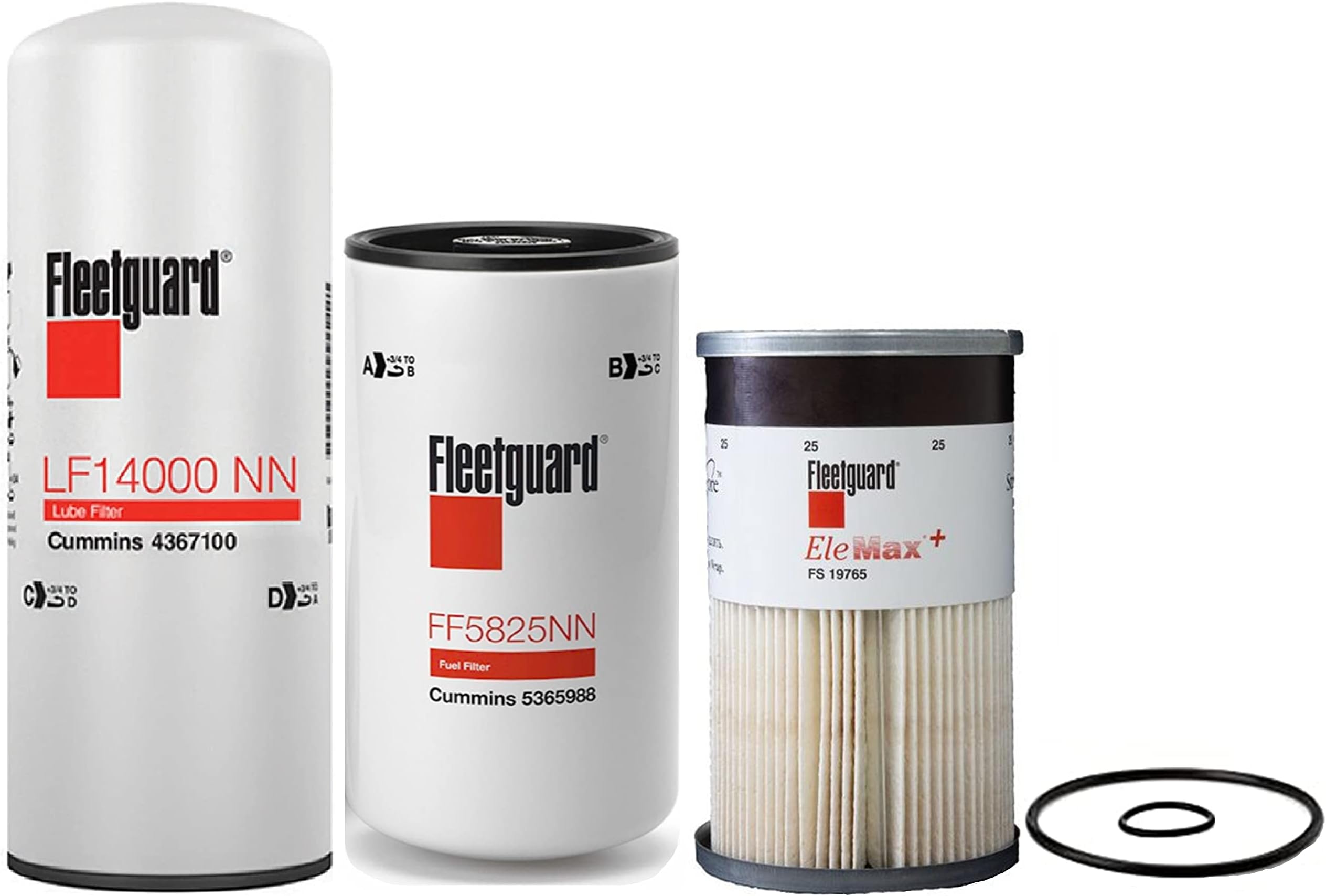
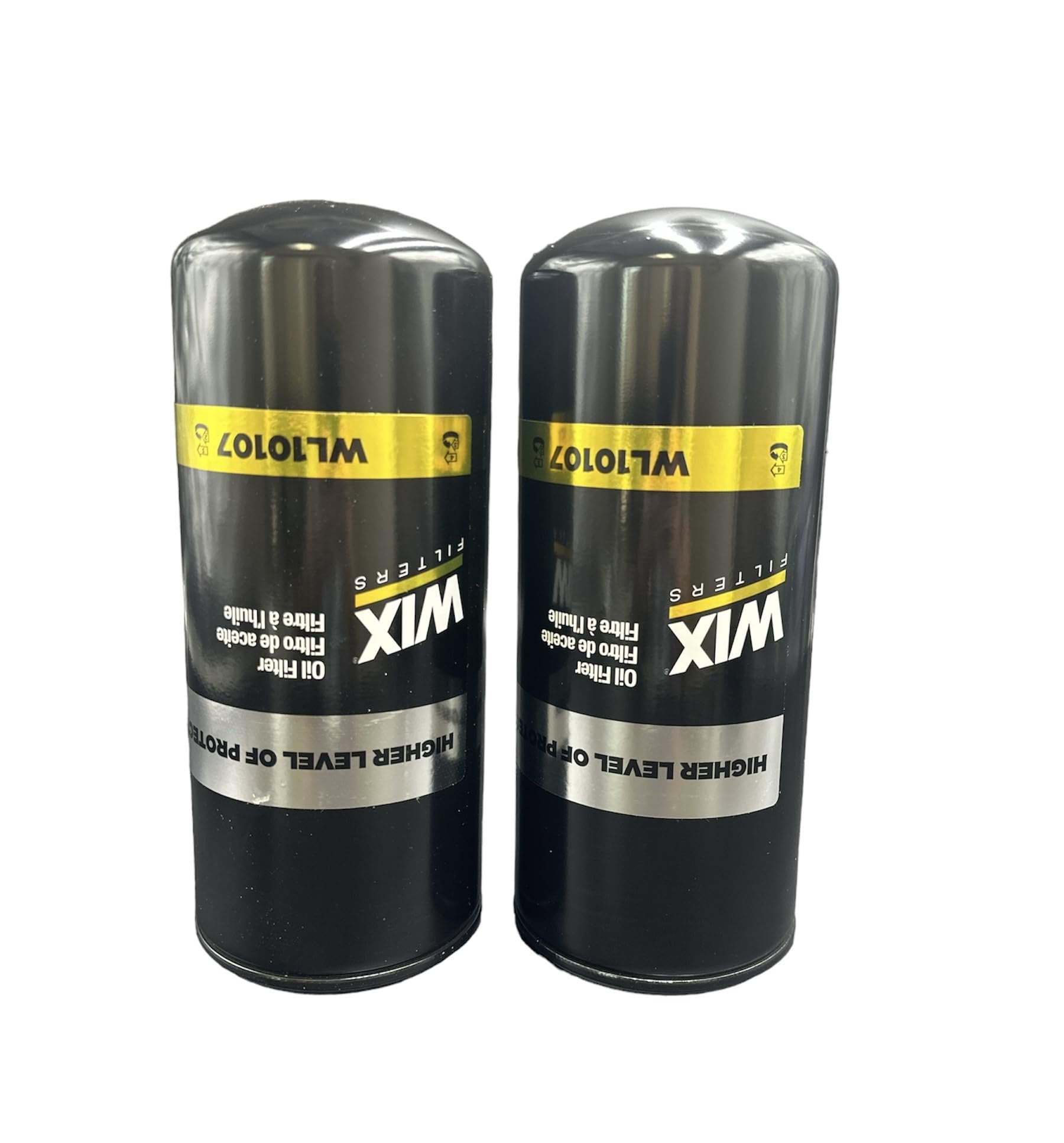
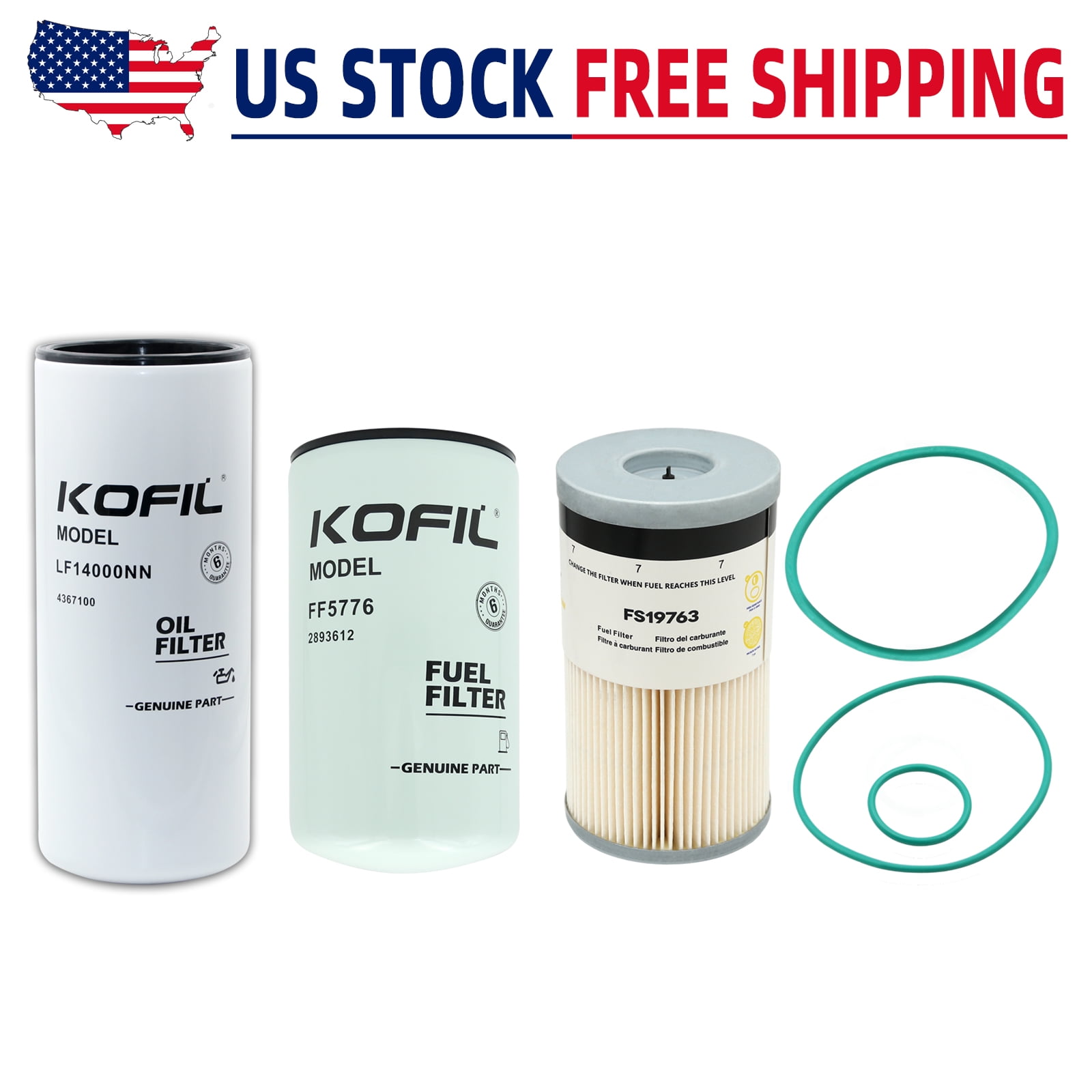
A significant portion of the total fluid volume resides within the filtration system during operation. The Cummins ISX15 utilizes a dual-filter setup consisting of a primary full-flow oil filter and a secondary combination or bypass filter (depending on the specific emission tier, such as EPA 2010, EGR, or XPI fuel system iterations).
When performing a routine oil change, these filters must be pre-filled with clean oil prior to installation to prevent dry-start conditions. Neglecting to account for the fluid absorbed by dry replacement filters can result in an underfilled condition immediately after startup, triggering low oil pressure warnings until the system primes fully.
Cummins ISX15 Oil Capacity and System Specifications Matrix
| Parameter | Technical Specification | Notes / Operational Context |
|---|---|---|
| Standard Total Capacity | 45.4 Liters (12.0 US Gallons) | Includes standard oil pan and new filters. |
| Recommended Viscosity | SAE 15W-40 or 10W-30 | Dependent on ambient operating temperatures and OEM approval. |
| Performance Standard | CES 20081 / CES 20086 | Cummins Engineering Standard for ash content and oil chemistry. |
| Standard Oil Filter Type | Full-Flow Spin-On | Removes particulate debris from the main oil gallery feed. |
| Bypass Oil Filter Type | Micro-Filtration Spin-On | Captures sub-micron soot particles to extend drain intervals. |
| Normal Operating Pressure | 30–50 PSI (at rated RPM) | Varies based on oil temperature and engine wear. |
Oil Selection and Performance Standards for the ISX15
Knowing the correct fluid volume is only half the equation; selecting the proper oil formulation is equally vital for the longevity of a Cummins ISX15. Modern heavy-duty diesel engines operate under stringent emissions regulations, utilizing Exhaust Gas Recirculation (EGR), Diesel Particulate Filters (DPF), and Selective Catalytic Reduction (SCR). These systems dictate specific chemical thresholds for engine oil, particularly regarding sulfated ash, phosphorus, and sulfur (often referred to as low-ash or Mid-SAPS oils).
Cummins Engineering Standards (CES)
Cummins mandates the use of oils that meet specific corporate engineering standards. For the ISX15, oils carrying the CES 20081 specification (traditionally conventional or synthetic-blend 15W-40) or the newer CES 20086 specification (often associated with fuel-efficient 10W-30 synthetic formulations) are required.
Using oils that do not meet these standards can lead to rapid DPF plugging, increased valve train wear, and premature deposit formation on piston rings. Synthetic oils are frequently recommended for operations in extreme cold-weather environments to ensure rapid pumpability during startup, whereas quality conventional mineral oils remain common in standard over-the-road fleets adhering to traditional drain intervals.
Viscosity Grades and Climate Considerations
- SAE 15W-40: The traditional industry standard for temperate and warm climates, providing a thick protective oil film under high operating temperatures.
- SAE 10W-30: Increasingly adopted by fleets seeking improved fuel economy. Modern advanced synthetic 10W-30 formulations offer identical high-temperature shear protection while reducing parasitic drag during cold starts.
Step-by-Step Procedure for Servicing the ISX15 Lubrication System
Executing a proper oil and filter change on an ISX15 requires adherence to safe shop practices, environmental regulations, and precise mechanical steps.
1. Preparation and Safety
Park the vehicle on a level surface, set the parking brakes, chock the wheels, and allow the engine to cool down sufficiently to prevent severe burns from hot oil and exhaust components. Place a high-capacity drain pan (capable of holding well over 50 liters) beneath the oil pan drain plug.
2. Draining the Old Fluid
Locate the oil pan drain plug and remove it slowly, allowing the old oil to empty completely into the collection container. Inspect the magnetic drain plug for any metallic debris, shimmering flakes, or chunks, which serve as early warning signs of internal component wear (such as bearings or gear trains).
3. Replacing the Filters
Remove the old full-flow and bypass oil filters using an appropriate filter wrench. Clean the mounting filter heads thoroughly to ensure the old rubber gaskets do not remain stuck to the mounting surface (double-gasketing will cause catastrophic oil blowouts). Smear a thin layer of clean engine oil onto the rubber gaskets of the new filters, and pre-fill them if possible to minimize dry-start duration. Spin the new filters on until they seat snugly, then turn them an additional targeted fraction as specified by the manufacturer guidelines.
4. Refilling and Verification
Reinstall the drain plug with a new crush washer or O-ring, torquing it to the correct specification. Remove the engine oil fill cap on the valve cover and carefully add the required 45.4 L oil capacity for Cummins ISX15 engines using a clean transfer pump or funnel system. Start the engine and idle it while checking meticulously around the drain plug and filter housing for any signs of leakage. Monitor the dash gauge to ensure oil pressure rises promptly into the normal operating range. Shut down the engine, wait 10 to 15 minutes for oil to drain back into the pan, and verify the fluid level using the dipstick, adding small amounts if necessary to bring it precisely to the full mark.
Common Mistakes and Troubleshooting Low Oil Pressure
Even experienced technicians occasionally encounter issues related to ISX15 lubrication maintenance. Recognizing and avoiding common errors prevents catastrophic engine damage.
Overfilling vs. Underfilling
- Underfilling: Failing to add the full 45.4 liters (such as forgetting to account for dry filters) starves the upper valve train and turbocharger bearings of oil during initial startup. Over time, chronic low oil levels increase thermal stress and degrade the remaining oil at an accelerated rate.
- Overfilling: Pumping excessive oil past the maximum dipstick mark causes the rotating crankshaft counterweights to whip the oil into a froth. This aeration reduces the hydraulic effectiveness of the fluid, lowers oil pressure, forces oil past seals, and can cause excessive oil consumption or push oil into the breather and DPF system.
Diagnosing Pressure Anomalies
If oil pressure fluctuates wildly or remains below normal operating thresholds after an oil change, check the following items immediately:
- Verify that the correct oil viscosity was installed.
- Ensure the oil filter bypass valves are functioning correctly and filters are tightened properly.
- Confirm that the oil level on the dipstick is accurate (a stuck dipstick tube can give false readings).
- Test the mechanical oil pressure sending unit with a manual analog gauge to rule out electrical sensor failure.
Frequently Asked Questions
Does the 45.4 L capacity include changing the oil filters?
Yes, the standard 45.4-liter (12 US gallon) specification accounts for both the engine crankcase fluid volume and the contents of the standard primary and secondary oil filters. If you are changing the oil without replacing the filters (though not recommended), slightly less oil will be required to reach the full mark on the dipstick.
Can I use standard conventional oil in a Cummins ISX15?
You can use conventional oil provided it strictly meets the Cummins Engineering Standard (CES 20081) required for your specific engine model year. However, many modern fleets transition to synthetic or synthetic-blend formulations to extend drain intervals and improve cold-weather performance.
What happens if I accidentally overfill my ISX15 with oil?
Overfilling can cause oil aeration, where the crankshaft whips air into the fluid, resulting in reduced lubrication efficiency and low oil pressure warnings. If you have overfilled the engine significantly, drain a portion of the oil until the level rests precisely at the full mark on the dipstick.
How often should the oil and filters be changed on an ISX15?
Drain intervals vary drastically based on the duty cycle, fuel burn rate, and operating environment. Long-haul highway trucks often run between 25,000 to 50,000 miles between changes when using high-quality synthetic oils and oil analysis monitoring, whereas severe-duty or vocational trucks require much shorter intervals.
Why is my oil pressure dropping as the engine warms up?
It is normal for oil pressure to drop slightly as engine oil reaches operating temperature and thins out. However, if pressure drops below acceptable idle specifications (typically around 15–20 PSI at low idle), it may indicate fuel dilution in the oil, worn main bearings, a failing oil pump, or an incorrect oil viscosity grade.
Conclusion and Next Actions
Maintaining the correct 45.4 l oil capacity for cummins isx15 engines is a fundamental responsibility for anyone operating or servicing commercial equipment powered by this platform. Always verify your specific vocational oil pan configuration, use oils that meet stringent Cummins standards, pre-fill your filters, and perform accurate dipstick checks after every service. For fleet managers and technicians seeking ultimate reliability, pair regular fluid changes with systematic used oil analysis (UOA) to track wear metals, soot loading, and additive depletion, ensuring maximum uptime and engine longevity.