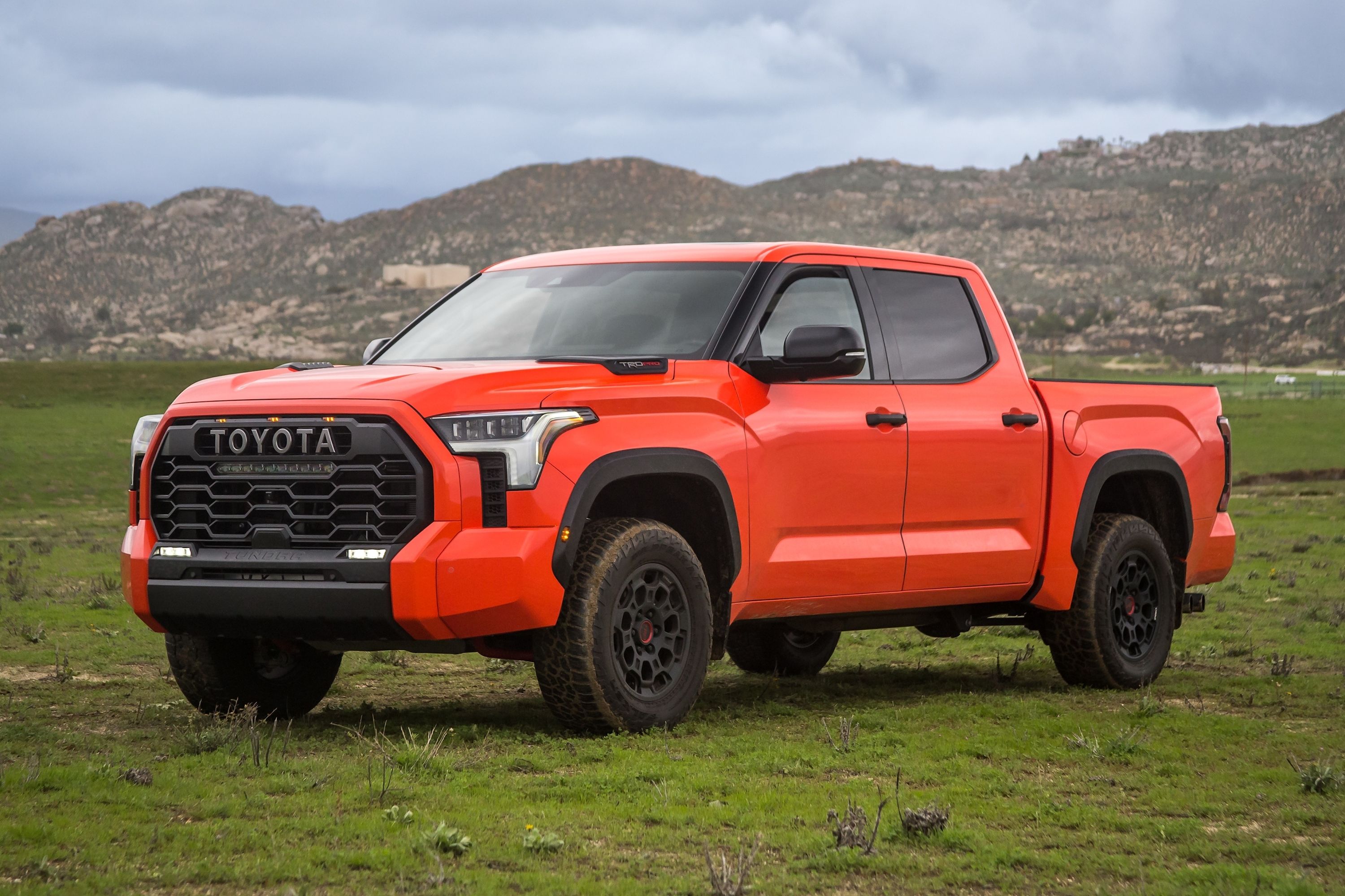
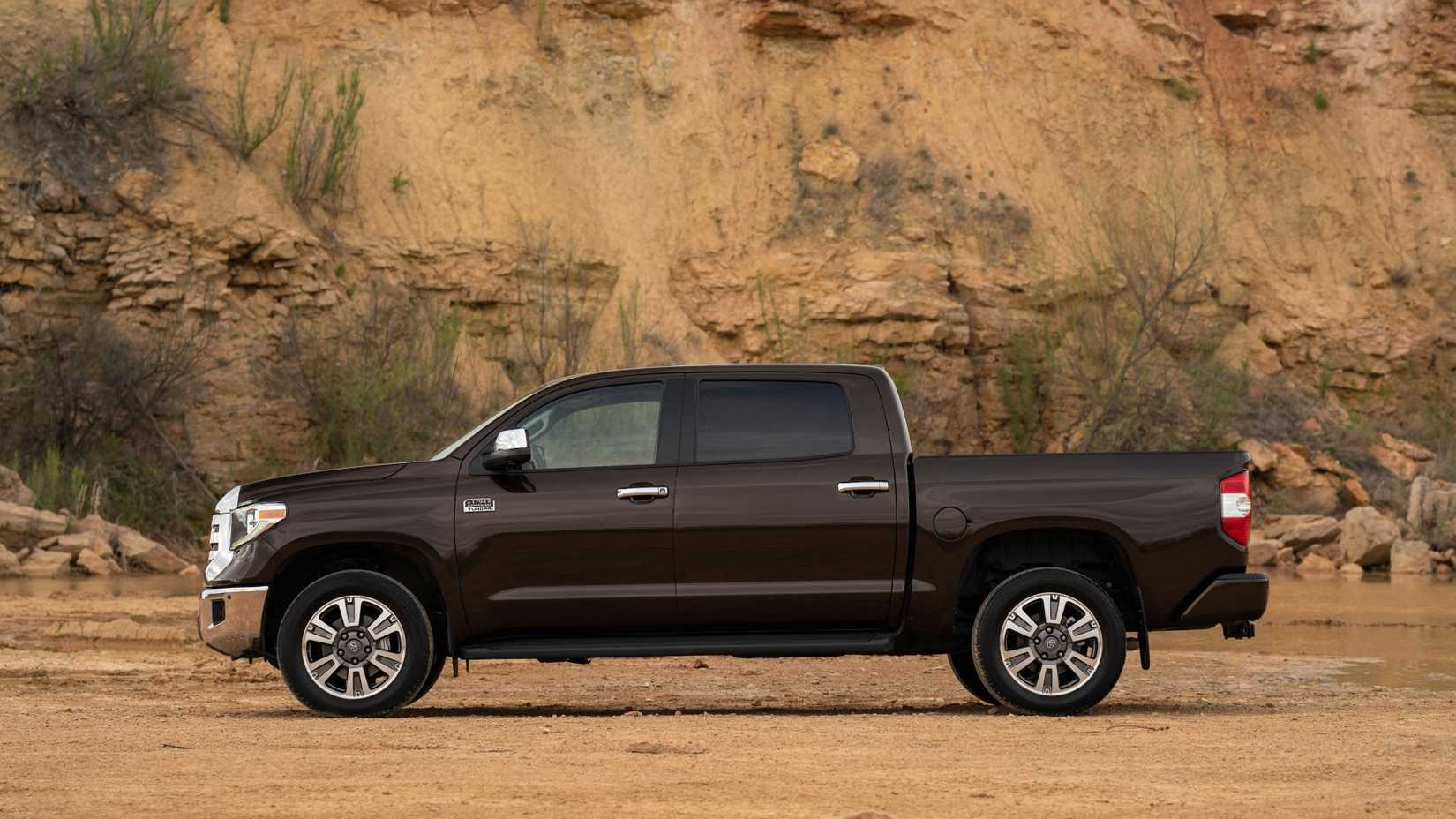
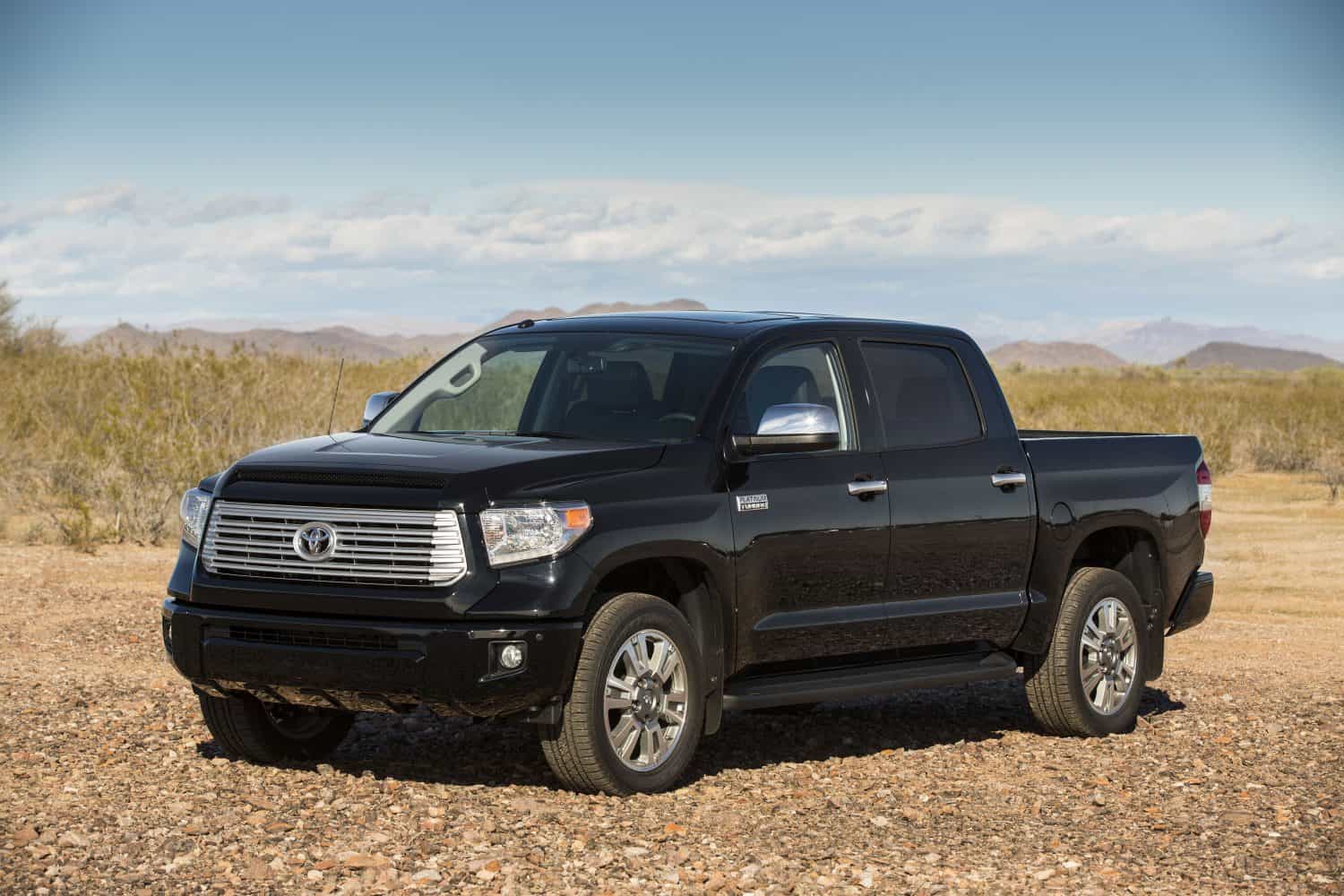
The 2020 Toyota Tundra maintains a stellar reputation for mechanical durability, anchored by its time-tested 5.7-liter V8 engine and six-speed automatic transmission. While its aging platform results in lower fuel economy and fewer modern cabin tech features compared to domestic rivals, its robust frame, minimal electronic complexity, and enduring resale value make it one of the most dependable full-size pickup trucks on the used market.
When evaluating a used full-size pickup truck, buyers often weigh the flashy technology and high towing capacities of modern alternatives against the peace of mind that comes with proven, long-term dependability. The 2020 Toyota Tundra occupies a unique space in automotive history. It represents the final era of Toyota’s traditional, naturally aspirated V8 heavy-duty engineering before the shift toward twin-turbocharged V6 engines and complex hybrid architectures.
Understanding the true character of the 2020 Toyota Tundra requires looking past marketing claims and examining real-world owner experiences, mechanical specifications, common wear points, and maintenance requirements. This comprehensive review analyzes every dimension of the 2020 Tundra’s reliability to help prospective buyers, fleet managers, and truck enthusiasts make an informed decision.
The Evolutionary Context of the 2020 Model Year
By the time 2020 arrived, the second-generation Toyota Tundra—which debuted in its core architectural form back for the 2007 model year—was well into its lifecycle maturity. In the automotive industry, vehicle reliability often follows an inverse curve relative to new technology introductions. Brand-new generations frequently suffer from electronic glitches, transmission teething issues, and unrefined powertrain components. Conversely, a vehicle produced in its thirteenth model year has typically undergone dozens of silent running changes, part revisions, and manufacturing optimizations to eliminate factory defects.
For the 2020 model year, Toyota implemented several crucial updates that improved usability without radically altering the bulletproof mechanical core. Most notably, the outdated Entune infotainment system was finally replaced with a modern 7-inch or 8-inch touchscreen interface supporting Apple CarPlay, Android Auto, and Amazon Alexa. Mechanically, the older 4.6-liter V8 engine was dropped from the lineup entirely, making the legendary 5.7-liter 3UR-FE V8 standard equipment across all trim levels, paired exclusively with a robust 6-speed sequential shift automatic transmission. Smart Key push-button start also became standard across a wider array of trims, smoothing out daily operational quirks.
Powertrain Durability: The 5.7L V8 and 6-Speed Transmission
The crown jewel of the 2020 Toyota Tundra’s reliability profile is its powertrain. In an era dominated by heavily stressed, small-displacement turbocharged engines designed primarily to pass stringent fleet emissions standards, the Tundra’s 5.7-liter naturally aspirated V8 is a throwback to an era of unyielding mechanical over-engineering.
The 3UR-FE Engine Architecture
Displacing 5,663 cc, the aluminum block and aluminum cylinder head V8 features dual independent Variable Valve Timing with intelligence (VVT-i). Toyota engineered this engine with forged steel connecting rods, a fully balanced forged crankshaft, and a heavy-duty timing chain system designed to last the life of the vehicle. Because there are no turbochargers operating under extreme heat and pressure, thermal stress on the internal components is significantly reduced.
Owner data and independent mechanic evaluations consistently show that proper maintenance—primarily regular synthetic oil changes every 5,000 to 10,000 miles—allows this engine to easily surpass 250,000 to 300,000 miles without requiring major internal mechanical work. Head gasket failures, piston ring issues, and oil consumption anomalies are statistically rare on this engine platform compared to contemporary domestic and European V8 alternatives.
The AB60F 6-Speed Automatic Transmission
Mated to the 5.7L V8 is the 6-speed automatic transmission, a unit known for its heavy-duty planetary gearsets and robust torque converter design. While modern trucks have transitioned to 8, 10, or even 15-speed transmissions to eke out fractional efficiency gains, the 6-speed in the 2020 Tundra prioritizes mechanical simplicity and heat management. Fewer gear shifts under heavy towing loads translate directly to reduced internal clutch wear and lower fluid temperatures.
While the transmission is largely bulletproof, proactive owners should note that Toyota designates the factory fluid as "lifetime," though professional mechanics strongly recommend performing fluid drain-and-fill services every 60,000 to 90,000 miles, especially for vehicles used frequently for towing or off-road trail driving.
Chassis, Suspension, and Frame Integrity
A truck is only as reliable as its foundation. The 2020 Toyota Tundra utilizes a triple-zone frame structure that combines high-strength steel in high-stress areas with fully boxed front sections and open C-channel rear sections.
Rust Prevention and Frame Inspection
Historically, early-generation Tundras (2000–2006) faced well-documented corporate recalls regarding frame corrosion. Toyota addressed these metallurgy and coating vulnerabilities aggressively in subsequent generations. The 2020 Tundra features factory-applied anti-corrosion coatings and improved drainage channels within the frame box rails.
However, prospective buyers living in the northern "rust belt" states where municipal road salts are heavily utilized during winter months must still perform a thorough undercarriage inspection. Surface rust on exhaust hangers and suspension leaf springs is normal, but structural flaking or deep oxidation on the primary frame rails warrants caution. Applying an annual lanolin-based or oil-based rust inhibitor (such as Fluid Film or WoolWax) is an essential best practice for preserving long-term frame integrity in harsh winter climates.
Suspension Components and Wear Items
The front suspension features an independent double-wishbone setup with coil springs and gas-filled shock absorbers, while the rear utilizes a traditional solid axle with staggered outboard-mounted leaf springs. This setup is inherently rugged, prioritizing payload capacity and structural simplicity over luxury-car ride compliance.
Common suspension wear items to monitor on a 2020 Tundra include:
- Front Lower Ball Joints and Control Arm Bushings: While vastly improved over older Toyota models, heavy off-road use or large aftermarket wheel/tire packages will accelerate rubber bushing degradation around 80,000 to 100,000 miles.
- OEM Shock Absorbers: Factory shocks typically begin to lose their damping efficiency between 60,000 and 80,000 miles, resulting in a slightly floaty highway ride that is easily corrected with aftermarket replacements like Bilstein or Old Man Emu units.
- Leaf Spring Insulators: Squeaking from the rear leaf springs in wet or dusty weather is a minor, non-structural annoyance easily resolved by lubricating the anti-friction pads between the leaves.
Electronics, Interior Build Quality, and Safety Systems
While mechanical reliability is paramount for a work truck, modern vehicle ownership is heavily influenced by electrical and cabin component dependability. The 2020 model year marked a significant turning point because it resolved the severe complaints leveled against older, sluggish infotainment units.
Infotainment and Cabin Electronics
The inclusion of a responsive touchscreen interface with native Apple CarPlay and Android Auto integration eliminated the frustrating Bluetooth connectivity drops and navigational lag plaguing 2014–2019 models. The physical buttons and rotary dials for climate control and audio volume use tactile, heavy-duty switches designed to withstand harsh work environments, exposure to dust, and frequent use with heavy work gloves. Power window motors, seat actuators, and steering wheel controls exhibit exceptionally low failure rates across owner forums and fleet databases.
Toyota Safety Sense P (TSS-P)
Standard equipment on the 2020 Tundra includes the Toyota Safety Sense P suite, which incorporates:
- Pre-Collision System with Pedestrian Detection
- Lane Departure Alert with Sway Warning System
- Dynamic Radar Cruise Control (DRCC)
- Automatic High Beams
Unlike some early-generation driver-assistance suites from competing manufacturers that suffered from frequent sensor blindness in light snow or heavy rain, the millimeter-wave radar behind the Toyota badge and the windshield-mounted camera in the 2020 Tundra are robustly sealed and rarely require recalibration unless the front windshield or bumper has been physically impacted during a collision.
Common Issues, Recalls, and Known Quirks
No vehicle is completely immune to mechanical or design flaws. Being an informed buyer means understanding the known issues associated with the 2020 Toyota Tundra so you can inspect for them during a pre-purchase evaluation.
| Component / System | Issue Description | Severity | Recommended Action / Resolution |
|---|---|---|---|
| Fuel Pump Recall | Low-pressure fuel pumps can fail internally, causing engine stalling or no-start conditions. | Moderate (Safety Recall) | Verify via VIN lookup that Toyota Safety Recall campaign has been completed by an authorized dealer. |
| Tailgate Mechanism | Plastic clips and internal linkages in the locking tailgate can seize or break under heavy dirt/dust accumulation. | Minor | Clean and lubricate internal latch rods annually; replace broken clips with updated OEM or reinforced aftermarket parts. |
| Secondary Air Injection | In freezing moisture conditions, secondary air switching valves can occasionally stick, triggering a limp mode. | Low | Rare on 2020 models compared to older versions, but check for stored diagnostic trouble codes (DTCs) in cold climates. |
| Brake Rotor Warping | Heavy towing without proper trailer brake integration can cause thermal warping on front brake rotors. | Moderate | Upgrade to heavy-duty slotted rotors and ceramic pads if towing near maximum capacity frequently. |
Fuel Economy and Operational Costs
Reliability must be balanced against operating costs. The primary trade-off for the bulletproof durability of the 2020 Toyota Tundra’s 5.7L V8 powertrain is its fuel economy.
Officially rated by the EPA at approximately 13 mpg city, 17 mpg highway, and 14–15 mpg combined for four-wheel-drive models, the Tundra is undeniably thirsty compared to turbocharged V6 and diesel competitors from Ford, Ram, and General Motors. Real-world fuel economy drops further when towing heavy loads or utilizing aggressive all-terrain tires.
However, lower fuel economy is frequently offset by lower overall maintenance and repair expenditures. Because the Tundra lacks complex particulate filters (DPFs), intricate urea injection systems (DEF) found on diesels, or fragile turbocharger assemblies, routine service is straightforward and inexpensive. Basic oil changes, spark plug replacements (recommended every 60,000 miles), and fluid services can easily be performed by DIY owners or independent service shops without requiring proprietary factory diagnostic computers.
Summary Table: 2020 Tundra Reliability vs. Key Competitors
| Metric / Category | 2020 Toyota Tundra (5.7L V8) | Contemporary Competitors (Ford F-150 / Ram 1500) |
|---|---|---|
| Powertrain Simplicity | High (Naturally Aspirated V8, Port Injection) | Low to Moderate (EcoBoost Turbos, Mild Hybrids, HEMI) |
| Long-Term Engine Life Expectancy | Exceptional (Frequently exceeds 250k+ miles) | Variable (Dependent on turbo maintenance and cooling efficiency) |
| Electrical System Stability | High (Conservative, proven switchgear) | Moderate (Frequent software updates, screen glitches) |
| Fuel Economy | Below Average (13/17 mpg EPA) | Above Average (EcoBoost / Hybrid options yield 20+ mpg) |
| Resale Value Retention | Exceptionally High | Moderate to High |
Frequently Asked Questions
Is the 2020 Toyota Tundra reliable for high-mileage commuting?
Yes. The 5.7L V8 engine and 6-speed transmission are capable of easily exceeding 200,000 miles with routine maintenance. Its mechanical design prioritizes longevity over bleeding-edge efficiency, making it an excellent choice for drivers who prioritize mechanical dependability above all else.
What are the most common mechanical problems with the 2020 Tundra?
The 2020 Tundra has very few chronic mechanical issues. The most significant official service campaign was a national safety recall to replace low-pressure fuel pumps. Beyond that, owners occasionally note premature front brake rotor wear under heavy towing conditions and minor wear on suspension rubber bushings.
Does the 2020 Toyota Tundra hold its resale value well?
The Tundra consistently ranks among the highest in residual and resale value within the full-size truck segment. Because buyers recognize the mechanical durability of the final naturally aspirated V8 models, used pricing remains remarkably stable compared to domestic competitors.
How often should I change the transmission fluid on a 2020 Tundra?
While Toyota labeled the factory fluid as "lifetime," professional mechanics and seasoned truck owners strongly recommend performing a fluid drain-and-fill service every 60,000 to 90,000 miles, particularly if the vehicle is regularly used for towing trailers or operating in dusty off-road environments.
How does the 2020 Tundra compare to the newer 2022+ twin-turbo V6 models in reliability?
The 2020 model represents the pinnacle of the proven, older mechanical generation. While the newer twin-turbo V6 models offer substantially better fuel economy and modern interior amenities, they carry the early-production complexity and teething risks common to newly redesigned vehicle platforms, whereas the 2020 model’s quirks are fully understood and documented.
Final Recommendation and Next Actions
For buyers seeking a full-size pickup truck where mechanical failure is an absolute rarity, the 2020 Toyota Tundra stands out as a premier choice. While it consumes more fuel and lacks the cutting-edge ride plushness of newer competitors, its mechanical fortitude is unmatched.
When shopping for a used 2020 Tundra, always request a comprehensive vehicle history report, verify that all open safety recalls (such as the fuel pump replacement) have been completed at a certified dealership, and perform a thorough undercarriage inspection for frame rust if the vehicle originated in northern salt-belt states. Pairing this inspection with a pre-purchase mechanical check by an independent technician ensures you secure a reliable workhorse built to last for decades.