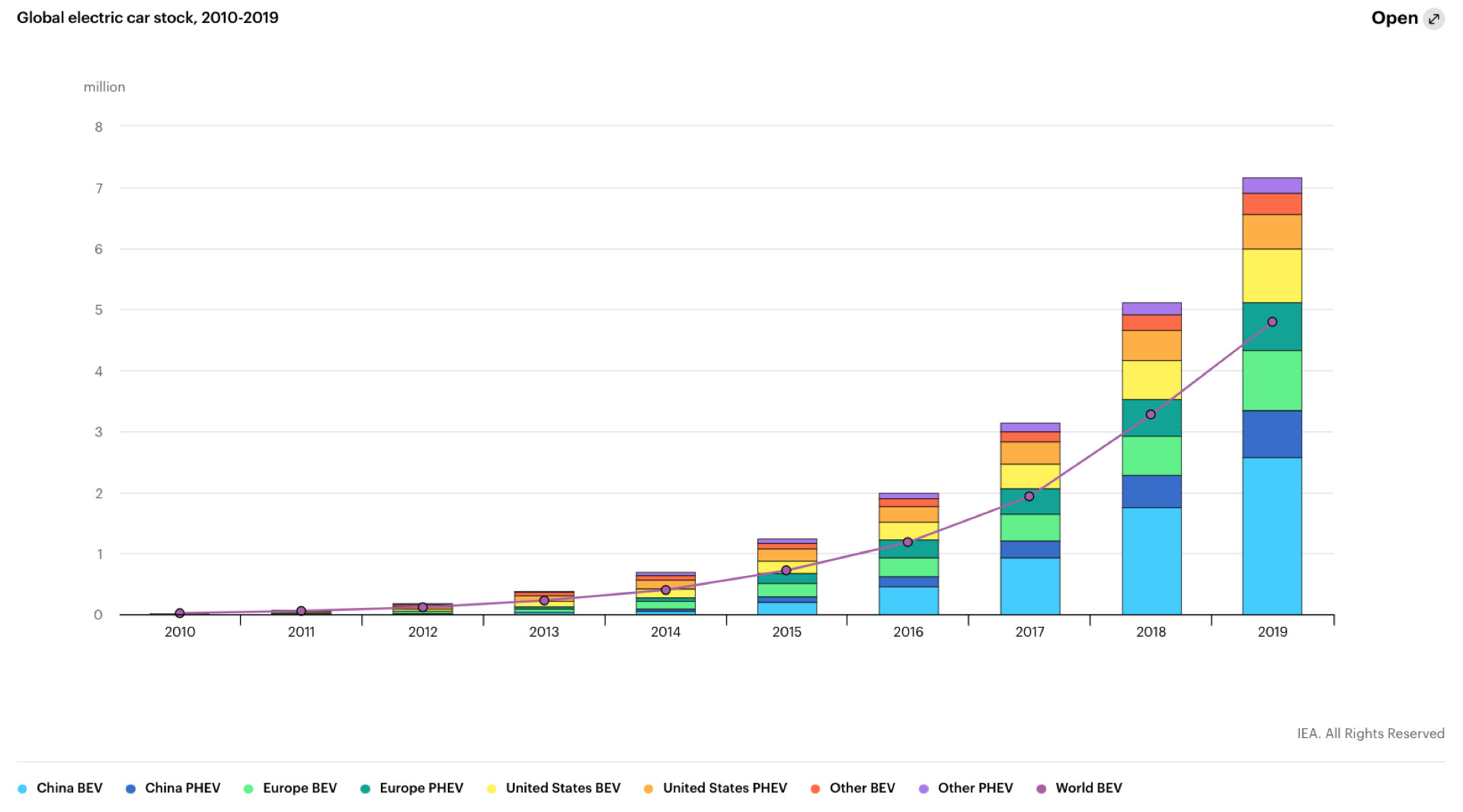
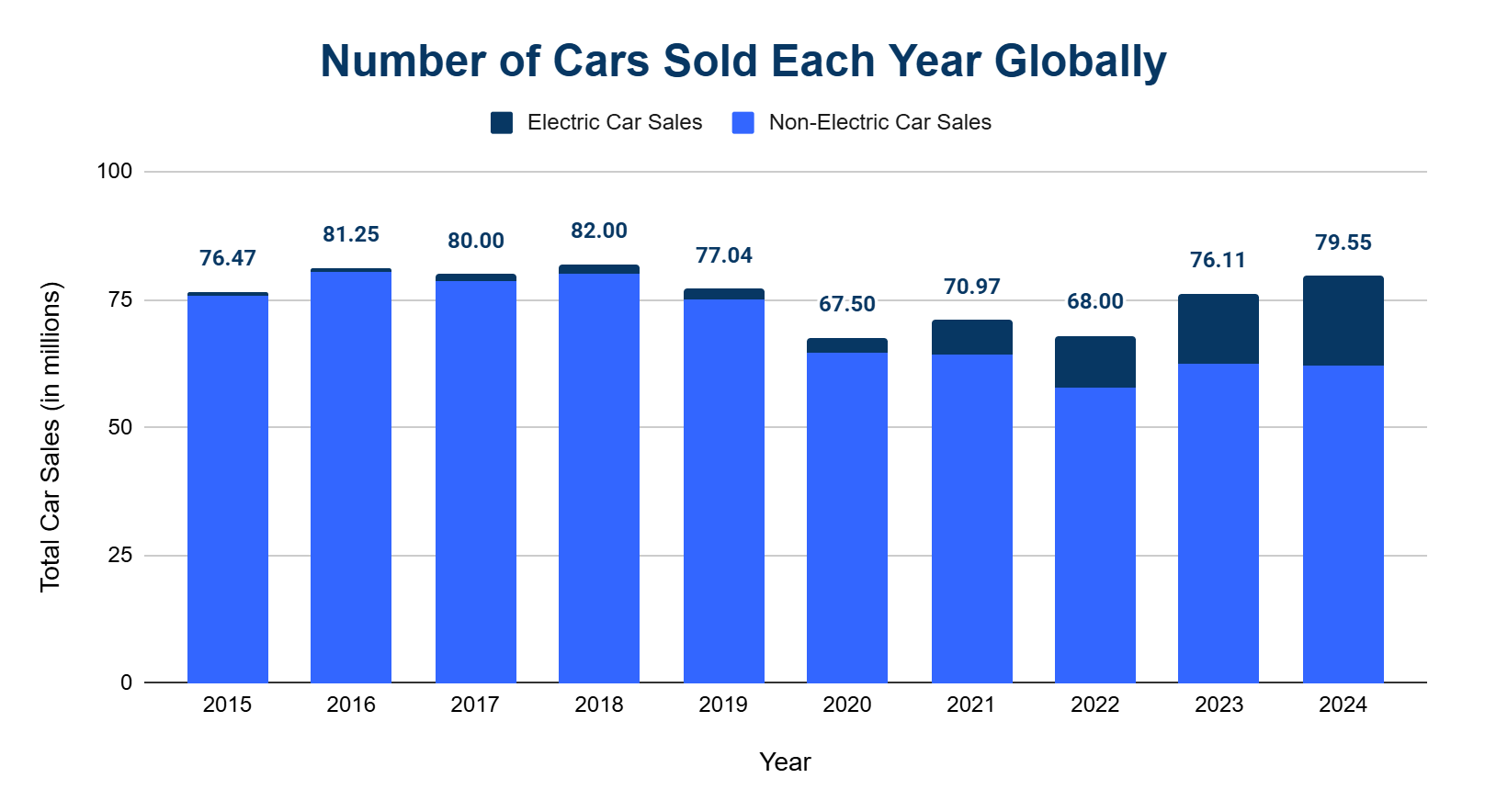
In 2019, the global electric vehicle market reached a critical juncture, with approximately 2.26 million electric vehicles (EVs) sold worldwide, marking a significant step in the transition toward sustainable transportation. This data represents a period of stabilized growth characterized by the dominance of battery electric vehicles (BEVs) and the shifting regulatory landscapes in major markets like China, the United States, and Europe, establishing the baseline for today's industry trajectory.
The Global EV Market Landscape in 2019
The year 2019 was defined by a transition in the automotive sector. While the total number of light-duty vehicles sold worldwide experienced a slight decline, the electric vehicle segment managed to maintain a resilient footprint. For industry analysts and stakeholders, 2019 is viewed as the "calm before the storm," as manufacturers began scaling up production facilities that would define the mid-2020s.
The market share for electric vehicles—including both Battery Electric Vehicles (BEVs) and Plug-in Hybrid Electric Vehicles (PHEVs)—sat at approximately 2.5% of total global light-duty vehicle sales. While this percentage may appear modest in a 2026 context, it was a vital indicator of market penetration. The majority of these sales were concentrated in three primary regions: China, Europe, and the United States. Each region operated under different policy frameworks, providing a diverse set of variables for understanding consumer adoption.
Regional Performance and Regulatory Drivers
To understand the 2019 data, one must examine the regional policies that influenced purchasing decisions. Governments were the primary catalysts for sales, utilizing tax incentives, rebates, and strict emission mandates to pull consumers toward electrification.
China: The Global Leader
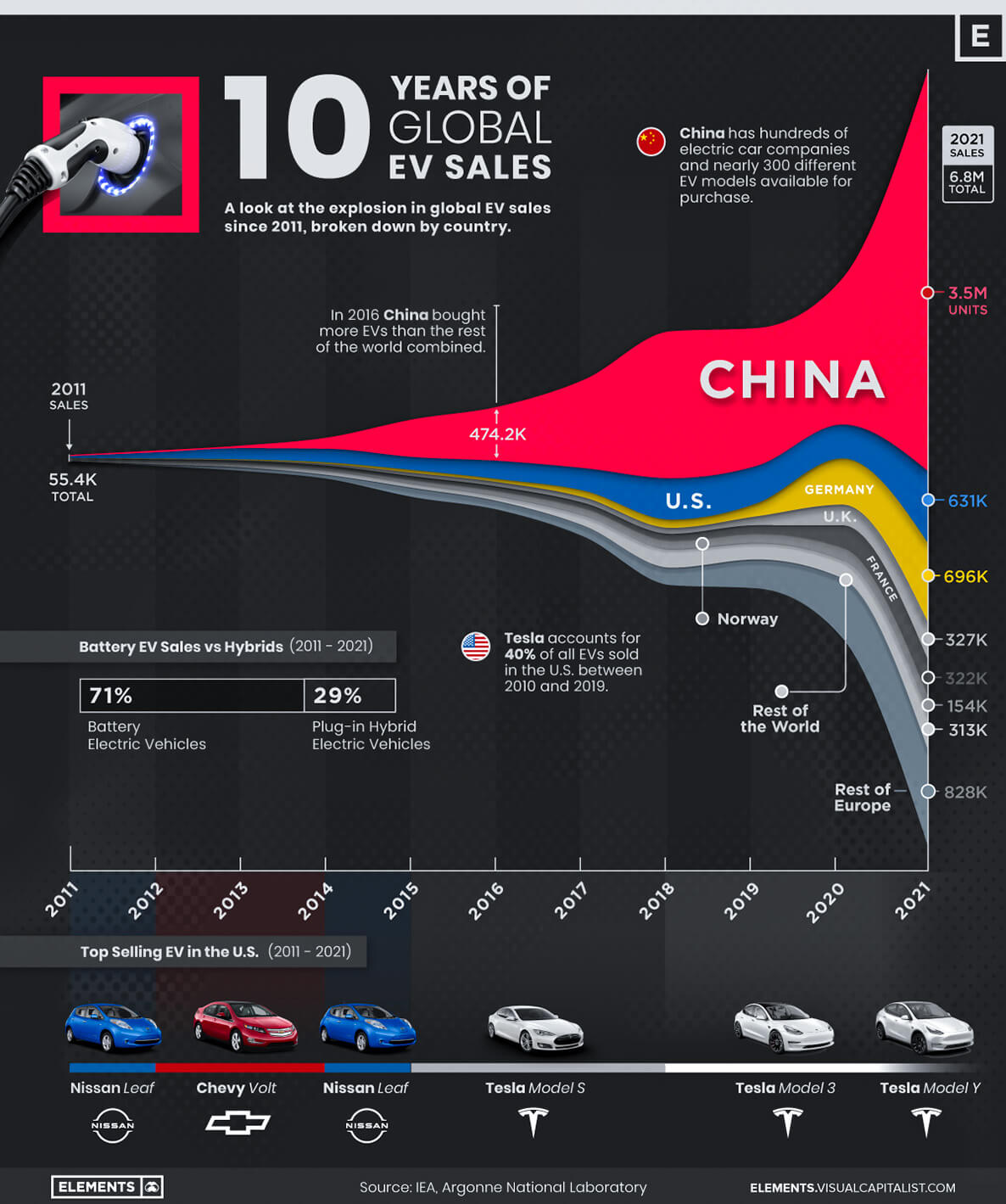
China remained the largest electric vehicle market in 2019, accounting for roughly half of global sales. However, the market faced a notable contraction in growth rates compared to previous years. This was primarily due to the government’s decision to reduce and restructure the generous subsidies that had previously fueled rapid adoption. The 2019 experience in China proved that the industry was beginning to move from a "subsidy-dependent" model toward one driven by organic consumer demand and improved vehicle competitiveness.
Europe: The Emerging Powerhouse
Europe saw a steady increase in electric vehicle market share throughout 2019. Unlike the volatility seen in the Chinese market, European sales were bolstered by the introduction of stringent CO2 emission standards for automakers. This forced European manufacturers to prioritize the electrification of their lineups to avoid heavy non-compliance fines. Countries like Norway led the world in per-capita adoption, with electric vehicles capturing nearly 50% of the new car market, serving as a roadmap for the rest of the continent.
The United States: A Stabilized Market
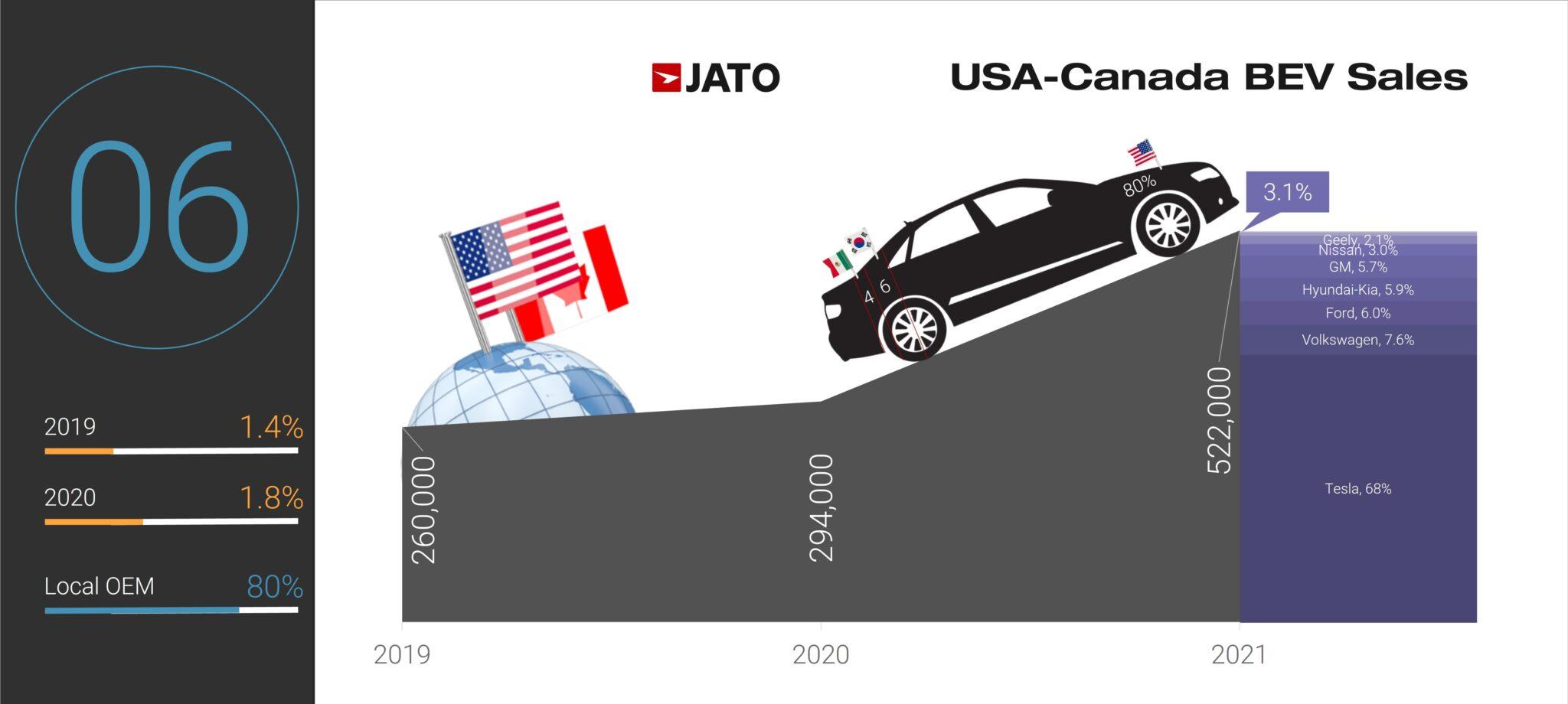
The U.S. market in 2019 was characterized by the dominance of a few key players, most notably Tesla. With the continued popularity of the Model 3, Tesla effectively sustained the American EV market. Despite the expiration or phase-out of certain federal tax incentives for specific manufacturers, demand for high-performance, long-range electric vehicles remained high. The U.S. data from 2019 highlights the importance of range anxiety reduction; as consumers gained access to vehicles capable of exceeding 250 miles on a single charge, sales figures surged.
Understanding the Technical Shift: BEVs vs. PHEVs
A key component of the 2019 sales data is the distinct preference shift toward Battery Electric Vehicles (BEVs) over Plug-in Hybrid Electric Vehicles (PHEVs). This trend signaled that consumer confidence in charging infrastructure and battery longevity was finally catching up to the technology.
| Vehicle Type | Definition | 2019 Market Sentiment |
|---|---|---|
| BEV | Fully electric, powered by a large battery pack. | Growing preference due to lower maintenance and higher range. |
| PHEV | Combines an electric motor with an internal combustion engine. | Served as a "bridge" technology for risk-averse buyers. |
The move toward BEVs was not merely a consumer preference; it was a strategic shift by manufacturers. Engineering focus moved away from complex dual-powertrain systems (PHEVs) and toward the optimization of battery thermal management, charging speed, and energy density (BEVs). This shift in 2019 directly informs the standardized charging and platform architectures we see in 2026.
Major Manufacturers and Model Performance
The competitive landscape in 2019 was less diverse than today but set the stage for current competition. Tesla held the title for the top-selling electric vehicle globally, with the Model 3 acting as the primary disruptor. The performance of the Model 3 in 2019 proved that a mass-market electric vehicle could compete on both price and utility with traditional internal combustion engine (ICE) vehicles.
Other manufacturers, such as SAIC-GM-Wuling, Renault-Nissan, and BMW, also held significant market shares. Their 2019 strategies focused on electrification of existing platforms. While these vehicles often lacked the range and charging ecosystem of the market leaders, they provided the essential entry-level price points that allowed lower-income demographics to participate in the EV transition.
Key Factors Influencing 2019 Purchasing Decisions
Several variables determined the success of electric vehicles in the 2019 market. Understanding these is essential for interpreting the data:
- Range Capability: Vehicles offering over 200 miles of range significantly outperformed those with smaller batteries. The 2019 data confirms that range was the single most influential factor for primary vehicle buyers.
- Public Charging Availability: In regions where the charging network expanded (particularly in metropolitan hubs), sales figures were higher. The lack of standardized, high-speed charging remained the most significant barrier to adoption.
- Total Cost of Ownership (TCO): While the initial purchase price of EVs was higher than comparable ICE vehicles in 2019, the lower cost of electricity compared to gasoline and reduced maintenance requirements began to influence the decision-making process for fleet operators and early adopters.
- Tax Credits and Incentives: The presence of a federal or provincial rebate often provided the "tipping point" for consumers who were on the fence about the transition.
Challenges and Bottlenecks Identified in 2019
The 2019 sales data also reveals the limitations that the industry faced. Supply chain constraints, particularly regarding the availability of lithium-ion battery cells, led to extended delivery times. Some manufacturers struggled to meet the demand for their electric models, resulting in long waiting lists.
Furthermore, the lack of consumer education regarding home charging installation was a major bottleneck. Many dealerships in 2019 were ill-equipped to explain the process of installing a Level 2 charger at home, leading to customer hesitation. This gap in the retail experience would later prompt a massive overhaul in how automotive companies train their sales staff regarding electrification.
Comparative Data Analysis
When comparing 2019 data to the market as it stands in 2026, the progress becomes clear. In 2019, the market was struggling to reach a "critical mass" of charging infrastructure. Today, many of the hurdles that limited growth in 2019—such as limited model variety and range anxiety—have been largely mitigated.
Analyzing the 2019 figures serves as a historical benchmark for what "early adoption" looked like. The trends established then—specifically the movement away from hybrids and the heavy reliance on government policy to stimulate sales—provide context for the current mature market phase.
Frequently Asked Questions (FAQ)
What was the best-selling electric vehicle in 2019?
The Tesla Model 3 was the undisputed global best-seller in 2019. Its combination of a high range-to-price ratio and a superior fast-charging network made it the vehicle that brought EVs into the mainstream conversation for the average consumer.
Why did electric vehicle sales growth slow down in China in 2019?
The growth slowed because the Chinese government initiated a significant reduction in subsidies and implemented stricter requirements for EVs to qualify for remaining support. This forced automakers to shift their focus from high-volume, low-cost models to more technically advanced, profitable vehicles.
How did 2019 EV sales impact the automotive industry’s 2026 strategies?
The data showed that manufacturers who invested early in dedicated EV platforms (as opposed to retrofitting ICE vehicles) gained the largest market share. This realization shifted global R&D budgets toward "EV-only" architectures, which are standard in the industry today.
Was 2019 a record-breaking year for EV sales?
It was a year of steady, incremental growth rather than an explosive record. While total numbers did increase, the rate of growth was more measured than in subsequent years as the market adjusted to shifting incentive structures in major global economies.
How did the availability of charging infrastructure affect 2019 sales?
Sales were heavily concentrated in urban centers where public charging networks were beginning to show promise. The correlation between a robust network and high sales volume in 2019 proved that charging accessibility was the most critical factor for widespread adoption.
Looking Back to Move Forward
The 2019 electric car sales data offers more than just numbers; it provides a comprehensive map of the industry's evolution. By studying these figures, stakeholders can understand the efficacy of policy, the importance of infrastructure, and the necessity of consumer education. For those looking to understand the current state of the market, acknowledging the 2019 baseline is essential. As we look at the progress made by 2026, it is clear that the groundwork laid in 2019—through both successes and strategic corrections—was the necessary precursor to the global shift toward sustainable mobility. When evaluating your own entry into the EV market or assessing industry trends, treat these historical figures as the primary evidence of how market demand and policy support intersect to drive technological change.