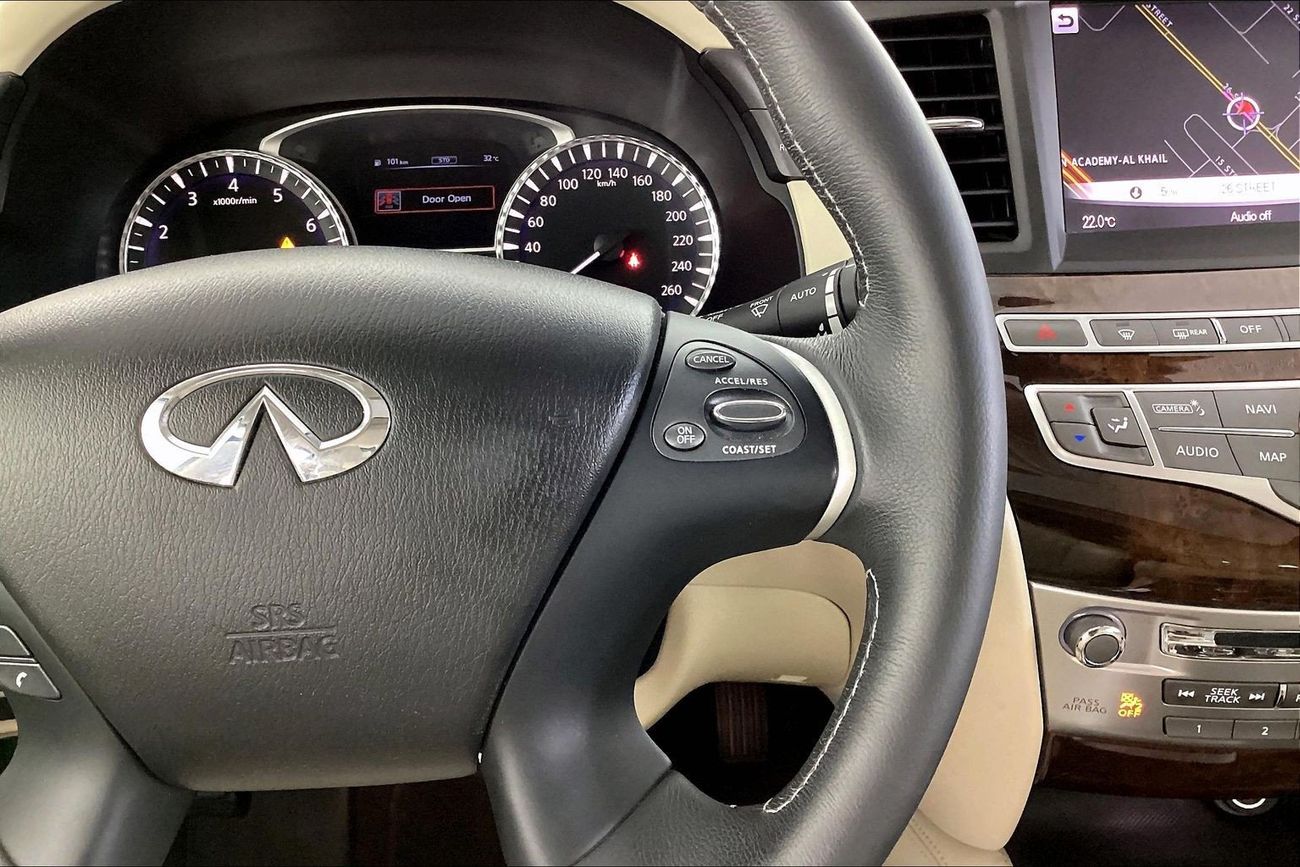
The 2018 Infiniti QX60 experiences notable common problems, most frequently centered around CVT transmission shudder and failure, infotainment and electronics glitches, brake component wear, and minor engine oil leaks. While it offers a comfortable three-row cabin, prospective buyers and current owners should carefully verify maintenance history and service bulletin updates.
When evaluating a midsize luxury crossover SUV like the 2018 Infiniti QX60, understanding its historical reliability record is essential for long-term ownership and maintenance budgeting. Sharing its platform and powertrain with the Nissan Pathfinder, the 2018 QX60 attracted families seeking premium styling, a spacious interior, and a competitive price point. However, mechanical longevity varies widely depending on previous maintenance regimens, particularly regarding the continuously variable transmission (CVT). Reviewing documented complaints, technical service bulletins (TSBs), and owner reports allows current and prospective owners to identify early warning signs, evaluate repair costs, and implement proactive preventative measures.
Powertrain and Transmission Reliability
The powertrain of the 2018 Infiniti QX60 pairs a 3.5-liter V6 engine (VQ35DD) producing 295 horsepower with an Xtronic continuously variable transmission. While the V6 engine itself is generally regarded as robust and durable, the CVT has been the primary source of owner dissatisfaction and mechanical failure across multiple model years.
CVT Shudder, Hesitation, and Premature Failure
The most frequently reported and costly issue affecting the 2018 Infiniti QX60 involves the continuously variable transmission. Owners have reported symptoms including sudden shuddering during acceleration, hesitation when shifting from park to drive, slip, whining noises at highway speeds, and sudden loss of power. In severe cases, internal component wear leads to complete transmission failure, requiring a total unit replacement.
Nissan and Infiniti extended warranties for certain CVT variants following class-action litigation and widespread complaints, making it vital for owners to check their specific Vehicle Identification Number (VIN) with a local dealer to determine if extended coverage applies. Preventative maintenance is critical; changing the transmission fluid every 30,000 to 45,000 miles—despite lifetime fluid claims by some manufacturers—greatly reduces internal heat buildup and premature belt wear.
Engine Oil Leaks and Timing Chain Cover Seeps
While the VQ35DD engine features direct injection and delivers smooth power, some high-mileage 2018 models develop oil leaks around the timing chain cover or valve cover gaskets. A timing chain cover leak requires extensive labor to repair because the engine often needs to be dropped or partially disassembled to access and reseal the area. Routine visual inspections during oil changes help catch these seeps before they lead to low oil levels, which can cause internal engine damage.
Electronics, Infotainment, and Electrical Glitches
Modern luxury vehicles rely heavily on computer modules, wiring harnesses, and digital displays. The 2018 Infiniti QX60 is no exception, and electrical gremlins account for a significant portion of minor dealer service visits.
InTouch Infotainment System Freezes and Reboots
The Infiniti InTouch infotainment system controls navigation, climate control, Bluetooth pairing, and audio settings. Owners frequently report instances where the touchscreen freezes, displays a black screen, or randomly reboots while driving. These glitches can temporarily disable the rearview camera, creating a safety concern when reversing. Software updates released via TSBs often resolve these issues, though some owners require complete head unit replacements if the hardware fails out of warranty.
Climate Control and Blower Motor Failures
Another reported electrical concern involves the dual-zone automatic climate control system. Issues range from erratic fan speeds to complete failure of the front blower motor resistor, resulting in air conditioning or heating failing to blow through the vents. Replacing the blower motor resistor is a relatively straightforward fix, but diagnosing intermittent sensor failures within the automatic climate architecture requires specialized diagnostic scanners.
Chassis, Suspension, and Braking Concerns
Weighing over 4,200 pounds, the 2018 Infiniti QX60 places heavy demands on its braking system and suspension components, leading to accelerated wear items that require regular replacement.
Premature Brake Pad and Rotor Wear
Due to the vehicle's substantial curb weight, factory brake pads and rotors frequently wear out faster than average. Owners often report warped rotors causing steering wheel vibration when braking from highway speeds, alongside premature pad thinning. Upgrading to aftermarket ceramic brake pads and slotted rotors can improve stopping durability and reduce brake dust accumulation compared to factory-equipped components.
Suspension Strut Leaks and Control Arm Bushing Wear
As these vehicles approach higher mileage thresholds, suspension components begin to degrade. Front suspension lower control arm bushings are prone to cracking and tearing, resulting in a loose steering feel, clunking noises over bumps, and uneven front tire wear. Additionally, front struts can develop fluid leaks, diminishing ride comfort and body control. Replacing worn control arms and struts restores factory handling dynamics and ride quality.
| System / Component | Common Problem | Severity | Estimated Repair Cost | Preventive Action |
|---|---|---|---|---|
| Transmission (CVT) | Shudder, slip, whining, or complete failure | High | $3,500 – $6,500 | Change CVT fluid every 30k–45k miles |
| Infotainment System | Screen freezing, blackouts, Bluetooth drops | Low–Medium | $200 – $1,500 | Apply latest manufacturer software updates |
| Braking System | Warped rotors, rapid pad wear | Medium | $400 – $900 | Inspect pads/rotors bi-annually; upgrade to heavy-duty parts |
| Engine / Timing Cover | Oil seeps around timing chain cover | Medium | $800 – $2,500 | Check oil levels regularly; reseal gaskets promptly |
| Suspension | Worn control arm bushings, strut leaks | Medium | $600 – $1,800 | Avoid severe potholes; inspect bushings during tire rotations |
Interior Comfort and Body Hardware
Beyond mechanical and electronic systems, the QX60 cabin contains several hardware components that warrant inspection during a purchase or routine service interval.
Panoramic Sunroof Drainage Clogs
Models equipped with the optional panoramic glass roof feature drain tubes designed to channel away rainwater. Over time, these tubes can become clogged with debris, leaves, or dirt. When clogged, water overflows into the headliner, soaking the A-pillars, floorboards, and overhead electronic consoles. This moisture intrusion can trigger electrical shorts in safety sensors and roof-mounted controls. Clearing the drain tubes with compressed air or flexible trimmer line during seasonal detailing prevents costly interior water damage.
Power Liftgate Malfunctions
The hands-free power liftgate occasionally fails to open or close fully, reversing direction unexpectedly or refusing to respond to key fob inputs. This is frequently caused by a misaligned latch striker, a weak 12-volt battery failing to supply adequate voltage to the liftgate motor, or a failing pinch sensor strip. Resetting the liftgate system or replacing the primary struts usually resolves the issue.
Maintenance Strategies and Ownership Costs
Owning a used luxury crossover requires proactive maintenance to mitigate unexpected repair bills. Budgeting for specialized services, such as genuine Nissan NS-3 CVT fluid changes, ensures optimal transmission longevity. Furthermore, ensuring the 12-volt battery is tested annually prevents a cascade of false electronic error codes, as modern Infiniti electrical systems are highly sensitive to low system voltage. When shopping for a used model, obtaining a comprehensive pre-purchase inspection (PPI) from an independent mechanic specializing in Japanese luxury vehicles provides an accurate assessment of remaining brake life, suspension integrity, and transmission health.
Frequently Asked Questions
Is the 2018 Infiniti QX60 a reliable vehicle overall?
The 2018 Infiniti QX60 offers average reliability compared to other three-row luxury crossovers. While the engine and chassis are generally durable, the CVT transmission requires strict fluid maintenance and remains a primary point of concern for long-term durability.
How can I tell if the CVT transmission is failing on a 2018 QX60?
Warning signs of CVT failure include a distinct whining or buzzing noise under acceleration, severe shuddering or shaking when accelerating from a stop, delayed engagement when shifting into drive or reverse, and entering "limp mode" where engine RPMs elevate without a corresponding increase in vehicle speed.
Does the 2018 Infiniti QX60 require premium gasoline?
Infiniti recommends premium unleaded gasoline (91 octane or higher) for the 3.5-liter V6 engine to achieve advertised horsepower and fuel economy figures. While regular gasoline (87 octane) can be used in emergency situations due to knock-sensor retarding, continuous use may reduce engine performance and fuel efficiency.
What recalls were issued for the 2018 Infiniti QX60?
Recalls for the 2018 model year included issues such as potential brake fluid leaks affecting the ABS actuator pump, rearview camera display settings losing calibration, and specific airbag sensor programming. Checking the NHTSA database with your specific VIN verifies whether all safety recall repairs have been completed.
How often should the transmission fluid be changed on this SUV?
Although some manuals refer to lifetime fluid, independent specialists and transmission technicians strongly recommend draining and filling the CVT fluid every 30,000 to 45,000 miles to flush out microscopic metal debris and maintain fluid viscosity.
Conclusion and Next Actions
For current owners of a 2018 Infiniti QX60, adhering to a strict fluid service schedule and addressing minor oil leaks or suspension wear early preserves the vehicle's comfort and resale value. Prospective buyers should thoroughly review service records, verify CVT health through a test drive and professional inspection, and confirm whether any remaining extended warranty coverage applies to the transmission before finalizing a purchase.