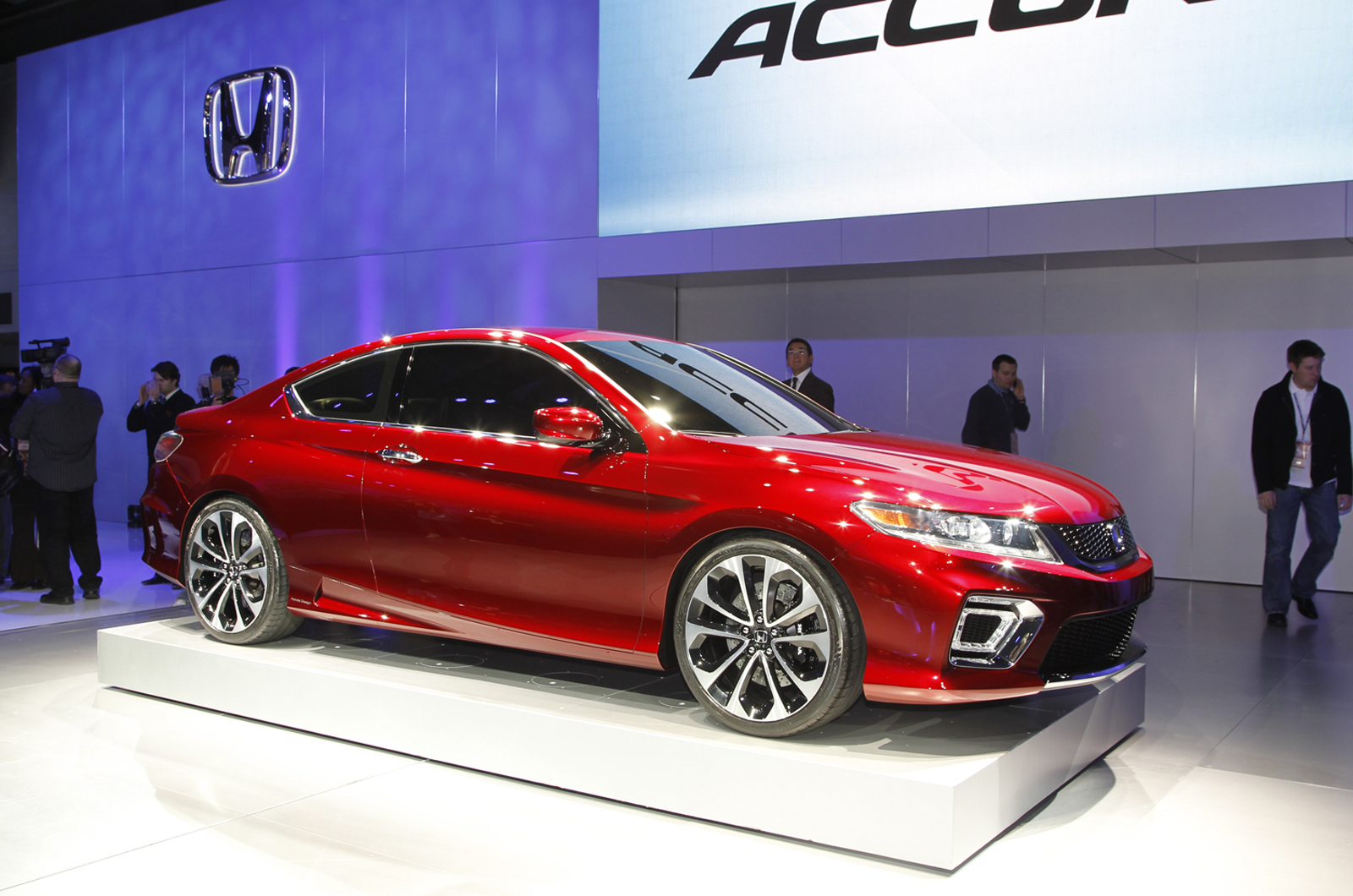
The 2012 Honda Accord Coupe delivers fuel economy ranging from an EPA-estimated 17 mpg city to 33 mpg highway, depending on the engine and transmission configuration. The most efficient model is the 2.4L 4-cylinder paired with a 5-speed automatic transmission, while the 3.5L V6 with the 6-speed manual transmission prioritizes power over fuel savings.
As the final model year of the eighth-generation Accord, the 2012 version represents the pinnacle of this specific design cycle. While modern 2026 vehicles often utilize hybrid powertrains or turbocharged small-displacement engines to achieve higher efficiency, the 2012 Accord Coupe remains a popular choice on the pre-owned market for its blend of reliability, sleek styling, and respectable naturally aspirated performance. Understanding the nuances of its fuel consumption requires a deep dive into the various mechanical configurations Honda offered at the time.
Understanding the 2012 Honda Accord Coupe Powertrains
The 2012 Accord Coupe was offered with two primary engines, each available with different transmissions that significantly alter the vehicle's fuel profile. To understand the MPG ratings, one must first identify which "heart" is under the hood.
The 2.4-Liter Inline 4-Cylinder (K24Z3)
This engine was the bread and butter of the Accord lineup. In the Coupe, it produced 190 horsepower and 162 lb-ft of torque. It was designed with Honda’s i-VTEC (Intelligent Variable Valve Timing and Lift Electronic Control) system, which balances low-end torque for city driving with high-end efficiency for the highway. Because the Coupe is slightly more aerodynamic than the Sedan counterpart, it often squeezed out an extra mile per gallon in highway testing.
The 3.5-Liter V6 (J35Z3/J35Z2)
The V6 engine turned the Accord Coupe into a genuine grand tourer, producing 271 horsepower. However, the V6 came in two distinct "flavors" regarding fuel management.
- Automatic V6: Featured Variable Cylinder Management (VCM). This technology allowed the engine to deactivate two or three cylinders during light-load cruising, effectively turning the V6 into a 3-cylinder engine to save fuel.
- Manual V6: This version did not include VCM. It was designed for enthusiasts who wanted constant access to all six cylinders. Consequently, it is the least fuel-efficient model in the 2012 lineup.
Official EPA MPG Ratings for the 2012 Accord Coupe
When the 2012 Accord Coupe was released, the Environmental Protection Agency (EPA) provided specific ratings for each drivetrain. These numbers serve as the benchmark for comparing the Coupe to its rivals and for setting expectations for modern-day owners.
| Engine | Transmission | City MPG | Highway MPG | Combined MPG |
|---|---|---|---|---|
| 2.4L 4-Cylinder | 5-Speed Automatic | 23 | 33 | 27 |
| 2.4L 4-Cylinder | 5-Speed Manual | 23 | 32 | 26 |
| 3.5L V6 | 5-Speed Automatic (VCM) | 19 | 29 | 23 |
| 3.5L V6 | 6-Speed Manual | 17 | 26 | 21 |
These figures highlight a significant "efficiency gap" between the 4-cylinder and the V6 models. Choosing the 4-cylinder automatic over the V6 manual results in a 35% improvement in combined fuel economy, which translates to substantial savings at the pump over several years of ownership.
Factors That Influence Real-World Fuel Economy
While the EPA ratings provide a standardized baseline, real-world results in 2026 often vary. Several technical and environmental factors dictate whether a 2012 Accord Coupe hits its 33 mpg highway target or falls short.
Variable Cylinder Management (VCM) Efficiency
The VCM system in the V6 automatic models is a marvel of engineering but can be polarizing. Under ideal conditions—steady speeds on flat highways—the transition between 6, 4, and 3 cylinders is nearly seamless. However, in hilly terrain or at higher speeds (above 75 mph), the system may struggle to stay in "eco mode," causing the fuel economy to drop closer to the V6 manual’s levels. Owners often report that staying under 70 mph is the key to maximizing the V6's efficiency.
Aerodynamics and Body Style
The Coupe’s sleek profile provides a slight edge over the Sedan in terms of the drag coefficient. However, the 2012 model is a relatively large vehicle compared to modern compact coupes. Using roof racks, carrying heavy cargo in the trunk, or driving with windows down at high speeds increases aerodynamic drag, which can penalize fuel economy by as much as 10-15%.
Aging Mechanical Components
By 2026, many 2012 Accord Coupes have surpassed the 150,000-mile mark. Several aging components can silently "rob" the car of its original MPG ratings:
- Oxygen (O2) Sensors: These sensors monitor the air-fuel ratio. If they become sluggish or fouled, the engine computer may default to a "rich" fuel mixture, burning more gas than necessary.
- Spark Plugs: The V6 models utilize iridium-tipped plugs designed for 100,000 miles. If these haven't been replaced, incomplete combustion will lead to poor mileage.
- Fuel Injectors: Over a decade of use can lead to carbon buildup on injector tips, disrupting the spray pattern and reducing efficiency.
2.4L I4 vs. 3.5L V6: Which Should You Choose for Efficiency?
For the driver prioritizing cost-to-run, the 2.4L 4-cylinder with the automatic transmission is the clear winner. This engine provides sufficient power for daily commuting and thrives in stop-and-go traffic. According to official Honda specifications, this engine was optimized for regular 87-octane gasoline, making it cheaper to fuel than many performance luxury coupes of the same era.
The 3.5L V6 is better suited for long-distance highway travelers. Because of the VCM technology, the V6 Automatic can achieve nearly 30 mpg on the highway, which is impressive for an engine with 271 horsepower. However, if your daily route involves heavy city traffic, the V6’s 19 mpg rating will become a significant financial burden compared to the 4-cylinder's 23 mpg.
How to Improve the MPG of a 2012 Accord Coupe
If you find that your 2012 Accord Coupe is underperforming its EPA estimates, there are several targeted maintenance steps you can take to restore its efficiency.
Optimize Tire Pressure and Selection
Low tire pressure is one of the most common causes of poor fuel economy. For the 2012 Accord Coupe, the recommended pressure is typically 32-33 PSI. Driving with tires just 5 PSI under-inflated can increase rolling resistance significantly. Furthermore, when replacing tires, look for "Low Rolling Resistance" (LRR) models, which are specifically engineered to improve fuel economy.
Clean the Intake System
Over time, the throttle body and intake valves can accumulate carbon deposits. This is particularly true for older engines. Using a high-quality fuel system cleaner or having a professional induction cleaning service can help the engine "breathe" easier, ensuring the air-fuel mixture is optimal for combustion.
Use the Correct Oil Grade
The 2012 Accord Coupe requires 0W-20 oil. This low-viscosity oil is designed to reduce internal engine friction. Using a thicker oil, such as 10W-30, might seem safer for an older engine, but it increases the energy required to move engine parts, which directly lowers your MPG. Always refer to the EPA’s guide on fuel economy for more information on how oil and maintenance impact consumption.
Comparing the 2012 Accord Coupe to Modern Standards
In 2026, the 2012 Accord Coupe's 27 mpg combined (for the I4) is respectable but trails behind modern equivalents. Current mid-sized coupes and sedans often utilize hybrid systems to achieve 45-50 mpg. However, the 2012 Accord offers a "mechanical" feel and a naturally aspirated engine that many drivers prefer over the CVT transmissions and turbocharged engines found in newer cars.
When considering the "Total Cost of Ownership," the 2012 Accord remains competitive because its purchase price is significantly lower than a new vehicle, and it does not require expensive hybrid battery replacements. The fuel costs, while higher than a hybrid, are offset by the lack of a monthly car payment and lower insurance premiums.
Frequently Asked Questions
Does the 2012 Honda Accord Coupe require premium gas?
No, the 2012 Honda Accord Coupe is designed to run on regular 87-octane unleaded gasoline. Using premium (91 or 93 octane) fuel in the 4-cylinder or the V6 engine will not provide a measurable increase in fuel economy or horsepower, as the engine's compression ratio and timing are optimized for regular fuel.
Why does my V6 Accord Coupe get worse mileage than the EPA estimate?
The V6's mileage is highly sensitive to driving style. Frequent hard acceleration prevents the Variable Cylinder Management (VCM) from engaging. Additionally, if you have the 6-speed manual transmission, you lack VCM entirely, which explains why your city mileage might dip as low as 17 mpg.
Is the manual transmission more fuel-efficient than the automatic?
In the 2012 Accord Coupe, the automatic transmission is actually more fuel-efficient than the manual. For the 4-cylinder, the automatic gets 33 mpg highway versus the manual’s 32 mpg. For the V6, the gap is even larger (29 mpg vs 26 mpg) because the manual V6 does not have the cylinder deactivation technology found in the automatic.
How much can I expect to spend on gas annually for a 2012 Accord Coupe?
Based on 15,000 miles per year and an average fuel price of $3.50 per gallon (2026 estimates), an I4 Automatic owner will spend approximately $1,944 per year. A V6 Manual owner, however, would spend roughly $2,500 per year. These figures fluctuate based on local fuel prices and the ratio of city to highway driving.
Does the "Eco" button on the 2012 Accord Coupe help with MPG?
The 2012 Accord does not feature a dedicated "ECON" button like the 2013 and newer models. Instead, it features an "ECO" indicator light on the dashboard. This light illuminates when you are driving efficiently, serving as a visual guide to help you adjust your throttle input to stay within the most fuel-efficient range.
Practical Recommendation for Buyers and Owners
If you are currently looking to purchase a 2012 Honda Accord Coupe, prioritize the 2.4L EX-L trim with the automatic transmission for the best balance of luxury features and fuel economy. It provides the highest EPA-rated highway mileage (33 mpg) and features a reliable drivetrain that is less complex than the V6 with VCM.
For current owners, the best way to preserve your 2012 Accord Coupe’s MPG in 2026 is to stick to a strict maintenance schedule. Ensure your alignment is correct, keep your tires properly inflated, and replace your air filter every 15,000 to 30,000 miles. These small steps are the most effective ways to ensure this eighth-generation classic continues to deliver efficient performance for years to come.