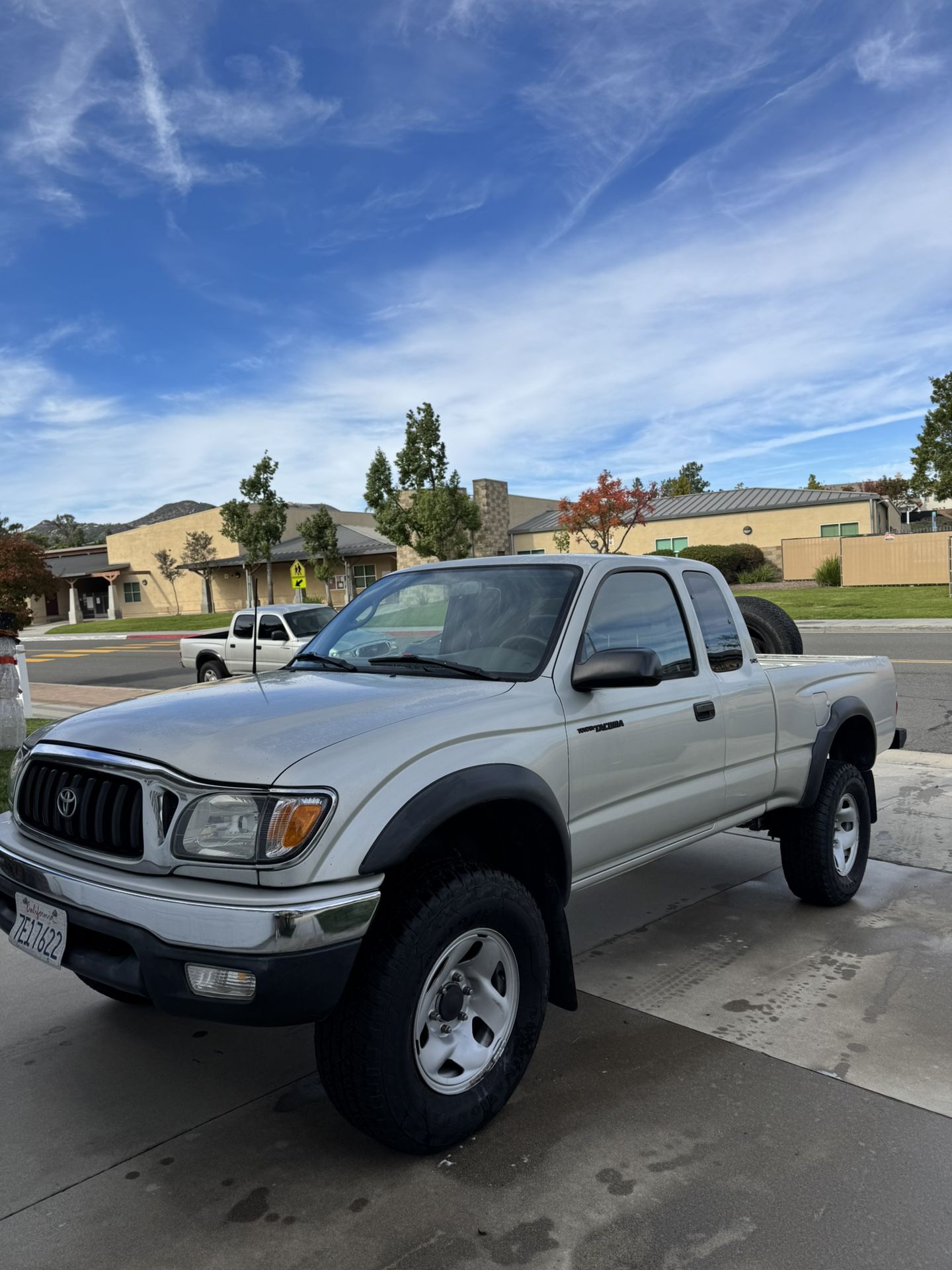
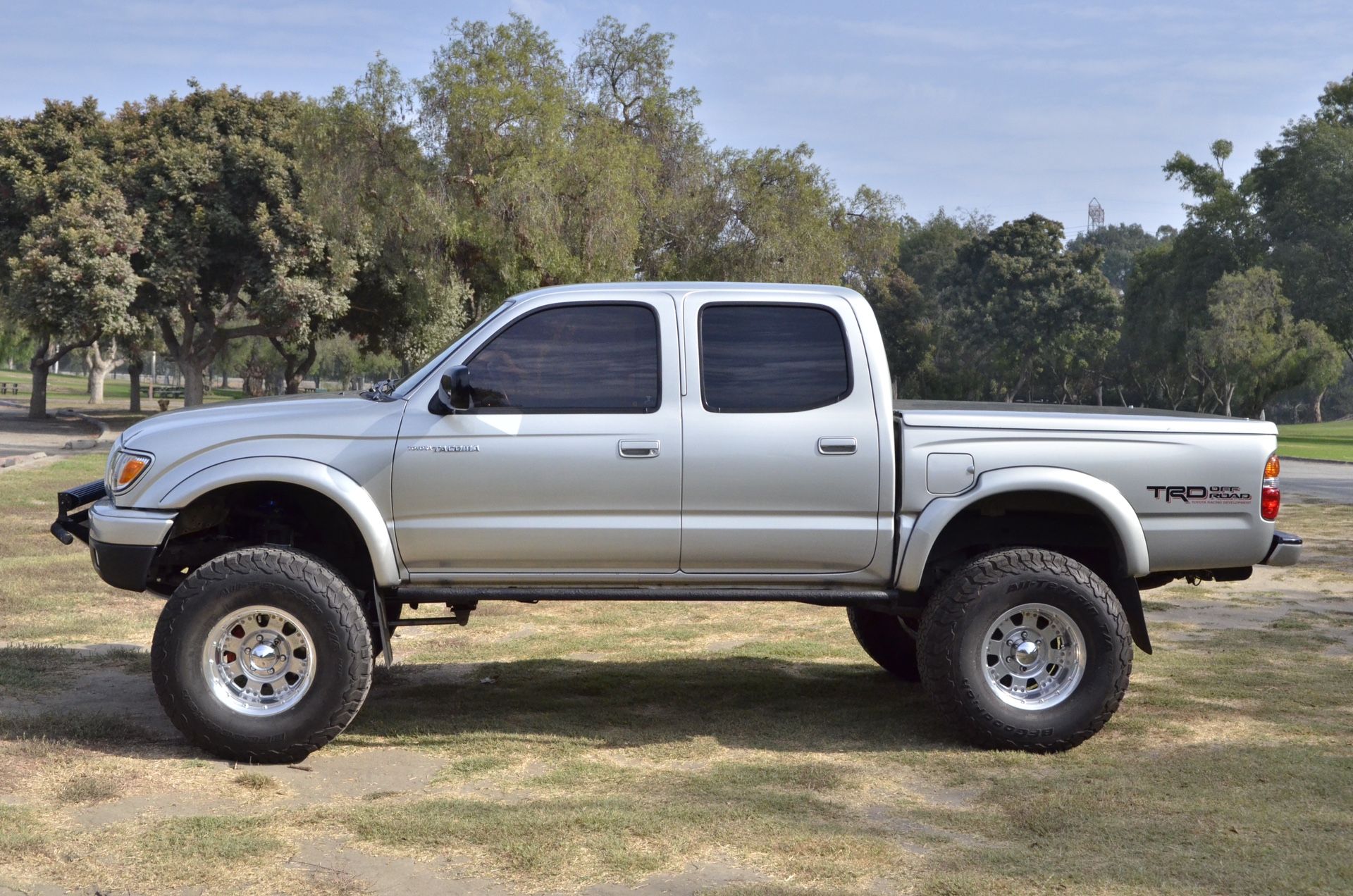
The 2003 Toyota Tacoma 4x4 is a compact, body-on-frame pickup truck renowned for its exceptional durability, off-road capability, and robust mechanical engineering. Representing the final model year of the first generation's initial pre-facelift aesthetic refinement period, it features reliable four-wheel-drive systems, dependable four-cylinder and V6 engine options, and a legendary reputation for longevity.
Introduction to the 2003 Toyota Tacoma 4x4
The first-generation Toyota Tacoma, produced from 1995 through 2004, cemented Toyota’s dominance in the compact truck segment. By 2003, the platform had reached a high state of mechanical refinement. For enthusiasts, contractors, and outdoor adventurers, the 2003 Toyota Tacoma 4x4 occupies a sweet spot in automotive history: it retains the mechanical simplicity and manageable dimensions of older compact trucks while offering modern creature comforts, sufficient safety features, and a chassis engineered to endure harsh environments.
Resolving any potential ambiguity, this overview focuses entirely on the North American-spec 2003 Toyota Tacoma equipped with factory four-wheel drive (4x4). Whether configured as a Regular Cab, Xtracab (extended cab), or the high-riding PreRunner-style 4x4 versions, this truck represents an era when compact pickups were truly compact, lightweight, and mechanically straightforward. Understanding the nuances of this model requires a deep dive into its powertrain options, suspension geometry, frame construction, and real-world ownership considerations.
Historical Context and Positioning in the Market
In 2003, the automotive landscape was shifting. Full-sized trucks were growing larger, and competitors like the Ford Ranger, Chevrolet S-10, and Nissan Frontier populated the midsize and compact segments. The Toyota Tacoma stood apart due to its exceptional build quality and the robust loyalty it inspired among buyers.
Toyota offered the 2003 Tacoma in several distinct trim levels and cab configurations, allowing buyers to tailor the vehicle to their specific needs. The 4x4 drivetrain was available across multiple trims, making it accessible whether the buyer needed a utilitarian work truck or a weekend trail explorer. This versatility contributed heavily to the model's enduring resale value and cult-like status on the used vehicle market decades after production ended.
Powertrain Options and Mechanical Specifications
The performance and character of the 2003 Tacoma 4x4 are defined by its engine choices. Buyers could select between a dependable four-cylinder engine or a smooth, torquey V6. Both powerplants were paired with robust manual or automatic transmissions designed to handle heavy loads and demanding off-road conditions.
Engine Choices: 2.7L Four-Cylinder and 3.4L V6
The base powerplant for many 4x4 models was the 2.7-liter 3RZ-FE inline-four engine. Producing approximately 150 horsepower and 177 lb-ft of torque, this iron-block, aluminum-head engine is famous for its bulletproof reliability and timing chain setup. It delivers usable low-end torque, making it ideal for low-speed crawling and utility work.
For those requiring more passing power and towing capacity, the optional 3.4-liter 5VZ-FE V6 engine was the preferred choice. Generating 190 horsepower and 220 lb-ft of torque, this dual-overhead-cam V6 provides smooth acceleration across the power band. It is widely considered one of the best truck engines Toyota ever built, capable of exceeding hundreds of thousands of miles with basic preventive maintenance.
Transmission and Transfer Case Configurations
Depending on the engine and trim, the 2003 Tacoma 4x4 came with either a 5-speed manual transmission or a 4-speed electronically controlled automatic transmission (ECT). The four-wheel-drive system utilized a traditional floor-mounted or push-button transfer case, allowing drivers to shift between 2WD, 4WD High, and 4WD Low ranges. Most V6 models featured a synchronous differential or an optional locking rear differential, significantly enhancing traction in deep mud, sand, or snow.
| Engine | Displacement | Horsepower | Torque | Transmission Options | Fuel Economy (EPA Est. Range) |
|---|---|---|---|---|---|
| 3RZ-FE Inline-4 | 2.7 Liters | 150 hp @ 4,800 rpm | 177 lb-ft @ 4,000 rpm | 5-speed manual / 4-speed auto | ~16-18 City / 19-21 Hwy |
| 5VZ-FE V6 | 3.4 Liters | 190 hp @ 4,800 rpm | 220 lb-ft @ 3,600 rpm | 5-speed manual / 4-speed auto | ~15-17 City / 18-20 Hwy |
Chassis, Suspension, and Off-Road Capability
The foundation of the 2003 Tacoma 4x4 is a rugged boxed steel frame paired with a sophisticated suspension system designed to balance on-road comfort with off-road articulation.
Front and Rear Suspension Setup
Up front, the Tacoma 4x4 utilizes an independent double-wishbone suspension with torsion bars and gas-filled shock absorbers. This setup provides precise steering feedback and adequate ground clearance. At the rear, a traditional leaf-spring solid axle arrangement handles heavy payloads and towing duties. While leaf springs can yield a firm ride when the bed is empty, they offer unmatched durability and load-bearing capacity under stress.
Off-Road Geometry and Performance
With standard 4x4 ground clearance, skid plates protecting vital components like the oil pan and transfer case, and short front and rear overhangs, the 2003 Tacoma is inherently capable off-road. The Xtracab models offer a slightly longer wheelbase for stability, while the Regular Cab models provide maximum maneuverability on tight, wooded trails. When equipped with the optional factory electronic locking rear differential, the truck can maintain forward momentum even when one rear wheel loses traction entirely.
Cab Configurations and Interior Design
The interior of the 2003 Toyota Tacoma reflects the utilitarian yet comfortable design philosophy of early-2000s Japanese trucks. Ergonomics are straightforward, with large, glove-friendly rotary dials for climate control and clear, analog instrumentation.
- Regular Cab: Designed primarily for utility, offering seating for two passengers with minimal behind-the-seat storage space.
- Xtracab (Extended Cab): Features small jump seats behind the front buckets, making it suitable for occasional passenger transport or secure indoor cargo storage.
- Double Cab (Crew Cab): Though introduced slightly later in the first-generation run, crew cab variants provide four full doors and generous rear passenger legroom, expanding the truck's utility as a family vehicle.
Materials are heavy-duty plastics and durable cloth or vinyl upholstery, chosen for longevity and ease of cleaning rather than luxury. Over time, these interiors prove remarkably resistant to wear, though sun damage to the dashboard can occur in hot climates.
Common Maintenance Items and Inspection Points
While the 2003 Toyota Tacoma 4x4 is frequently praised for its mechanical immortality, prospective buyers and current owners must remain vigilant regarding specific wear items and historical issues associated with the platform.
Frame Rust and Corrosion Inspection
The most critical factor concerning any first-generation Tacoma is frame corrosion. Due to manufacturing metallurgy and rust-proofing limitations during that era, certain frames were susceptible to excessive rust perforation, particularly in regions that utilize road salt during winter months. Toyota instituted extensive frame replacement campaigns historically, but any 2003 model being evaluated today must undergo a thorough physical inspection of the frame rails, especially near the leaf spring mounts and catalytic converters.
Powertrain Maintenance
Both the 2.7L and 3.4L engines require standard maintenance to reach high mileage milestones. The 3.4L V6 utilizes a rubber timing belt that must be replaced every 90,000 miles or nine years, alongside the water pump and tensioners. Additionally, manual transmission fluid, differential gear oil, and transfer case fluid changes are vital for maintaining smooth engagement of the four-wheel-drive system.
Comparison with Competitors of the Era
To fully understand the market standing of the 2003 Toyota Tacoma 4x4, it helps to compare it directly against its primary contemporary rivals: the Ford Ranger 4x4 and the Nissan Frontier 4x4.
- Ford Ranger 4x4: The Ranger offered multiple engine choices, including a punchy 4.0L V6, and a robust frame. However, its interior felt narrower, and its long-term electrical reliability often lagged behind the Tacoma.
- Nissan Frontier 4x4: The Frontier was a stout competitor with aggressive styling and solid mechanical bones. Yet, the Tacoma generally maintained a higher resale value and possessed a slightly more refined ride quality on pavement.
Ultimately, the Tacoma won consumer loyalty through its superior powertrain longevity and exceptionally resilient structural design, provided the frame corrosion issue was absent or managed.
Frequently Asked Questions
What engines were available in the 2003 Toyota Tacoma 4x4?
The 2003 Toyota Tacoma 4x4 was available with two primary engines: a 2.7-liter inline-four (3RZ-FE) producing 150 horsepower and a 3.4-liter V6 (5VZ-FE) producing 190 horsepower. Both engines are paired with manual or automatic transmissions and robust four-wheel-drive transfer cases.
Does the 2003 Tacoma 4x4 have a timing belt or timing chain?
It depends on the engine. The 2.7-liter four-cylinder engine uses a metal timing chain that typically lasts the lifetime of the engine with proper oil changes. The 3.4-liter V6 engine uses a rubber timing belt that requires replacement every 90,000 miles.
What is the major issue to look out for on a 2003 Toyota Tacoma?
The most significant issue to inspect is frame corrosion. First-generation Tacomas are susceptible to rust on the boxed frame rails due to environmental exposure and road salt. A pre-purchase inspection should always include checking the structural integrity of the frame.
What is the towing capacity of a V6 2003 Tacoma 4x4?
When properly equipped with the 3.4-liter V6 engine and a factory towing package, the 2003 Toyota Tacoma 4x4 typically features a maximum towing capacity of around 5,000 pounds, making it suitable for small campers, utility trailers, and boats.
Is the 2003 Toyota Tacoma 4x4 good for off-roading?
Yes, the 2003 Tacoma 4x4 is highly regarded for off-roading. It features good ground clearance, durable front torsion bar suspension, a robust solid rear axle, and an optional electronic locking rear differential, allowing it to navigate rough terrain with ease.
Conclusion and Ownership Recommendation
The 2003 Toyota Tacoma 4x4 stands as a benchmark for compact truck engineering. Combining a durable powertrain, a functional four-wheel-drive system, and manageable exterior dimensions, it delivers unmatched versatility for work and recreation. For anyone considering purchasing or maintaining one today, verifying the condition of the frame is the absolute top priority. When paired with consistent preventative maintenance, a well-preserved 2003 Tacoma 4x4 offers enduring reliability and practical capability that rivals many modern trucks.