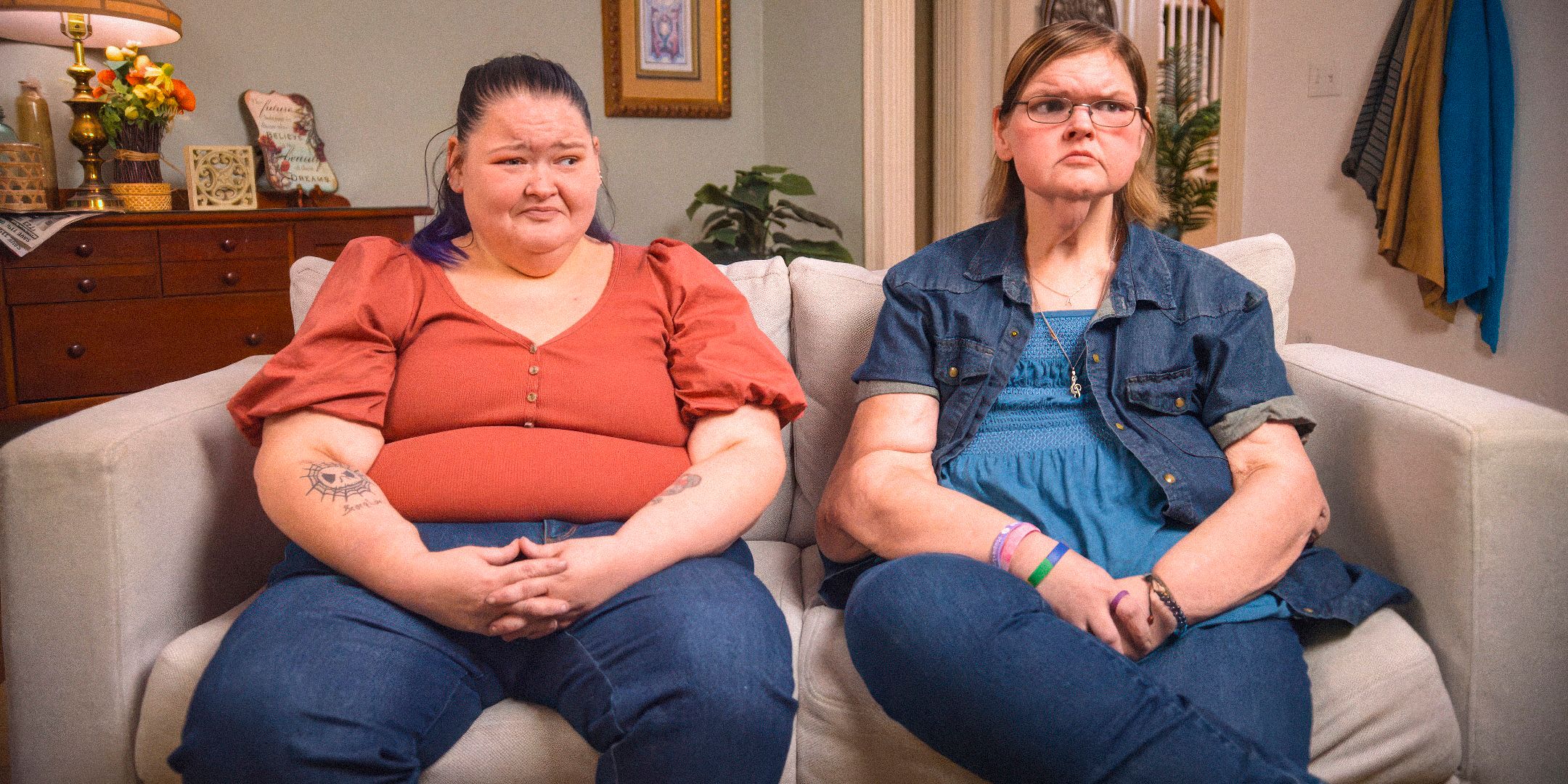
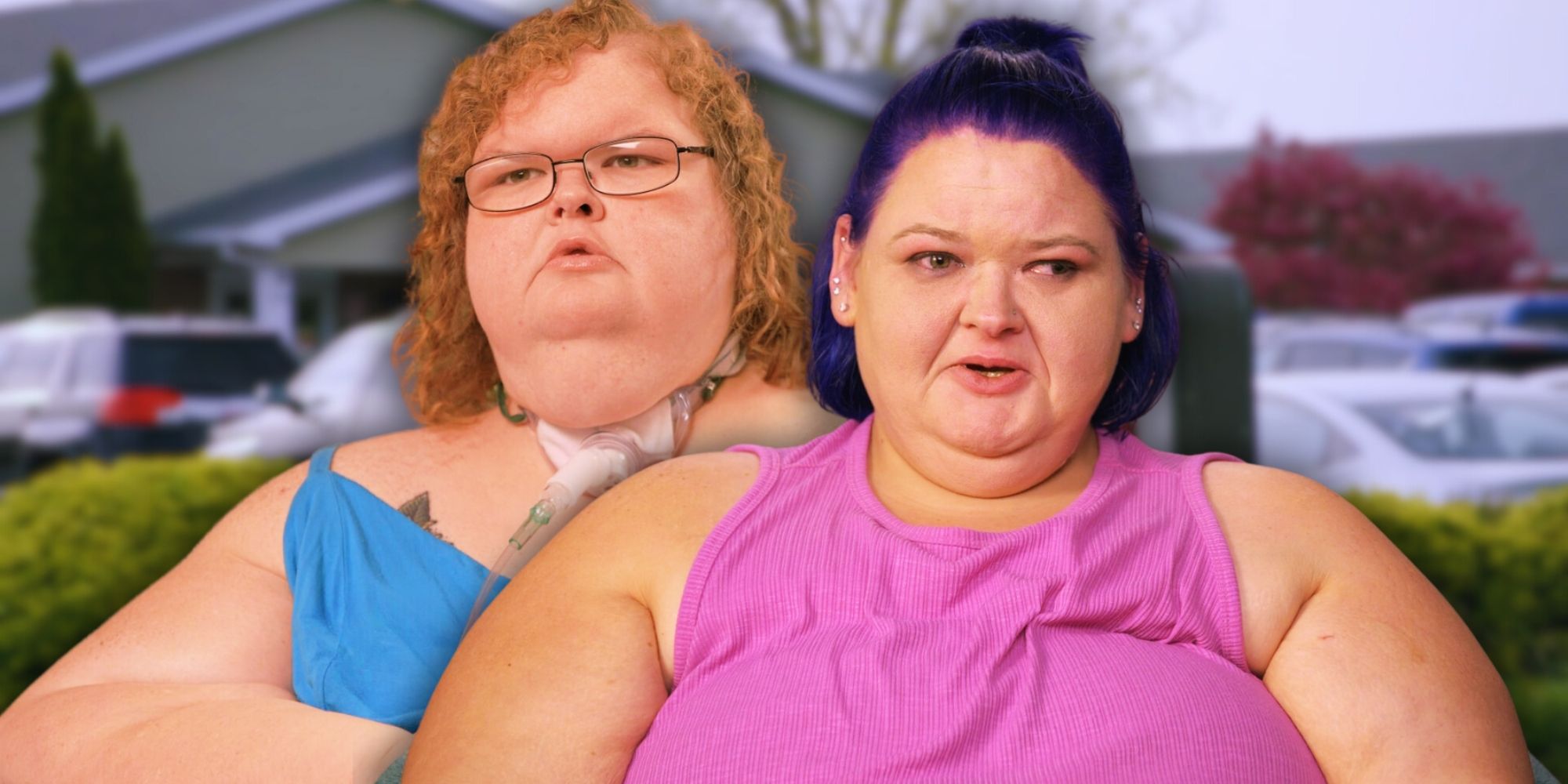
The reality television series 1000-lb Sisters, starring siblings Amy and Tammy Slaton, follows their challenging weight loss journeys, complex family dynamics, and medical interventions. The program highlights the immense physical, psychological, and logistical hurdles of severe obesity, offering viewers a candid look into bariatric medicine, lifestyle overhauls, and the reality of long-term health transformations.
The Origins and Premise of 1000-lb Sisters
The television series 1000-lb Sisters debuted on TLC in December 2019, immediately capturing public attention with its raw depiction of morbid obesity. At the start of the show, sisters Amy and Tammy Slaton possessed a combined weight exceeding 1,000 pounds—with Amy weighing over 400 pounds and Tammy scaling past 600 pounds. Hailing from Dixon, Kentucky, the sisters faced severe financial, educational, and systemic healthcare barriers that compounded their lifelong struggles with food addiction, emotional trauma, and physical immobility.
The foundational premise of the show revolves around their shared goal to qualify for and undergo bariatric surgery, a medical procedure requiring substantial lifestyle modifications, psychological clearance, and initial weight loss. Under the guidance of bariatric surgeon Dr. Charles Procter Jr. (and later other specialists), the sisters had to navigate strict dietary guidelines, physical therapy regimens, and psychological evaluations. The program documents not only their individual medical milestones but also how their codependent relationship influences their eating habits, coping mechanisms, and overall progress.
Understanding Severe Obesity and Bariatric Requirements
Severe obesity, clinically defined as a Body Mass Index (BMI) of 40 or higher, presents profound risks to nearly every organ system in the human body. For individuals featured in programs like 1000-lb Sisters, the physiological burden includes type 2 diabetes, hypertension, severe obstructive sleep apnea, non-alcoholic fatty liver disease, and debilitating joint degeneration.
Before a patient can safely undergo weight loss surgery—such as a sleeve gastrectomy or a Roux-en-Y gastric bypass—medical protocols mandate a rigorous clearance process:
- Pre-Surgical Weight Loss: Surgeons often require patients to lose a specific amount of weight independently to shrink an enlarged liver and reduce surgical risks.
- Nutritional Counseling: Patients must learn to fundamentally alter their relationship with food, transitioning to high-protein, low-carbohydrate diets and eliminating carbonated or sugary beverages.
- Psychological Evaluation: Mental health professionals assess patients for underlying eating disorders, depression, anxiety, and coping strategies to ensure they can handle post-surgical behavioral changes.
- Physical Rehabilitation: Mobility assessments ensure that patients can participate in physical therapy, which is vital for post-operative recovery and long-term weight management.
Amy Slaton: Early Milestones and Motherhood
Amy Slaton's journey on the series has been marked by major life transitions, including marriage, divorce, and the pursuit of motherhood. At the onset of the show, Amy’s primary motivation for losing weight was her desire to have children—a goal that was medically unsafe given her high BMI and uncontrolled health conditions.
Working closely with Dr. Procter, Amy successfully achieved the initial weight loss required to qualify for bariatric surgery, undergoing a gastric sleeve procedure in 2019. Following the surgery, Amy continued to lose weight, which successfully reduced the physiological risks associated with pregnancy. She subsequently gave birth to her first son, Gage, in November 2020, and her second son, Glenn, in July 2022.
However, post-surgical life presented ongoing challenges. Maintaining weight loss after bariatric surgery requires lifelong adherence to strict nutritional guidelines, vitamin supplementation, and portion control. Amy's journey illustrated the common struggle of balancing the demands of parenting young children with the rigorous self-care required to manage a chronic condition like severe obesity. Later seasons of the show also documented the strain in her marriage to Michael Halterman, culminating in their divorce and highlighting the complex ways major physical transformations can alter family dynamics.
Tammy Slaton: Critical Medical Crises and Rehabilitation
Tammy Slaton’s path through 1000-lb Sisters has been far more volatile, defined by life-threatening health scares, severe respiratory failure, and extended stays in specialized bariatric rehabilitation facilities. At her peak weight, Tammy exceeded 700 pounds, leaving her largely bedbound, reliant on supplemental oxygen, and facing imminent organ failure.
In 2021, Tammy experienced a critical medical emergency shortly after checking into a Ohio rehabilitation facility; she stopped breathing and was rushed to the hospital, where physicians placed her in a medically induced coma and performed a tracheostomy to secure her airway. This procedure involved inserting a breathing tube directly into her trachea, symbolizing the severity of her pulmonary compromise caused by obesity hypoventilation syndrome.
Despite these harrowing setbacks, Tammy achieved a major turning point during her prolonged stay at the Windsor Lane Rehabilitation Center. By committing to the facility's strict dietary and psychological framework, she steadily lost hundreds of pounds. This substantial progress eventually allowed physicians to remove her tracheostomy tube and significantly improved her mobility. In mid-2022, Tammy successfully met the stringent medical criteria required for bariatric surgery, undergoing a gastric bypass procedure performed by Dr. Eric Smith.
Key Milestones and Health Metrics of the Slaton Sisters
The table below outlines the major medical milestones, interventions, and documented health statuses of Amy and Tammy Slaton across the timeline of the series.
| Sister | Starting Weight (Approx.) | Key Bariatric Intervention | Major Health Milestones | Current Status & Ongoing Management |
|---|---|---|---|---|
| Amy Slaton | ~406 lbs | Gastric Sleeve Surgery (2019) | Achieved target weight loss for pregnancy; gave birth to sons Gage (2020) and Glenn (2022). | Managing post-surgical nutrition, navigating single motherhood following divorce, and maintaining long-term weight control. |
| Tammy Slaton | ~725 lbs | Gastric Bypass Surgery (2022) | Survived medically induced coma and tracheostomy placement (2021); successfully transitioned out of full-time wheelchair use. | Maintaining significant weight loss, focusing on skin-removal surgery consultations, and managing physical therapy. |
The Broader Impact and Cultural Discussion Surrounding the Show
1000-lb Sisters occupies a unique space in modern television, bridging the gap between documentary-style medical programming and mainstream reality entertainment. The show has sparked extensive public discourse regarding the ethics of televising severe medical conditions, the nature of family codependency, and the systemic factors contributing to the obesity epidemic in the United States.
Critics and public health advocates often examine the program through multiple lenses:
- Stigma vs. Empathy: While reality television has historically exploited sensationalism, the Slaton sisters have garnered widespread empathy for openly acknowledging their vulnerabilities, mental health struggles, and childhood trauma.
- Healthcare Accessibility: The series highlights the stark reality of how poverty, lack of nutritional education, and inadequate access to preventative healthcare in rural America contribute to chronic weight struggles.
- The Reality of Bariatric Surgery: By showing that surgery is not a magical cure but rather a tool requiring lifelong psychological and behavioral commitment, the show provides realistic educational value to viewers contemplating similar medical paths.
Frequently Asked Questions
What caused the Slaton sisters to gain so much weight?
The Slatons have attributed their severe weight gain to a combination of genetic predisposition, severe childhood trauma, poverty, and an overreliance on comfort eating. Food served as an emotional coping mechanism for unstable family dynamics and financial hardship during their upbringing in rural Kentucky.
Did both Amy and Tammy undergo bariatric surgery?
Yes. Amy Slaton underwent a gastric sleeve procedure in 2019 after meeting her initial weight loss goals. Tammy Slaton underwent a gastric bypass procedure in 2022 after losing hundreds of pounds in a specialized bariatric rehabilitation facility and having her tracheostomy removed.
Are Amy and Tammy still losing weight?
Both sisters have maintained significant weight loss compared to their starting weights at the beginning of the series. Their ongoing journeys focus on weight stabilization, addressing loose skin through potential reconstructive surgeries, and managing mental health and daily nutrition.
Where is 1000-lb Sisters filmed?
The show primarily takes place in and around Dixon and Morganfield, Kentucky, where the sisters grew up. Later seasons also feature locations in Ohio, where Tammy resided during her extended stay at a bariatric rehabilitation center.
Is weight loss surgery a permanent fix for severe obesity?
No. Bariatric surgery is a powerful medical tool that physically restricts stomach capacity and alters hormonal hunger cues, but long-term success requires permanent dietary changes, regular physical activity, and ongoing psychological support to prevent weight regain.
Practical Guidance for Understanding Bariatric Health Journeys
For viewers and individuals researching severe weight management or bariatric procedures, understanding the medical reality behind television programs is essential. Bariatric interventions require comprehensive multidisciplinary support, including endocrinologists, registered dietitians, bariatric surgeons, and mental health professionals specializing in eating disorders and behavioral modification. Anyone considering weight loss surgery should consult a qualified bariatric specialist to evaluate individual health risks, insurance prerequisites, and long-term commitment requirements.