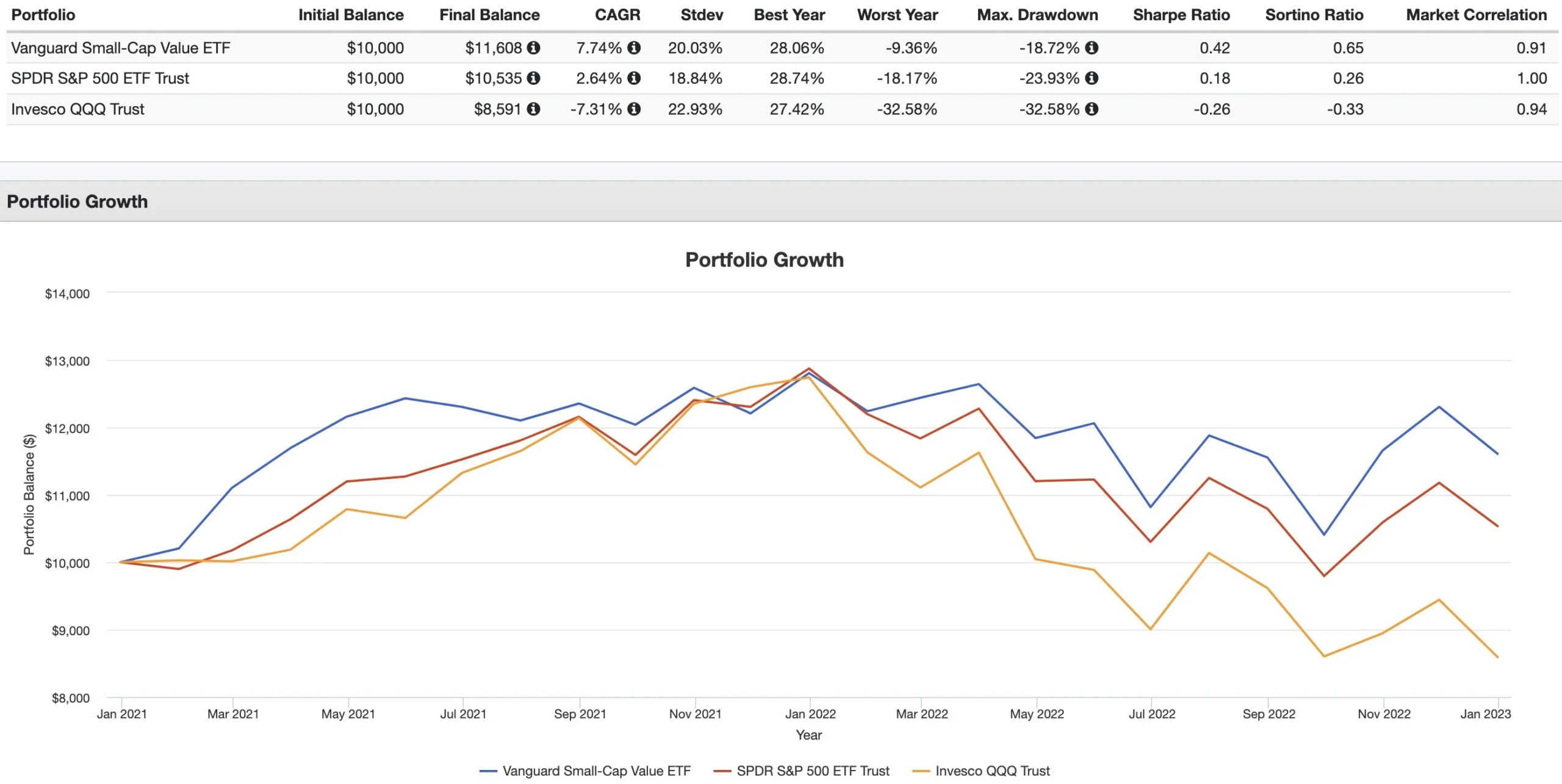
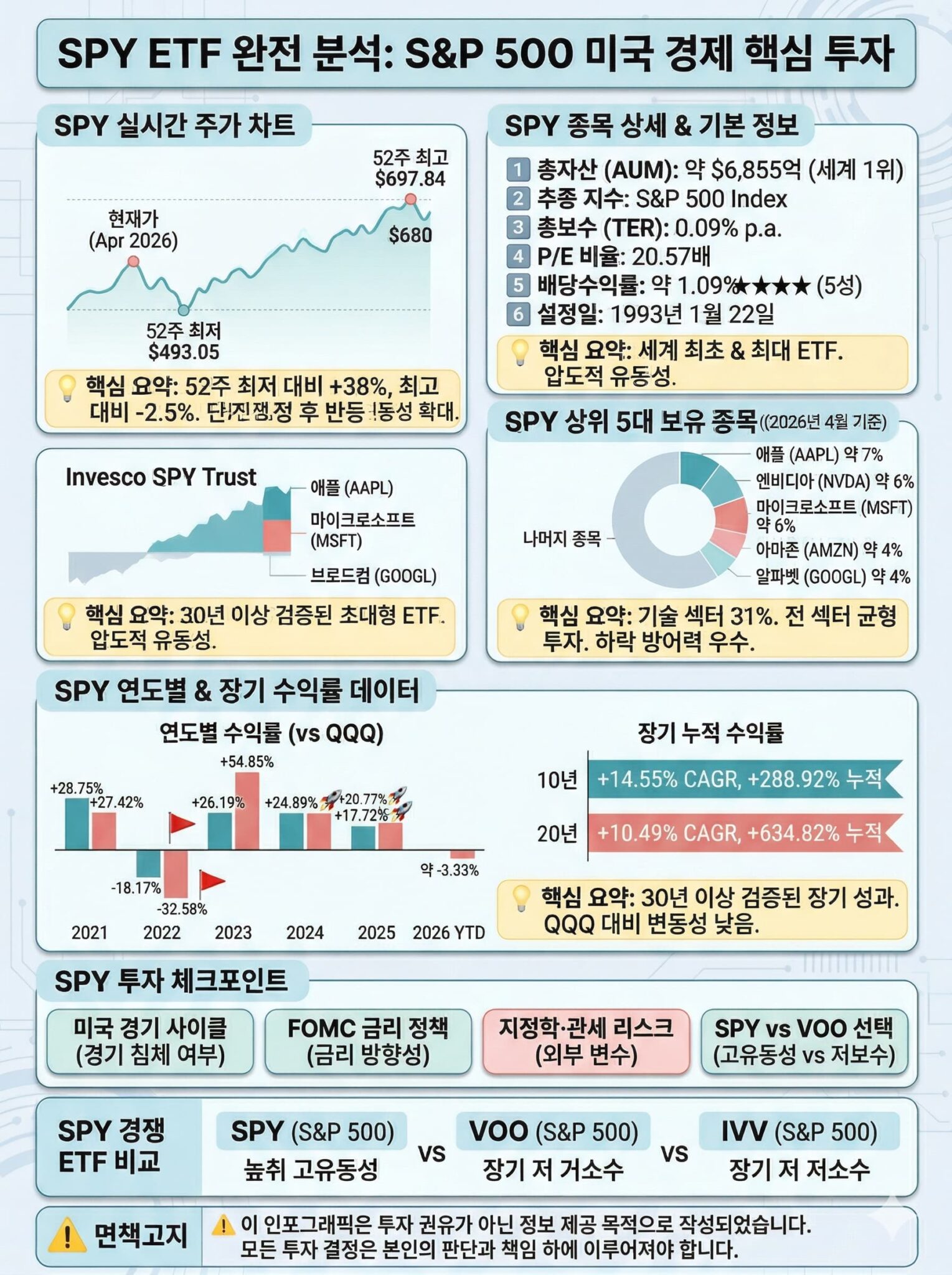
The Vanguard S&P 500 ETF (ticker: VOO) is an exchange-traded fund designed to track the performance of the S&P 500 Index, which encompasses 500 of the largest publicly traded companies in the United States. It provides investors with broad, diversified exposure to the U.S. equity market with a low expense ratio and high liquidity, making it a cornerstone for both long-term retirement portfolios and tactical asset allocation strategies.
Understanding the Vanguard S&P 500 ETF (VOO)
At its core, VOO is a passive investment vehicle. It does not attempt to outperform the market or pick winning stocks; rather, it seeks to replicate the results of the S&P 500 Index as closely as possible. By holding the same stocks in the same proportions as the index, the fund provides investors with a "market-cap-weighted" return. This means companies with larger market values exert more influence on the fund's performance than smaller companies.
As of 2026, the S&P 500 remains one of the most widely cited benchmarks for the health of the U.S. economy. Because the index is rebalanced periodically, the ETF automatically adjusts to include firms that have grown large enough to qualify and removes those that no longer meet the eligibility criteria. This self-cleansing mechanism ensures that the fund remains current with the evolving landscape of the American economy.
Key Characteristics and Mechanics
Investors often choose VOO for its efficiency and simplicity. When you purchase a share of VOO, you are effectively buying a small slice of 500 distinct companies.
- Expense Ratio: One of the most significant advantages of this ETF is its extremely low expense ratio. Since the fund is passively managed, administrative costs are kept to a minimum, ensuring that the vast majority of the fund's returns are passed on to shareholders rather than consumed by management fees.
- Diversification: By holding shares across sectors—including technology, healthcare, financials, consumer discretionary, and industrials—the fund mitigates the risk associated with any single company’s failure.
- Liquidity: VOO is traded on major stock exchanges throughout the day. This allows investors to buy or sell shares at market prices during standard trading hours, offering far greater flexibility than traditional mutual funds, which only price once per day after the market closes.
- Dividends: The underlying companies in the S&P 500 often pay dividends. VOO collects these dividends and distributes them to shareholders on a quarterly basis. Investors can choose to receive these as cash or reinvest them to purchase additional shares, accelerating the power of compounding.
Comparison: VOO vs. Mutual Funds and Other ETFs
It is important to understand where VOO fits within an investment strategy compared to other options. While VOO is an ETF, Vanguard also offers an equivalent mutual fund (VFIAX).
| Feature | Vanguard S&P 500 ETF (VOO) | Traditional Mutual Fund (e.g., VFIAX) |
|---|---|---|
| Trading Frequency | Throughout the trading day | Once per day (at market close) |
| Minimum Investment | Price of one share | Often higher minimums (e.g., $3,000+) |
| Tax Efficiency | High (due to ETF structure) | Varies (often similar to ETFs) |
| Primary Use Case | Active traders & long-term holders | Systematic, automated investing |
The choice between these structures often depends on the broker you use and your preferred method of contribution. If you want to automate monthly investments without needing to log in and buy shares, a mutual fund might be more convenient. If you prefer the ability to execute trades at specific price points during the day, the ETF structure is superior.
Eligibility and Prerequisites for Investment
To invest in the Vanguard S&P 500 ETF, you must have a brokerage account. Because VOO is traded like a common stock, any platform that allows for the purchase of U.S. equities will provide access to it.
- Opening a Brokerage Account: You must provide personal identification, tax information, and banking details to link your accounts.
- Funding the Account: Before purchasing, you must transfer cash from your bank account to your brokerage account.
- Order Execution: You will select "Market Order" (to buy immediately at the best available price) or "Limit Order" (to buy only if the price drops to a specific level you choose).
- Tax Considerations: Investors should be aware of the tax implications. Capital gains taxes are triggered when you sell your shares for a profit, and dividends are generally taxable in the year they are received unless held within a tax-advantaged account like an IRA or 401(k).
The Role of Passive Management
Passive management, the strategy employed by VOO, is built on the "Efficient Market Hypothesis." This theory suggests that it is exceptionally difficult to consistently beat the market after accounting for fees and taxes. By choosing an S&P 500 tracking fund, an investor acknowledges that "average" market returns—which have historically been significant over long horizons—are often superior to the outcomes produced by active stock picking.
The manager of the fund does not sit in a room deciding which stocks to buy or sell. Instead, the fund’s programming dictates changes based on index committee updates. This lack of human intervention is a core safety feature; it removes emotional bias and reduces the risk of "manager error," where an individual investor or portfolio manager might make a poor bet on a specific sector or company.
Potential Risks and Limitations
While VOO is a foundational investment for many, it is not without risks:
- Market Volatility: The S&P 500 is subject to the inherent ups and downs of the stock market. During periods of economic contraction, the value of the fund will decrease.
- Lack of International Exposure: VOO consists entirely of U.S.-based companies. While many of these companies have global operations, investors seeking true international diversification would need to supplement VOO with funds that track non-U.S. markets.
- Concentration Risk: Because it is market-cap-weighted, a small number of very large companies (often in the technology sector) can disproportionately influence the fund's total return. If these "mega-cap" companies perform poorly, the entire fund may suffer even if the remaining 490 companies perform adequately.
Frequently Asked Questions
1. Is VOO better than a total stock market fund? The choice depends on your goals. VOO focuses on the 500 largest U.S. companies. A total stock market fund (like VTI) includes those 500 plus thousands of smaller, mid-cap, and small-cap companies. VTI provides broader coverage, while VOO provides more focused exposure to large-cap stocks.
2. Can I lose money with the Vanguard S&P 500 ETF? Yes. All equity investments carry the risk of loss. The value of your investment fluctuates based on the share prices of the companies within the S&P 500. It is possible to sell your shares for less than you paid if the market is down.
3. Does VOO pay dividends, and can I reinvest them? Yes, VOO pays quarterly dividends. Most modern brokerage platforms offer a "Dividend Reinvestment Plan" (DRIP). Enrolling in this service automatically uses your dividends to purchase fractional or full shares of the ETF, which is an excellent strategy for long-term growth.
4. How often is the S&P 500 index rebalanced? The index is managed by S&P Dow Jones Indices. Changes to the index—such as adding a company that has grown or removing one that has declined—happen on an "as-needed" basis, though they review the constituents regularly to ensure the index remains representative of the market.
5. Is there a minimum balance required to start buying VOO? No, VOO does not have a minimum investment requirement beyond the price of one single share. Many brokers now also allow for the purchase of "fractional shares," meaning you can invest as little as $1 or $5 regardless of the share price.
Practical Next Actions
If you are considering adding the Vanguard S&P 500 ETF to your portfolio, start by auditing your existing holdings to determine if you already have exposure to large-cap U.S. stocks. If you decide to proceed, the next step is to log into your brokerage platform, search for the ticker symbol "VOO," and evaluate the current share price against your investment budget.
Remember that investing in an S&P 500 ETF is generally considered a long-term strategy. The benefits of low fees and market-matching returns compound most effectively over years and decades rather than days or months. Always consult with a qualified financial advisor regarding your personal tax situation and retirement goals before making significant changes to your asset allocation.