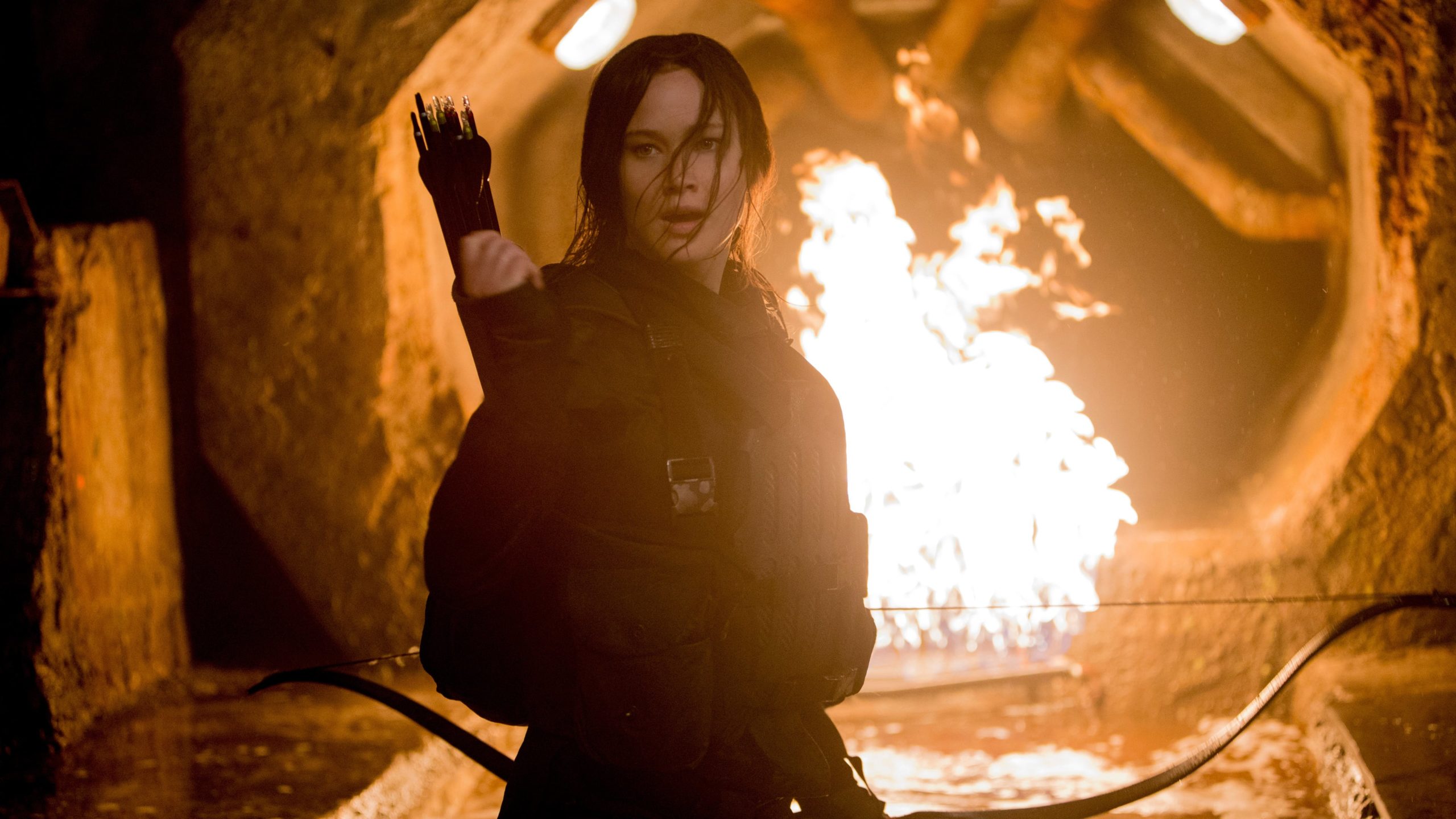
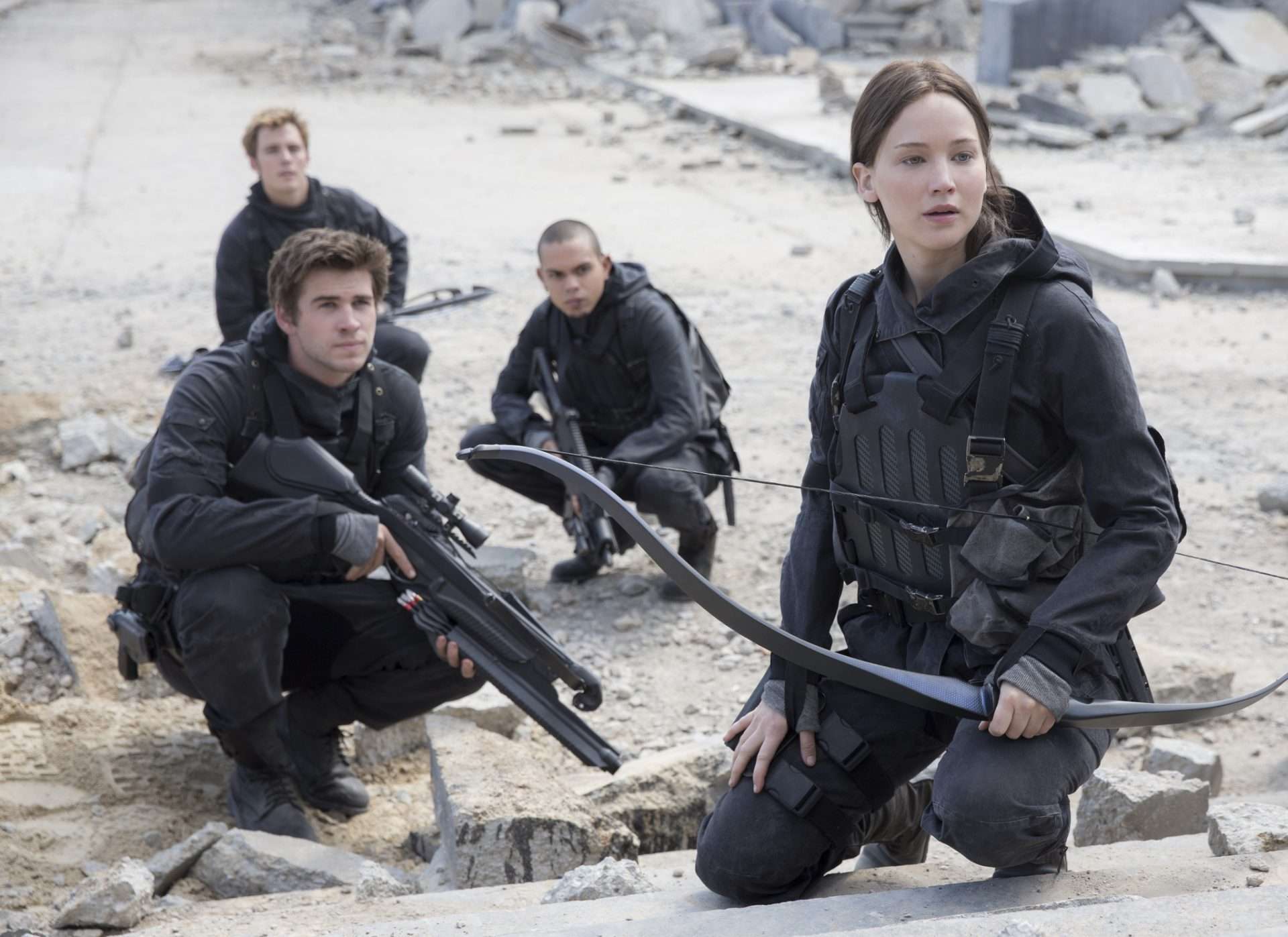
The ending of The Hunger Games: Mockingjay – Part 2 concludes Katniss Everdeen’s journey with the assassination of President Alma Coin instead of President Snow. This pivotal choice prevents a new cycle of tyranny. Following a transition to a democratic Panem, Katniss retires to District 12, eventually finding peace and starting a family with Peeta Mellark.
The conclusion of the Hunger Games tetralogy is a complex meditation on the cyclical nature of violence, the cost of revolution, and the enduring scars of trauma. While the physical war against the Capitol ends with the fall of the Snow regime, the psychological and political battles continue until the final frames. Understanding the ending requires a deep dive into the motivations of Katniss Everdeen, the betrayal by leadership, and the symbolic weight of the "Real or Not Real" dynamic.
The Siege of the Capitol and the Parachute Incident
To understand the ending, one must first analyze the tragedy that occurs during the final assault on President Snow’s mansion. As the rebel forces and Capitol citizens converge, a hovercraft bearing the Capitol seal drops silver parachutes—traditionally symbols of aid in the Games—among a crowd of children. These parachutes contain explosives that detonate in two waves.
The first wave injures the children, and the second wave kills the rebel medics who rush in to help. Among those medics is Primrose Everdeen, Katniss’s younger sister. This event is the emotional fulcrum of the entire series. Katniss began her journey by volunteering to save Prim; the revolution ends with Prim’s death.
The tactical cruelty of this "double-tap" explosion is significant because it was a strategy designed by Gale Hawthorne and Beetee earlier in the film. Although Gale did not personally drop the bombs, his willingness to sacrifice innocence for military efficiency creates an irreparable rift between him and Katniss. This event proves that the "rebellion" under President Coin has adopted the same ruthless morality as the Capitol.
Why Katniss Assassinated President Coin
The most critical moment of the finale is the scheduled execution of President Snow. Katniss, dressed in her Mockingjay uniform, aims her bow not at the deposed dictator, but at the newly self-appointed Interim President, Alma Coin.
The Conversation in the Rose Garden
Before the execution, Katniss speaks with a dying Snow in his greenhouse. Snow reveals that the parachute bombing was actually Coin’s idea, intended to turn the last of the Capitol’s supporters against him and to break Katniss’s spirit. Snow famously tells Katniss, "I thought we had agreed not to lie to each other." Katniss realizes that while Snow was a monster, he was an honest one, whereas Coin was a manipulator who used the revolution to seize personal power.
The Vote for the 76th Hunger Games
The final confirmation of Coin’s tyranny comes when she proposes a "symbolic" 76th Hunger Games featuring the children of the Capitol’s elite. By suggesting this, Coin demonstrates that she has no intention of ending the cycle of vengeance. Katniss votes "yes" to this proposal, but only to gain Coin’s trust and ensure she is allowed to be the executioner at the ceremony. Her vote was a tactical ruse, a concept supported by the scholarly analysis of the character's psychological development.
When Katniss releases the arrow into Coin’s chest, she is essentially "killing" the next potential dictator before another reign of terror can begin. It is an act of ultimate sacrifice, as she expects to be executed immediately for the deed.
The Fate of President Snow
In the chaos following Coin’s assassination, President Snow is not executed by an arrow. Instead, he is seen laughing as the crowd of enraged citizens swarms him. The film leaves his exact cause of death slightly ambiguous, but it is understood that he either succumbed to his existing illness (the sores in his mouth from years of drinking poison) or was torn apart by the mob.
His laughter serves as a final taunt. He won a moral victory by proving to Katniss that the rebels were just as capable of horror as he was. However, by killing Coin, Katniss robbed Snow of his final satisfaction: seeing his successor become exactly like him.
The Political Aftermath: A New Panem
Following the dual deaths of Coin and Snow, Panem does not descend into further civil war. This is largely due to the intervention of moderate leaders.
- Commander Paylor: The leader from District 8 is elected as the new President of Panem. Unlike Coin, Paylor is a battlefield commander who witnessed the horrors of war firsthand and is committed to a democratic transition.
- Abolition of the Games: One of the first acts of the new government is the permanent abolition of the Hunger Games. The arenas are destroyed or turned into memorials.
- The Trial of Katniss Everdeen: Katniss is kept in custody for a period, but due to her mental state and the testimony of Dr. Aurelius, she is acquitted of murder by reason of insanity. She is exiled to District 12, which serves as both a punishment and a mercy.
Gale Hawthorne’s Departure
Gale’s ending is one of the most somber aspects of the finale. When he visits Katniss before she leaves for District 12, the tension regarding the bombs is palpable. Katniss asks him if it was his bomb that killed Prim. Gale’s inability to deny it—and his admission that he will never know for sure—effectively ends their relationship.
Gale moves to District 2 to take a high-ranking military or government position. He represents the "fire" of the revolution: necessary to start the change, but too destructive to remain once the peace has begun. Katniss realizes that she cannot be with someone who reminds her of the loss of her sister and the cold calculus of war.
Peeta Mellark and the "Real or Not Real" Recovery
Peeta’s journey in Mockingjay Part 2 focuses on his recovery from "hijacking"—a form of brainwashing involving tracker jacker venom used by the Capitol to make him hate Katniss. Throughout the film, Peeta uses the "Real or Not Real" game to distinguish between his fabricated memories and the truth.
By the end of the film, Peeta returns to District 12. He is not fully "cured," as the trauma of the Games and the hijacking will always remain. However, he has regained his core identity as a kind, empathetic person. He helps Katniss heal by planting primroses in front of her house as a tribute to her sister.
The relationship between Katniss and Peeta is not a traditional romance but a partnership of shared survival. Peeta represents the "dandelion in the spring"—the promise of rebirth and hope that Katniss needs to balance her own inner darkness.
The Epilogue: The Meadow Scene
The film concludes with an epilogue set several years into the future. Katniss and Peeta are shown in a lush, green meadow—formerly the site of many District 12 deaths, now a place of life. They have two children: a girl and a boy.
The Significance of the Children
The decision to have children was a massive hurdle for Katniss, who spent most of her life refusing to bring offspring into a world where they could be reaped for the Games. The existence of her children is the ultimate proof that Panem has truly changed.
The Final Monologue
Katniss watches Peeta play with their son while she holds their infant daughter. She explains how she handles her nightmares: she makes a list of every good thing she has ever seen someone do. It’s a "game" she describes as tedious but effective. Her final line, "There are much worse games to play," brings the series full circle. It acknowledges that while the Hunger Games are over, the struggle to live with the memory of them is a lifelong process.
Summary of Character Endings
| Character | Final Status | Role in the New Panem |
|---|---|---|
| Katniss Everdeen | Alive | Resides in District 12; Mother and survivor. |
| Peeta Mellark | Alive | Resides in District 12; Artist and baker. |
| Gale Hawthorne | Alive | High-ranking official in District 2. |
| Haymitch Abernathy | Alive | Resides in District 12; Raising geese and recovering. |
| Effie Trinket | Alive | Returned to the Capitol to assist in the transition. |
| Plutarch Heavensbee | Alive | Secretary of Communications for the new government. |
| President Snow | Deceased | Died during the post-assassination riots. |
| President Coin | Deceased | Assassinated by Katniss Everdeen. |
Themes of Memory and Trauma
As of 2026, The Hunger Games remains a touchstone for discussions on Post-Traumatic Stress Disorder (PTSD) in popular media. The ending of Mockingjay Part 2 does not offer a "happily ever after" in the traditional sense. Instead, it offers a "survivor's peace."
The film emphasizes that victory does not erase the cost. Katniss is visibly scarred, both physically and emotionally. The ending suggests that while the structures of oppression can be dismantled in a day, the internal healing of a population takes generations. This is why the epilogue focuses on the children; they are the first generation to grow up without the "shadow of the reaping," yet their parents carry the weight of that shadow for them.
FAQ: Common Questions About the Ending
Why did Katniss vote for a final Hunger Games?
Katniss voted "yes" for a final Games involving Capitol children to convince President Coin that she was on her side. If Katniss had voted "no" and shown defiance, Coin likely would not have allowed her to be the one to execute Snow, or might have had Katniss neutralized before the ceremony. It was a strategic lie to ensure she could get close enough to assassinate Coin.
Does Katniss love Gale or Peeta?
By the end of the story, Katniss chooses Peeta. She realizes that she and Gale are too similar in their "fire" and anger. Peeta provides the peace, stability, and kindness she needs to survive her trauma. As the book states, she needs the "dandelion in the spring," not more fire.
Who became the President after Coin died?
Commander Paylor of District 8 became the President. She was seen as a fair and capable leader who was not interested in the authoritarian tactics used by both Snow and Coin. Under her leadership, Panem moved toward a representative democracy.
What happened to the other victors?
Most of the other victors died during the Quarter Quell or the subsequent revolution. Only a few, including Johanna Mason, Annie Cresta, and Enobaria, survived. Annie returned to District 4 and eventually had a son (Finnick’s child), while Johanna remained in District 7, still dealing with the trauma of her torture in the Capitol.
Did Katniss actually go crazy?
The ending suggests Katniss suffered a severe mental breakdown following Prim’s death and the assassination of Coin. However, her "insanity" was also used as a legal defense to prevent her execution. While she is deeply traumatized and suffers from chronic PTSD, she remains functional and eventually finds a level of stability in District 12.
Final Recommendations for Fans
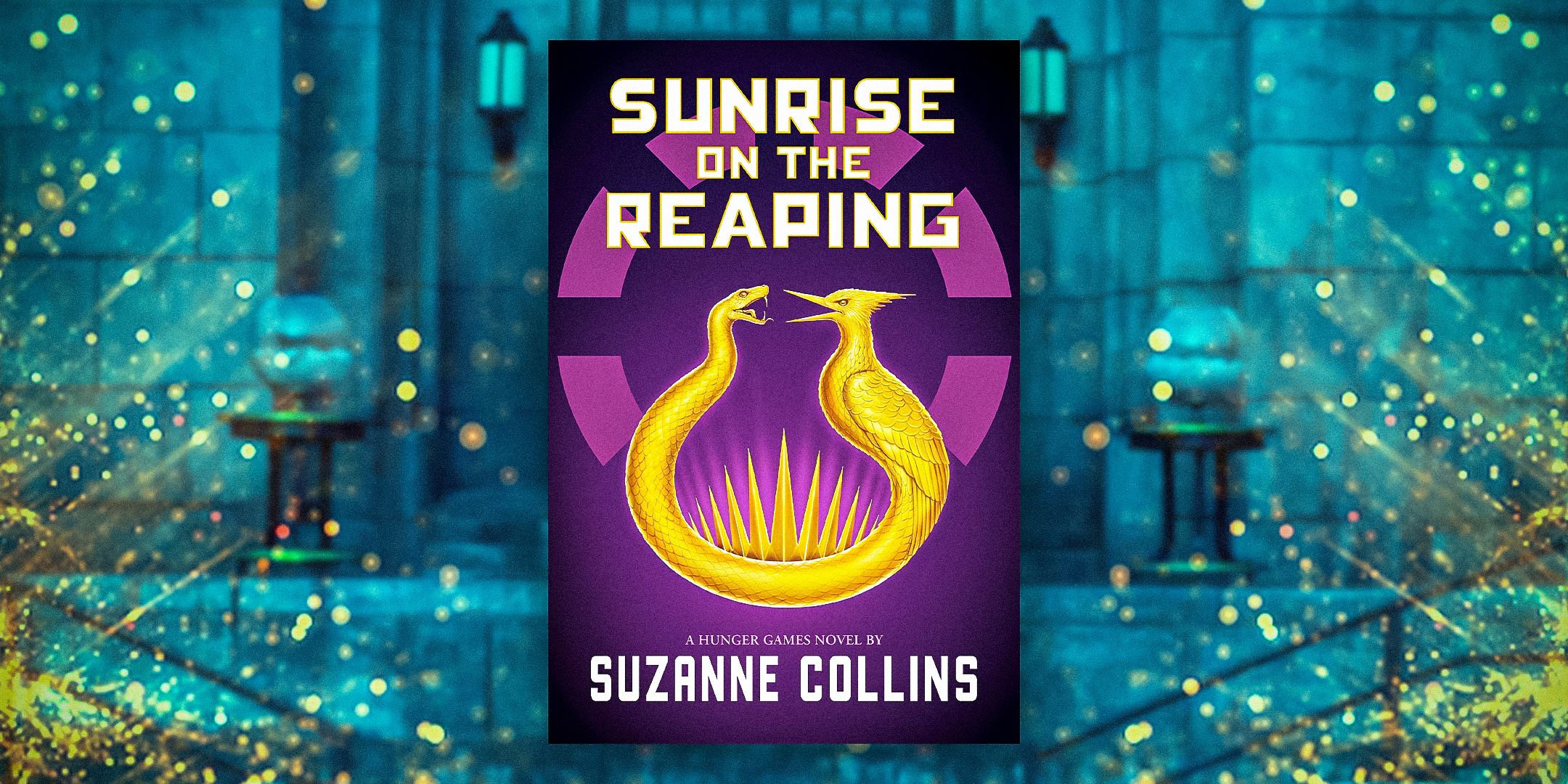
For those who have just finished the film series, exploring the original novels by Suzanne Collins provides even deeper insight into Katniss’s internal monologue, which is often difficult to translate to the screen. Additionally, the prequel The Ballad of Songbirds and Snakes (both the novel and the 2023 film) offers essential context on how the Hunger Games began and how Coriolanus Snow rose to power, making his eventual downfall in Mockingjay Part 2 even more poignant.
The legacy of the Mockingjay ending serves as a reminder that the price of freedom is often paid by those who never get to fully enjoy it. Katniss Everdeen remains one of the most significant "reluctant heroes" in cinema, precisely because her victory was not found in the glory of war, but in the quiet of the meadow.