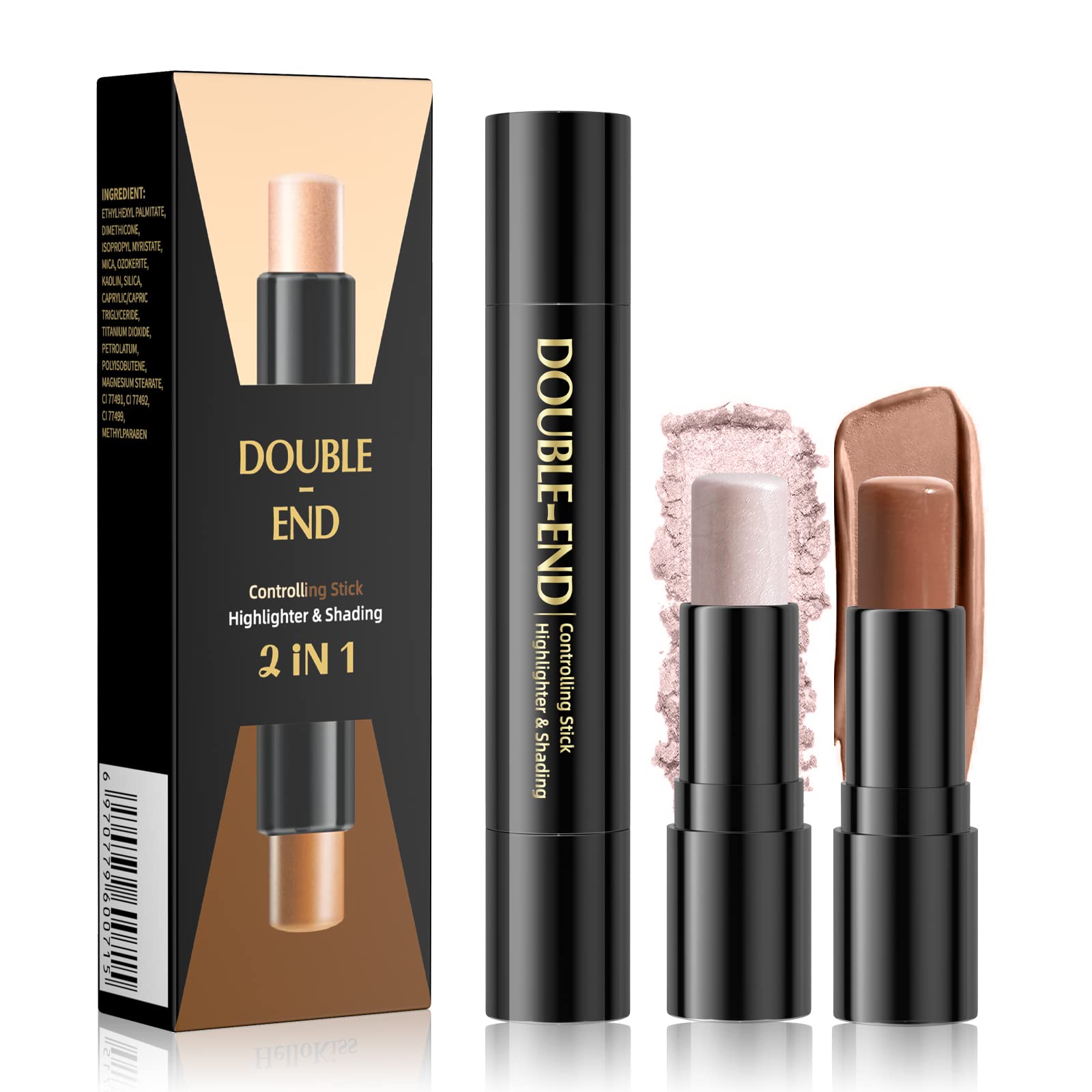
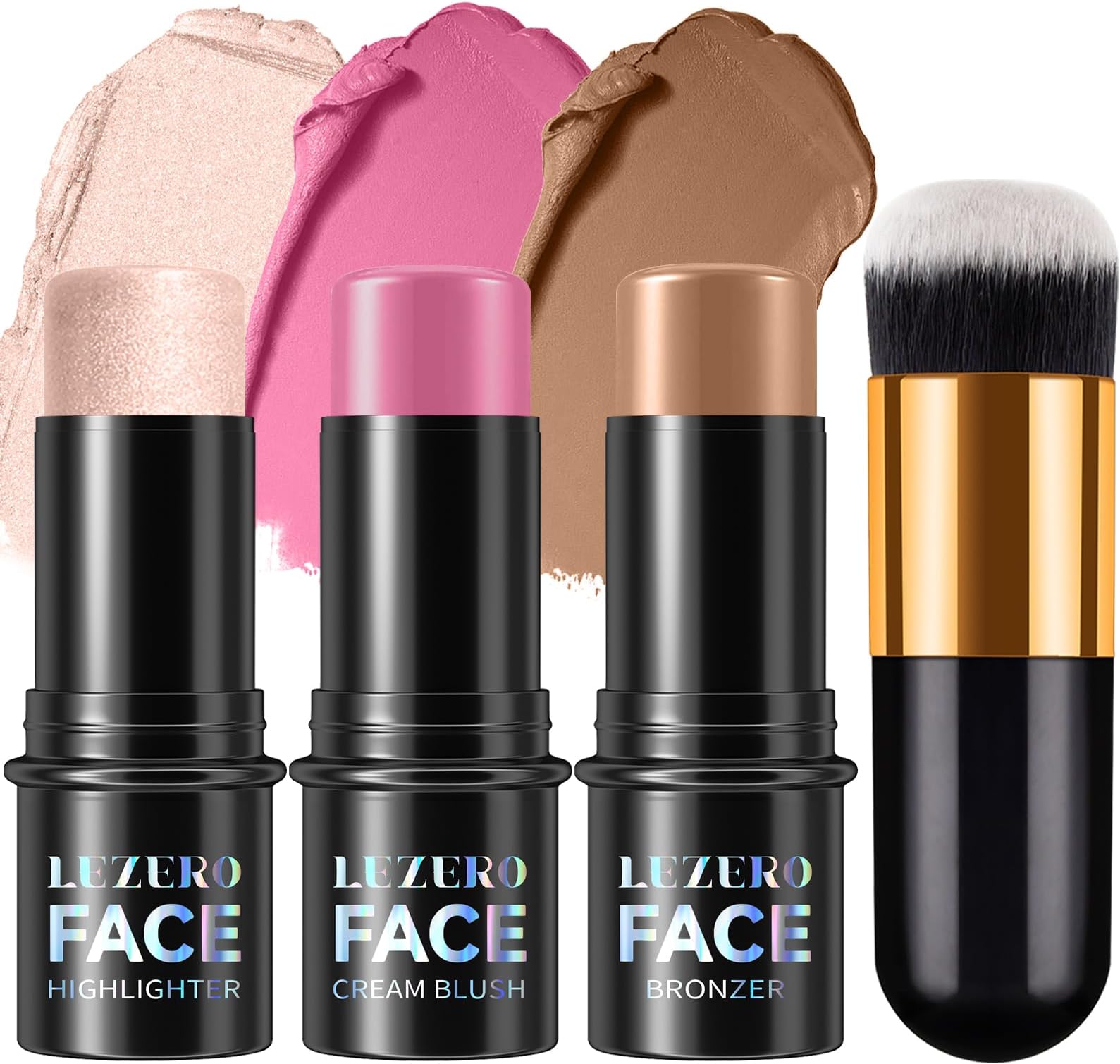
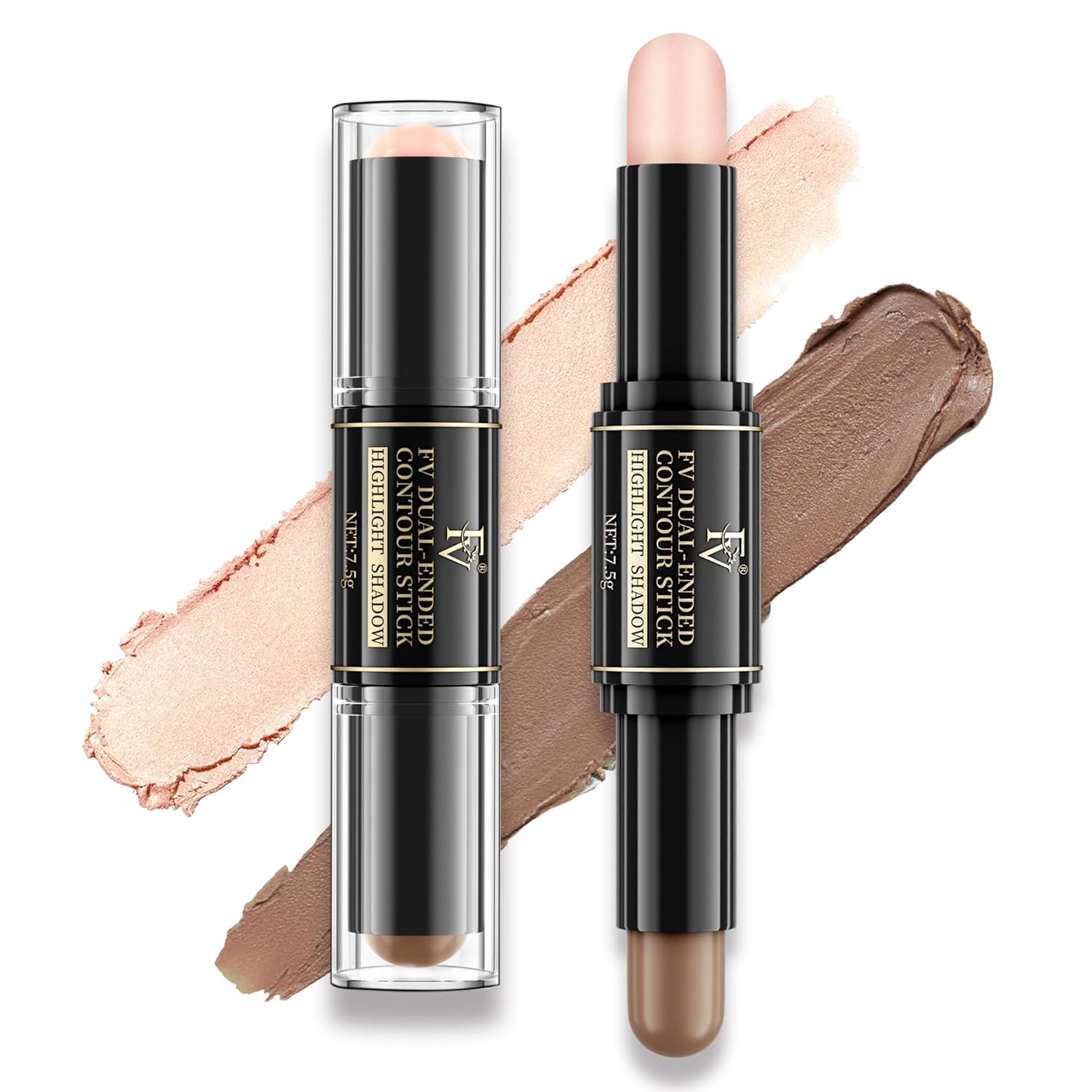
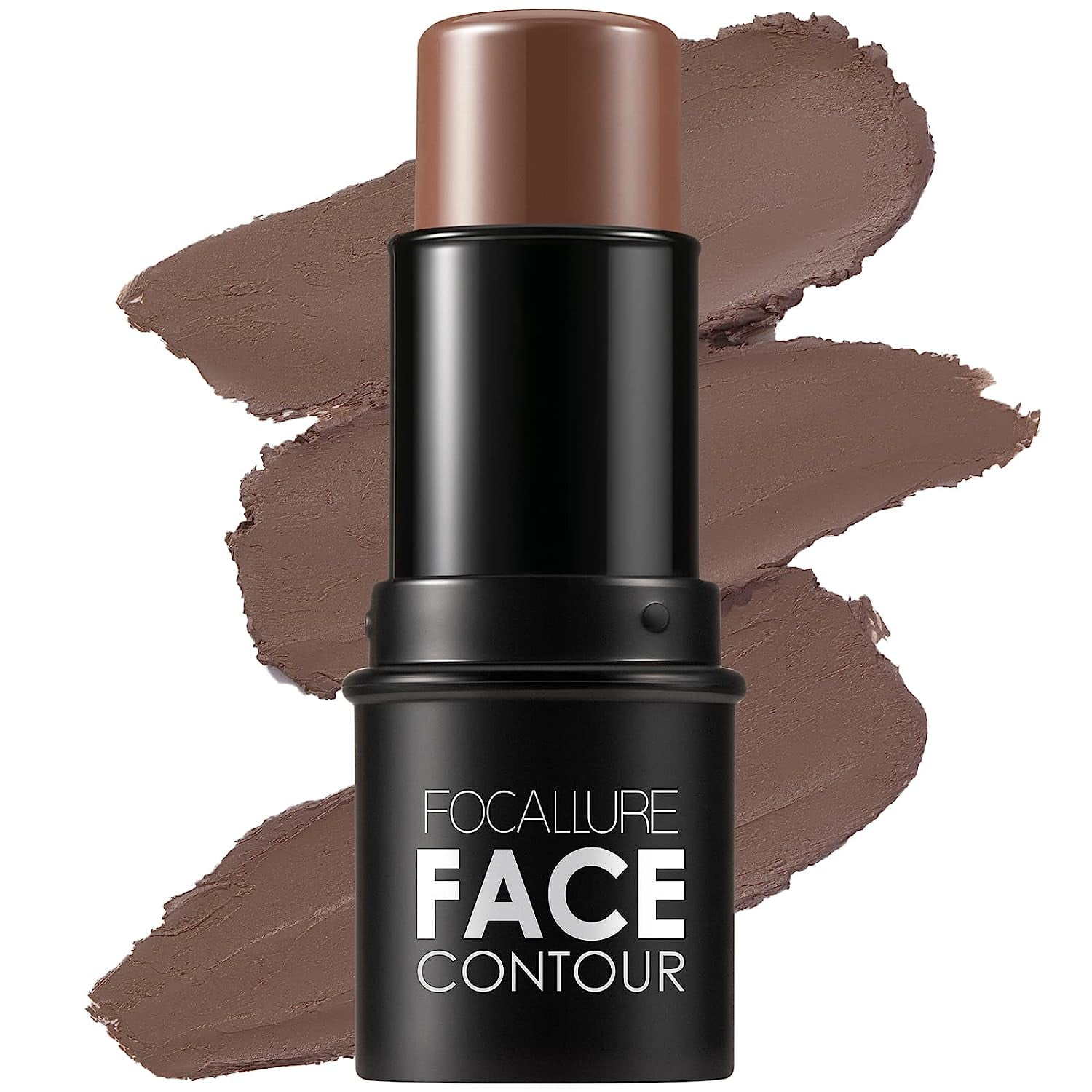
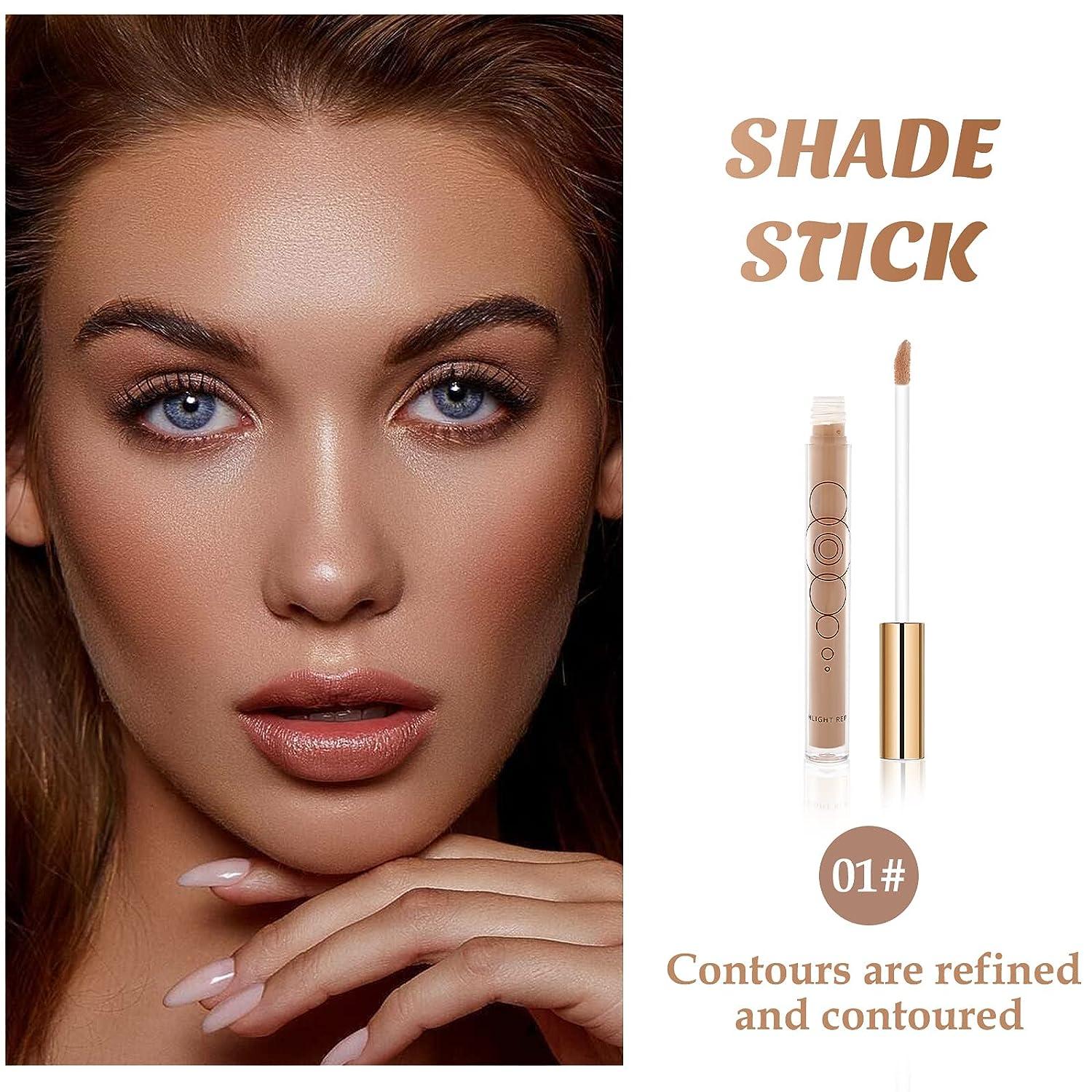
Finding the single best cream contour stick depends heavily on your skin type, undertone preferences, and desired finish, but top industry contenders like the Westman Atelier Face Trace Cream Contour Stick and Fenty Beauty Match Stix Contour Skinstick consistently lead the market for their blendability, shade range, and longevity.
The quest for structural definition and dimensional warmth in makeup routines has made the cream contour stick an essential vanity staple. Unlike powdered alternatives, cream formulations mimic the natural shadow and depth of human skin, melting seamlessly into foundations and tinted moisturizers. However, the sheer volume of products available on the market can make selecting the right one an overwhelming task. Whether you are aiming for a razor-sharp, runway-ready sculpt or a soft, sun-kissed diffusion of shadow, understanding the engineering, formulation science, and application mechanics of cream contour sticks is critical.
This guide evaluates the premier options available, examines how different skin types interact with various wax-and-oil bases, and details the criteria necessary to find the ideal contour tool for your specific needs.
Understanding Cream Contour Sticks: Formulation Science and Mechanics
To appreciate why certain contour sticks outperform others, one must examine their underlying chemical composition. Cream contour sticks are typically formulated using a matrix of waxes (such as candelilla, beeswax, or synthetic waxes), emollients (like caprylic/capric triglyceride or plant-based oils), and finely milled pigments.
The Balance of Waxes and Emollients
The ratio of wax to oil determines the product's glide, opacity, and set time.
- High-wax formulations: These offer structural integrity, making the stick less prone to melting in warmer climates and easier to control for precise, fine-line application. However, they can sometimes tug on dry skin if the emollient base is insufficient.
- High-emollient formulations: These glide effortlessly across the skin like butter, making them ideal for mature or dry complexions. The trade-off is often reduced longevity and a higher tendency to crease or slide if not properly set with a translucent powder or setting spray.
Undertone Accuracy: Cool vs. Warm
A common pitfall in contouring is confusing contour with bronzer. Bronzer is designed to add warmth to the high points of the face where the sun naturally hits (using red, orange, or golden undertones). Contour, conversely, is meant to replicate a shadow. Therefore, high-performing cream contour sticks feature cool, grey, taupe, or neutral ash undertones. Choosing a product with the correct undertone prevents the face from looking muddy or artificially orange.
Evaluating Top Contenders: The Best Cream Contour Sticks
The cosmetics market features several standout options tailored to different budgets, skin types, and performance expectations. Below is a detailed breakdown of the leading cream contour sticks.
| Product Name | Best For | Finish Type | Primary Undertone Range | Key Formulation Feature |
|---|---|---|---|---|
| Westman Atelier Face Trace | Luxury / Dry Skin | Natural Satin | Neutral / Cool Taupe | Infused with organic jojoba oil and antioxidant berry flux extract. |
| Fenty Beauty Match Stix | Longevity / Oily Skin | Matte | Broad (Cool to Neutral) | Long-wear, weightless matte formula that resists caking. |
| Milk Makeup Sculpt Stick | Ease of Use / Beginners | Natural Matte | True Cool Ash | Formulated with hydrating mango butter and avocado oil. |
| Makeup by Mario SoftSculpt | Seamless Blendability | Natural Skin-like | Olive and Warm-Neutral | Features a built-in buffing brush on the reverse end. |
| Anastasia Beverly Hills Contour Stick | Precision / Full Coverage | Velvet Matte | Comprehensive Range | Highly pigmented, cream-to-powder finish for structured looks. |
Westman Atelier Face Trace Cream Contour Stick
Celebrity makeup artist Gucci Westman designed this stick to marry clean beauty standards with high-performance luxury. Housed in a heavy, magnetic component, the formula glides on effortlessly without disturbing underlying foundation.
- Performance: It boasts a skin-loving ingredient deck featuring organic jojoba seed oil to lock in moisture and ayurvedic plant extracts to soothe redness.
- Suitability: Exceptional for normal, dry, and mature skin types due to its emollient-rich glide. It sets to a sophisticated, second-skin satin finish that never looks flat.
Fenty Beauty Match Stix Contour Skinstick
Rihanna’s brand revolutionized complexion matching by introducing true cool-toned shadows suitable for deep and fair skin tones alike.
- Performance: The formulation is designed to be buildable and long-wear. It features a drier, more controlled texture that locks into place quickly.
- Suitability: Ideal for combination and oily skin types. Because it sets down to a true matte finish, it resists midday sebum breakdown much better than oil-heavy formulations.
Milk Makeup Sculpt Stick
Milk Makeup popularized the user-friendly, chunky stick format designed for direct-to-face application.
- Performance: Infused with hydrating ingredients like mango butter and avocado oil, this formula prevents the chalky or heavy buildup common with older cream formulas. The shade range (including popular hues like Baked and Perked) leans deliberately into cool, realistic shadow territory.
- Suitability: Best for everyday, low-maintenance makeup routines where speed and foolproof blending are priorities.
Makeup by Mario SoftSculpt Shaping Stick
Created by master makeup artist Mario Dedivanovic, this dual-ended product bridges the gap between cream and powder techniques.
- Performance: The formula is uniquely sheer-yet-buildable, meaning it is almost impossible to over-apply or create harsh, muddy streaks. The included angled buffing brush on the opposite end makes on-the-go touchups effortless.
- Suitability: Perfect for beginners and professionals who value effortless diffusion and a soft-focus, airbrushed aesthetic.
Matching Your Skin Type to the Right Cream Contour Stick
Selecting a product purely based on online reviews can lead to frustration if the formula clashes with your skin’s biological behavior. Skin barrier composition dictates how waxes and oils absorb or sit on the epidermis.
- Skin Type Analysis
- Dry Skin -> High Emollient, Oil-Infused (e.g., Westman Atelier, Milk Makeup)
- Oily Skin -> Matte, Long-Wear, Low Oil (e.g., Fenty Beauty, ABH)
- Sensitive -> Fragrance-Free, Clean Formulations (e.g., Mineral-based sticks)
Dry and Mature Skin
Dry skin lacks natural sebum, causing wax-heavy contour sticks to cling to dry patches or settle into fine lines. Look for formulas featuring hyaluronic acid spheres, squalane, plant butters (shea, mango, or cocoa), and vitamin E. Avoid products marketed as "extreme long-wear" or "ultra-matte," as these frequently contain volatile silicones and drying alcohols that exacerbate dehydration.
Oily and Acne-Prone Skin
Excess sebum production can break down emollient-heavy cream products within hours, leading to patchiness or oxidized color shifts. Oily skin benefits from cream-to-powder sticks or drier matte formulations. Ingredients like silica, kaolin clay, and lightweight esters help absorb oil while maintaining structural pigment integrity. Non-comedogenic certifications are also vital to prevent pore congestion.
Combination Skin
For those with an oily T-zone and normal-to-dry cheeks, a balanced satin finish—such as Makeup by Mario or Westman Atelier—works best, provided it is lightly set with a translucent setting powder exclusively over the areas prone to shine.
Step-by-Step Application Methodology for Flawless Dimension
Even the most advanced cream contour stick will yield subpar results if applied using incorrect techniques or tools. Mastering the application requires understanding facial architecture and product layering science.
- Prep the Canvas: Ensure your liquid or cream foundation is blended and even. While some cream contours can be applied directly over bare skin for a natural look, applying them over wet or unset foundation ensures the smoothest glide.
- Direct vs. Indirect Application:
- Direct: Swiping the stick straight onto the face offers maximum pigment payoff, but can deposit too much product for beginners.
- Indirect: Swirling a dense, synthetic contour brush or your fingertips directly onto the stick and then transferring it to the face provides superior control and prevents foundation displacement.
- Placement Mapping:
- Cheekbones: Locate the hollow of the cheek by drawing an imaginary line from the top of the ear toward the corner of the mouth. Stop about two-thirds of the way down—do not bring the contour all the way to the lips, as this drags the face down visually.
- Jawline: Apply along the underside of the jawbone (not directly on the jawline) to create a clean separation between the face and neck.
- Perimeter of the Forehead: Blend along the hairline to balance facial proportions.
- Blending Mechanics: Always blend upward and outward. Pressing and tapping motions (stippling) preserve the pigment density, whereas aggressive wiping or circular buffing can sheer the product out entirely or create muddy smudges.
- Setting Strategy: Lock your cream contour in place using a matching powder contour or a translucent setting powder applied with a fluffy brush. This multi-step layering guarantees all-day wear without sacrificing the dimensional realism of the cream base.
Common Cream Contour Mistakes and How to Avoid Them
Avoiding common operational pitfalls ensures your makeup application looks polished rather than heavy or unnatural.
- Selecting Warm Bronzer Tones: Using a golden or orange-toned stick for contouring mimics a sun tan rather than a shadow, resulting in an unnatural appearance. Always cross-reference shade descriptions for words like taupe, ash, cool, neutral, or shadow.
- Over-Applying Product: Cream formulas are highly concentrated. Starting with a minimal amount and building intensity in thin layers is significantly easier than attempting to sheer out an overly heavy application.
- Failing to Set Cream Bases: Skipping powder on oily or humid days leads to product migration. If you prefer a dewy finish, use a setting spray rich in film-formers rather than heavy powders, but never skip locking the product down entirely.
- Using Incompatible Brushes: Fluffy, natural-hair powder brushes are typically too loose to manipulate dense cream formulas. Invest in short, dense, synthetic-bristle kabuki brushes or angled contour brushes designed specifically for cream manipulation.
Frequently Asked Questions
Should I apply cream contour before or after foundation?
Cream contour is almost always applied after your liquid or cream foundation, but before powder products. Applying cream over powder will cause pilling, patchiness, and separation. However, under-painting—a technique where contour and highlight are applied directly to bare skin and then softly diffused with a sheer foundation over top—is a popular alternative method for an ultra-diffused, internal glow.
How do I prevent my cream contour from looking muddy?
Muddy contour typically results from mixing incompatible formulas (such as applying a wax-heavy stick over an unset, water-based foundation that has broken down) or using an incorrect undertone that clashes with your skin's natural coloring. Ensure your base foundation is stable, select a cool-toned contour shade, and use clean brushes to avoid contaminating the edges with surrounding foundation.
Can I use a concealer as a cream contour?
Yes, using a deeper shade of liquid or stick concealer as a contour is a common industry practice. The primary caveat is ensuring the concealer features a cool, neutral undertone. Many deep concealers lean warm or red to correct hyperpigmentation rather than create shadows, so check the pigment base carefully before substituting it for a dedicated contour stick.
How long do cream contour sticks typically last?
Most high-quality cream contour sticks have a cosmetic shelf life of 12 to 24 months once opened, indicated by the open-jar symbol on the packaging. Because they contain waxes and oils, they can eventually oxidize, develop a rancid odor, or change texture if exposed to extreme heat and humidity. Storing them in a cool, dry vanity away from direct sunlight preserves their structural integrity.
Are more expensive cream contour sticks actually better than drugstore options?
Price often correlates with the quality of emollients, packaging durability (such as magnetic closures), and the nuance of the undertones. Luxury brands frequently invest heavily in sophisticated, skin-nurturing base oils and truly neutral taupe pigments. However, several accessible drugstore brands offer exceptional wax-to-oil ratios and reliable performance for everyday wear.
Conclusion and Next Actions
Selecting the ideal cream contour stick ultimately comes down to balancing your skin's unique moisture needs with your preferred makeup finish. If you prioritize skincare ingredients and a luxurious, satin-skin melt, options like the Westman Atelier Face Trace provide unmatched elegance. If longevity and a resilient matte finish govern your routine, the Fenty Beauty Match Stix offers clinical staying power. Assess your skin type, audit your current foundation base, and select a cool-toned formula to achieve effortless, dimensional sculpting.