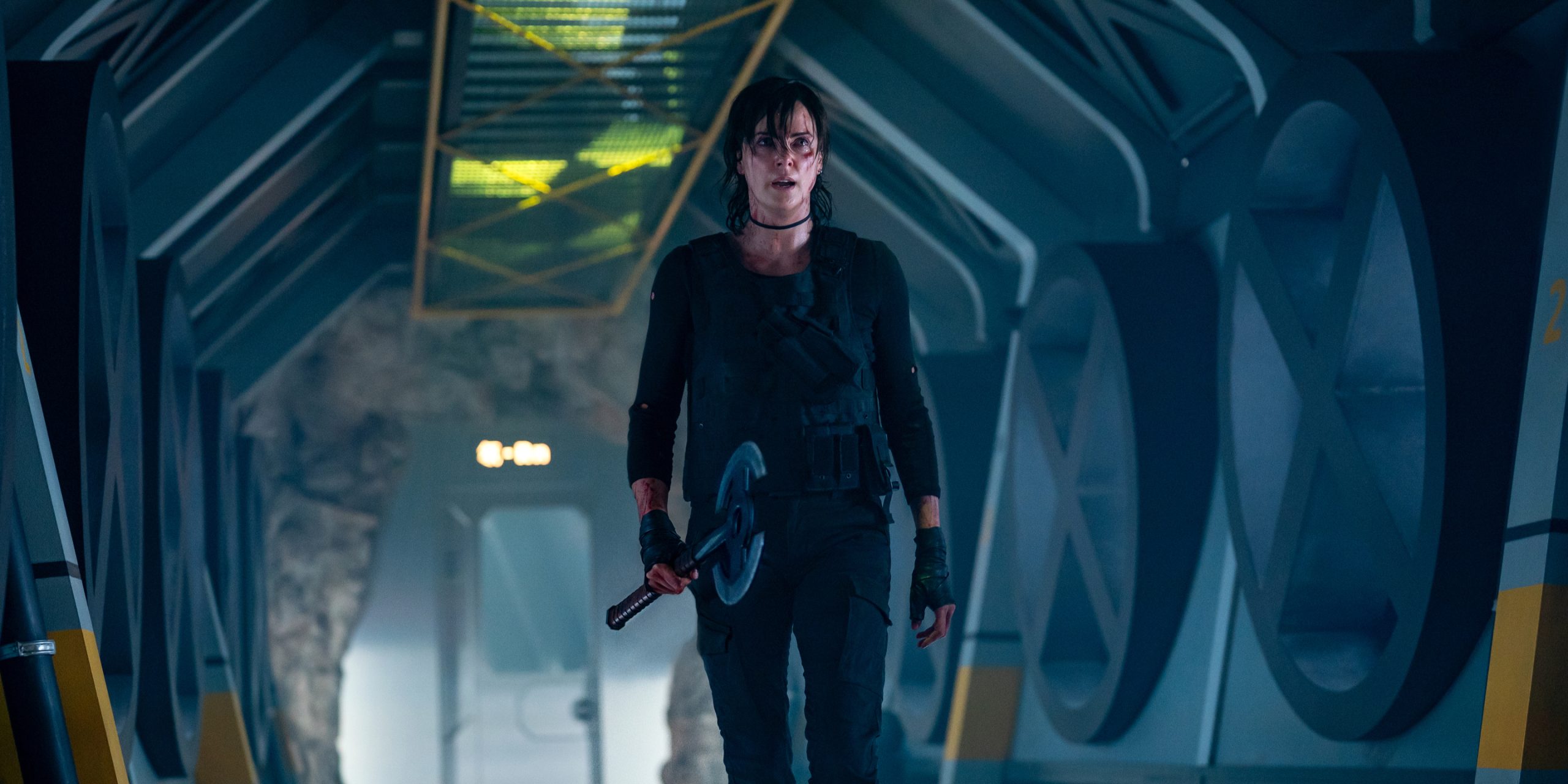
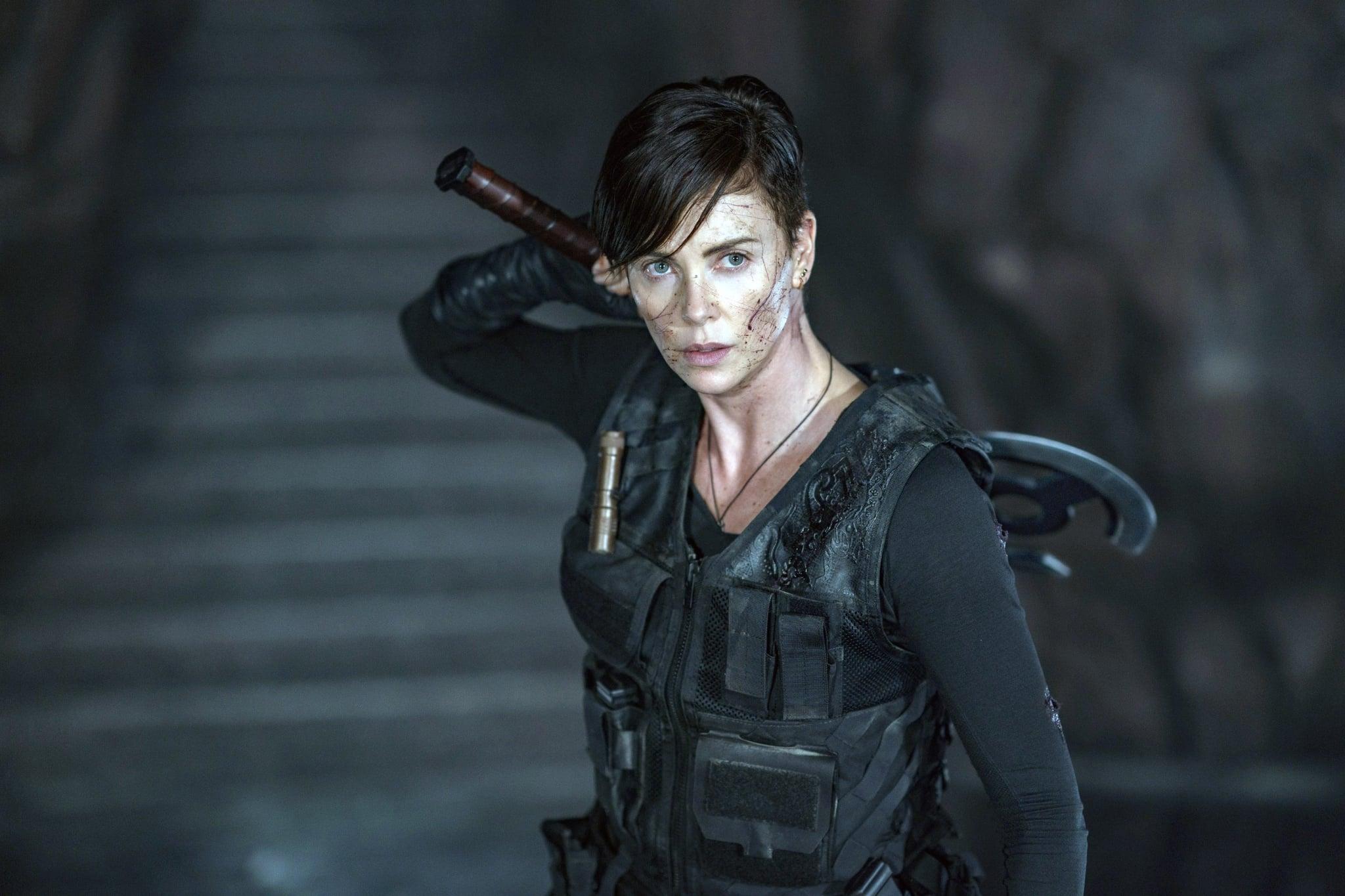
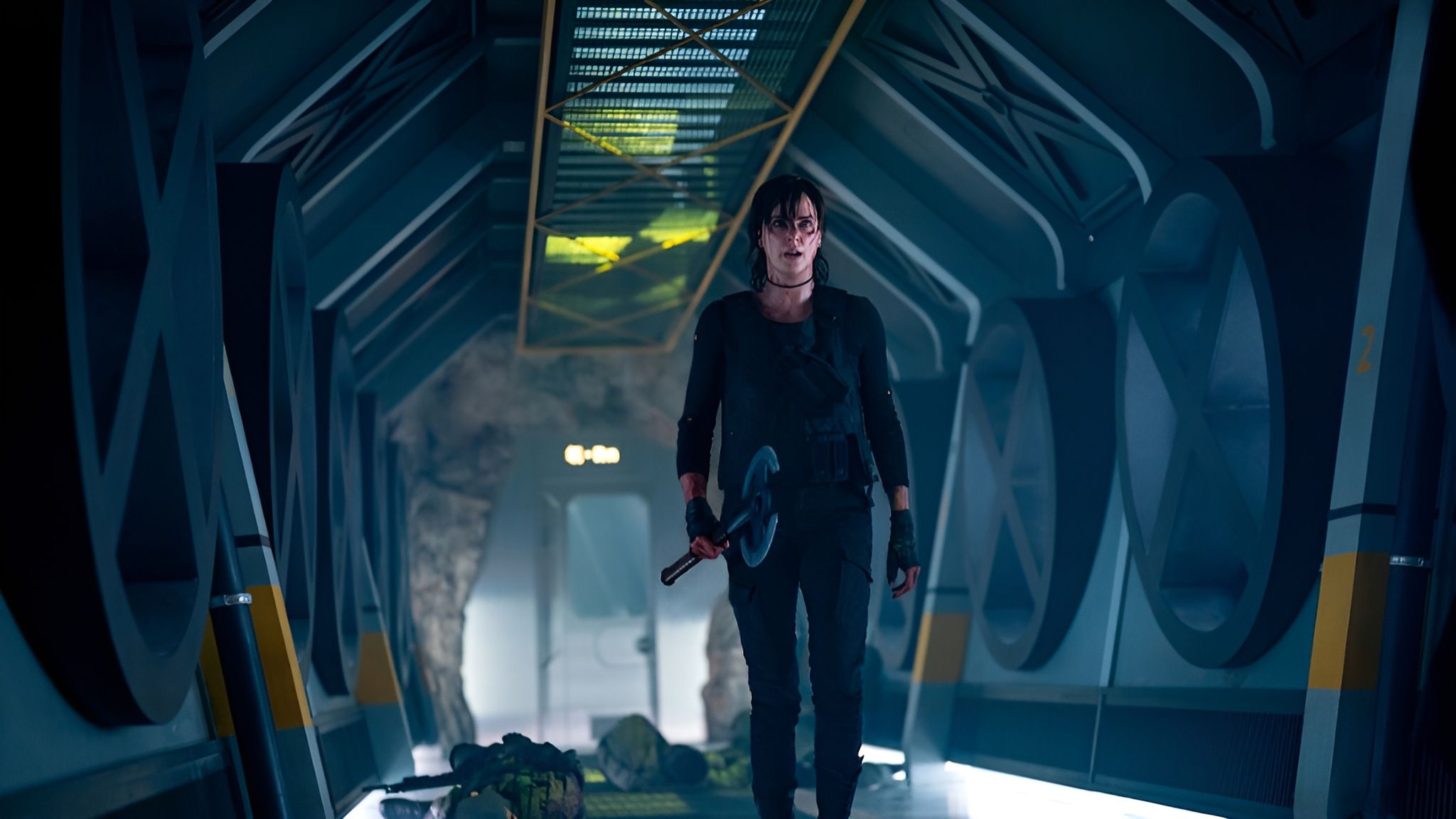
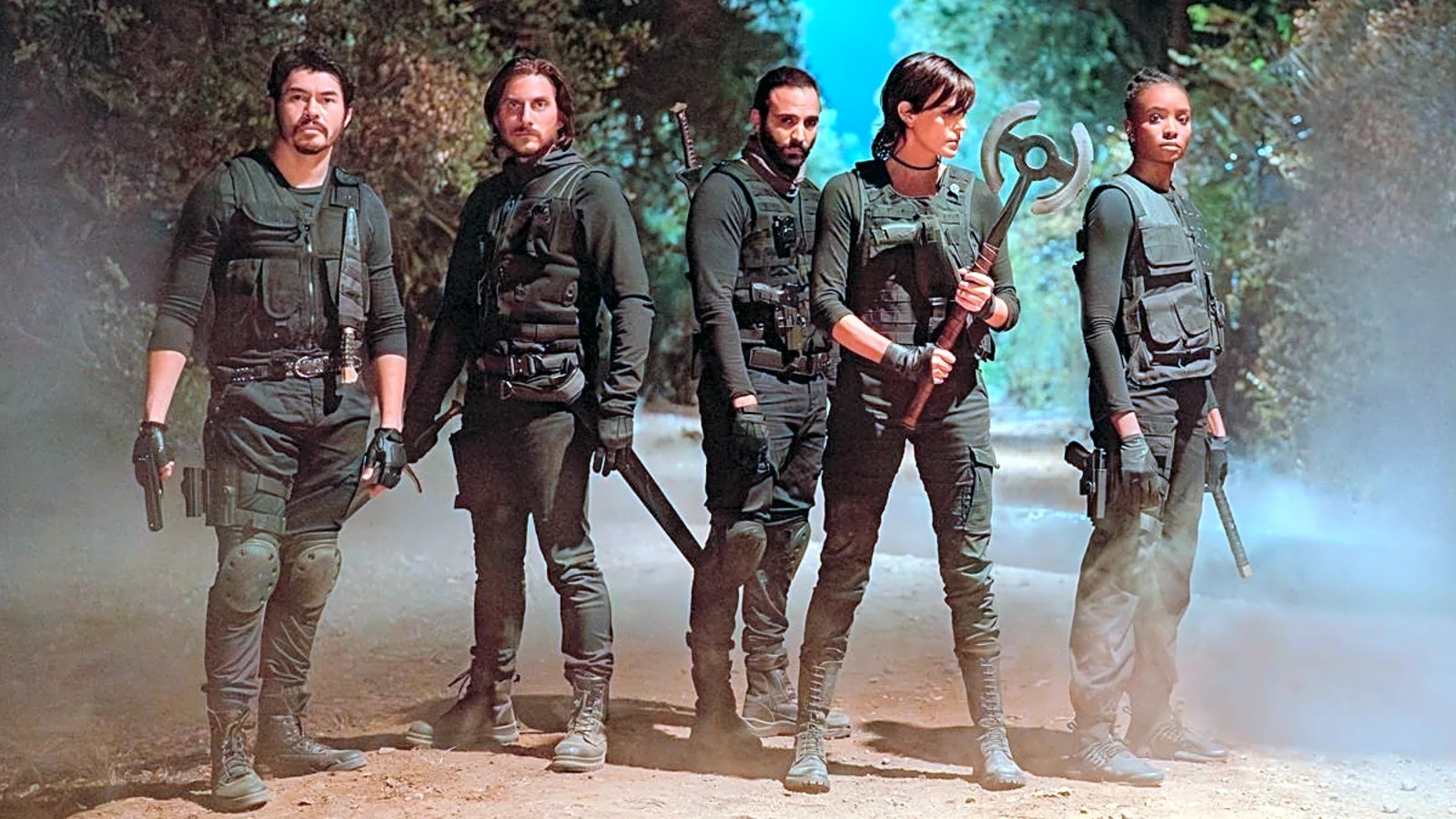
In The Old Guard 2, the central conflict revolves around Andy (Andromache of Scythia) and her transition into mortality. While the sequel explores various avenues for Andy to regain her immortality—primarily through the mysterious reappearance of Quynh—the narrative focuses on the high stakes of her vulnerability and the potential price of restoration.
The 2020 release of The Old Guard introduced a team of centuries-old mercenaries who possessed the inexplicable ability to heal from any wound. However, the film ended with a seismic shift for the team's leader: Andy discovered that her "healing factor" had ceased, leaving her as the only mortal member of the group. As we look at the landscape of the franchise in 2026, the question of whether she regains this power remains the most discussed plot point among fans and critics alike.
The State of Andromache: Why Andy is Mortal
To understand the drive behind the plot of the sequel, one must revisit the mechanics of immortality established in the first film. Unlike many supernatural franchises, the "gift" in The Old Guard is not permanent. It is a biological or metaphysical state that can vanish without warning, just as it did for Lykon centuries ago.
Andy’s loss of immortality serves as the primary emotional anchor for her character development. After more than 6,000 years of battle, fatigue, and loss, her sudden vulnerability forces her to confront her own legacy. In the first film, the loss was signaled by a wound from a localized conflict that simply refused to close instantly. By the start of The Old Guard 2, Andy is operating in a world where a single stray bullet could end her millennia-long journey. This transition from an "invincible god" to a "vulnerable warrior" is what sets the stage for the sequel’s exploration of power restoration.
The Biological "Switch"
The lore suggests that the immortality is not a curse or a blessing from a specific deity, but a finite resource. When it "runs out," the immortals become human again. The sequel dives deeper into the science and myth behind this, questioning if the process is truly irreversible. For Andy, being mortal isn't just about physical risk; it’s about the psychological burden of leading an immortal team while being the only one who can truly "leave" them.
Quynh’s Return and the Secret to Restoration
The most significant catalyst for the discussion surrounding Andy regaining her immortality is the return of Quynh (played by Veronica Ngo). Having spent five centuries at the bottom of the ocean in an iron maiden—dying and resurrecting in a continuous loop of agony—Quynh’s psyche is fractured.
In the climax of the first film and the beginning of the sequel, Quynh’s survival and her reunion with the team present a dark mirror to Andy’s mortality. Quynh possesses knowledge of the "source" of their power that the others lack. The narrative of The Old Guard 2 suggests that Quynh may hold the key to "resetting" the immortality cycle, or conversely, taking it away from others.
The "Force Multiplied" Connection
The film draws heavily from the second volume of the graphic novels, Force Multiplied, written by Greg Rucka. In the source material, the relationship between Andy and Quynh is central to the theme of "original sin." Quynh believes that they were made immortal not to save humanity, but to punish it. This philosophical divide creates a scenario where Andy must choose between regaining her immortality by aligning with Quynh’s dark vision or remaining mortal to preserve her soul.
The Mechanics of Immortality: Lore and Limits
In the world of The Old Guard, immortality operates under a set of rules that are deliberately kept vague to maintain a sense of mystery. However, the sequel provides more context regarding how these powers function and why they might be "re-triggerable."
| Feature | Immortal Status | Mortal Status (Andy) |
|---|---|---|
| Healing Speed | Near-instantaneous (seconds to minutes) | Normal human rate (weeks/months) |
| Pain Threshold | High, but sensations remain | High, but injuries are debilitating |
| Resurrection | Automatic upon "death" | Permanent cessation of life functions |
| Visual Indicators | Scars from previous lives vanish | New scars remain permanently |
| Detection | Can sense other "new" immortals | Retains the ability to sense others |
Is There a "Cure" for Death?
The search for a way to regain immortality leads the team into a global pursuit of ancient sites and clandestine organizations. Unlike the first movie’s villain, Merrick, who wanted to harvest their DNA for profit, the antagonists in the sequel are more interested in the metaphysical "on/off switch" of the healing factor.
The sequel introduces the concept that the immortality might be tied to a specific "alignment" or purpose. Some theories presented within the film suggest that Andy lost her powers because she had lost her way—her will to live and fight had diminished. Therefore, regaining her immortality might not be a matter of a medical procedure, but a spiritual or psychological reconnection to the team’s mission.
Narrative Stakes: The Risk of Regaining Power
From a storytelling perspective, Andy regaining her immortality is a double-edged sword. If she becomes invincible again, the tension of her character arc—the fear of her dying—is removed. However, if she remains mortal, the team dynamic changes forever.
The Role of Nile Freeman
Nile Freeman, the youngest immortal, serves as the audience's surrogate and Andy's protégé. In The Old Guard 2, their relationship is tested. Nile has to step up as the primary "tank" for the team, taking the hits that Andy previously would have shrugged off. If Andy were to regain her powers, it would revert the power balance, potentially stalling Nile's growth as the future leader of the group.
The Philosophical Burden
The sequel poses a heavy question: Should one seek to live forever if they have already seen the worst of humanity for 6,000 years? Andy’s struggle is not just about the fear of death, but the exhaustion of life. The temptation to regain her immortality comes primarily from her love for her "family"—Joe, Nicky, Booker, and Nile. She doesn't want to leave them behind, even if she is ready to rest.
Production and Creative Context (2026 Perspective)
As of 2026, the journey of The Old Guard 2 to our screens has been a long one. Directed by Victoria Mahoney, who took the helm from Gina Prince-Bythewood, the sequel had to navigate significant delays in post-production and shifts in the streaming landscape.
The decision to focus on Andy’s mortality was a conscious choice by the writers to ground the high-concept action in human emotion. Charlize Theron has frequently discussed in interviews how the physical training for the sequel differed because her character had to "fight like someone who knows they can break." This shift in choreography is a subtle but constant reminder of Andy’s status throughout the film.
Comparing the Film to the Graphic Novel
For fans of the original comics, the question of Andy regaining her immortality has a definitive answer in the pages of Force Multiplied. However, the Netflix adaptation has shown a willingness to deviate from the source material to suit a cinematic narrative.
- The Graphic Novel Approach: In Rucka's comics, Andy remains mortal. The focus is on her dealing with the consequences of her past and the betrayal of Quynh (Noriko in the comics). The lack of immortality is used to highlight the finality of her actions.
- The Film Adaptation Approach: The movie introduces more "cinematic" possibilities. There are hints of a larger "source" or "wellspring" of power that could potentially be tapped into. The film keeps the possibility of her regaining immortality as a dangling carrot to keep the audience invested in the "how" and "why" of their existence.
The Significance of the "First Death"
In the lore of the franchise, the "first death" is the moment a human realizes they are immortal. For Andy, the sequel explores the inverse: the "final life." Every scratch, every bruise, and every slow-healing bone becomes a narrative device.
If Andy does regain her immortality during the climax of the sequel, it is likely framed not as a return to the status quo, but as a sacrifice or a "new contract" with whatever force governs their lives. The film suggests that immortality isn't a state of being, but a job—and Andy might not be finished with her shift yet.
Frequently Asked Questions
Does Andy die in The Old Guard 2?
While Andy is mortal and faces life-threatening situations throughout the sequel, the film focuses more on her survival instincts and her role as a strategist. The tension comes from the possibility of her death, but her centuries of combat experience make her a formidable opponent even without a healing factor.
How does Quynh factor into Andy’s immortality?
Quynh believes she knows the origin of their powers. She attempts to manipulate Andy by offering a way to restore her immortality, but this offer usually comes with a dark price—requiring Andy to abandon her moral code or her team.
Is the immortality in The Old Guard scientific or magical?
The sequel leans more into the "unexplainable" nature of the power. While organizations in the film try to quantify it through genetics, the narrative suggests it is a metaphysical phenomenon tied to fate and the individual’s role in human history.
Will there be a third movie to resolve Andy's status?
As of 2026, discussions for a third installment are ongoing. The resolution of Andy's mortality in the second film is designed to lead into a larger exploration of the immortals' history, suggesting that her journey—mortal or otherwise—is far from over.
What is the significance of the axe in the sequel?
Andy’s labrys (double-headed axe) remains her signature weapon. In the sequel, it represents her connection to her past. Even as a mortal, she wields it with the proficiency of an ancient goddess, proving that her strength comes from her experience, not just her ability to heal.
Final Recommendation for Viewers
To fully appreciate the narrative arc of Andy regaining her immortality in The Old Guard 2, viewers should focus on the subtle shifts in her leadership style. Pay close attention to the scenes between Andy and Nile, as they represent the passing of the torch. Whether Andy remains mortal or finds a way to restore her "gift," the sequel makes it clear that the character has been fundamentally changed by the experience of vulnerability.
If you are looking for a resolution, look toward the themes of Quynh’s return. The answer to the immortality mystery lies in the history these two women shared long before the modern era began. Watching the first film immediately before the sequel is highly recommended to track the progression of Andy's physical and emotional "wearing down."